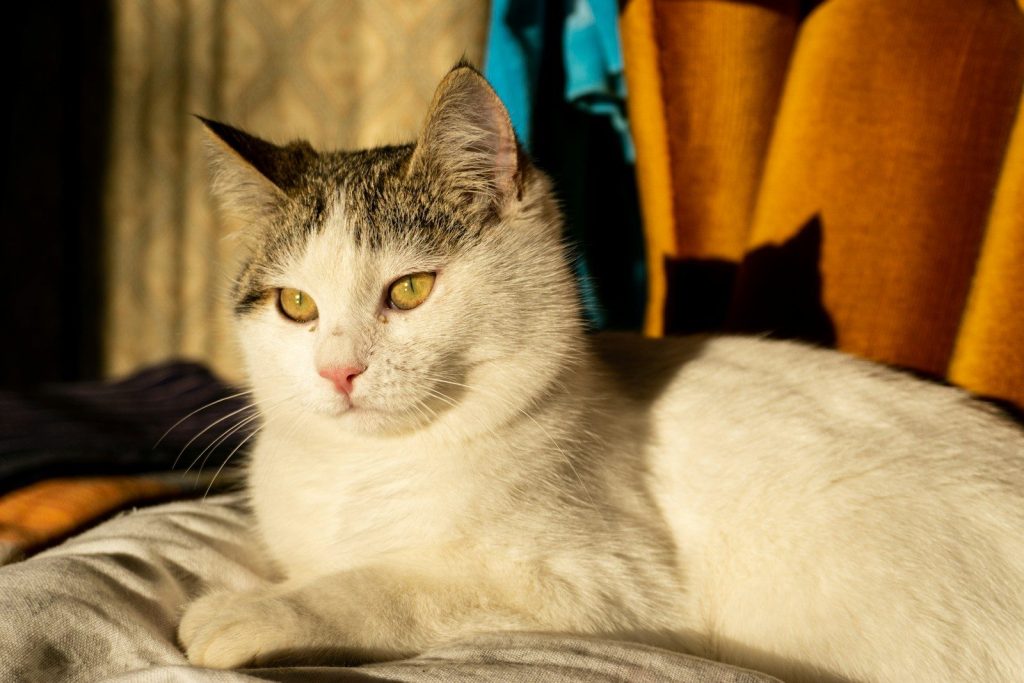

You bought a beautiful new cat bed and hoped for endless cuddles on the couch. Instead, your furry roommate glares at you from across the room.
Many owners feel deeply rejected when their pets act distant. However, feline behaviorists state this is simply a major misunderstanding of natural animal boundaries.
The hidden language of feline personal space
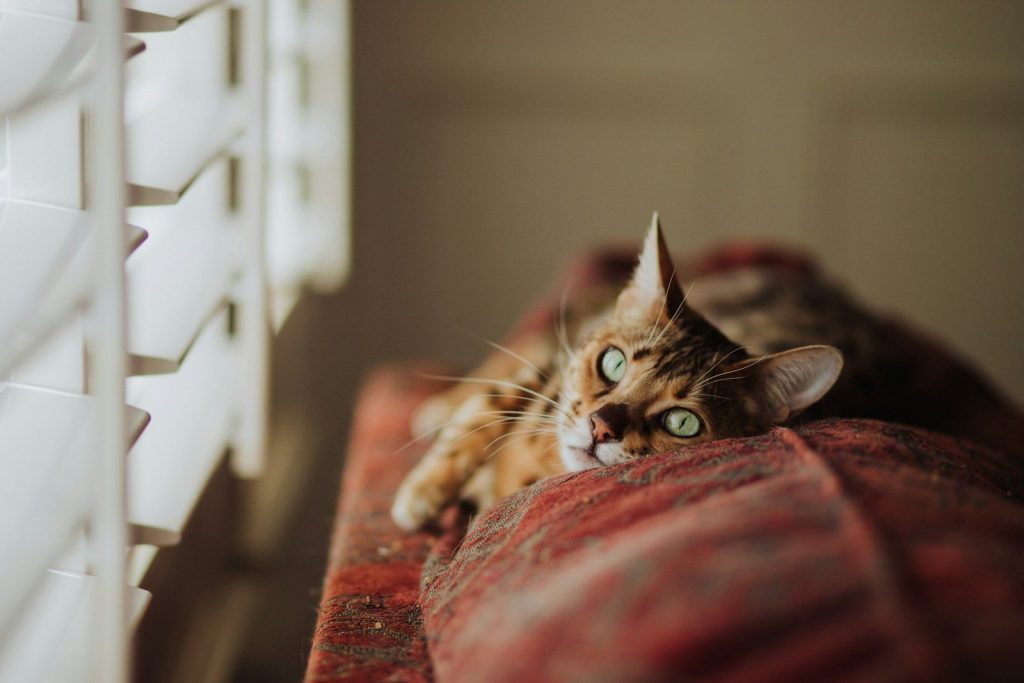
Unlike dogs, felines do not naturally crave constant physical touch. They view forced contact as a direct threat to their survival. According to the American Veterinary Medical Association, respecting your pet’s boundaries actually encourages them to seek you out on their own terms. But how do you start rebuilding that broken trust?
Letting your cat make the first move
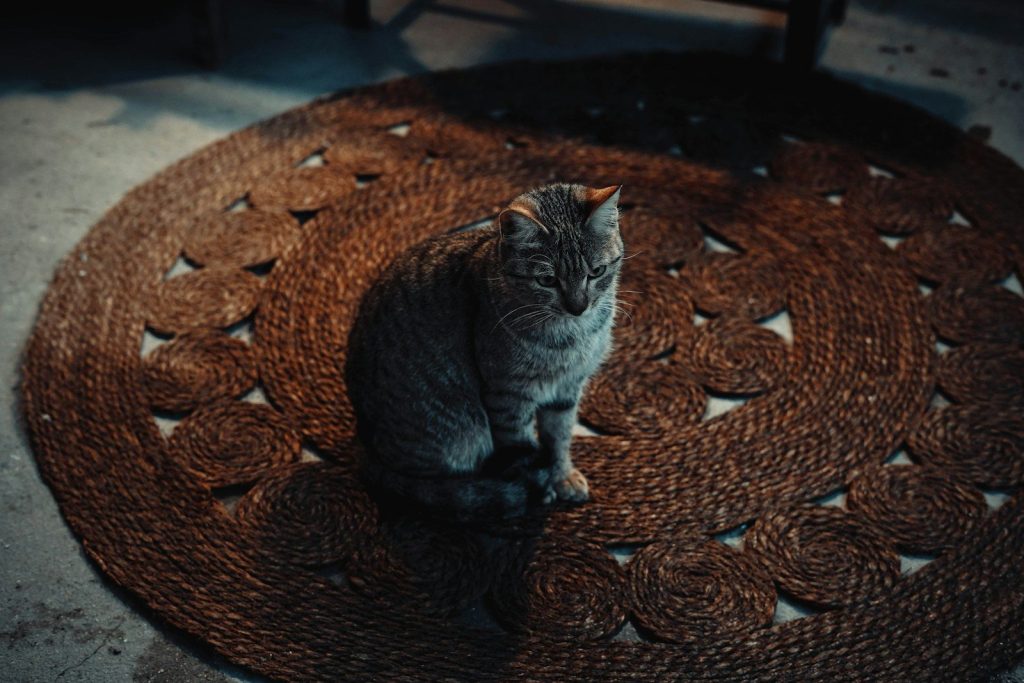
Try sitting quietly on the floor with your hands in your lap. Let your cat approach you and sniff your index finger slowly. This gentle greeting mimics how cats interact in the wild. If they rub their cheeks against your hand, they are leaving their scent to accept you. Yet, one common human habit instantly ruins this progress.
Ditching the loud and sudden movements

Felines possess incredibly sensitive hearing designed to track tiny birds. Slamming doors, loud talking, or heavy footsteps can keep an indoor cat in a constant state of high alert. They will naturally avoid any room where they feel constantly startled. Fortunately, you can change your daily habits to make them feel secure. But there is a secret trigger they cannot resist.
The magic power of quiet vocal greetings
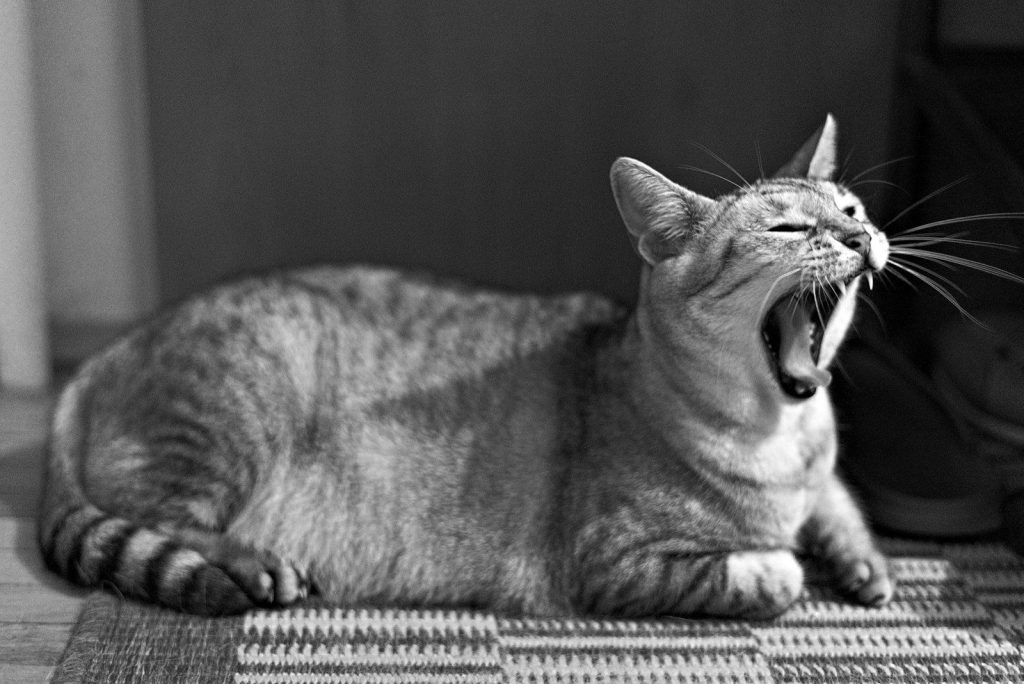
Speaking to your pet in a soft, high-pitched tone can lower their heart rate instantly. Feline behaviorists note that cats respond far better to quiet infant-directed speech. It tells them that you are friendly and pose no immediate physical danger. Once they feel safe, they will start showing subtle signs of affection.
Reading the slow blink greeting sign
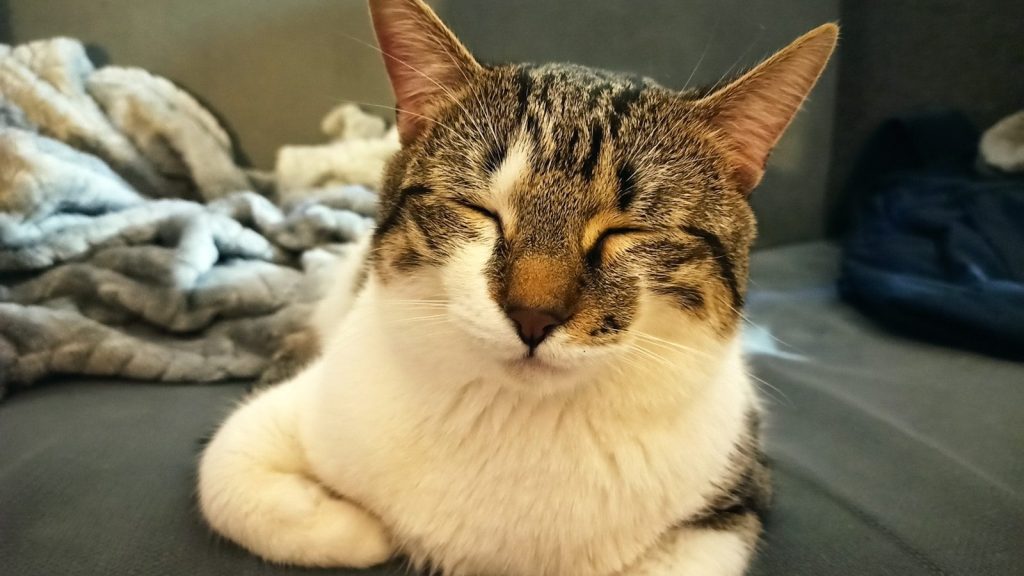
When your cat looks at you and slowly closes their eyes, they are offering a feline hug. Return the slow blink to state you also mean no harm. This simple, silent exchange builds a beautiful foundation of mutual trust. Dr. Jane Brunt, speaking to the Cat Fanciers Association, notes this reduces general household anxiety. But physical space matters just as much.
Creating high escape routes for safety
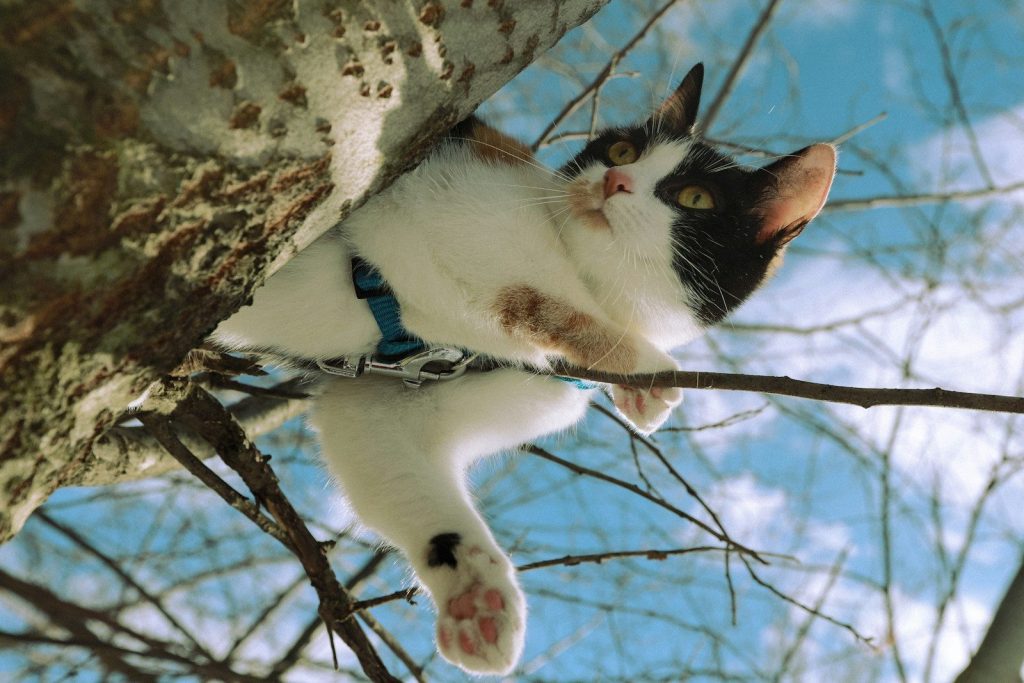
Vertical space gives an indoor cat a powerful sense of dominance over their territory. Placing a climbing tree near your desk allows it to stay close without feeling cornered. They can watch your movements safely from above. Yet, owners often ignore the biggest cuddle blocker of all.
Avoiding the sensitive stomach touch trap
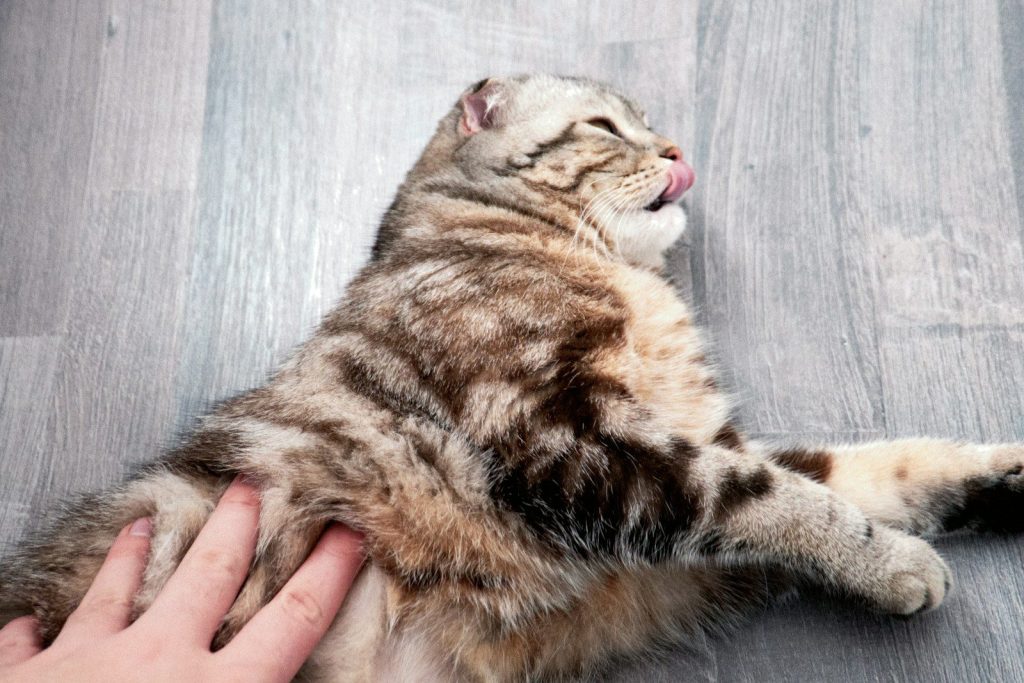
While a dog loves belly rubs, a cat’s stomach holds their most vulnerable organs. Touching this area triggers an immediate survival reflex to scratch and bite. Stick to scratching their chin, cheeks, or the base of their ears for positive results. Once you master these sweet spots, your relationship will transform completely.
Achieving a peaceful and loving bond
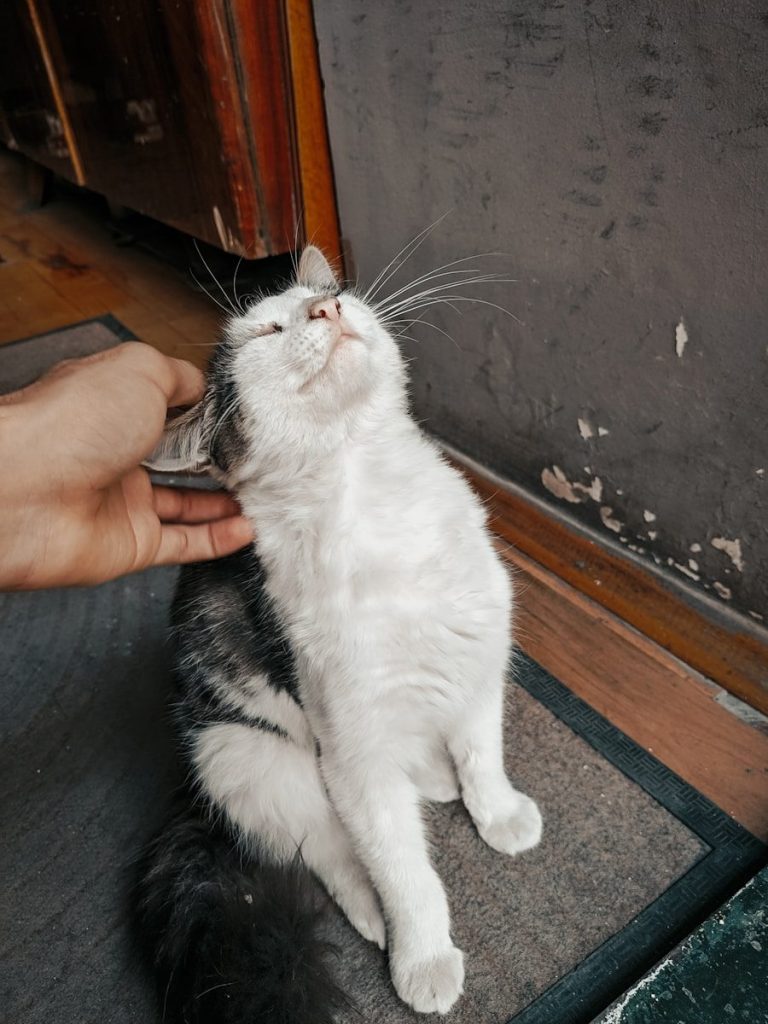
Building a secure attachment with a quiet animal takes patience and daily consistency. This article is for informational purposes only and does not constitute veterinary advice. By listening to their silent signals, you will create a beautiful friendship that lasts a lifetime.
Featured Image; Photo by Jan Krivec on Unsplash