
Taking an indoor cat outside on a harness can sound like a peaceful adventure. However, the real experience often turns into a chaotic storm of energy.
One orange cat went viral for sprint-chasing every single bird he saw on his lawn. Understanding this behavior will help you keep your pet safe.
The sudden overload of sensory data
Indoor cats live in a highly controlled environment. Stepping onto the grass floods their senses with thousands of new inputs at once. According to the ASPCA, felines possess a sense of smell that is fourteen times stronger than ours. The sudden freedom can send their survival instincts into overdrive. But bird sightings trigger a specific response.
Triggering the ancient feline predatory sequence
Felines are genetically hardwired to stalk, pounce, and bite moving objects. When an indoor cat sees a bird up close, their brain releases a massive surge of dopamine. The active thrill of the hunt makes them ignore their human handlers completely. They become hyper-focused on the potential prey. However, this intense excitement can quickly turn into danger.
The thin line between play and fear
An excited cat has a very high heart rate and dilated pupils. If a car honks or a dog barks, that high energy can instantly morph into blind terror. This state is called redirected aggression by feline behaviorists. They might scratch their owner trying to escape their harness. That is why proper outdoor gear is absolutely essential.
Choosing an escape-proof body harness
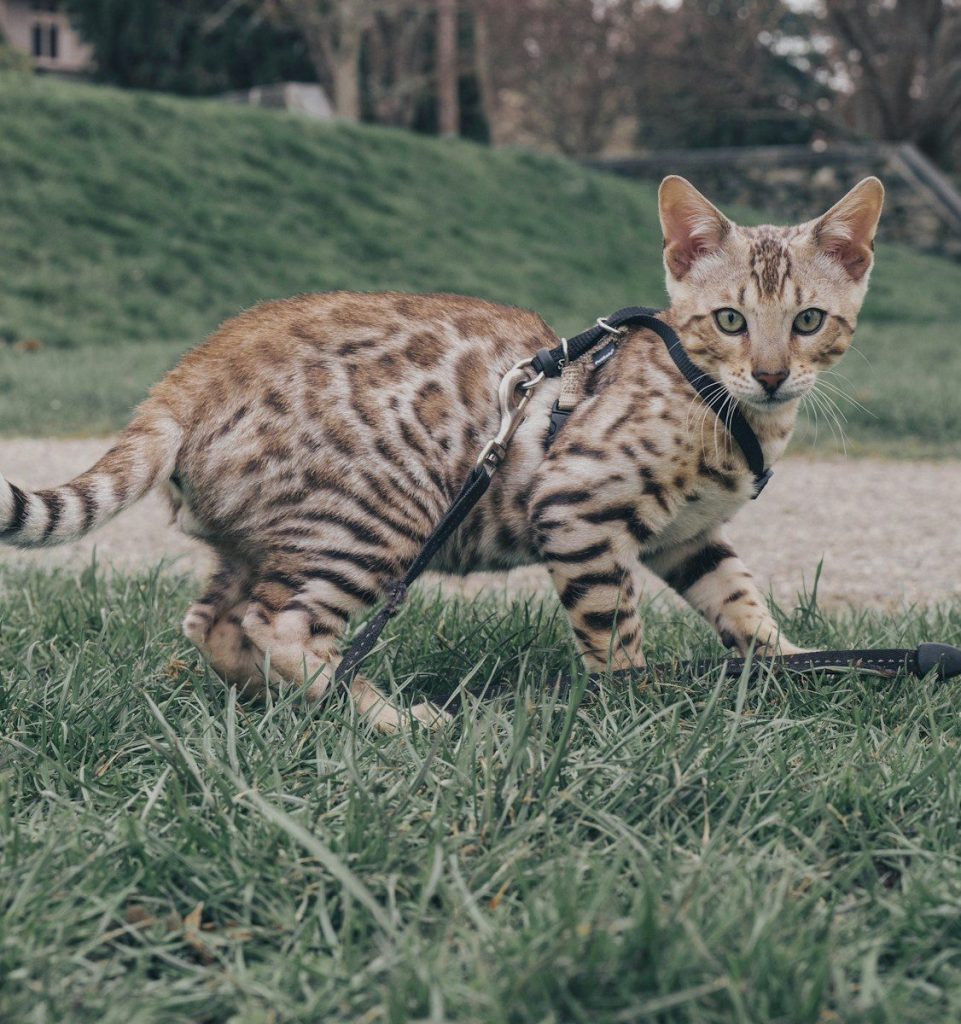
Felines have highly flexible collarbones that allow them to slip out of tight spaces easily. They escape fast. A secure H-style harness is the only veterinary-approved method for outdoor walks. The American Veterinary Medical Association emphasizes that leash training must start indoors slowly. But how do you start?
Starting with quiet backyard sessions first
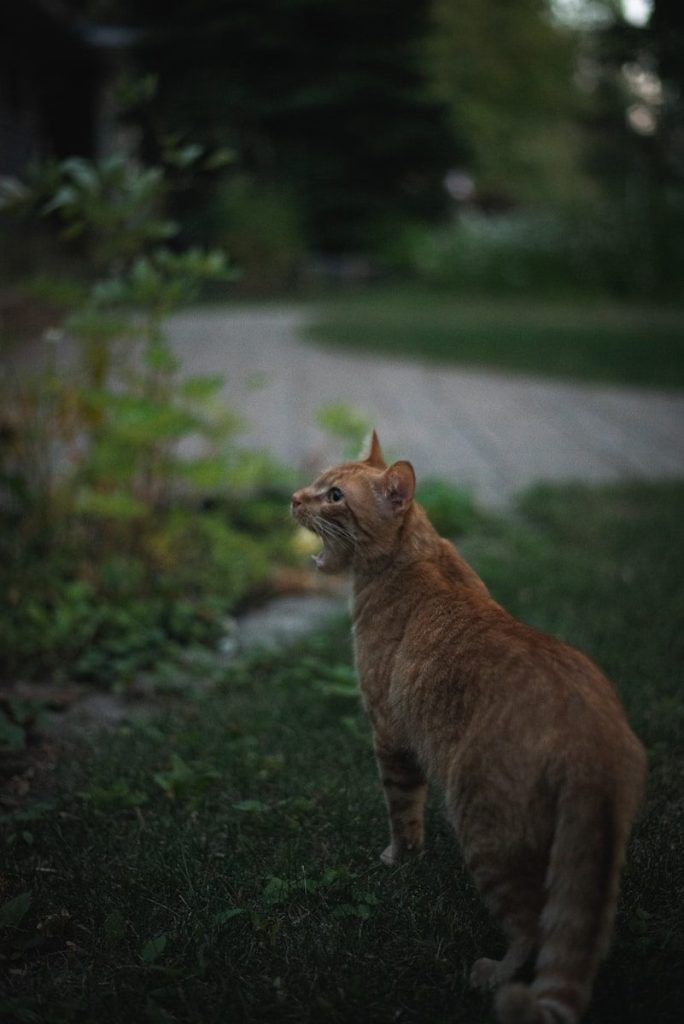
Do not rush your pet into a busy park on their first day out. Start slowly. Start with five minutes in a quiet, enclosed yard during low-traffic hours. Let them sniff the grass and explore at their own pace without forcing them forward. Still, you should watch their tail movements closely.
Reading the signs of sensory exhaustion
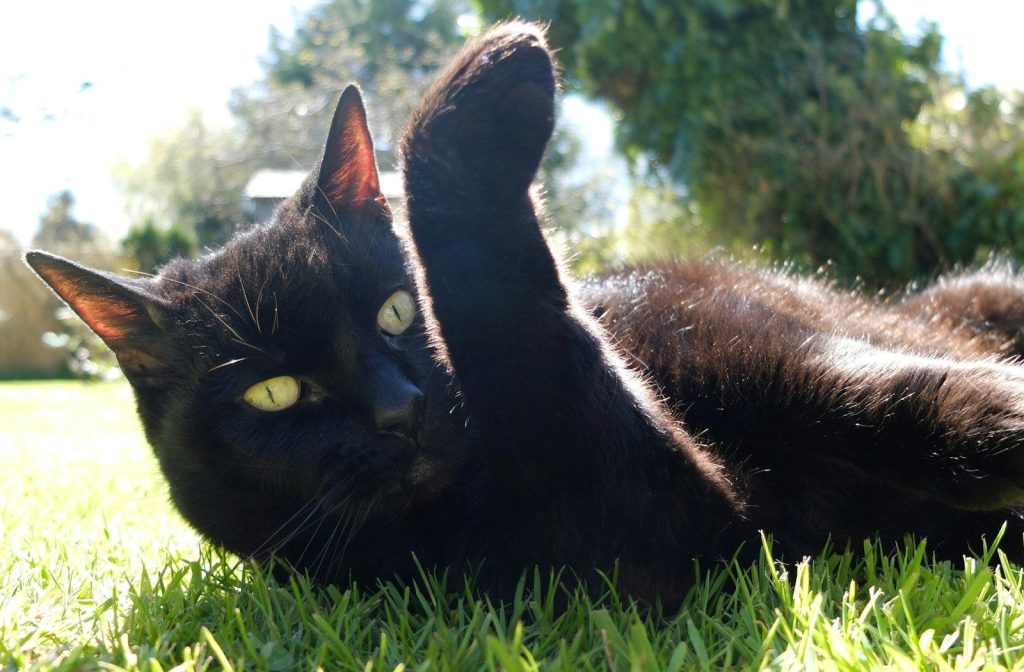
A low swishing tail or flat ears mean your cat is feeling overwhelmed. Bring them back inside before they reach a state of complete sensory overload. Walking a cat is about mental enrichment rather than physical exercise. Keeping sessions short and sweet ensures they stay happy. But the rewards are truly worth the effort.
Achieving a calm and relaxed home life
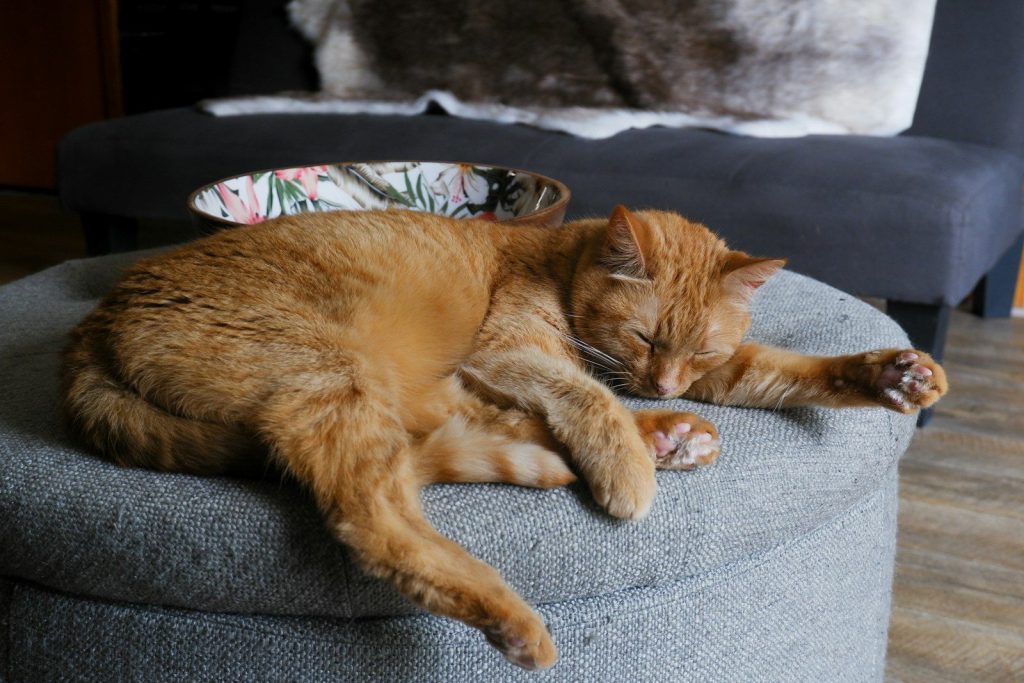
Outdoor stimulation burns off excess energy that usually causes midnight zoomies. They relax. Your cat will sleep better and show less stress throughout the day. This article is for informational purposes only and does not constitute veterinary advice. With patience and the right gear, you can share safe adventures with your favorite feline explorer.
Featured Image: Photo by Tatyana Rubleva on Unsplash