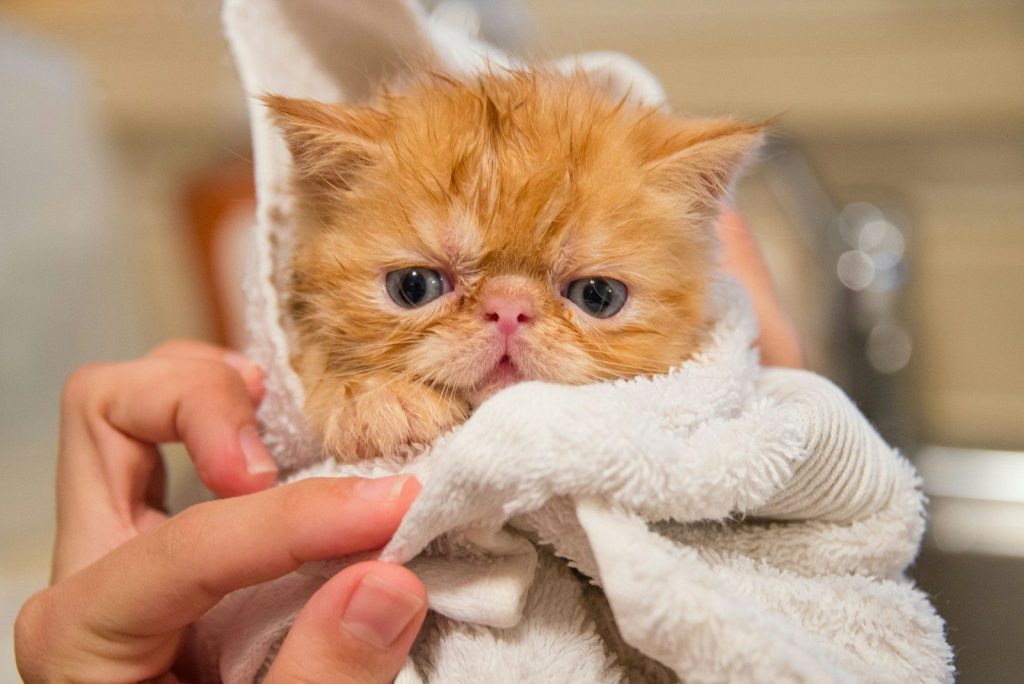

Mother cats usually handle all the grooming duties for their young. However, rescue situations often leave humans in charge of fragile kittens covered in dirt.
Giving a bath to a tiny kitten can turn fatal if you make a single mistake. You must follow strict veterinary protocols to keep them warm.
Checking the animal’s body temperature first
Never place a cold kitten into water under any circumstances. According to the Cornell Feline Health Center, young kittens cannot regulate their body temperature. Bathing a chilled kitten can plunge their system into deadly hypothermia. You must warm the animal completely using a heating pad before introducing moisture. Once they feel warm, you can prepare the sink safely.
Setting the perfect water temperature
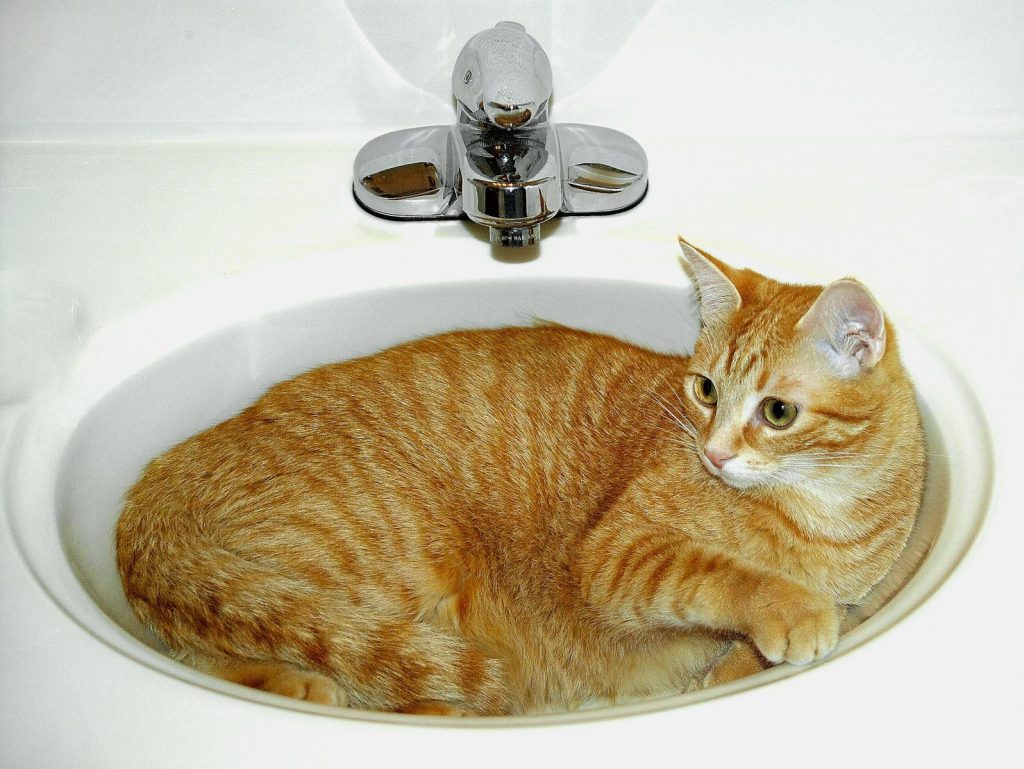
The water should feel warm to your wrist but never hot. Aim for a temperature around one hundred degrees Fahrenheit to mimic the warmth of a mother cat. Fill the basin with just two inches of water so they do not panic. Keep a gentle but secure grip on them throughout the process. Now, you must choose the right soap.
Avoiding dangerous chemical cleaning products
Standard human body wash or medicated soaps can damage delicate kitten skin. Veterinarians recommend using a mild, unscented dish soap if the kitten has severe fleas. This soap breaks down dirt and pests without exposing the baby to harsh toxins. Keep the lather away from their eyes and mouth. The next step requires absolute precision.
Wetting from the neck downward
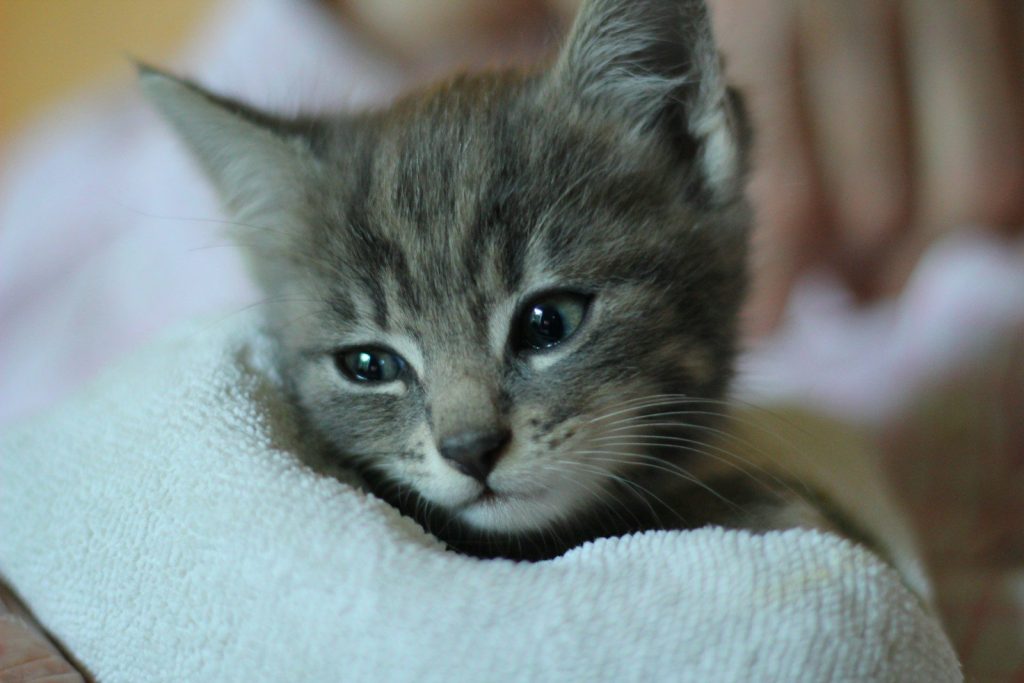
Always wet the kitten from the neck down to protect their face. Fluid entering the nose or ears can cause dangerous respiratory issues very quickly. Use a soft washcloth to gently rub away crusted dirt on their belly. Work quickly so the animal does not get too cold. The rinsing process must be incredibly thorough.
Rinsing away every trace of soap
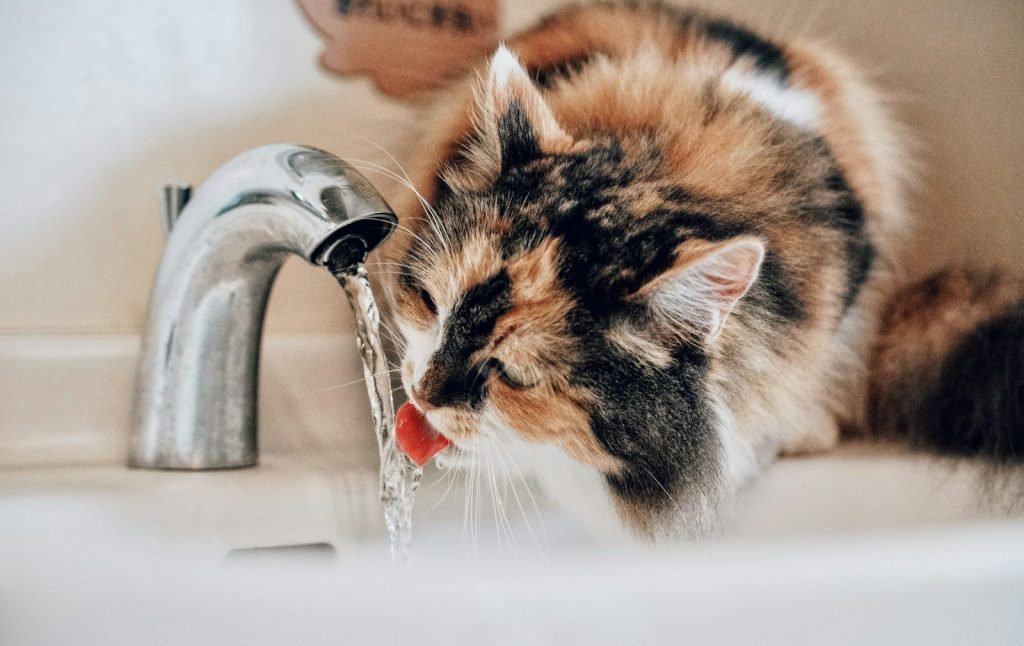
Leftover soap residue can cause severe skin irritation when the kitten grooms itself later. Use a small cup to pour clean, warm water over their back until the coat runs clear. Keep talking in a low, soothing voice to minimize their stress during the rinse. Once the soap is gone, the critical phase begins.
Wrapping in a warm, dry towel
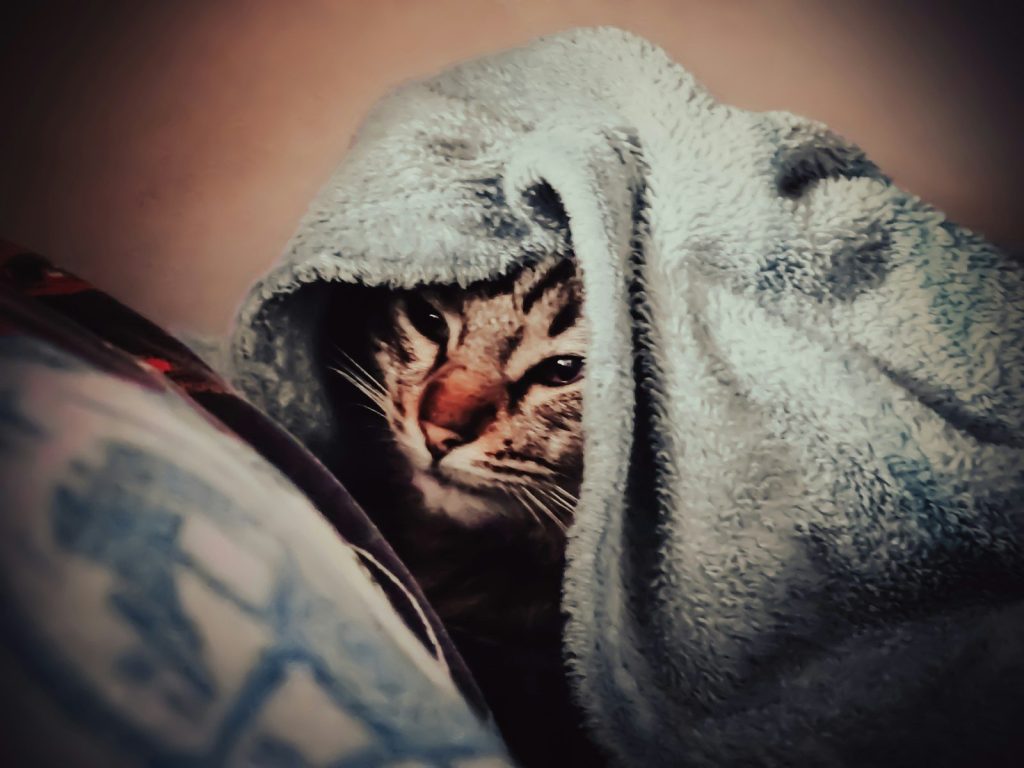
A wet coat drops an animal’s body temperature in seconds. Wrap the kitten in a warm towel right after turning off the water. Rub them gently to absorb moisture before switching to a second dry towel. Avoid using noisy electric hair dryers because they can easily burn thin skin. You must monitor them closely.
Returning to a safe heat source
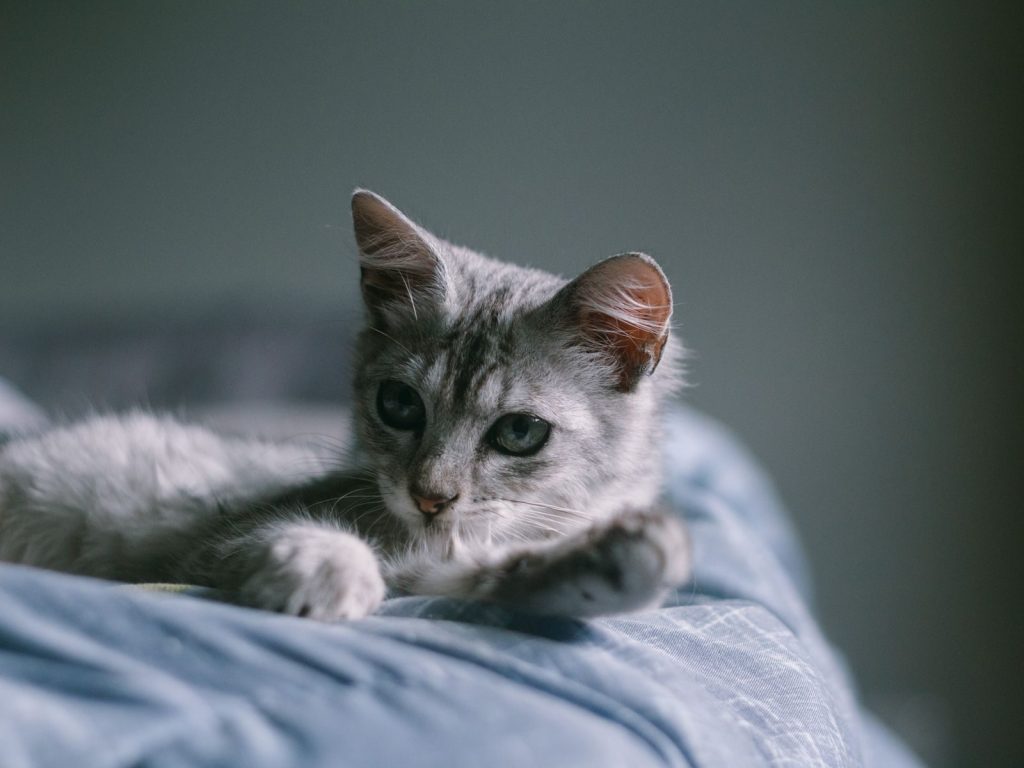
Place the dry kitten back onto a covered heating pad inside their bed immediately. This article is for informational purposes only and does not constitute veterinary advice. Keep a close eye on their breathing patterns until the fur is fully dry. With patience, your rescue kitten will stay clean and completely safe.
Featured Image: Photo by Dan Wayman on Unsplash