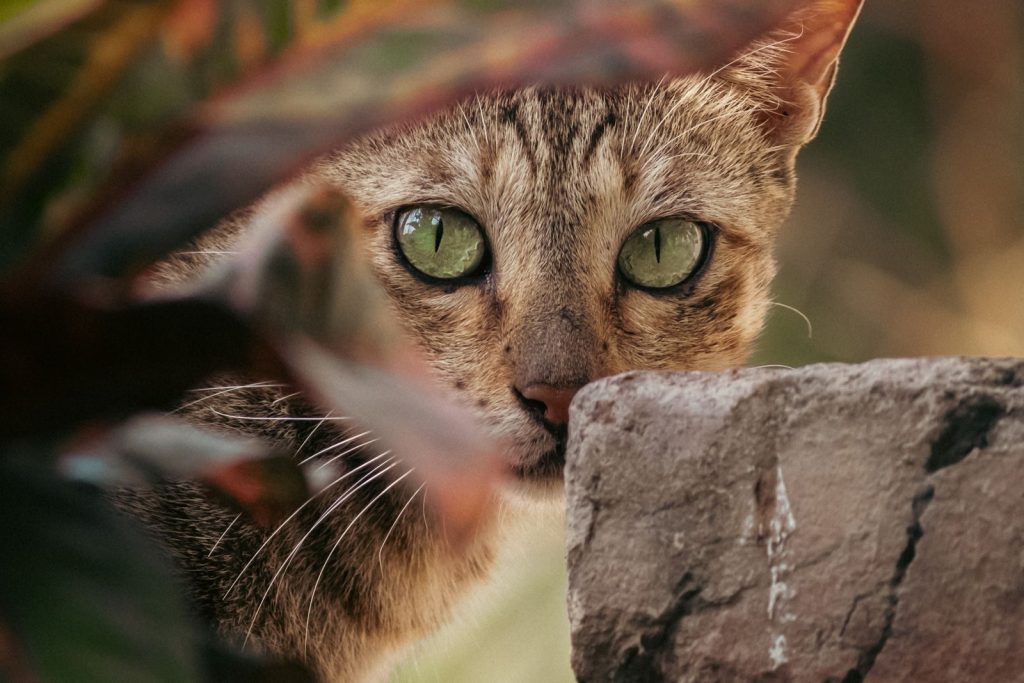

Heavy smoke fills a burning home quickly. Terrified felines do not run toward the doors or windows as humans expect.
Instead, they search for the absolute darkest hiding spots. Specialized rescue training helps emergency crews find these hidden pets.
The natural feline instinct to seek cover
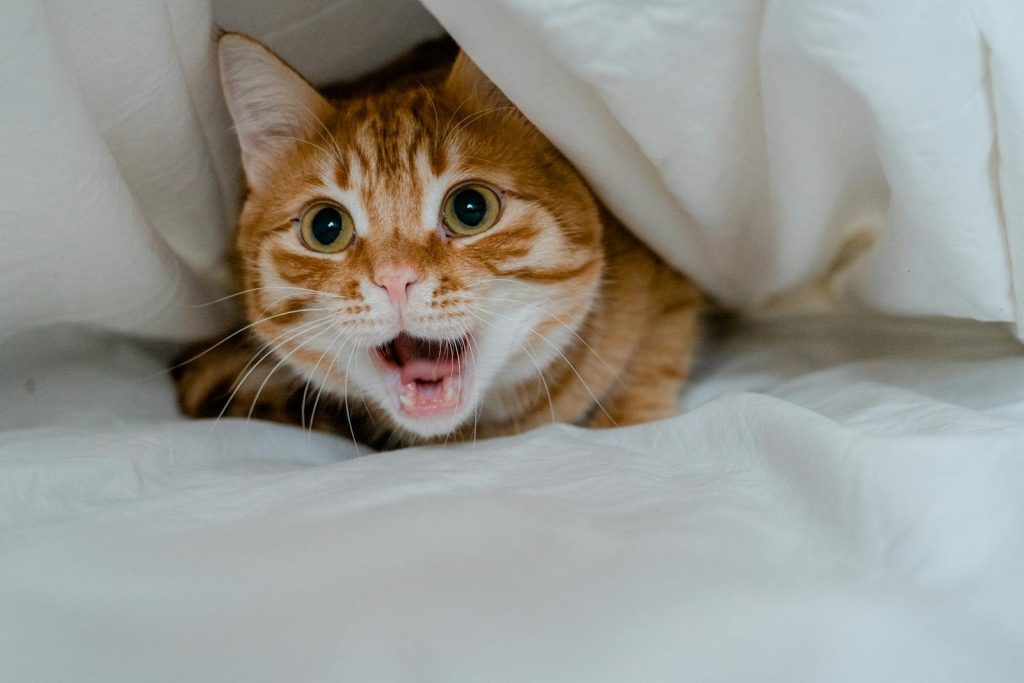
Frightened felines immediately head for dark spaces under beds or deep inside closets. According to the National Fire Protection Association, pets rarely leave their hiding spots during emergencies. This survival reflex makes visual search efforts highly difficult for emergency teams entering a smoky room. But rescue crews are completely changing their approach to home searches.
Practicing search drills in total darkness
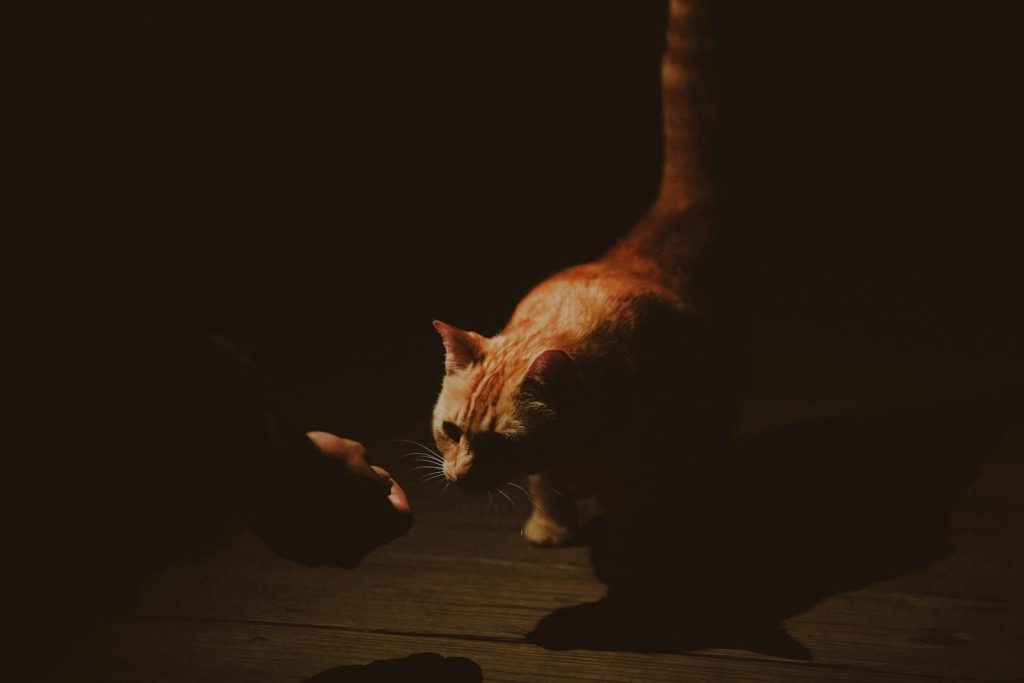
Firefighters now train inside pitch-black simulation chambers using weighted cat models. These lifelike props mimic the exact size and weight of a scared adult feline. Responders must sweep floors and check behind furniture by touch alone. This rigorous exercise teaches crews to check areas they usually ignore. But finding the pet is only the first step.
Overcoming the sound barrier of fear

Scared animals rarely cry out or meow when they are trapped. Firefighters learn to listen closely for tiny sounds like claw scratches or heavy breathing. Training coordinators emphasize that silence should never mean a room is completely empty of life. Responders use another critical tool to scan dark floor lines quickly.
Scanning smoke-filled rooms with thermal cameras

Handheld thermal imaging devices have become crucial for modern animal rescue operations. These cameras detect animal heat signatures through thick soot and walls. Responders can scan a cluttered room and instantly spot a warm glow under a bed. This technology saves precious seconds during a crisis. Yet handling a terrified animal presents a different challenge.
Handling a highly combative injured feline
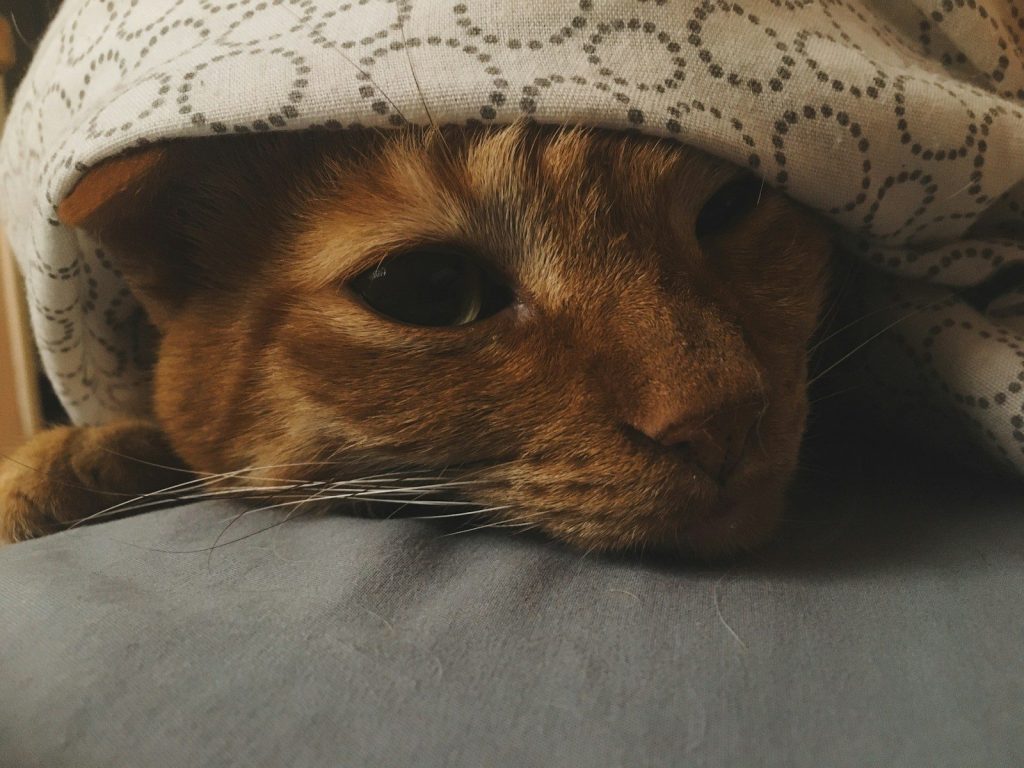
A burned or choking animal will often lash out in blind panic. Fire rescue instructors teach crews to secure the cat using thick blankets or heavy gloves. Wrapping the body tightly keeps the claws safe and calms the animal. Once they exit the building, the medical rescue phase begins.
Supplying pure oxygen with custom masks
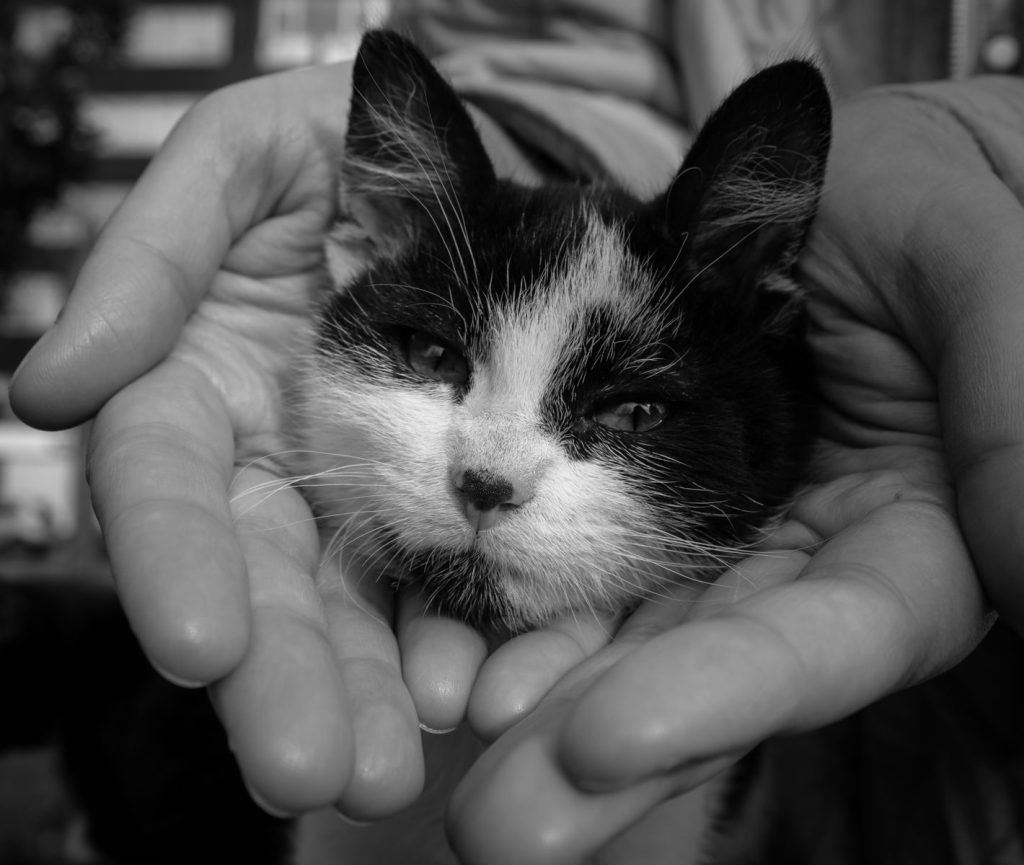
Standard human oxygen masks fail to fit the conical snout of a cat. To fix this, many fire stations now carry specialized round masks donated by local charities. These devices fit snugly to deliver life-saving oxygen fast. This simple tool has drastically increased pet survival rates. But your actions at home matter even more.
Vital safety steps for pet parents
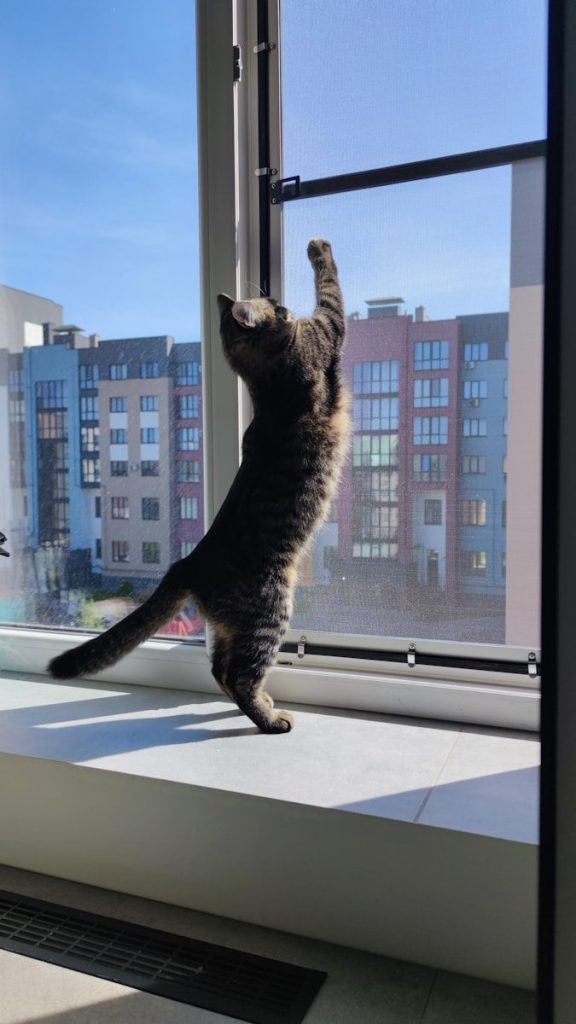
Owners can help emergency crews by putting pet alert decals on front windows. These stickers tell responders exactly how many animals are inside the house. Keeping carriers near your main door also speeds up emergency evacuations. These minor preparations can save your feline friend when every second counts. Still, you can do one more thing today.
Creating a family fire escape plan
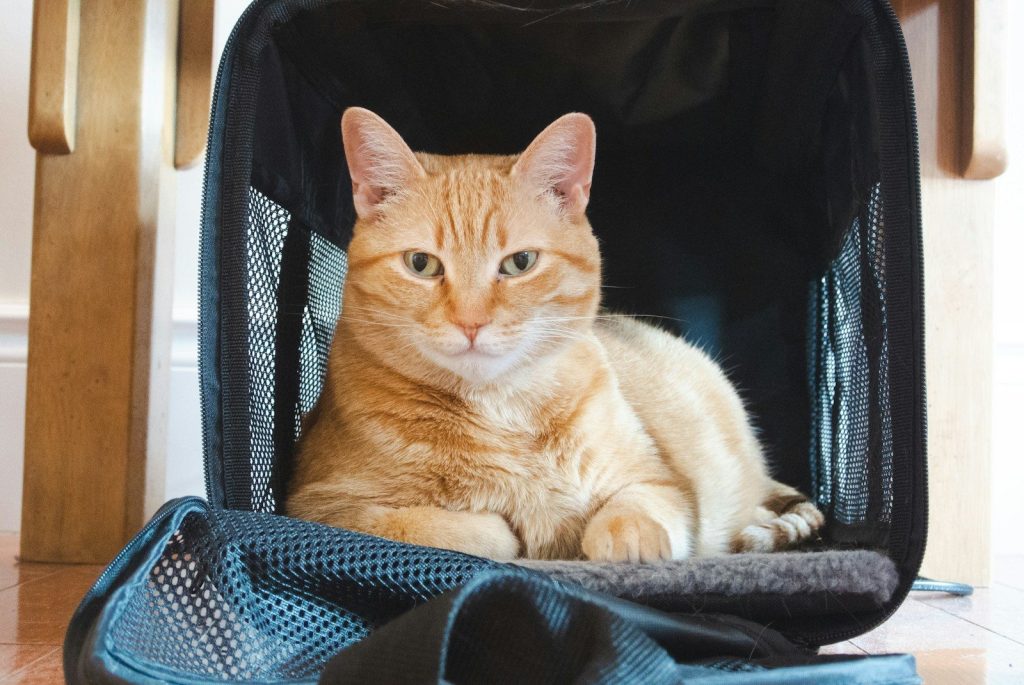
Take a few minutes to map out your home exits and locate major hiding spots. Knowing where your pet runs when scared ensures a much faster rescue. This article is for informational purposes only and does not constitute veterinary advice. Simple preparation keeps your beloved companion completely safe.
Featured Image: Photo by Utpal Chatterjee on Pexels