

Have you ever noticed that your cat meows differently depending on who they talk to? It looks like a simple habit, but science reveals a secret.
Felines adapt their vocal pitches to match the specific hearing ranges of men and women. This incredible vocal adjustment reveals how deeply they study human behavior.
The unique acoustic sensitivity of cats

Felines possess incredibly sensitive hearing designed to catch the quiet squeaks of small rodents. Research from the University of Vienna confirms that cats alter their pitch based on the pitch of their owner’s voice. They use higher sounds with women because these tones match their own social frequencies. But this vocal styling serves a deeper emotional purpose.
Mimicking the sounds of newborn babies

Cats have learned that high-pitched meows trigger protective care instincts in humans. This vocal frequency sounds remarkably like a crying newborn child, which makes people react quickly. Feline behavior experts note that female owners are highly sensitive to these specific frequencies. This trick helps cats get their meals much faster.
How cats talk to male owners safely
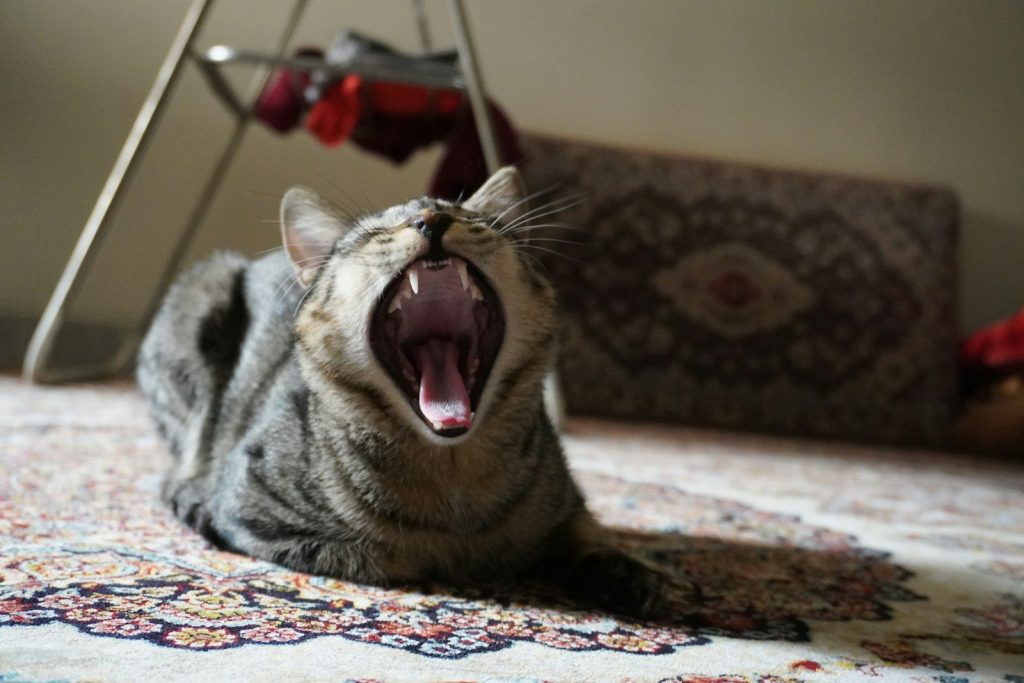
With men, cats often use lower meows or quiet chirps that match deeper vocal ranges. Felines choose these frequencies because they are easier for male ears to process in noisy rooms. This clever adjustment shows how felines treat communication like a personalized tool. But vocals are only one part of the story.
Watching human body language for clues
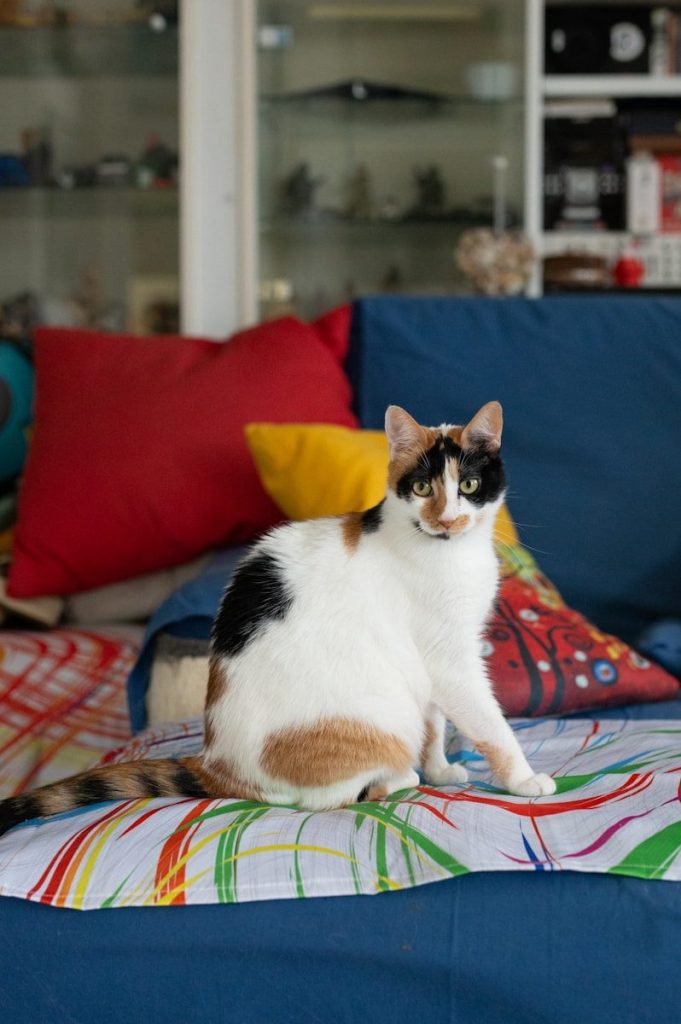
Felines study your physical movements to predict what you will do next. According to the ASPCA, cats prefer soft, slow movements over sudden loud noises or heavy steps. They feel more secure around humans who approach them calmly and give them space. Yet some daily habits can instantly ruin this trust.
The hidden stress of loud household voices

Yelling or speaking in sharp tones can spike a cat’s cortisol levels in seconds. Dr. Jessica Vogelsang notes that loud sounds trigger a feline survival defense and make them hide. Speaking softly helps them relax and feel safe inside your home. Fortunately, there is a simple vocal trick that builds deep trust.
Using consistent soft murmurs during petting
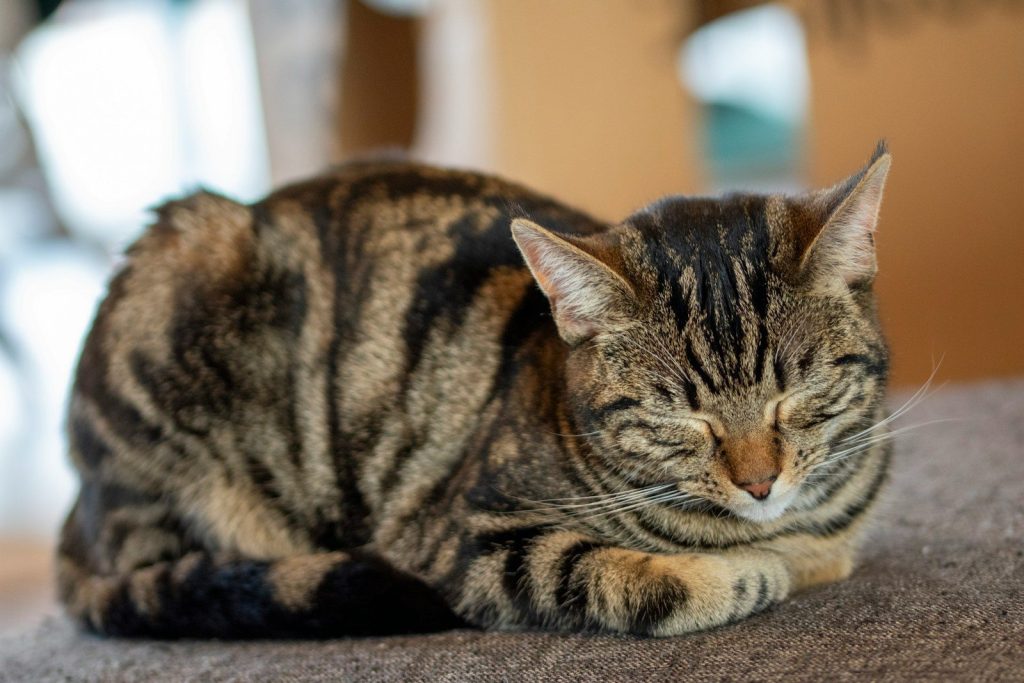
Whispering to your cat while offering head scratches mimics the comforting vibrations of purring. They associate these soft murmurs with safety, food, and peaceful resting times. This simple vocal habit strengthens your bond and reduces household separation anxiety. But how do you know if your pet is talking back?
Reading the subtle response of ear twitches
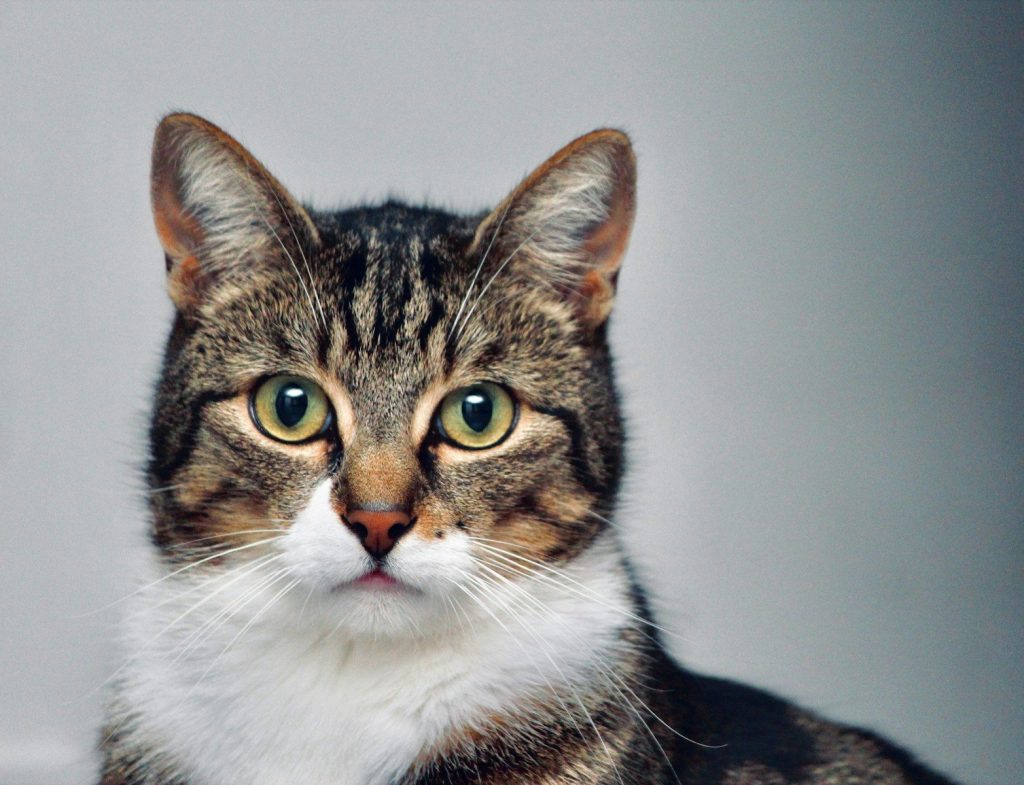
Ear movements can tell you if your cat is paying attention to your speech. Feline behaviorists note these tiny muscle movements show they are listening to you with absolute focus. They are participating in a quiet conversation even when they appear completely asleep. Still, maintaining their health requires a final daily step.
Creating a peaceful acoustic sanctuary daily
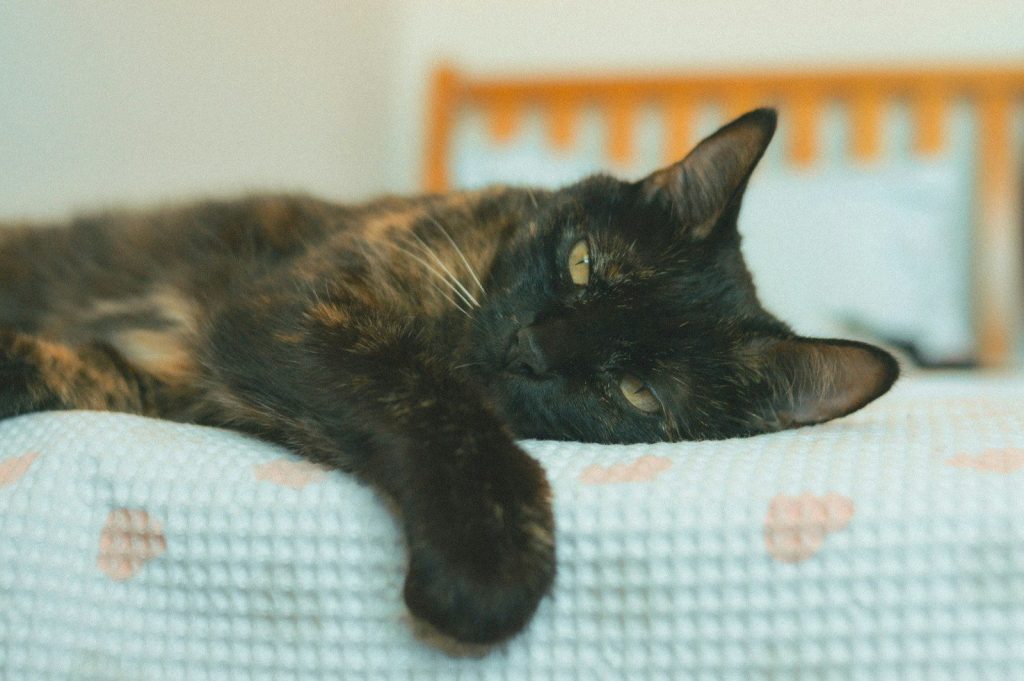
Keeping your home quiet and using calm speech ensures your pet lives a happy life. This article is for informational purposes only and does not constitute veterinary advice. Your patient’s daily adjustments help your domestic companion feel safe and loved every single day.
Featured Image: Photo by Robin Sharma on Unsplash