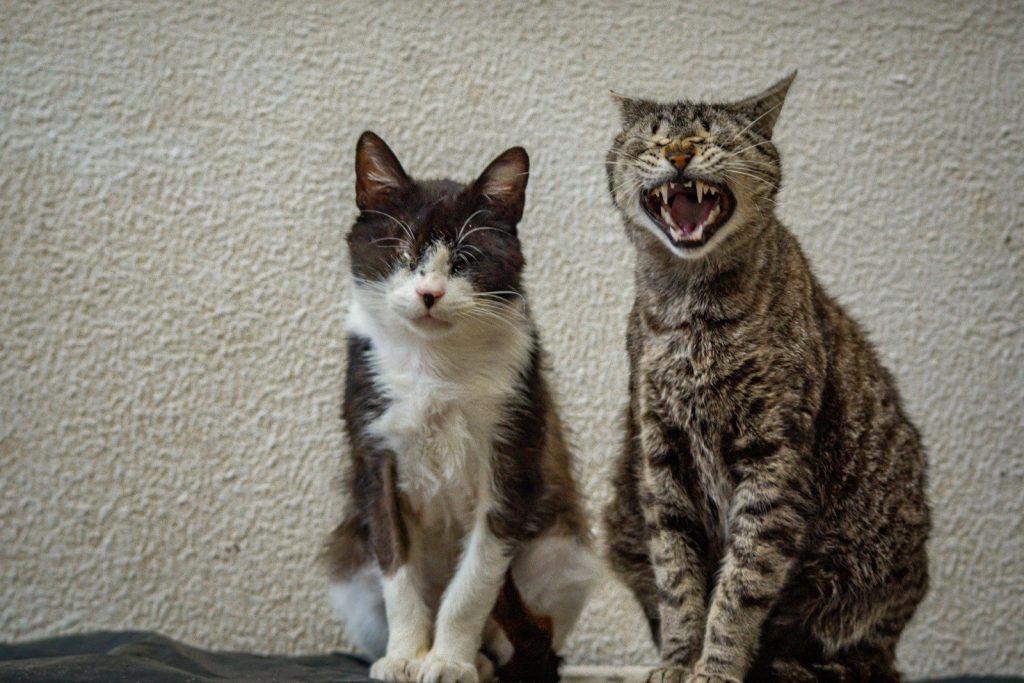

Some cats chatter from the moment you wake up, while others never make a sound. This vocal divide is not just a random personality quirk.
Evolutionary biologists have discovered that feline vocalizations are deeply tied to genetic history and domestication. The real reason goes far beyond simple chatter.
The ancient genetics behind the loud breeds
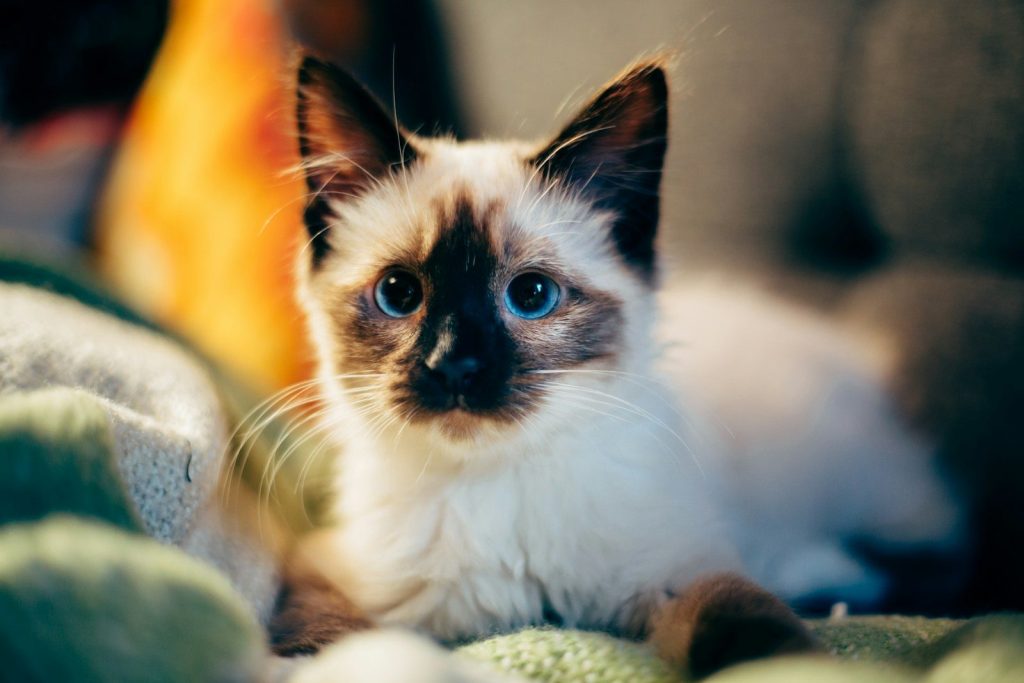
Certain breeds, like the Siamese, carry specific genetic traits that make them highly expressive. Their vocal pathways are wired to produce constant feedback for their human companions. According to the Cat Fanciers Association, these active breeds use different pitches to convey specific needs. They are actively trying to train their owners to respond quickly. But this chatter is highly unique to the domestic world.
Why wild felines almost never use meows
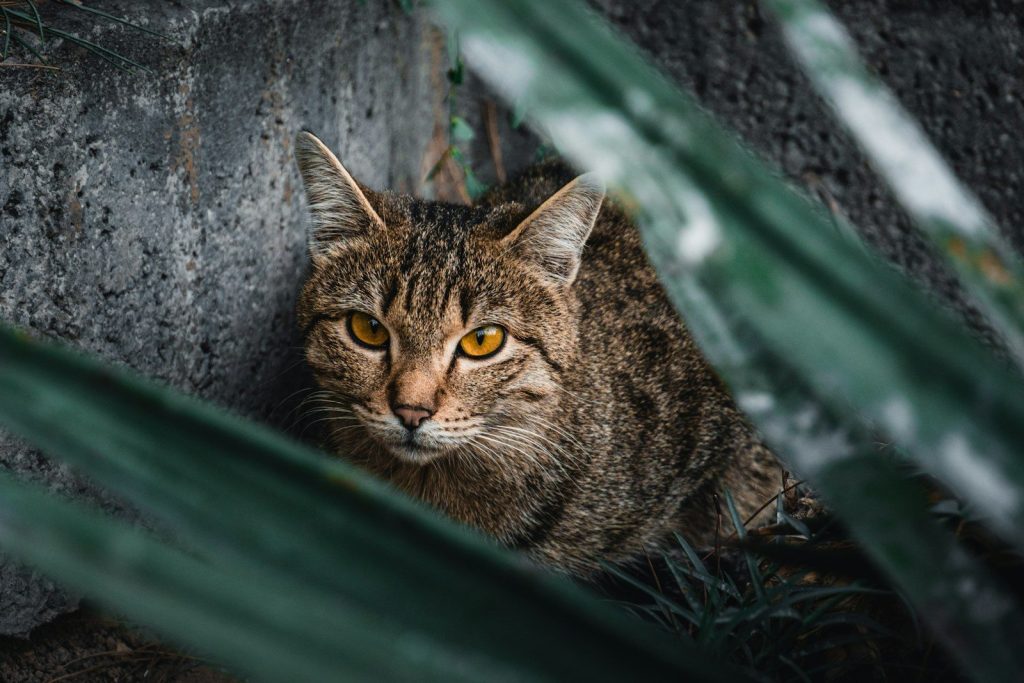
Adult cats in the wild live mostly solitary lives where silence is a critical survival tool. Making noise can alert large predators or scare away potential prey. They rely heavily on body language and scent marking to communicate with other animals. The meow is a custom sound developed solely to get human attention. However, some domestic breeds still carry a silent genetic blueprint.
The quiet breeds that prefer silent bonds
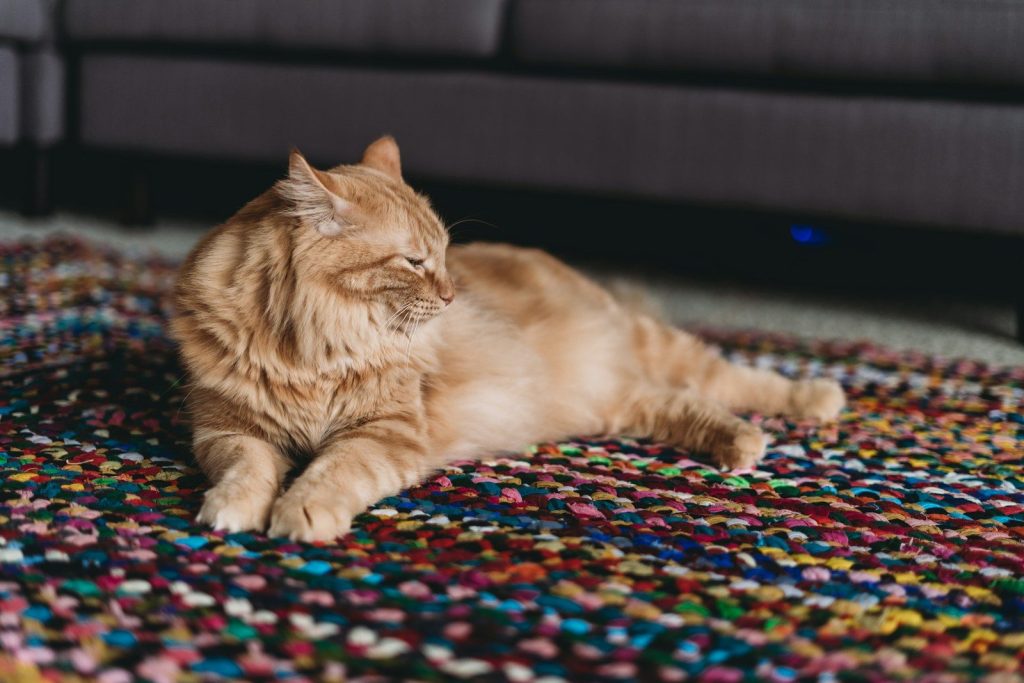
Breeds like the British Shorthair and Chartreux are known for their quiet nature. Their genetic lineage stems from working farm cats that prioritized stealth and patience over vocal communication. They prefer to show their affection through soft, slow blinks and gentle tail twitches. These subtle physical movements speak volumes to those who know how to read them. But vocal habits can also change with age.
hen a quiet cat suddenly starts talking
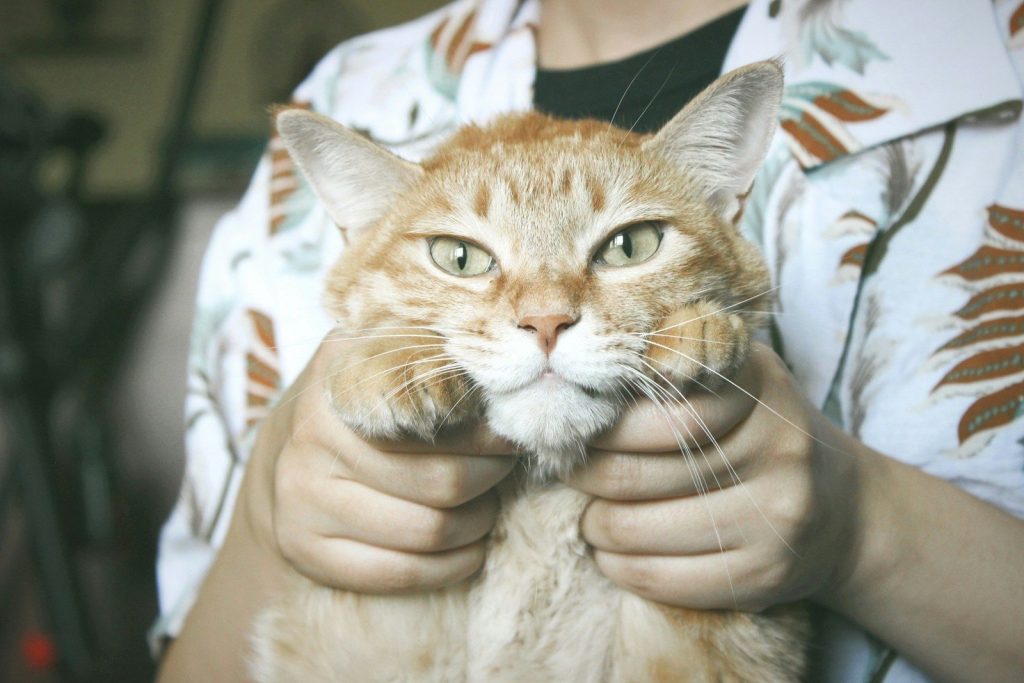
If a normally silent animal suddenly becomes highly vocal, it can signal a physical shift. Veterinary studies show that older cats sometimes meow loudly due to cognitive decline or thyroid issues. This article is for informational purposes only and does not constitute veterinary advice. Always monitor sudden changes in your pet’s vocal patterns closely. But there is another common reason for nighttime crying.
How human responses shape their voice
Cats are masters of associative learning and quickly figure out what sounds get results. If you talk back to your pet or offer treats when they meow, you are reinforcing the behavior. They will continue to use those specific tones to manipulate your actions daily. This shared vocal loop creates a custom language unique to your household. Yet some owners worry their quiet cat is unhappy.
Reading the silent signs of pure joy
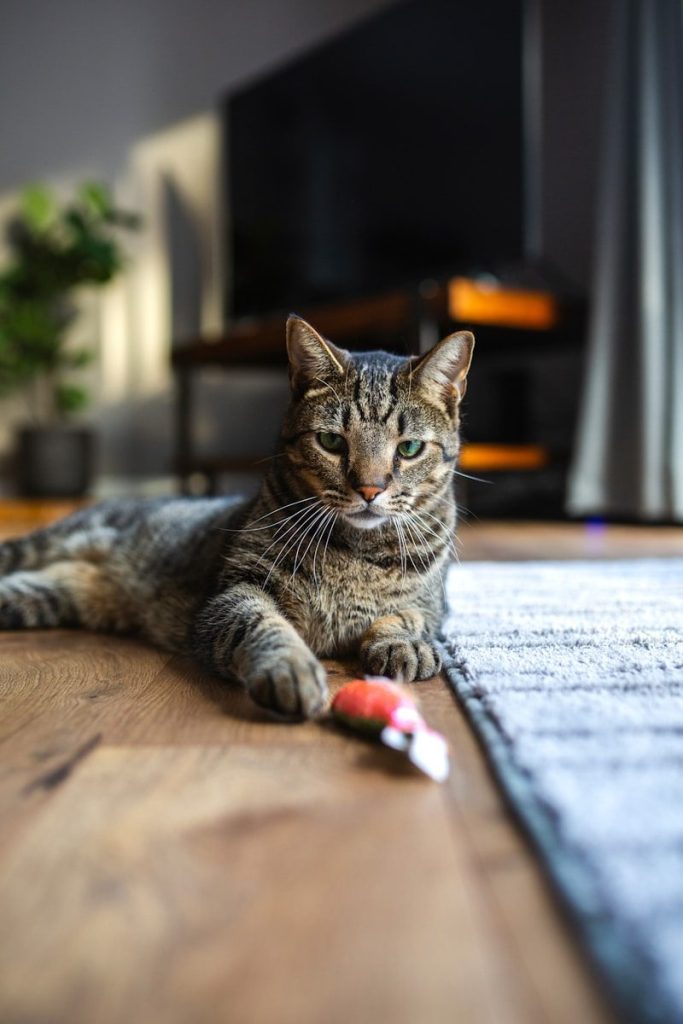
A quiet companion is often a deeply relaxed animal that feels completely safe. They do not feel the need to beg or complain because all their needs are met. They show their deep trust by sleeping belly up in the middle of the room. This peaceful posture is the ultimate sign of a secure and happy pet. But you must also watch their ear movements carefully.
Whisker positions that speak without sound
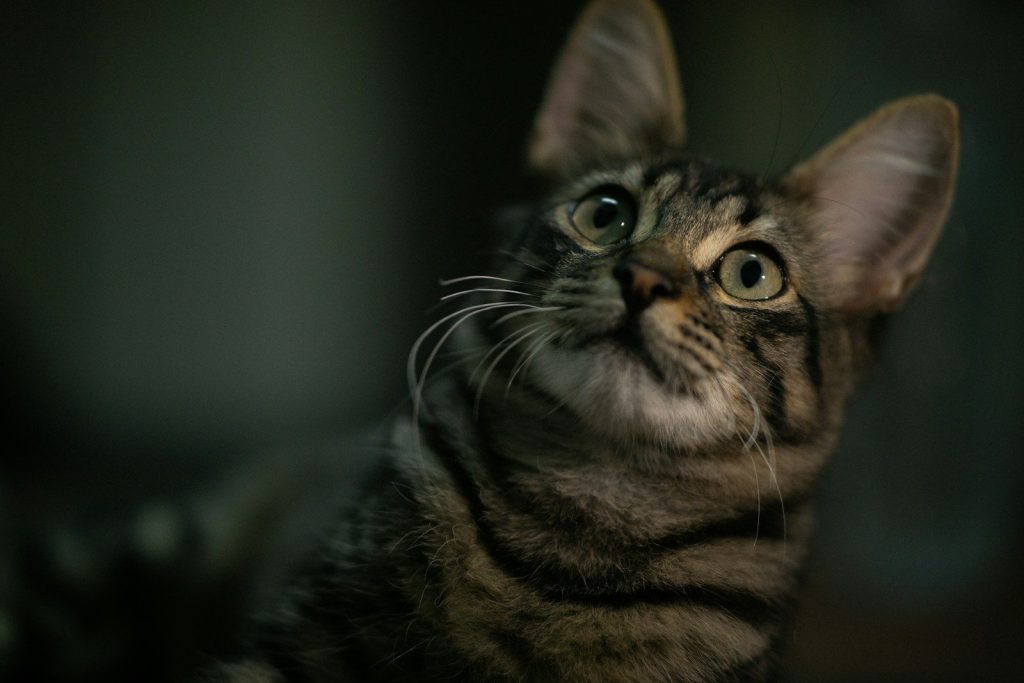
Forward-facing whiskers signal intense curiosity and a happy, relaxed state of mind. Flat whiskers warn you that your pet needs some quiet personal space immediately. Understanding these quiet physical signals helps you connect with your companion on a much deeper level. This nonverbal bond is often the strongest connection you can share. But how can you encourage a quiet cat to communicate?
Creating a peaceful channel of mutual trust
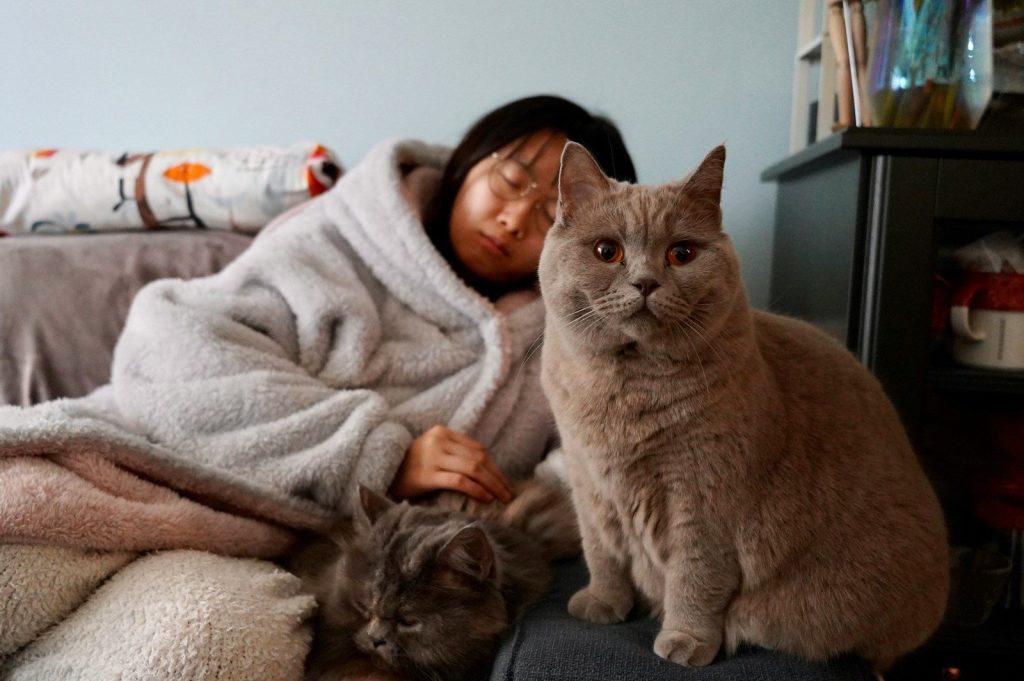
Speaking softly to your pet during calm moments encourages them to respond with gentle head rubs. They appreciate the quiet attention and will use their body language to show appreciation. Your consistent care and respect for their boundaries build a beautiful lifelong friendship. Embrace your companion’s unique voice, whether they are a loud chatterbox or a quiet observer.
Featured Image: Photo by Diogo Cardoso on Unsplash