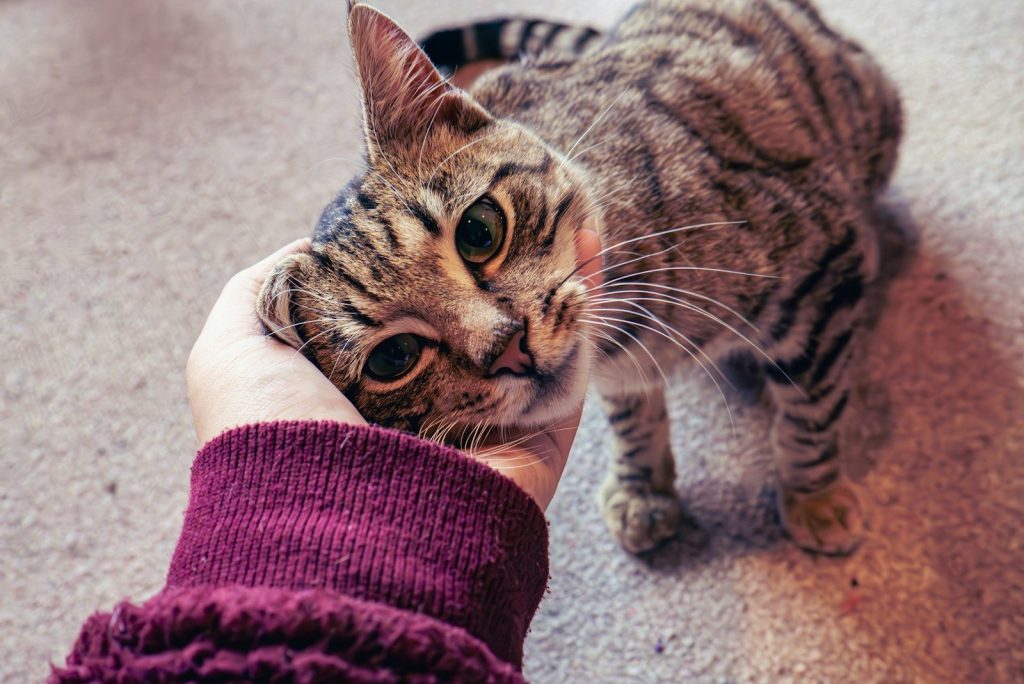

You are petting your relaxed cat, listening to her beautiful purr. Suddenly, she turns around and delivers a sharp nip to your fingers.
This abrupt shift from love to aggression leaves many owners feeling hurt and confused. Feline experts reveal this reaction is actually a very clear warning sign.
The hidden truth of petting-induced overstimulation
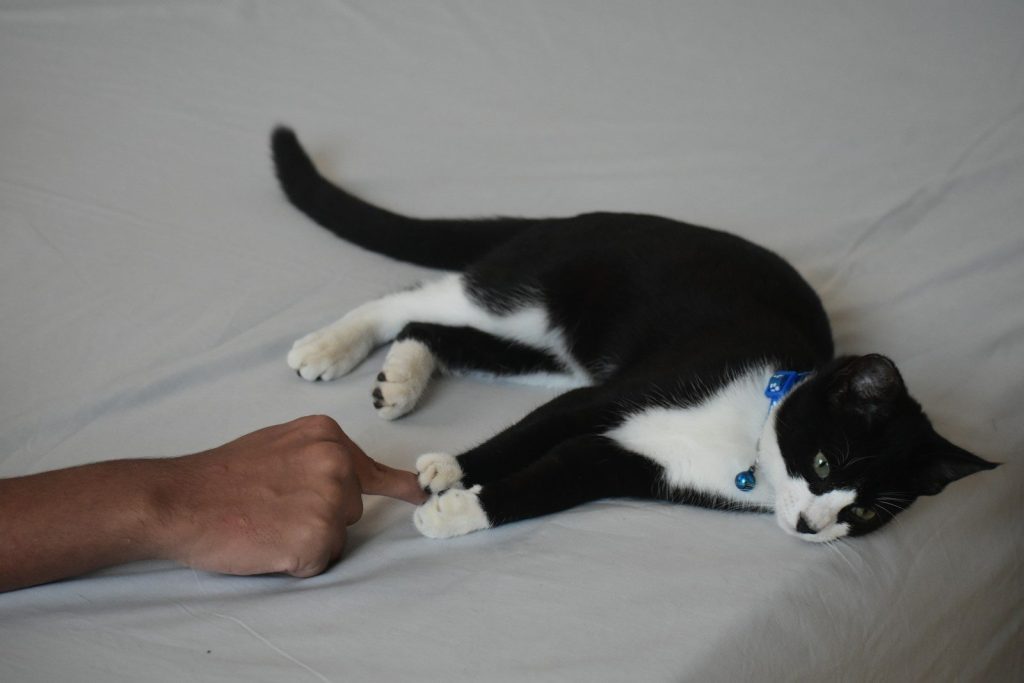
Felines possess highly sensitive nerve endings located all over their bodies. Repeatedly stroking the same spot can cause sensory overload, turning a pleasant massage into physical discomfort. Dr. Karen Becker, speaking to PetMD, states that this overstimulation triggers an automatic defensive bite. Your cat is not trying to hurt you; she is simply saying stop. But how do you spot the warning signs before the bite?
Reading the subtle signs of a twitching tail
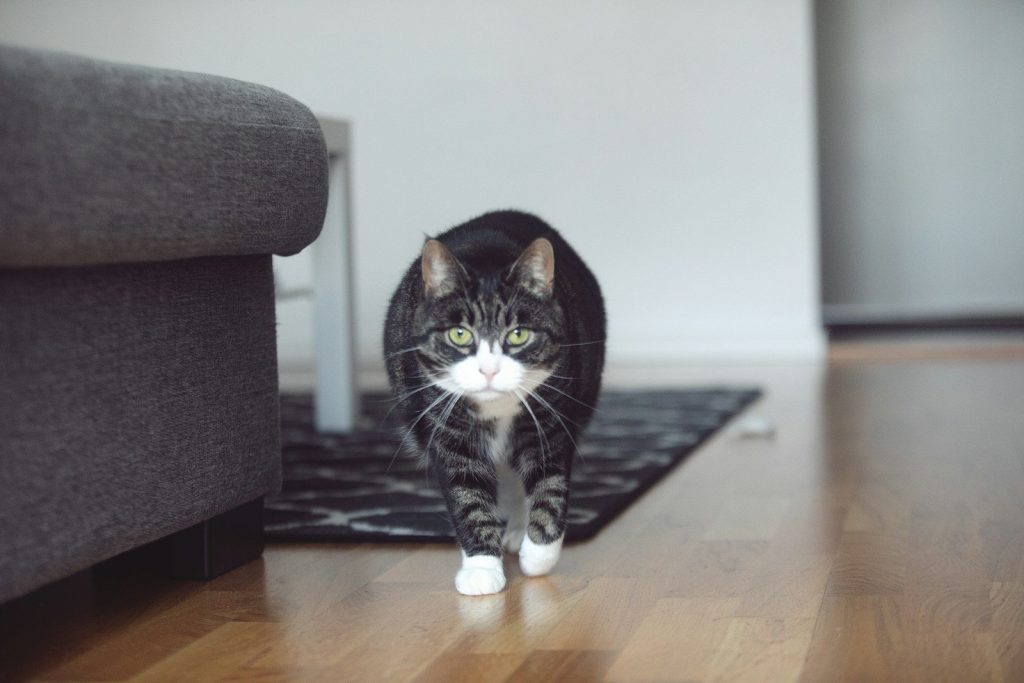
Cats always communicate their changing comfort levels long before they use their teeth. A gently twitching tail tip or a sudden ripple along their back skin warns you of rising frustration. If you notice these shifts, immediately remove your hand to let them decompress. Ignoring these quiet cues guarantees a negative reaction. Fortunately, you can easily train your pet to enjoy cuddles.
Focusing on the safest petting sweet spots
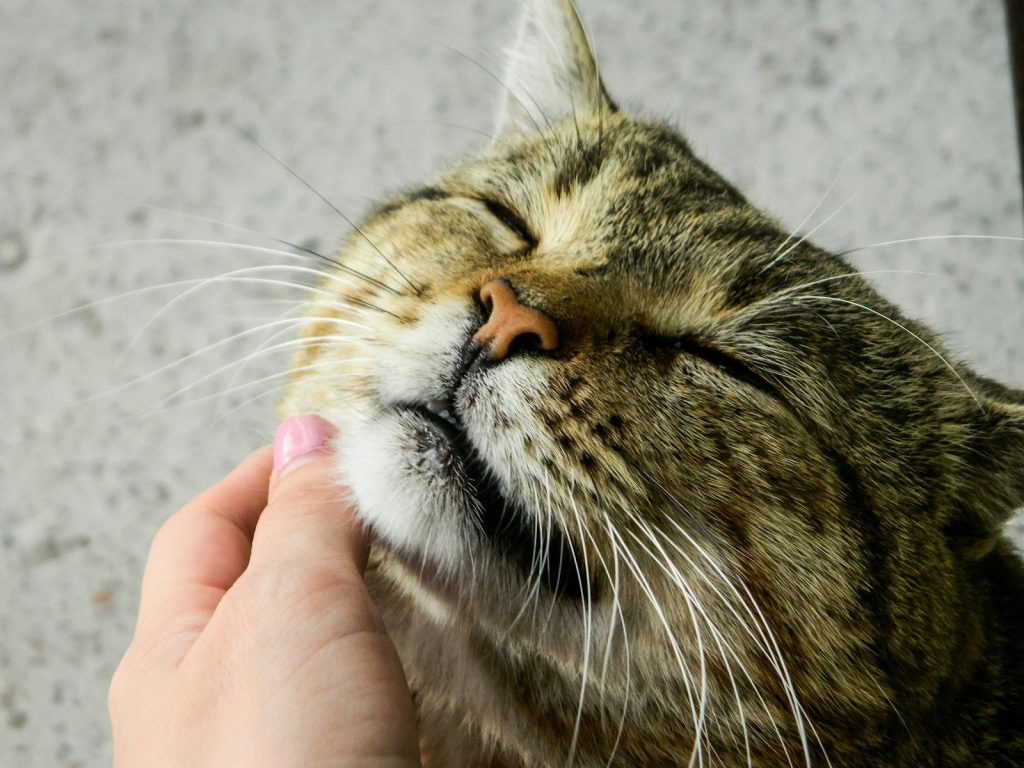
Felines prefer physical touch on the scent glands around their face. Soft strokes along their cheeks, chin, and behind their ears release calming pheromones that make them feel secure. According to the American Veterinary Medical Association, avoiding the belly and base of the tail reduces aggressive responses. But some owners accidentally encourage bad habits during playtime.
Ditching the habit of using bare hands
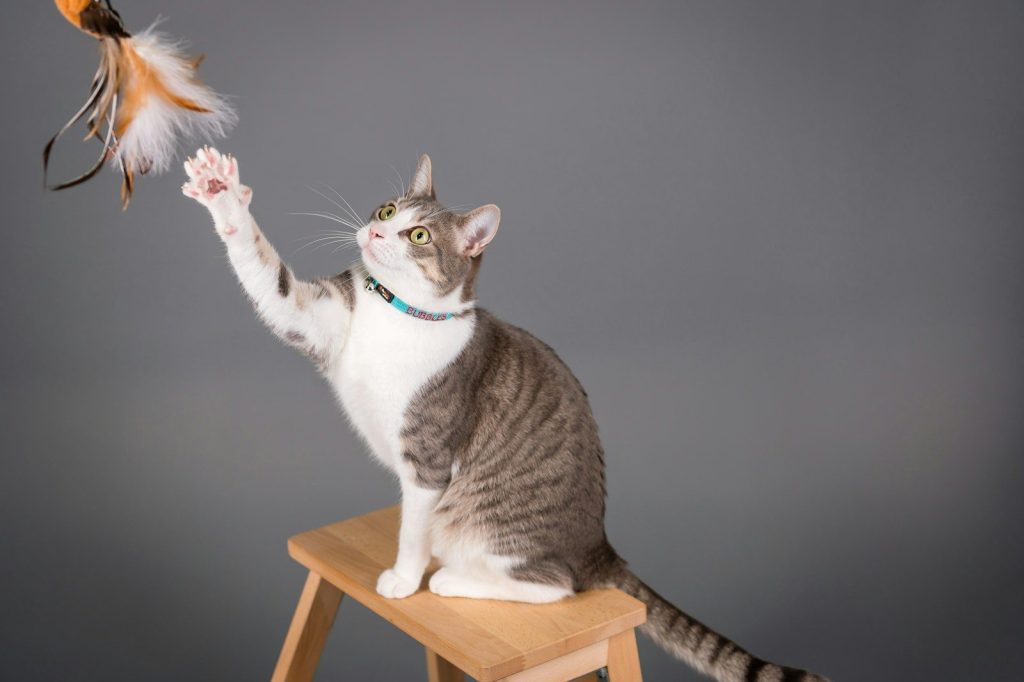
Never use your fingers or hands as moving toys during active play. This teaches your kitten that human skin is an acceptable target for biting and scratching. Use feather wands and plush kickers to keep a safe distance between your hands and their hunting instincts. This simple boundary keeps everyone safe. Yet stress in the home can also trigger sudden bites.
Managing the effects of environmental anxiety
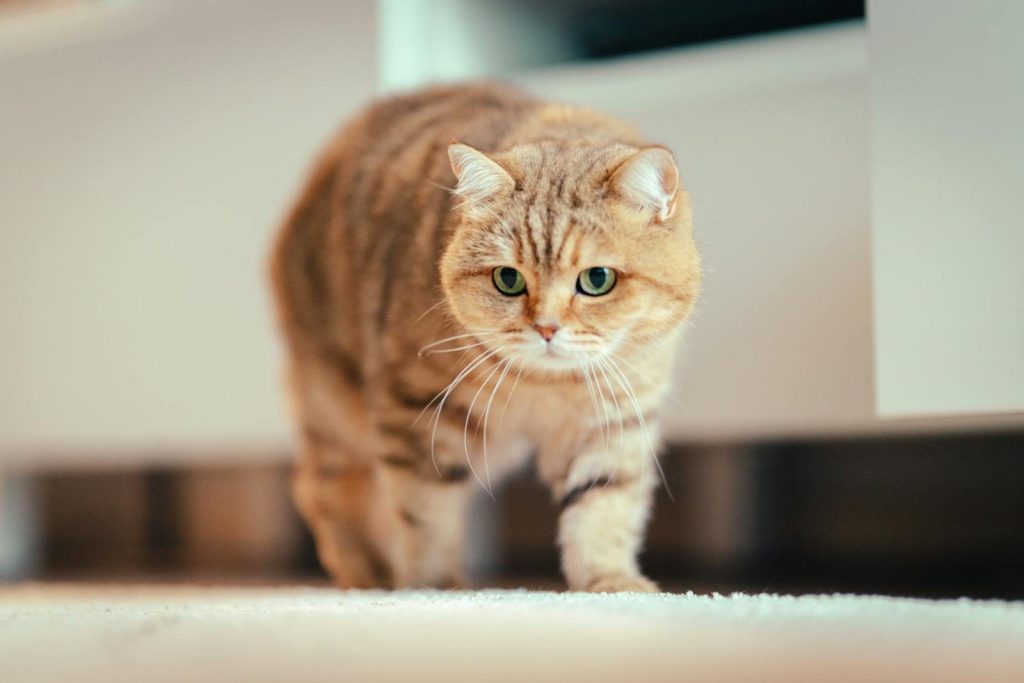
Sudden household changes, like a new roommate or loud construction, can leave your pet on edge. This chronic stress lowers their tolerance for physical touch, making them bite much quicker than normal. The ASPCA suggests creating quiet escape zones where your cat can rest undisturbed. Once their anxiety drops, their affectionate nature will return. But what if the biting is a medical issue?
How physical pain lowers their touch tolerance
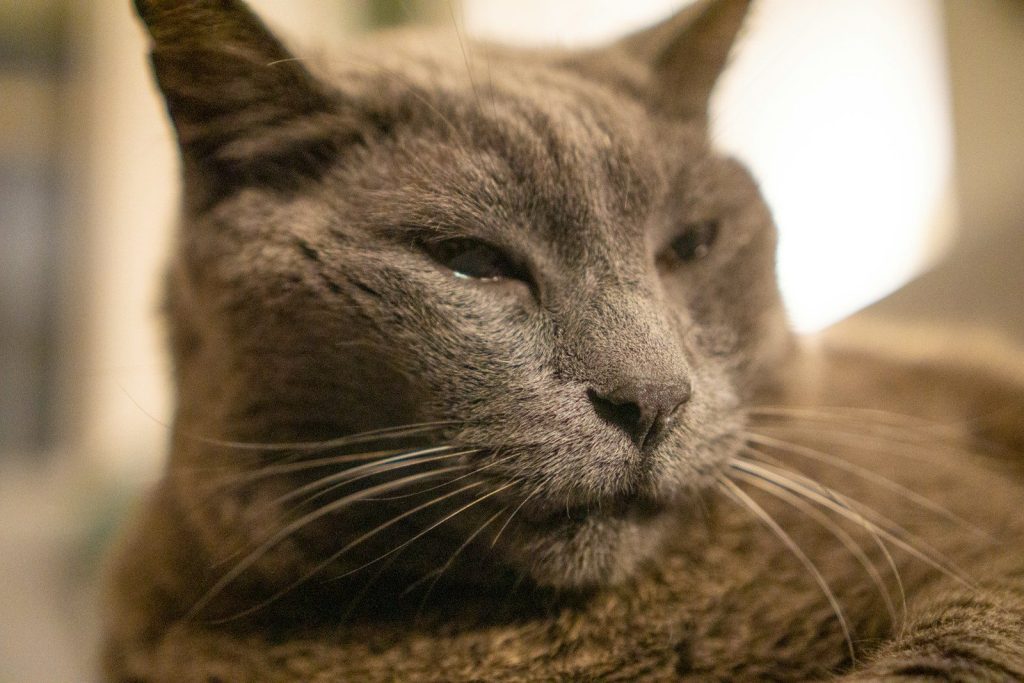
Hidden health issues like arthritis or dental decay can make touch highly painful. A senior cat who suddenly objects to being petted often needs a complete veterinary evaluation. Veterinarians can identify silent pain sources and offer soothing treatment plans to restore their comfort. You must always rule out medical issues before starting behavioral training.
Building a beautiful bond of mutual respect
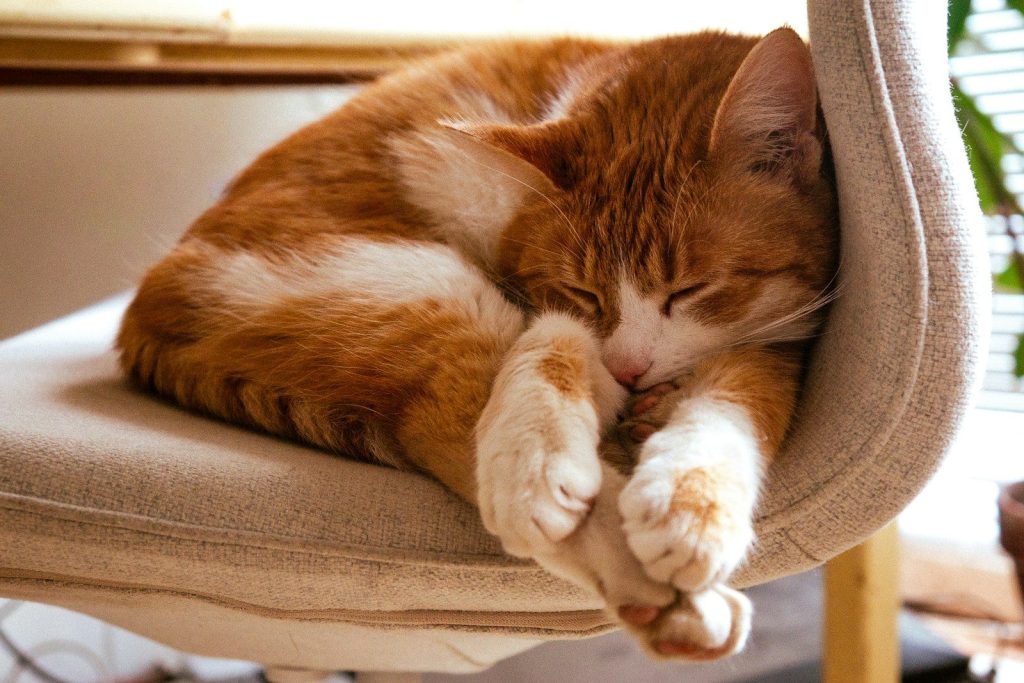
Respecting your cat’s physical boundaries teaches them that they are completely safe in your arms. This article is for informational purposes only and does not constitute veterinary advice. Keep regular checkups with your veterinarian to monitor your pet’s behavioral changes. Your patience and understanding will help your sweet cat feel loved and secure every day.