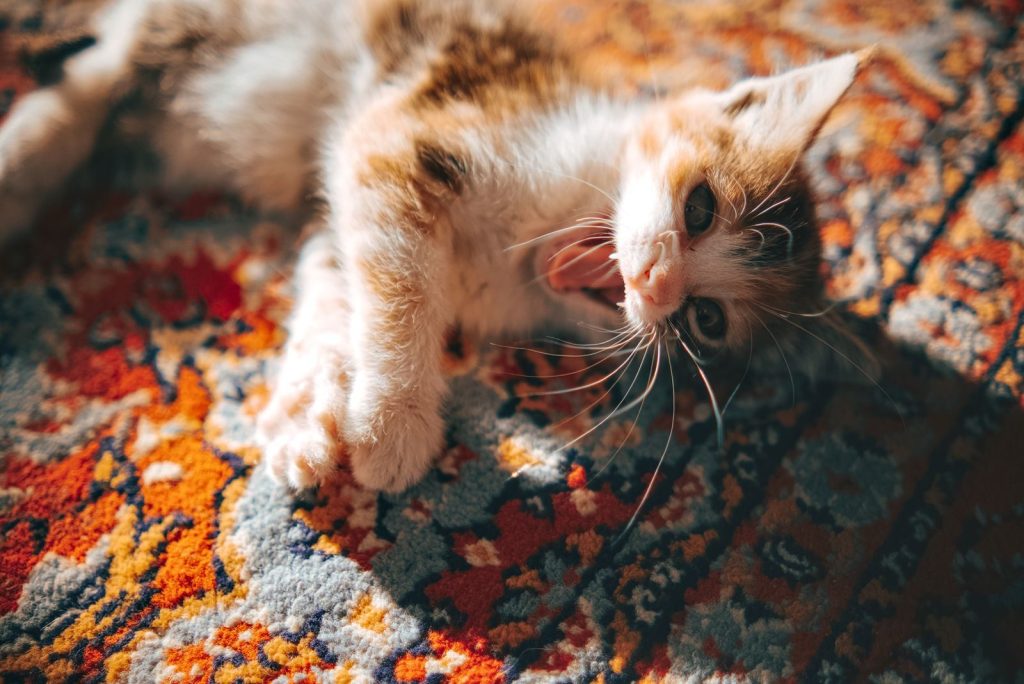

You watch a tiny kitten bounce sideways with an arched back. This clumsy, hilarious dance makes millions of people smile on social media every day.
While these silly antics look like pure comedy, they serve a vital biological purpose. Science reveals that every funny leap is a key step in their survival training.
Why do kittens run sideways when startled
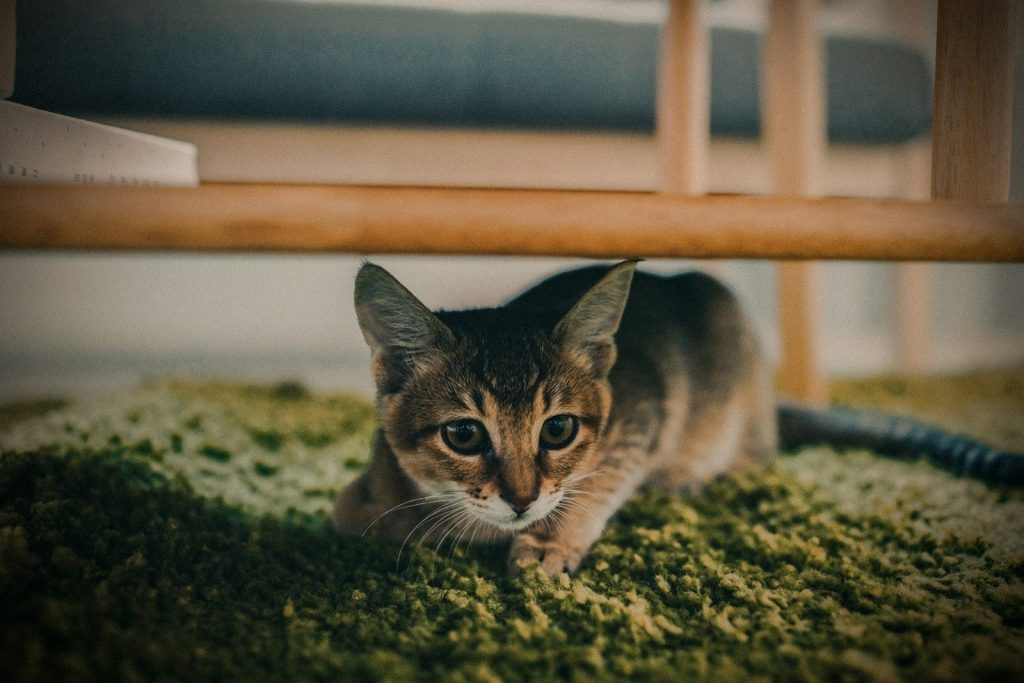
The famous sideways hop is a natural defense tactic called the crab walk. Kittens puff their fur and move laterally to appear much larger to potential predators. Feline behaviorists at the Cornell Feline Health Center explain that this reflex develops during early socialization weeks. It helps them practice escaping threats in a safe environment. But their funny antics get much weirder.
The mysterious zoomies in the middle of the night
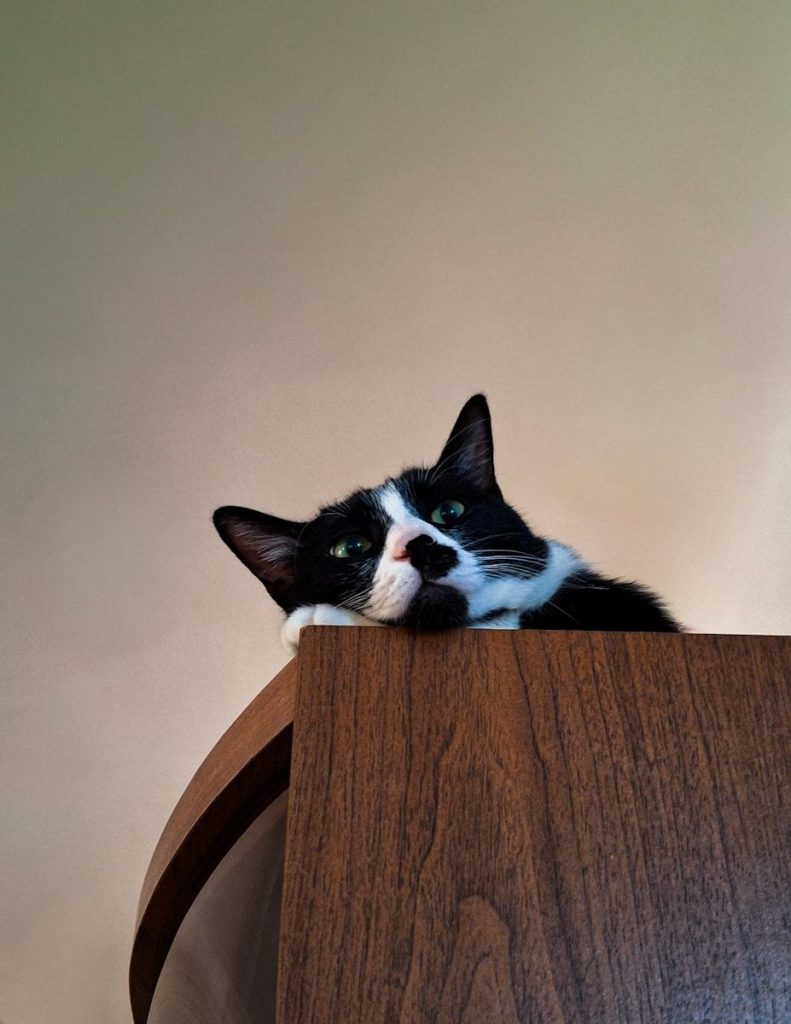
Your pet suddenly sprints across the room at three in the morning. This burst of chaotic energy is actually a result of their natural crepuscular sleep schedule. Out in the wild, felines hunt during dawn and dusk when prey is most active. Safe indoor cats still feel this biological wake-up call. Yet their play style can sometimes look surprisingly aggressive.
The science of the funny butt wiggle
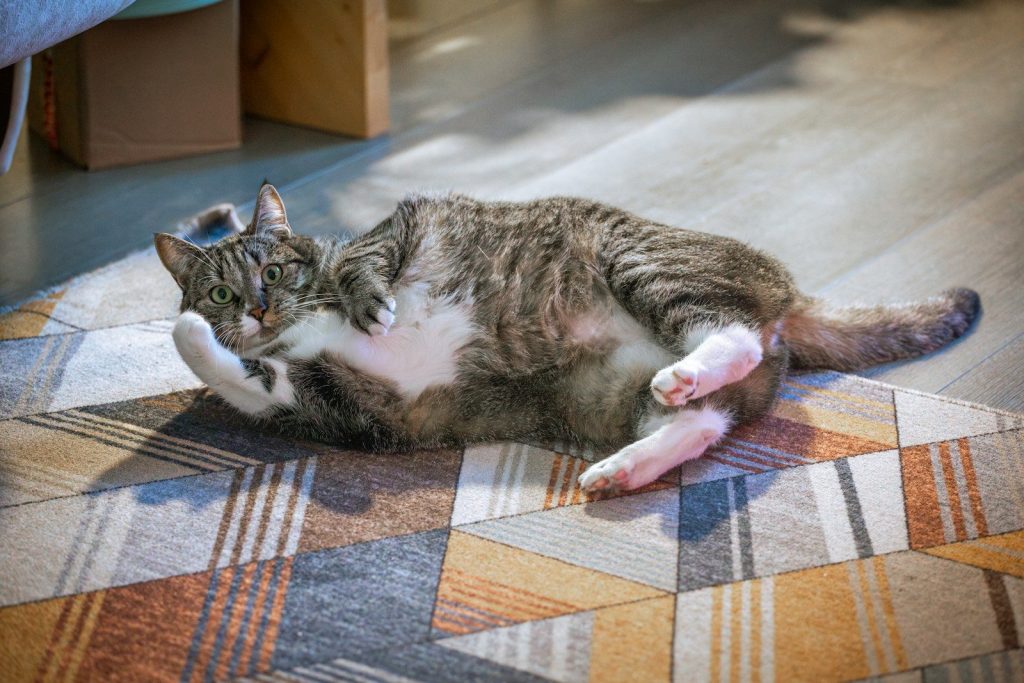
Watch a young predator prepare to pounce on a plush toy mouse. They wiggle their hindquarters to press their back paws firmly into the carpet. According to a study in the Journal of Veterinary Behavior, this movement tests their traction before a leap. It ensures they do not slip during a high-speed strike. But a kitten’s tail holds its own funny secrets.
Deciphering the classic puffed-up bottle brush tail.
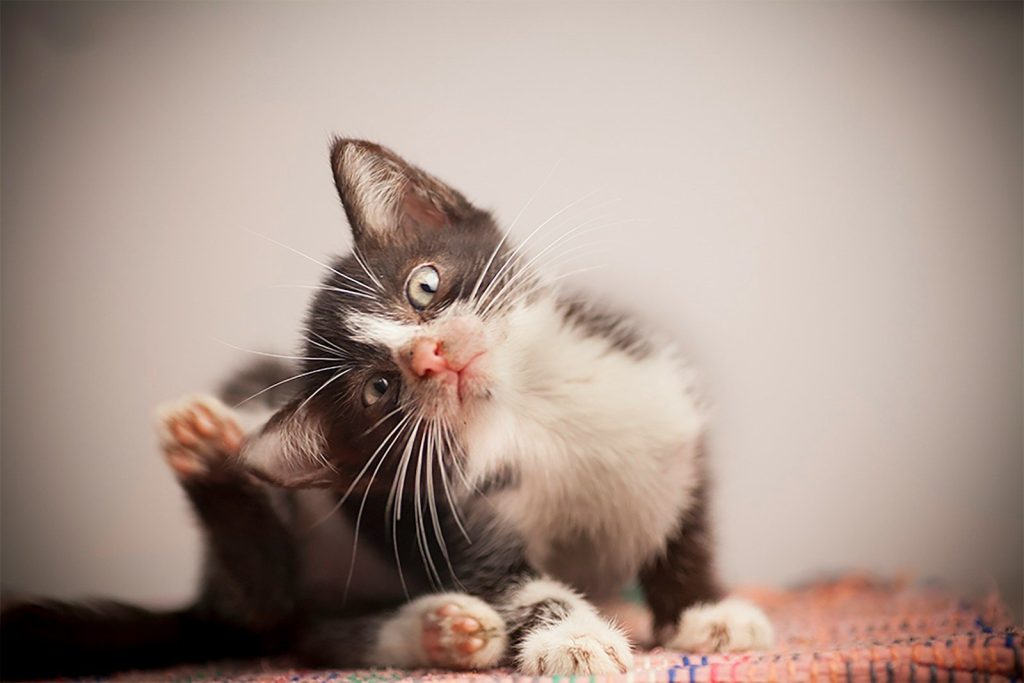
A sudden shadow can turn a sleek tail into a thick, fluffy brush. Kittens send extra blood and muscle tension to their tail hair follicles when surprised. This involuntary reaction is designed to intimidate larger animals in the wild. It looks adorable to us, but to them, it is a serious defense. However, play fighting serves an even bigger purpose.
Why do they love kicking toys with their back legs?
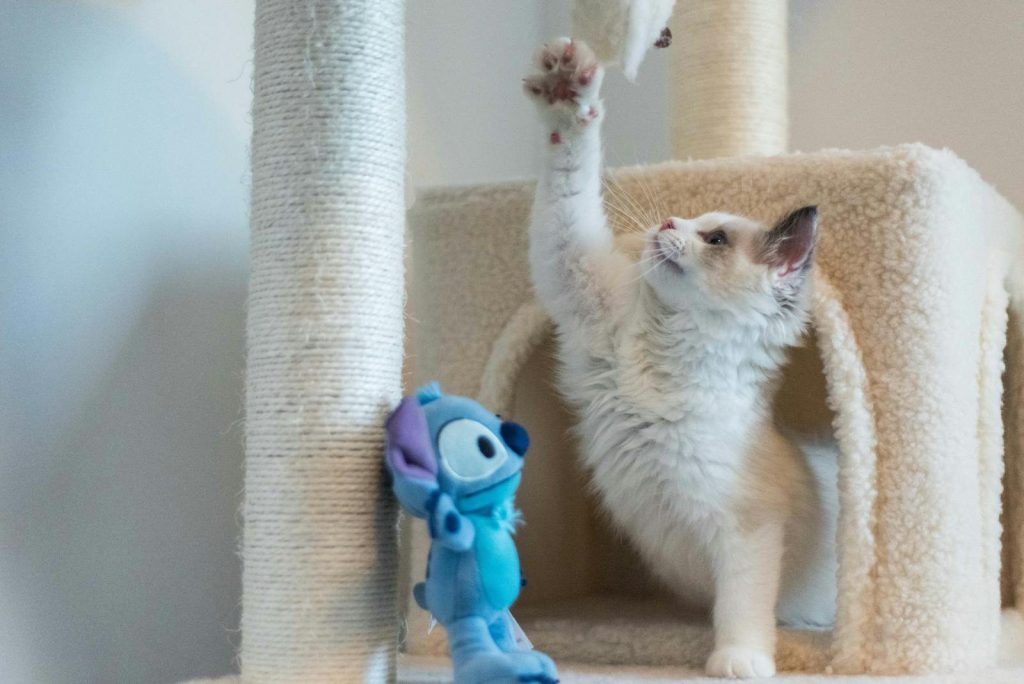
Kittens often grab a toy with their front paws and kick with their rear legs. This movement is a natural hunting instinct called rabbit kicking, used to disable large prey. The ASPCA notes that providing long kicker toys satisfies this behavior safely without ruining your furniture. If they do not get this outlet, they might try a dangerous stunt next.
The physical comedy of missing a jump
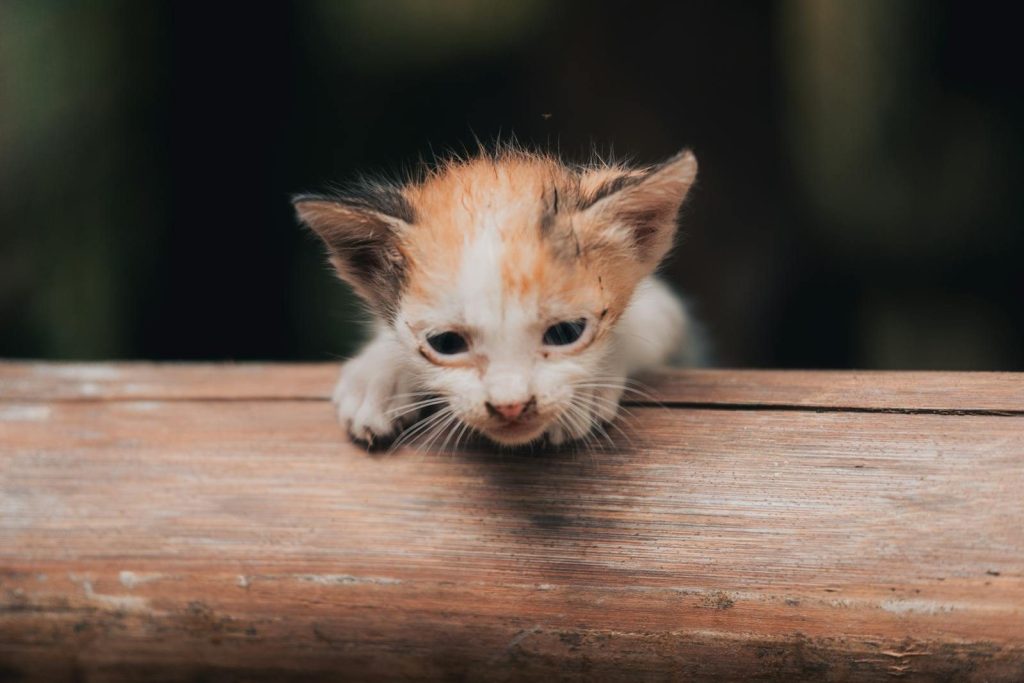
We often laugh when a kitten misjudges a leap and slips off a table. These clumsy moments are vital for developing their depth perception and muscle memory. Their brains are processing complex physics calculations to refine their hunting jumps. Each failure makes them more athletic as they grow. But you can easily make their playtime much safer.
Creating a rich environment for goofy behavior
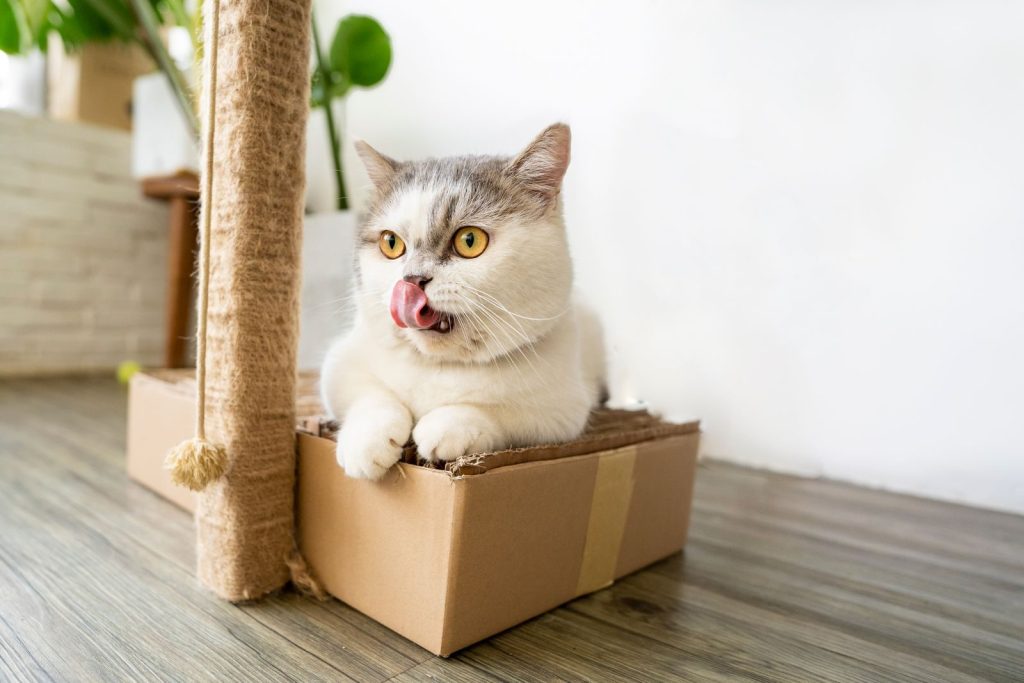
Scratching posts and cardboard boxes encourage your kitten to explore their physical boundaries. Active play prevents chronic stress and keeps their hearts healthy as they mature. According to the American Veterinary Medical Association, daily interactive play sessions reduce destructive adult behaviors. But what should you do if your kitten refuses to play at all?
When to consult your family veterinarian
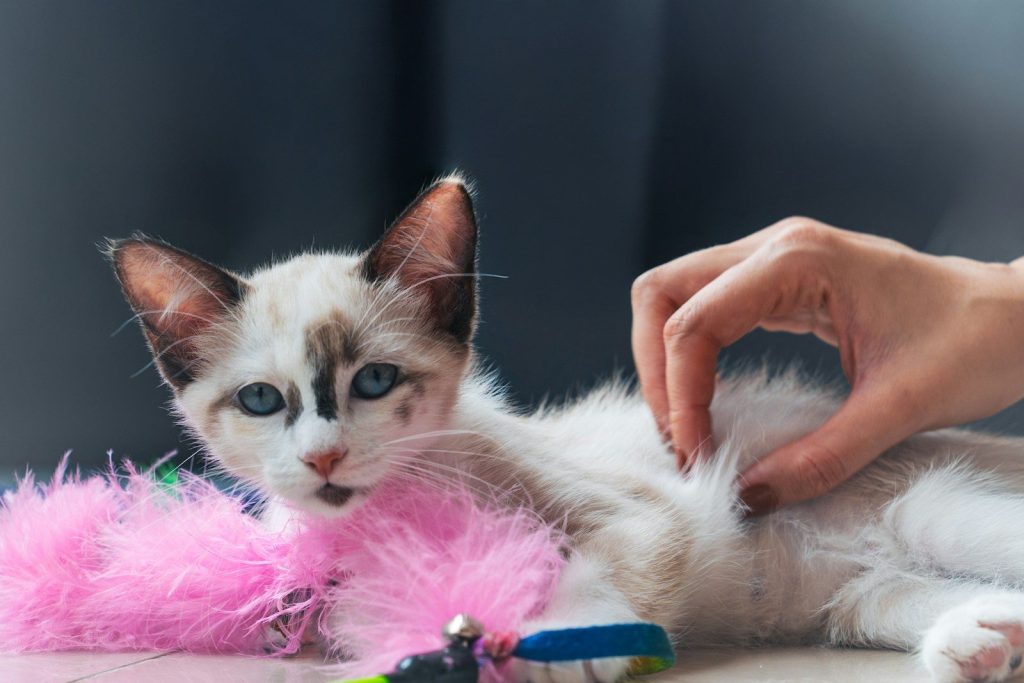
A sudden drop in playfulness can sometimes point to hidden physical pain or developmental issues. Keep scheduled wellness checks to monitor their growth and health milestones. This article is for informational purposes only and does not constitute medical advice. Watching your kitten grow up healthy is the ultimate reward of pet ownership.
Featured Image: Photo by Abdullah Öğük on Pexels