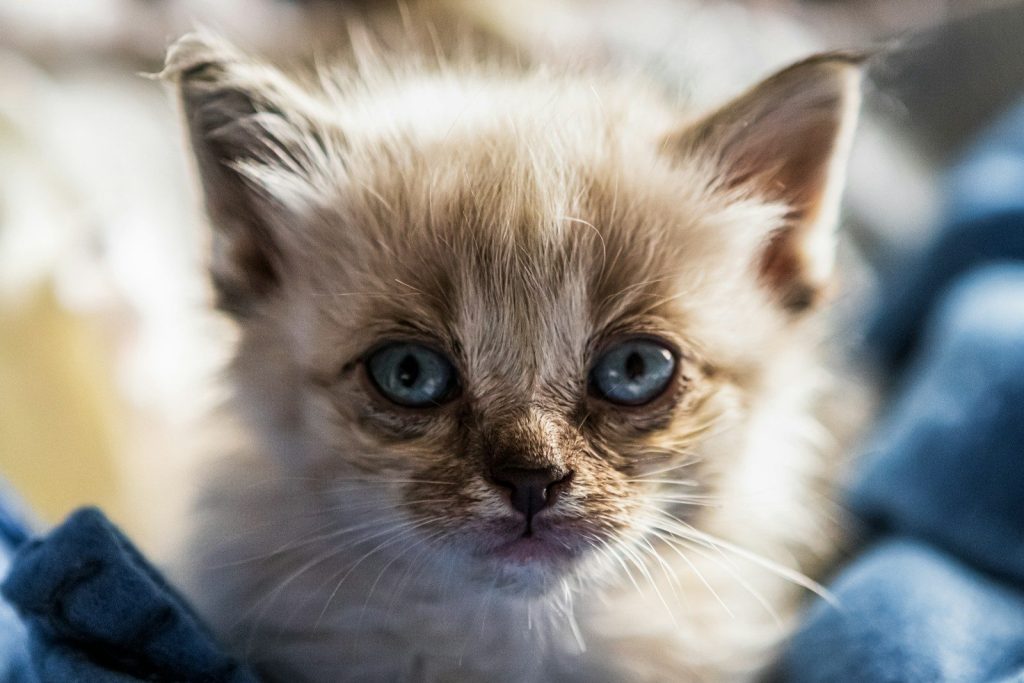

You look at a litter of newborn kittens and notice they all have piercing blue eyes. It looks like a rare genetic miracle.
But feline developmental science reveals a surprising secret behind this beautiful look. Learn what actually happens to their eyes as they grow and mature over their first weeks.
The developmental magic of newborn eyes
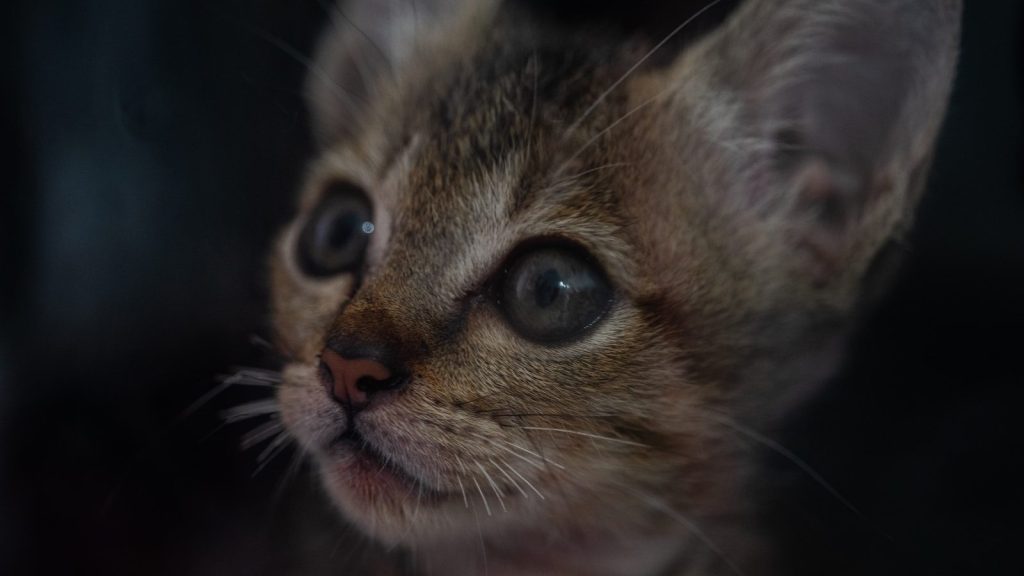
Every single kitten is born with closed eyes to protect their fragile, developing retina from bright light. When they finally open their eyelids around ten days of age, their eyes appear deep blue. According to research from the Cornell Feline Health Center, this color is caused by a temporary lack of active pigment. But this sweet baby look is destined to change.
How melanin changes its final color
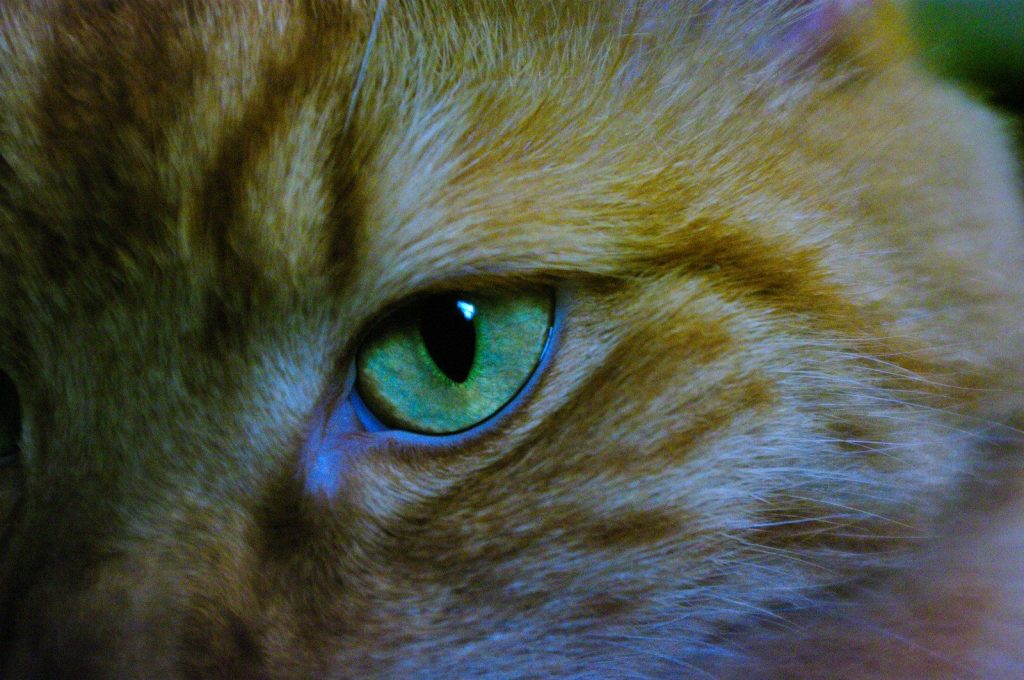
As kittens grow, specialized cells in their eyes begin to produce a natural pigment called melanin. This slow chemical process gradually shifts their eye color to green, yellow, or rich amber. Feline geneticists note this transition normally starts around six weeks of age and finishes by week twelve. Yet some specific breeds keep their blue eyes forever.
The genetic wonders of pointed breeds

Breeds like the Siamese and Ragdoll carry a unique gene that restricts melanin production in their eyes and coats. This genetic styling keeps their eyes a striking icy blue throughout their entire adult lives. The Cat Fanciers Association notes that these cats are highly prized for their beautiful physical traits. However, white cats with blue eyes carry a hidden risk.
The surprising link to feline deafness
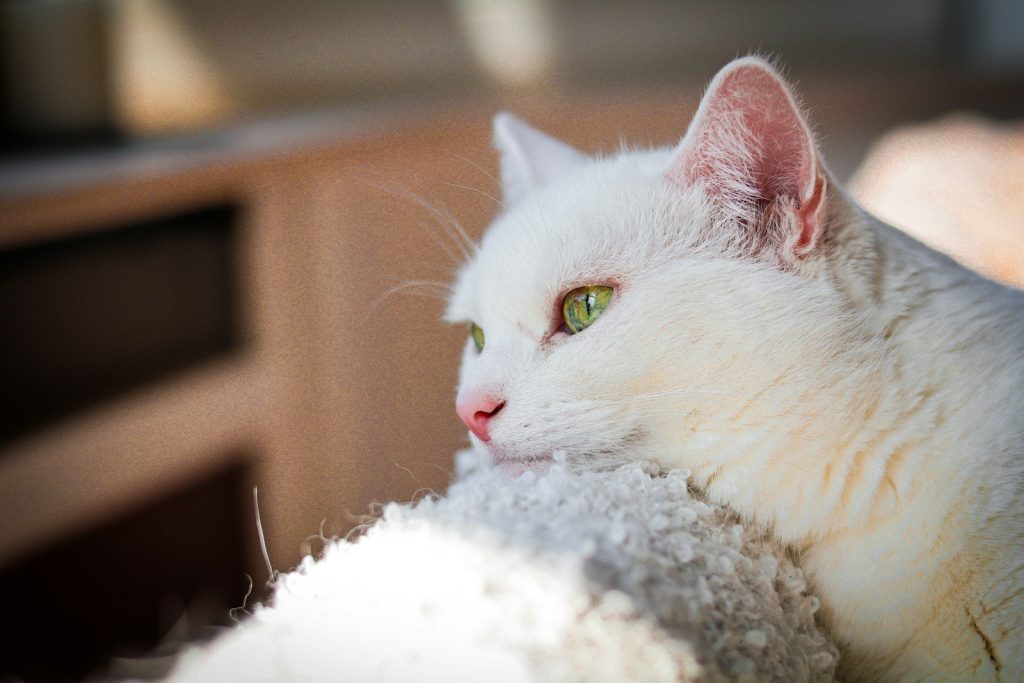
A specific gene that creates pure white fur and blue eyes can also affect the inner ear structure. According to veterinary study findings, white cats with blue eyes have a high rate of hereditary deafness. Dr. Jessica Vogelsang warns that owners must take extra precautions to keep deaf felines safe from outdoor hazards. Fortunately, testing their hearing is easy.
Watching for simple household sound cues
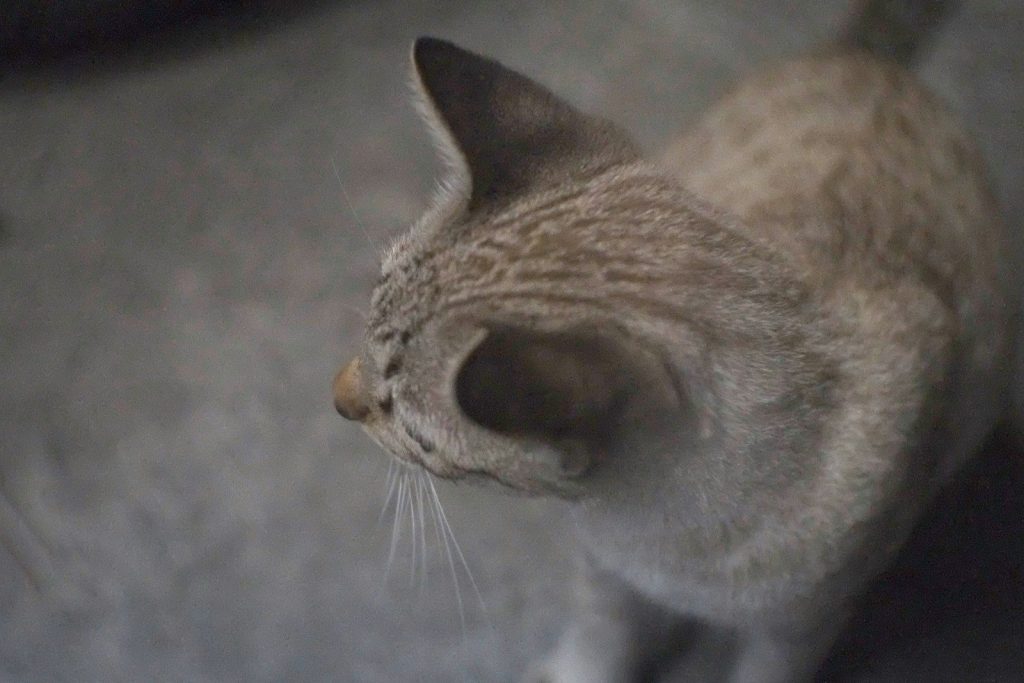
You can test your pet’s hearing by making a quiet sound behind their back when they are awake. A hearing cat will instantly twitch their ears or turn their head toward the sound source. If they do not respond, a veterinary checkup can help you understand their specific needs. But a deaf cat can still live a completely happy life.
Creating a safe non-verbal language

Deaf felines adapt quickly by using their sharp vision and sensitivity to floor vibrations to communicate. You can use gentle hand signals and a small flashlight to get their attention safely without scaring them. This consistent training builds a deep trusting relationship between you and your pet. Still, protecting their eyes from damage is vital for all cats.
The importance of regular veterinary screening
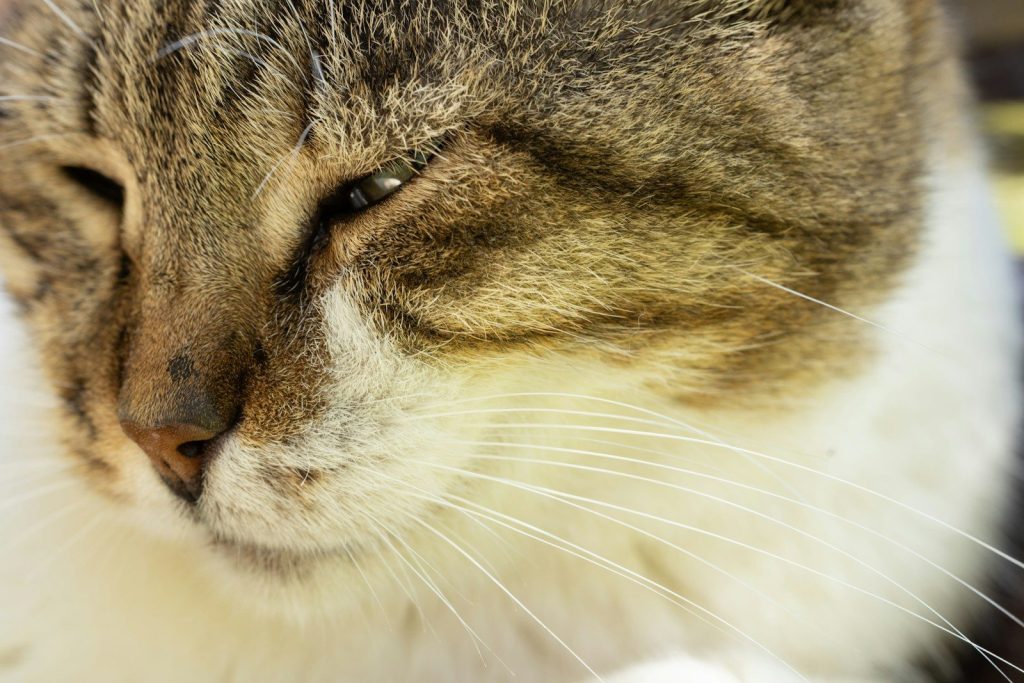
Watch for sudden cloudiness, watering, or redness in your pet’s eyes during your daily grooming sessions. According to the American Veterinary Medical Association, early detection of eye issues prevents painful infections and vision loss. Regular clinical exams keep their eyes bright and healthy for years. Fortunately, maintaining their health is simple.
Building a lifetime of happy trust

Providing a clean daily routine with proper nutrition keeps their immune system strong. When you listen to these subtle biological needs, you build a beautiful bond that lasts a lifetime. This article is for informational purposes only and does not constitute veterinary advice. Your patient’s daily care helps your beloved companion live a long, happy life.
Featured Image: Photo by Lucas Santos on Unsplash