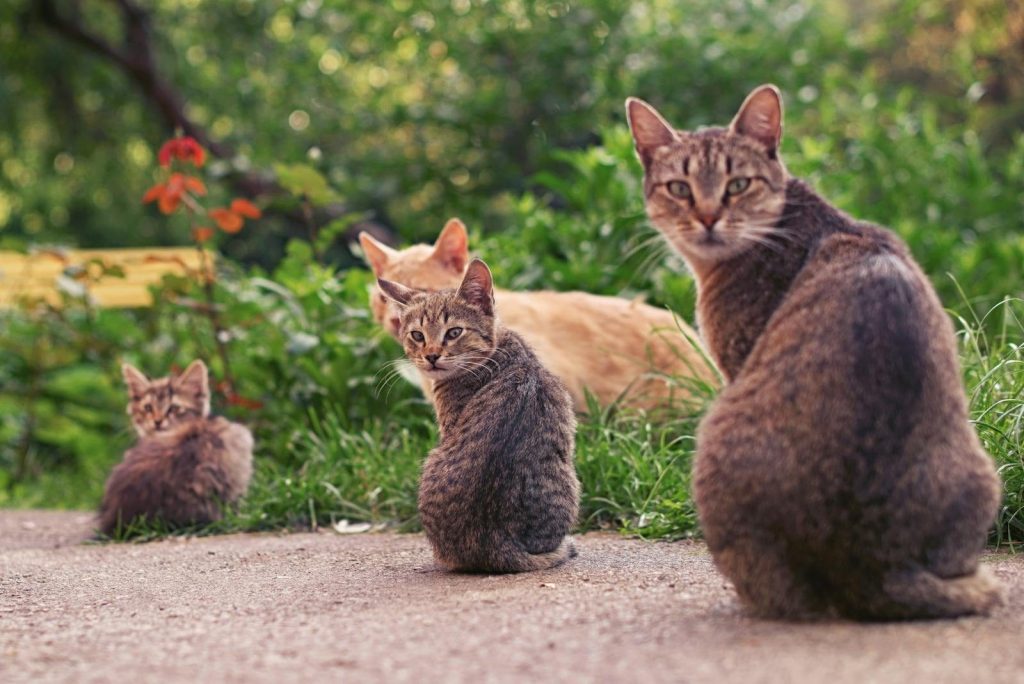

You look out your window and notice several neighborhood cats sitting silently together in a perfect circle. It looks like a highly suspicious secret meeting.
This bizarre grouping behavior can leave human observers feeling deeply confused. But feline social science reveals that these silent gatherings are driven by complex communication networks.
The silent meetings of local neighborhood felines
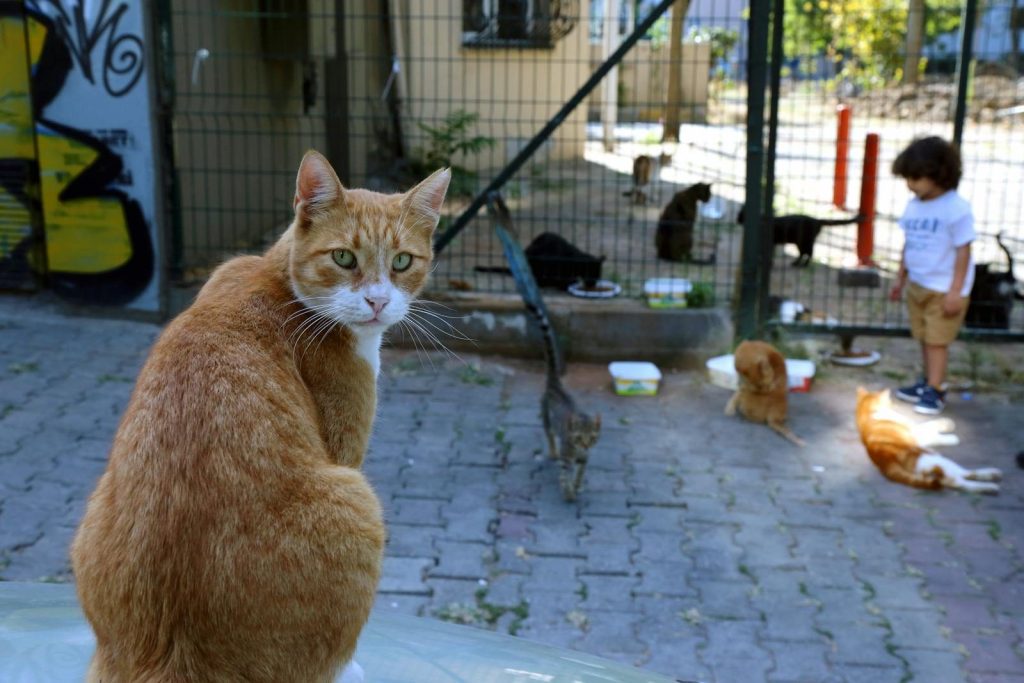
Cats are often viewed as completely solitary animals that hate company. However, local street cats regularly form loose social structures called colonies. They gather in neutral spaces to monitor territory and share vital environmental information without fighting. But their communication methods are incredibly quiet to human ears.
How silent body language prevents dangerous fights
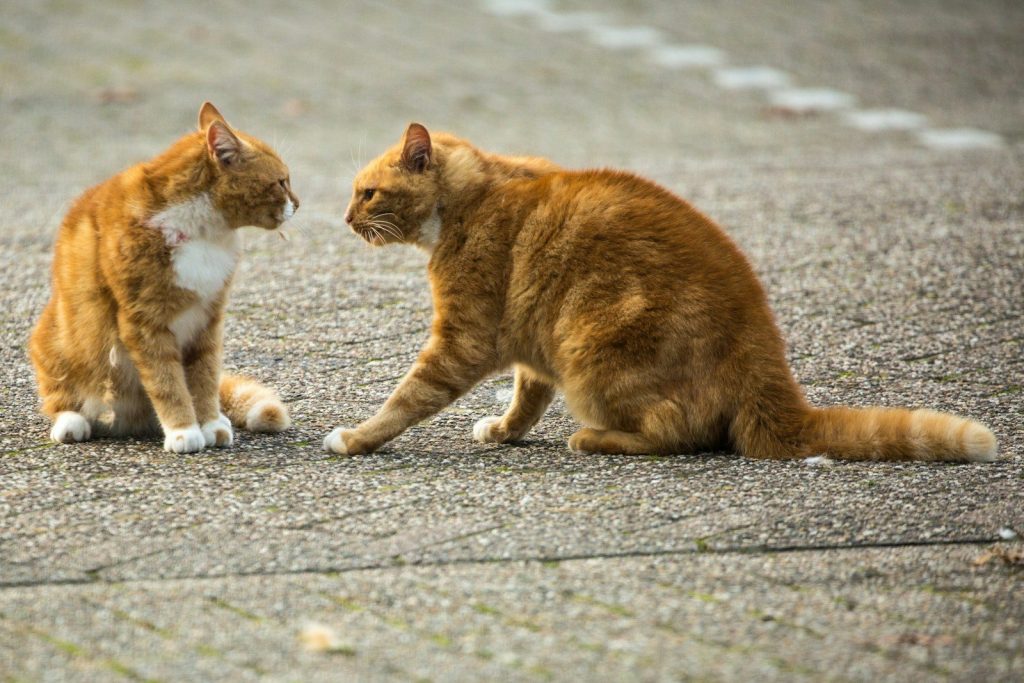
Felines use subtle physical signals like ear positions and tail angles to state their social rank. Sitting close together without touching allows them to negotiate boundaries peacefully. According to research from the Cornell Feline Health Center, this proximity helps them establish group scent records. Yet, these gatherings can take a dramatic turn.
Shared warmth during freezing winter nights
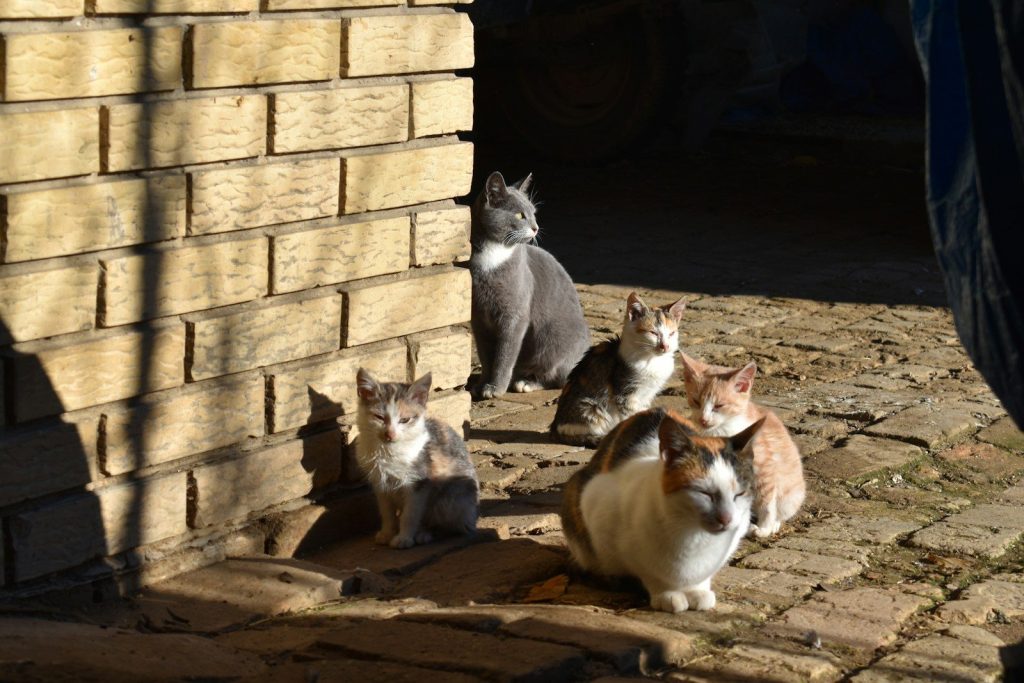
Colony cats will huddle together in tight groups to survive harsh weather conditions. Sharing body heat is a critical survival mechanism when temperatures drop below freezing. These cooperative behaviors prove that felines possess highly developed social intelligence. But survival is not the only reason they gather.
Protecting a shared food territory from outsiders
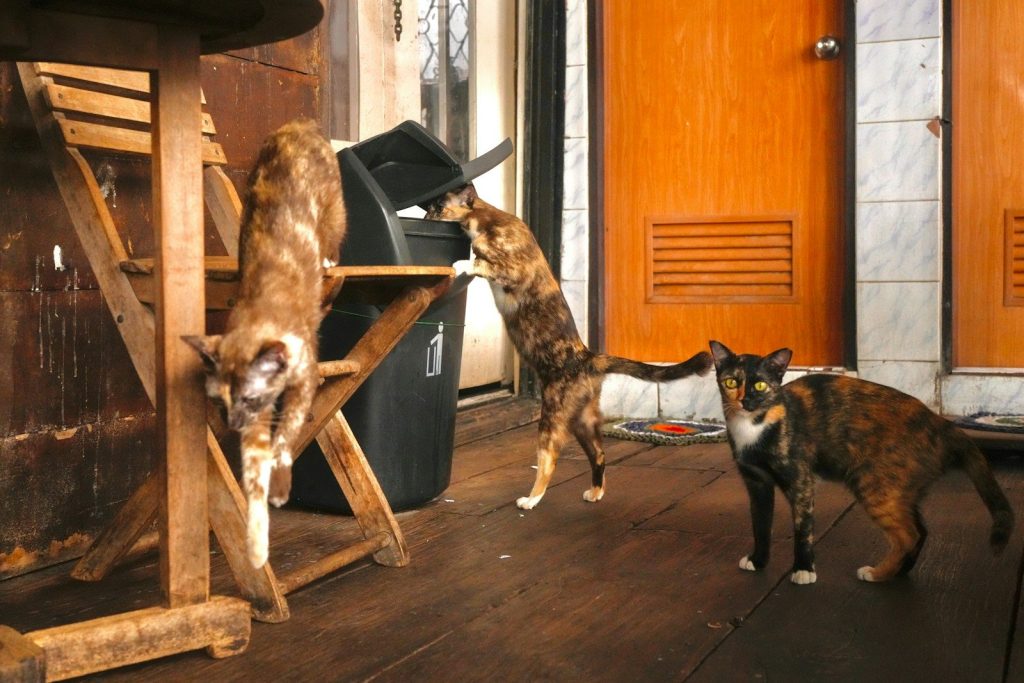
When a kind neighbor feeds stray felines, the local cats will band together to guard the area. They form a cooperative defense force to keep strange predators away from their reliable food source. According to reports from the ASPCA, stray animals rely heavily on these group alliances. Still, another visual signal shows their deep group bond.
The beautiful mechanism of cooperative kitten rearing
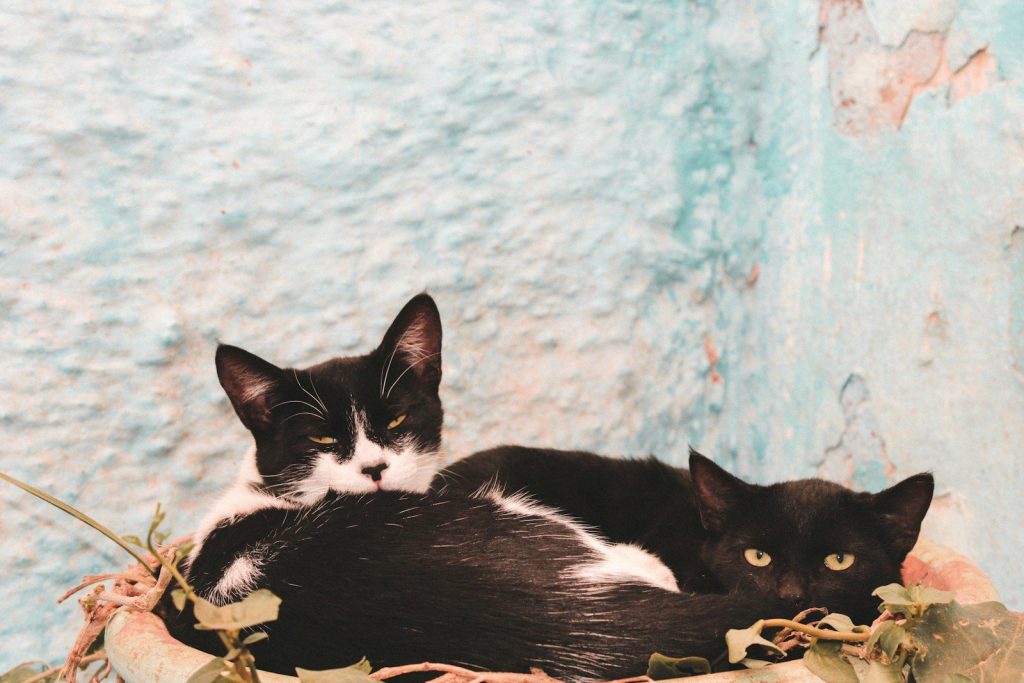
Mother cats in a stable group will often raise their litters together in a shared nest. This cooperative parenting allows one mother to hunt while another guards the babies. They will even nurse each other’s offspring to ensure the entire group’s survival. But how do these wild social habits affect your domestic pet?
Why do indoor cats watch the windows constantly?
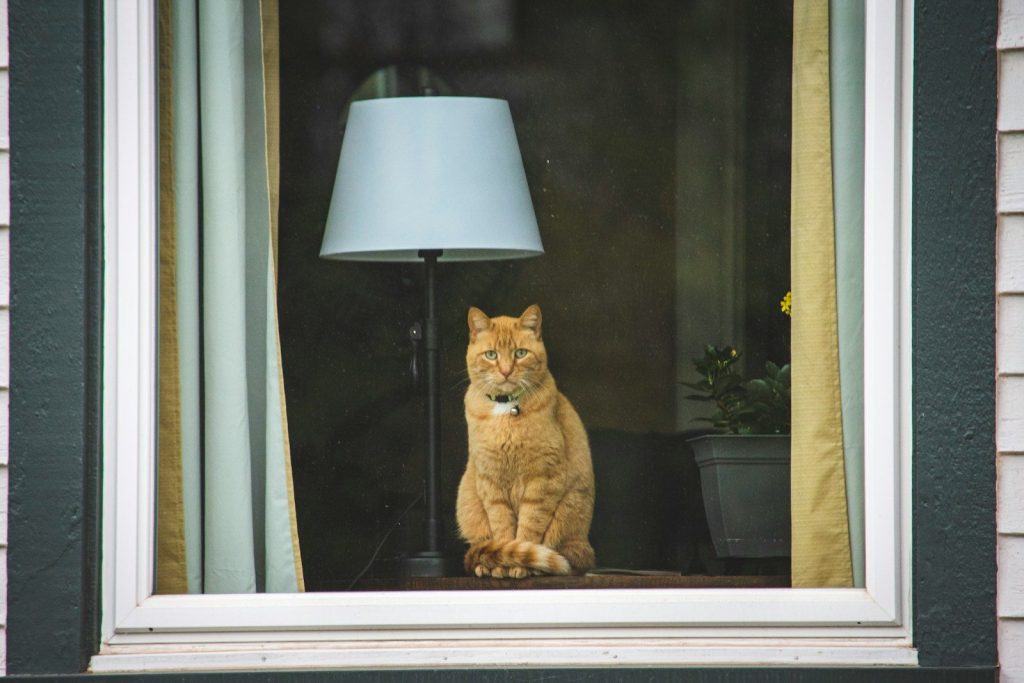
Your indoor companion still carries these deep colony survival instincts inside their brain. Watching outside cats gather triggers their natural desire to monitor their territory boundaries. Providing tall window perches allows them to observe these neighborhood dynamics safely. However, introducing a new member to their home group requires great care.
Helping your pet feel secure at home
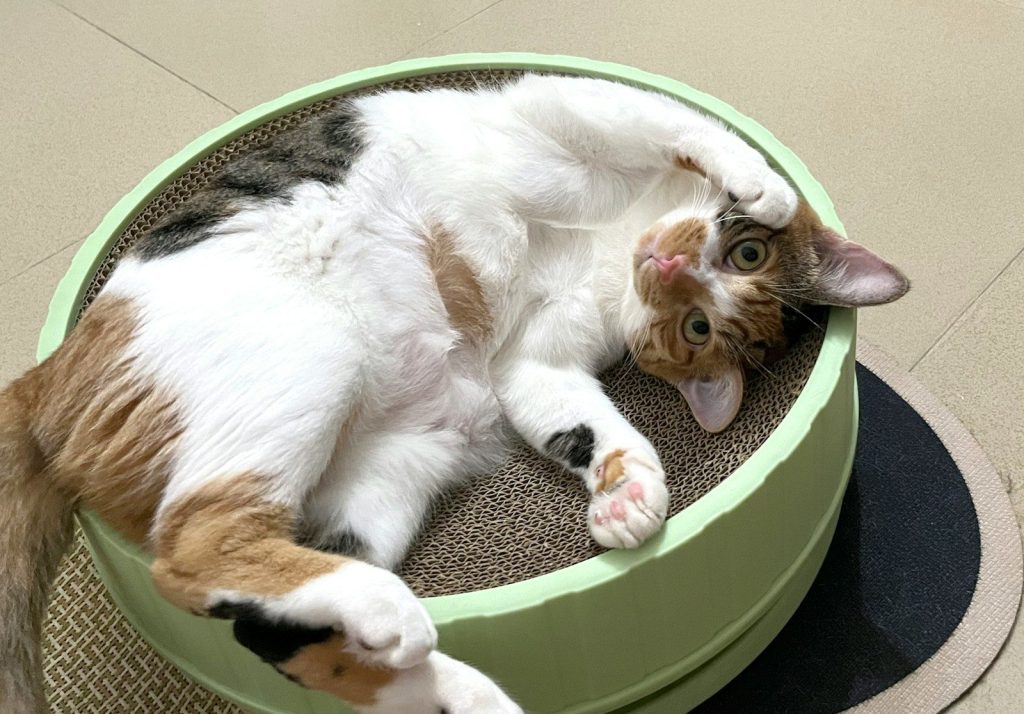
Sudden changes in the household can disrupt your indoor cat’s sense of group security. Keeping regular times for meals and interactive play lowers their daily anxiety. Feline behaviorists suggest utilizing artificial calming pheromones to keep multi-pet homes peaceful. But how do you ensure their long-term happiness?
Building a perfect sanctuary of shared trust
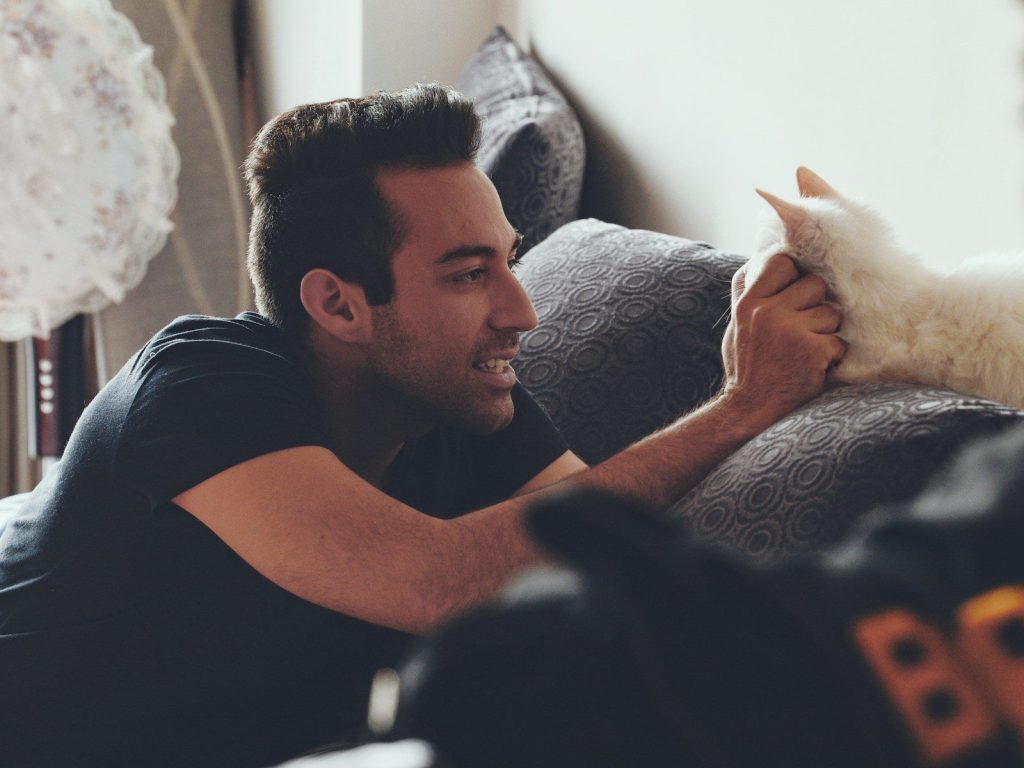
Understanding these natural group behaviors helps you create a much stronger bond with your feline companion. When you respect their wild instincts, they reward you with deep lifetime affection. This article is for informational purposes only and does not constitute veterinary advice. Your patient’s daily care creates a beautiful world of comfort for your beloved pet.
Featured Image: Photo by Kostiantyn Klymovets on Pexels