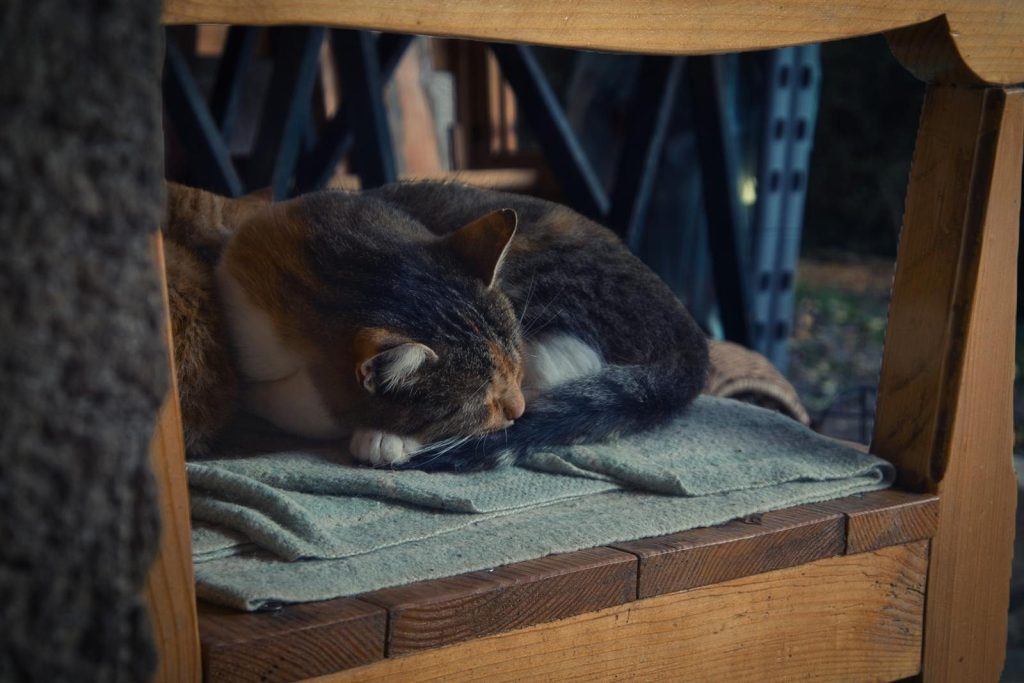

A quiet domestic cat was napping peacefully on a sunny backyard patio chair. Suddenly, a brave wild squirrel scrambled down a nearby oak tree and approached the sleeping predator.
What happened next defied all laws of natural prey and predator relationships. This unique cross-species encounter reveals how wild animals can build surprising bonds under very specific conditions.
Crossing the natural line of wild predators
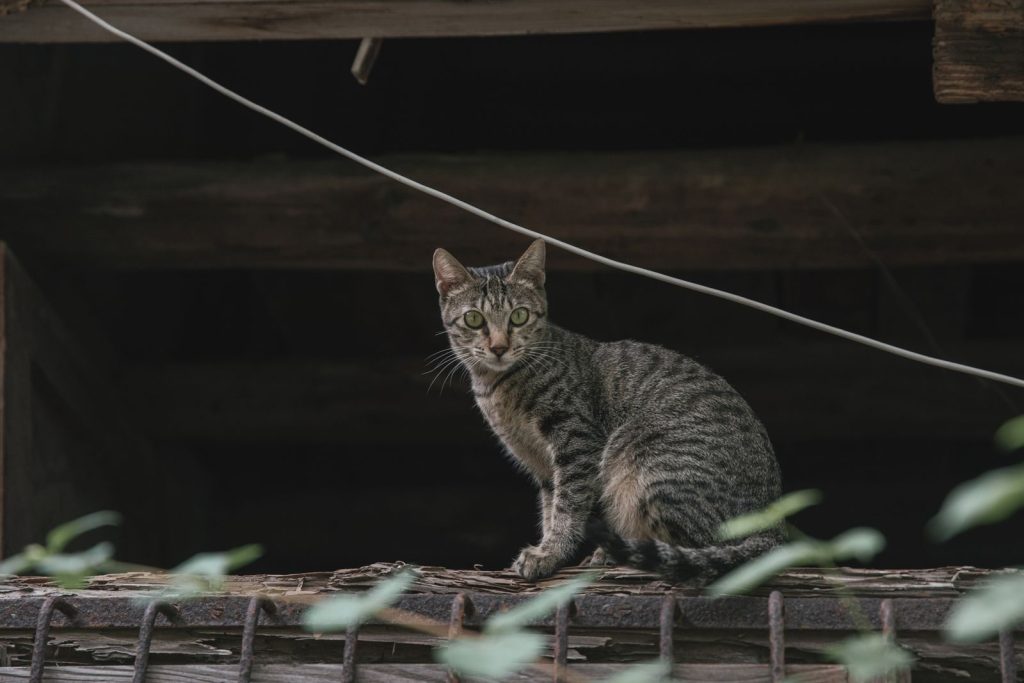
Cats are highly efficient predators that hunt small rodents by nature. A squirrel approaching a cat is normally a fatal mistake in the wild. But this specific backyard resident seemed to ignore all survival instincts. The brave rodent climbed onto the patio chair and stood directly next to the sleeping feline. But she did not attack.
A surprising display of gentle touch grooming
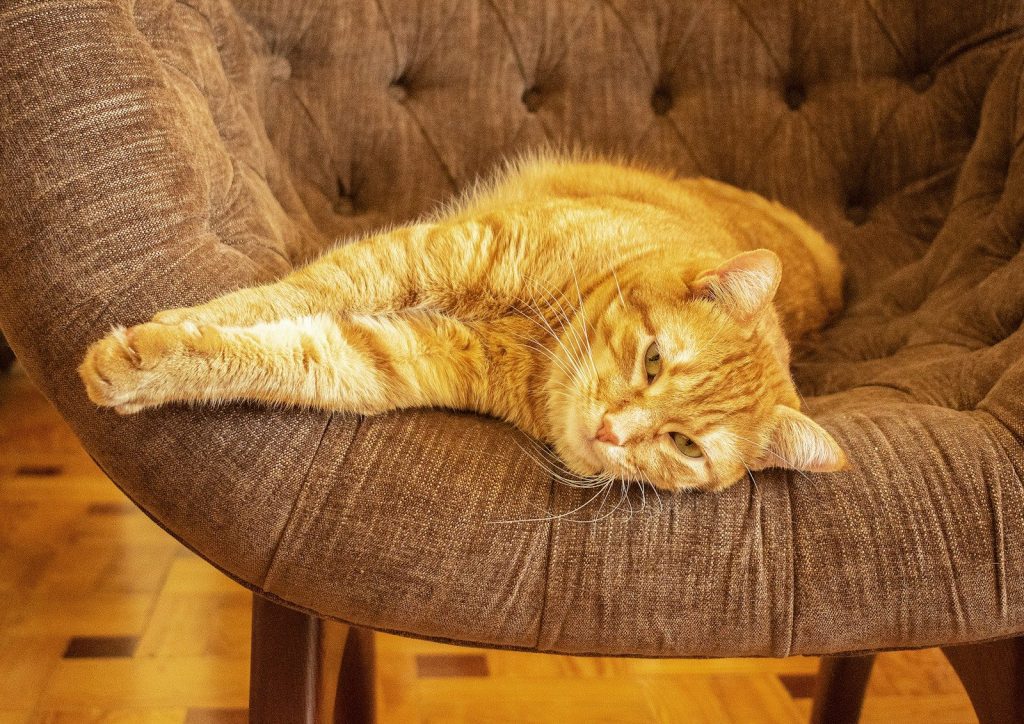
The wild visitor reached out with tiny paws and began to groom the cat’s soft head fur. She used gentle nibbles to clean the feline’s forehead just like a mother animal would. According to wildlife biologists, grooming is a powerful way to reduce social tension between different species. Still, the sleeping cat reaction surprised everyone watching.
Staying calm during an unexpected massage
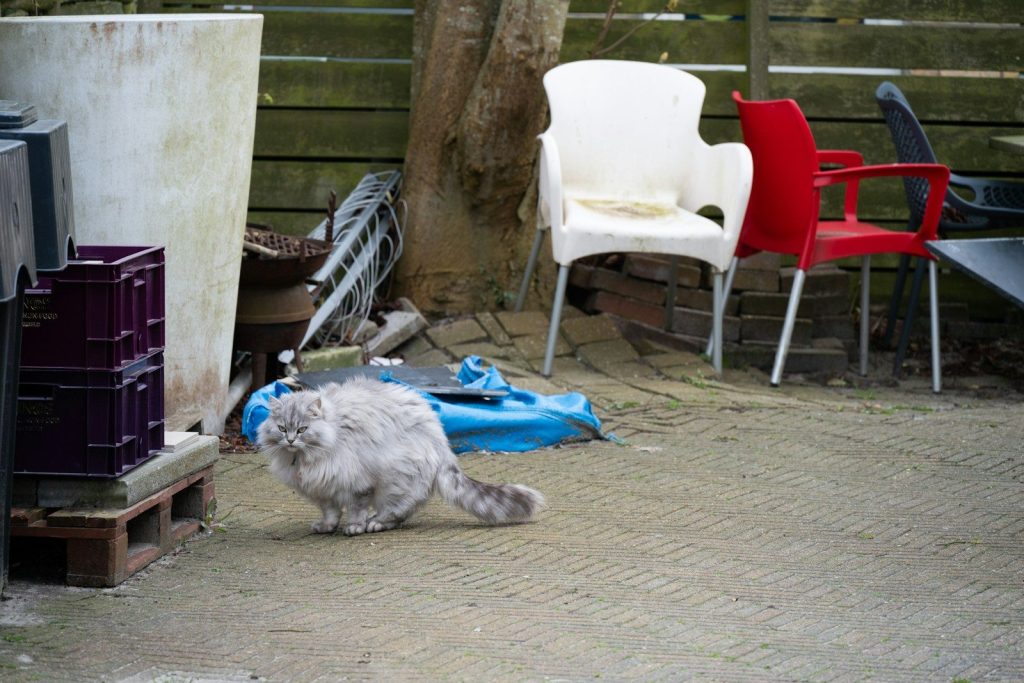
Instead of pouncing, the lazy house cat simply opened one eye and let out a soft sigh. He closed his eyes again and allowed the wild rodent to continue her grooming routine. This calm acceptance suggests the cat did not view the small creature as potential prey. Yet, their peaceful interaction faced a sudden obstacle.
How regular food sources lower hunting drives
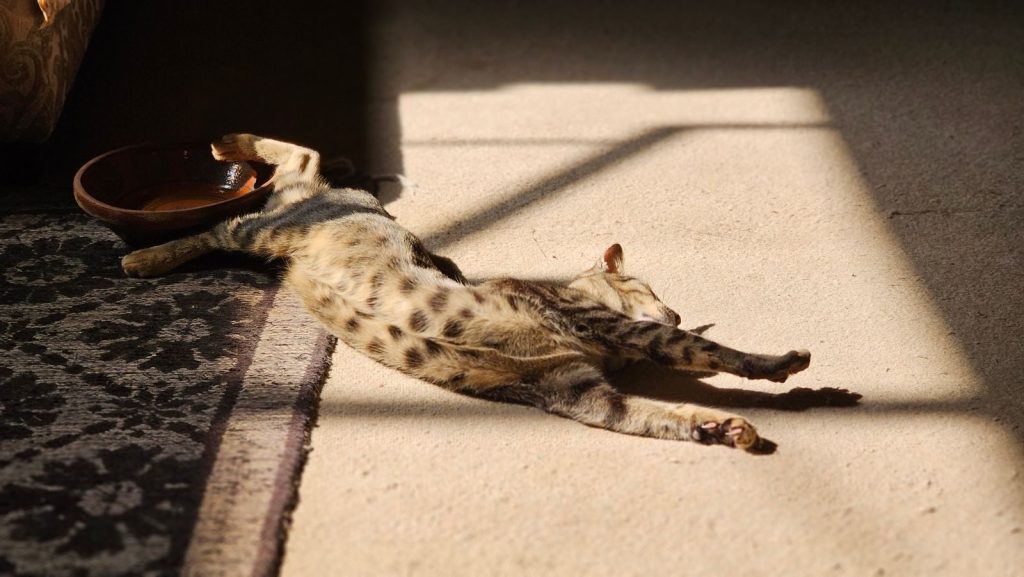
Well-fed indoor cats often lose their intense desire to hunt backyard wildlife. When an animal has a reliable source of food, their predatory reflexes become much more relaxed. According to study findings from the American Veterinary Medical Association, indoor felines can live peacefully alongside smaller household pets. But this wild relationship required deep mutual trust.
The powerful scent exchange of cross-species
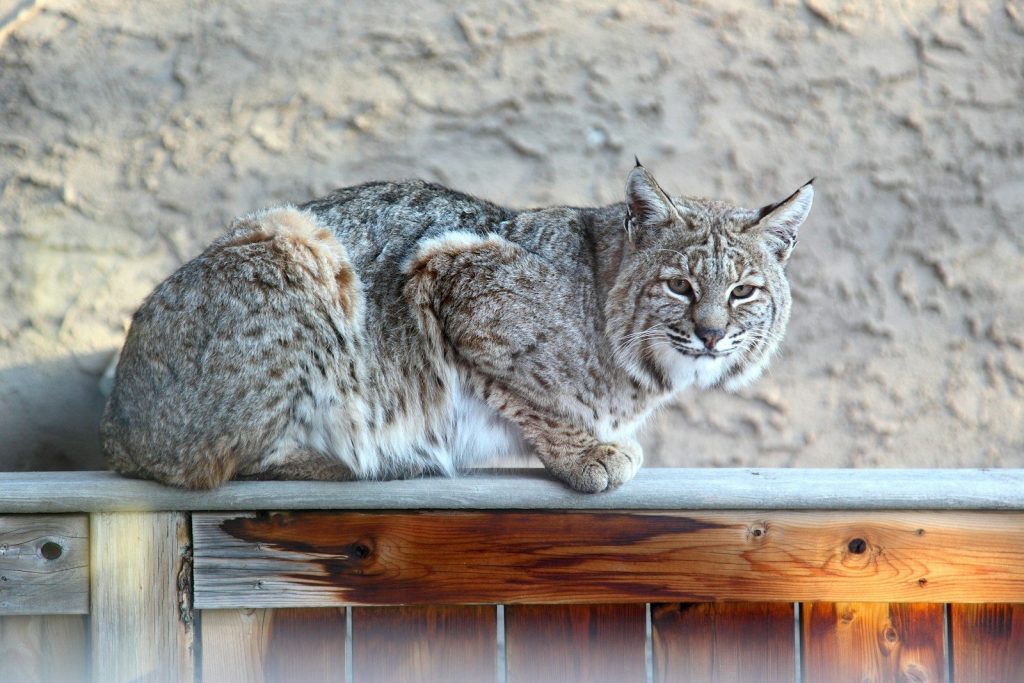
Rubs and gentle grooming help animals exchange visual and chemical markers. By grooming the cat, the squirrel was marking the predator as a safe, friendly neighbor. This shared scent group reduces territorial conflicts in the immediate backyard area. Fortunately, you can easily protect your local wildlife from domestic hunters.
Keeping domestic felines safely indoors
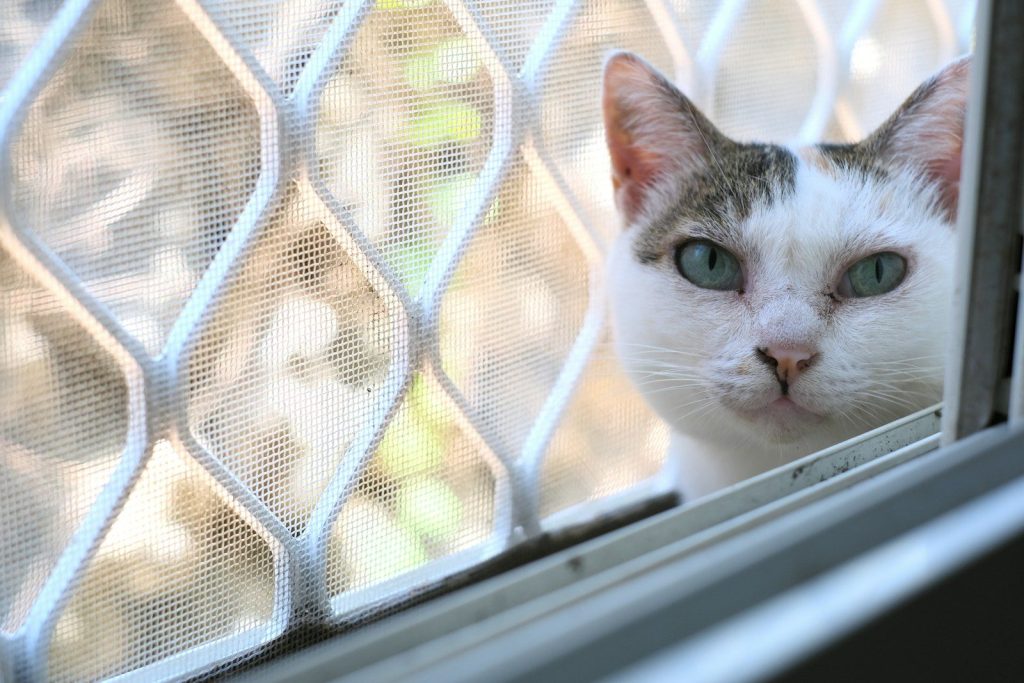
The safest way to protect local birds and squirrels is to keep your cat inside. Safe outdoor spaces like cat patios allow your pet to enjoy fresh air without endangering native wildlife. Feline welfare groups emphasize that indoor living also protects your pet from outdoor hazards. But how do you satisfy their natural curiosity safely?
Creating a peaceful sanctuary for backyard wildlife
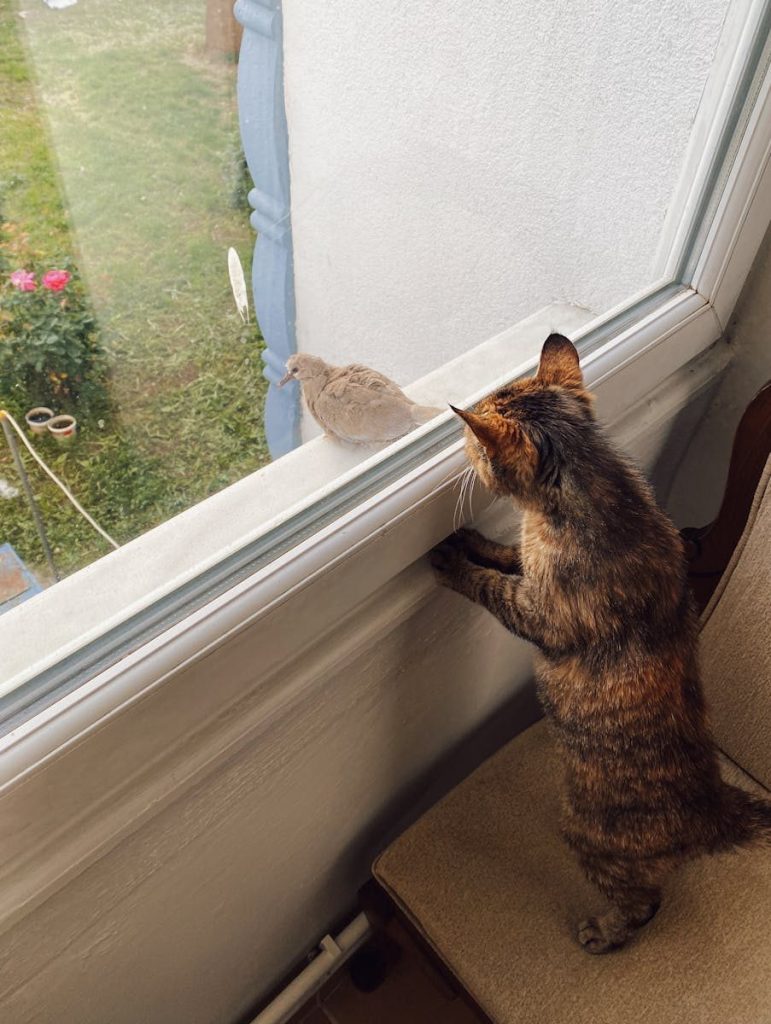
Providing window perches and interactive toys allows your domestic companion to watch nature safely from behind glass. This setup keeps the local wildlife thriving while your pet enjoys hours of silent entertainment. This article is for informational purposes only and does not constitute veterinary advice. Your thoughtful adjustments help keep both domestic felines and wild animals safe.
Featured Image:Photo by Bunkac Bebec on Pexels