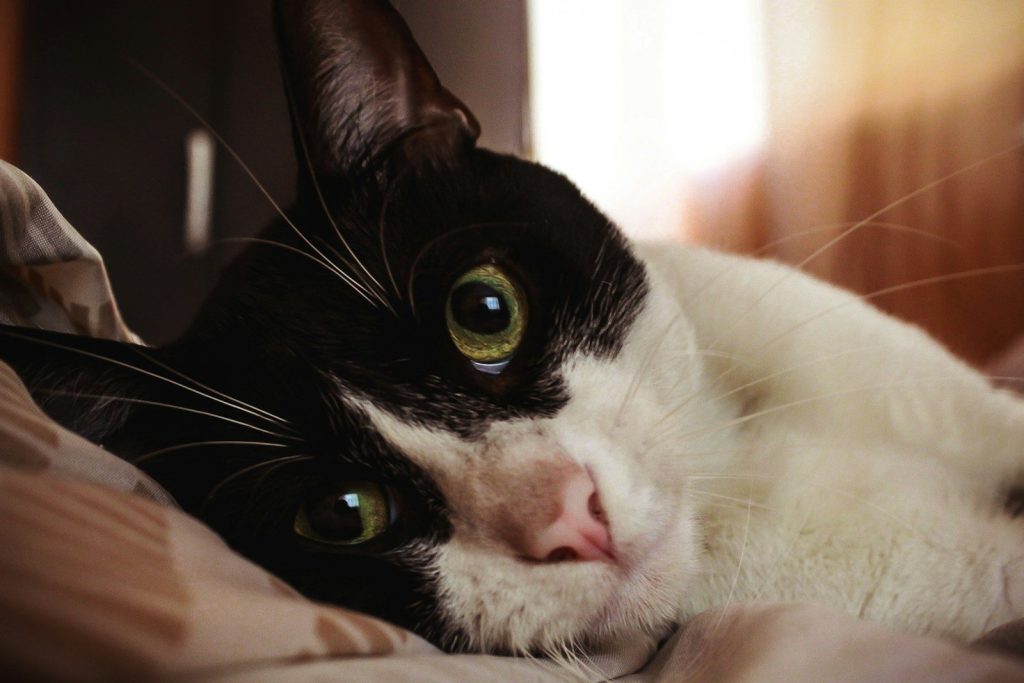

Your sweet cat has a habit of knocking cups off tables or screaming at closed doors. These frustrating behaviors can leave you feeling deeply discouraged.
But feline behavior science reveals that these annoying habits are actually driven by natural survival instincts. Discover how to easily redirect their energy to restore peace today.
Knocking fragile glass mugs off the counter tables
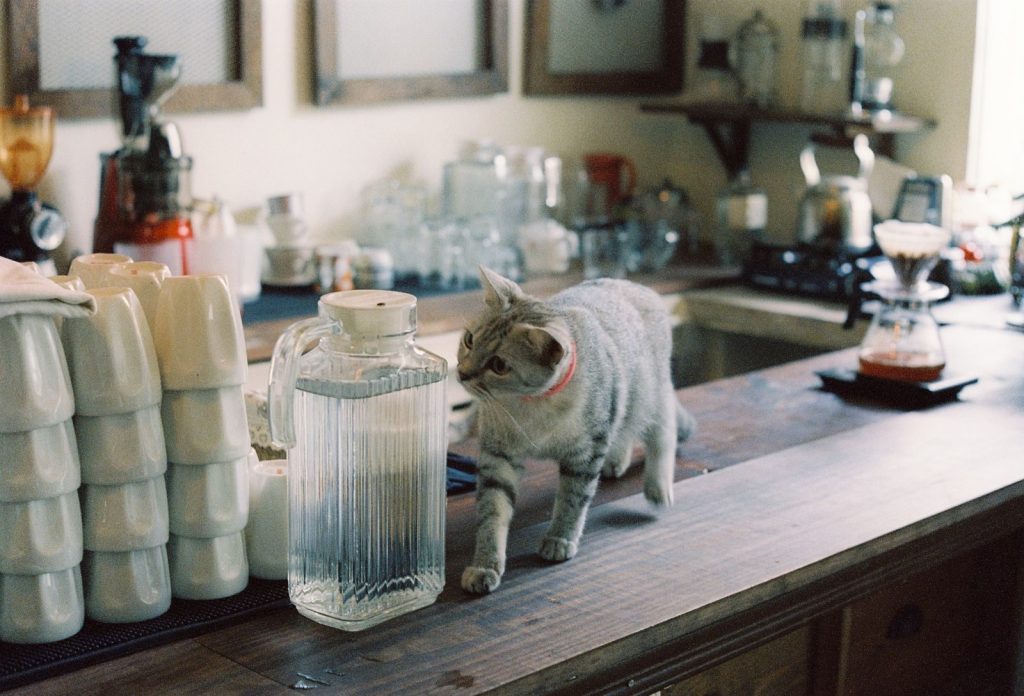
Your cat sits on the counter and slowly swats a glass directly onto the floor. Feline behaviorists suggest this behavior is not malicious destruction. Instead, they are using their sensitive paws to test if an object is alive or dangerous. It also forces you to look at them immediately. But their attention-seeking plans can get much louder.
Screaming loudly outside your closed bedroom door
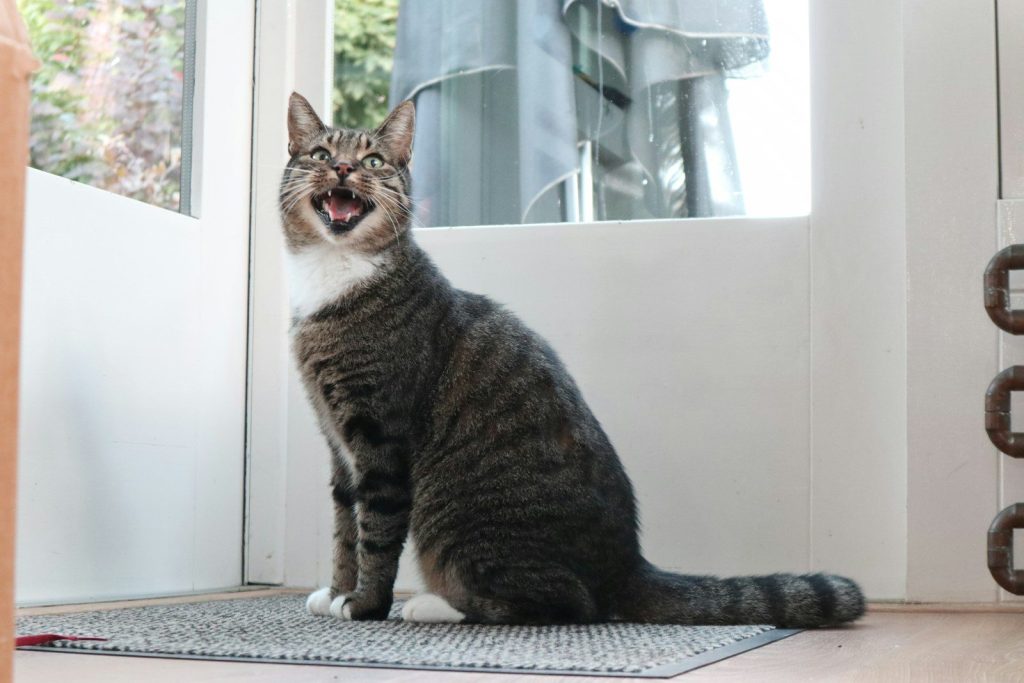
Cats view your entire house as their personal, secure territory. Shutting a door triggers their intense territorial anxiety and natural curiosity. They need to monitor their boundary lines to feel safe from outside threats. You can reduce this vocal frustration by using a simple training trick.
Scratching the sides of your favorite sofa
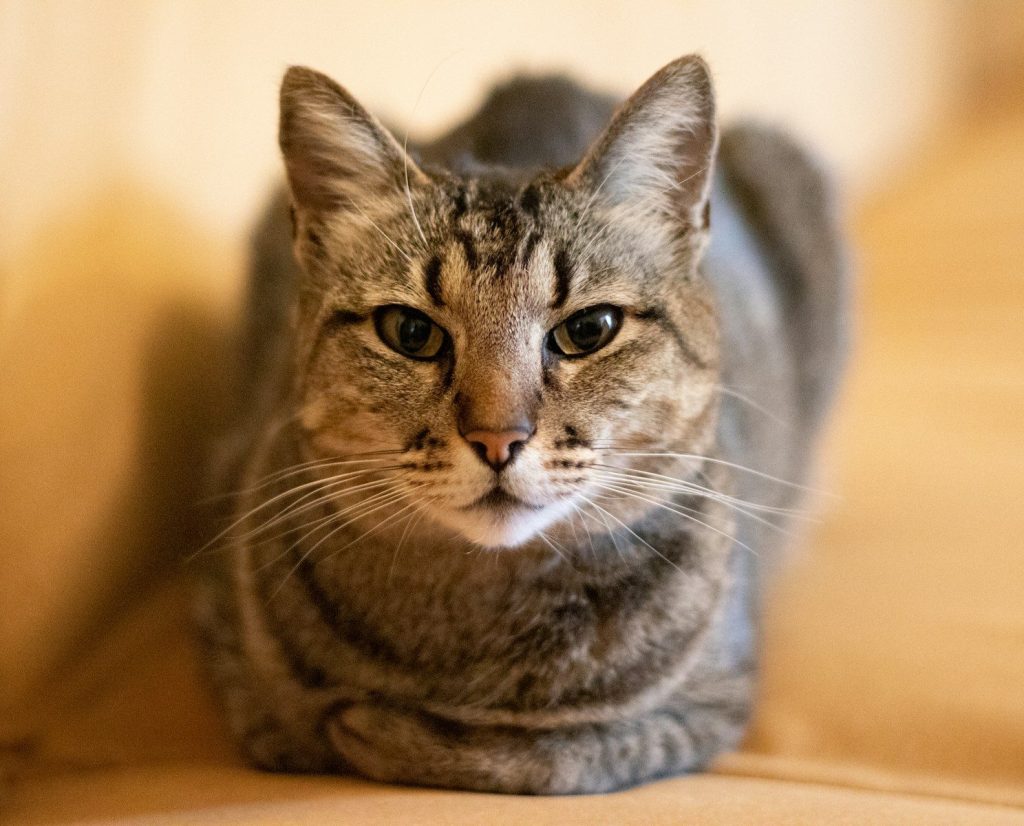
Scratching is a vital physical need that stretches their muscles and sheds old claw husks. It also leaves visual and scent markers that tell other animals the territory is claimed. Dr. Jessica Vogelsang warns that punishing this behavior only builds resentment. Fortunately, you can easily guide their claws to a better spot.
Placing scratching posts near their favorite spots
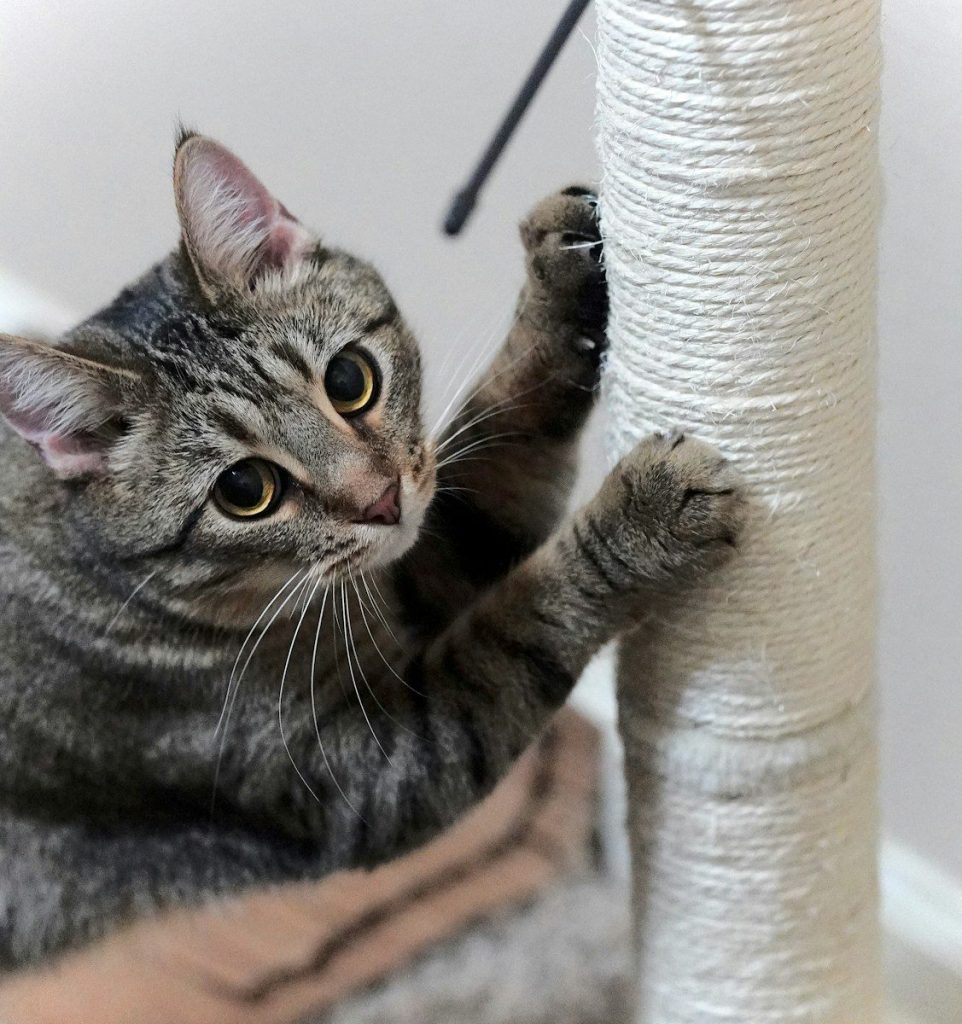
Put sturdy, tall sisal scratching posts directly next to the furniture they love to target. This simple layout adjustment satisfies their territorial marking drive without destroying your home. Reward them with high-value treats whenever they use the new post. However, another frustrating habit happens during your working hours.
Lying directly across your computer keyboard
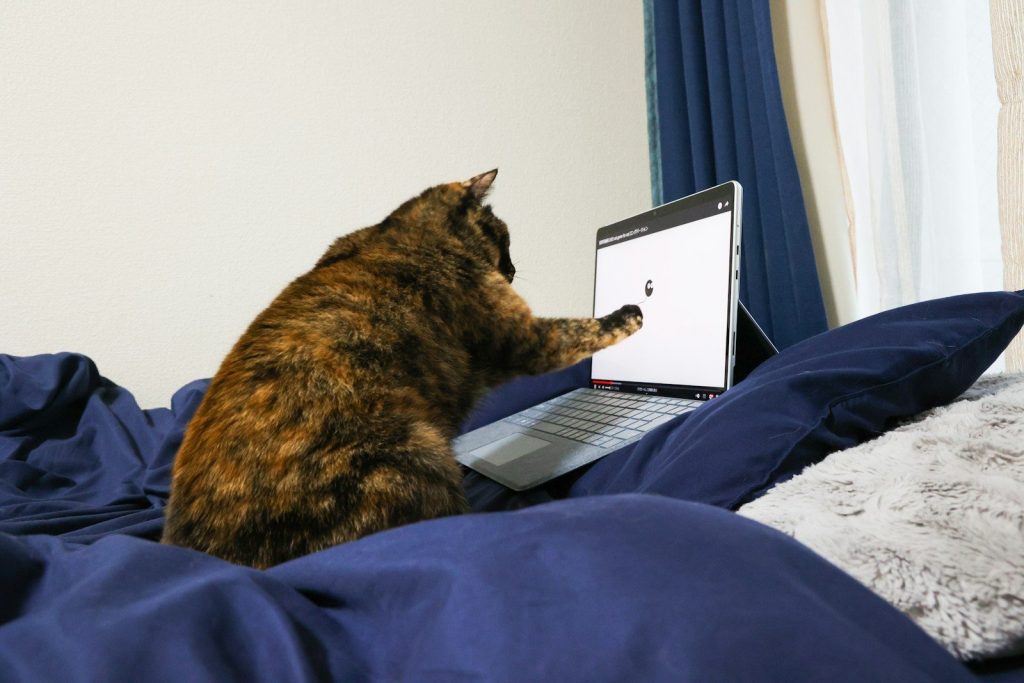
Your laptop is a major source of your attention and comforting warmth. When your pet steps onto the keys, they are physically blocking your view to redirect your focus to them. Behaviorists at the ASPCA suggest placing a cozy, small bed near your desk to solve this. But their nightly habits can be even more disruptive.
Running at wild speeds through the hallway
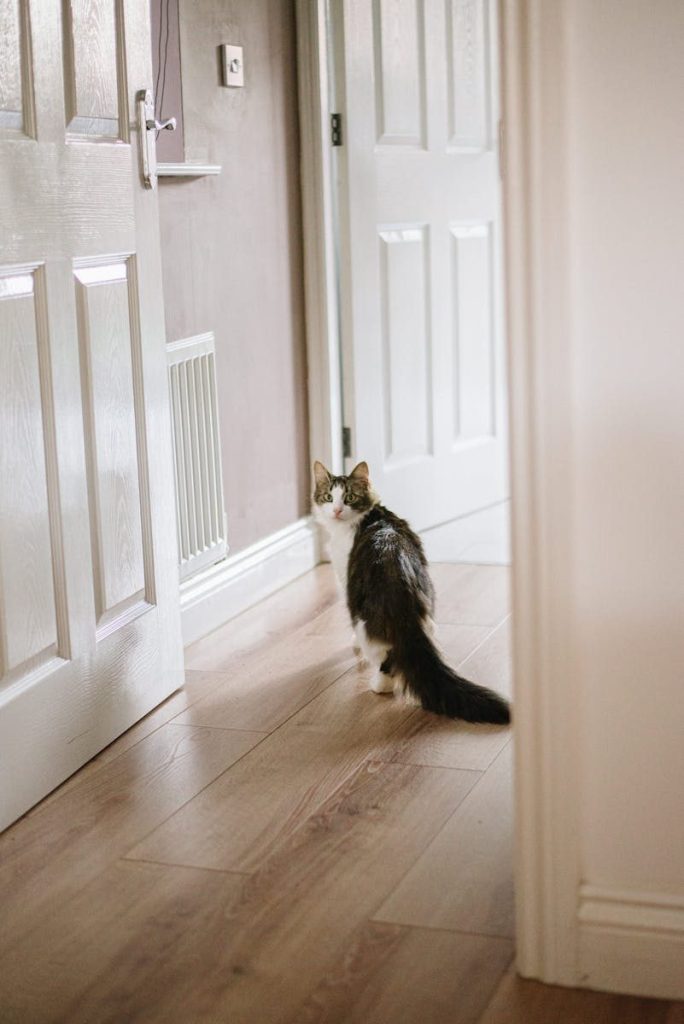
These sudden midnight zoomies are caused by a buildup of pent-up hunting energy. Indoor felines need a daily physical outlet to satisfy their natural instincts. According to the Cornell Feline Health Center, setting a regular schedule for play can lower their cortisol levels. Yet, your greeting habits might also be causing them worry.
Nipping your hand when you pet them
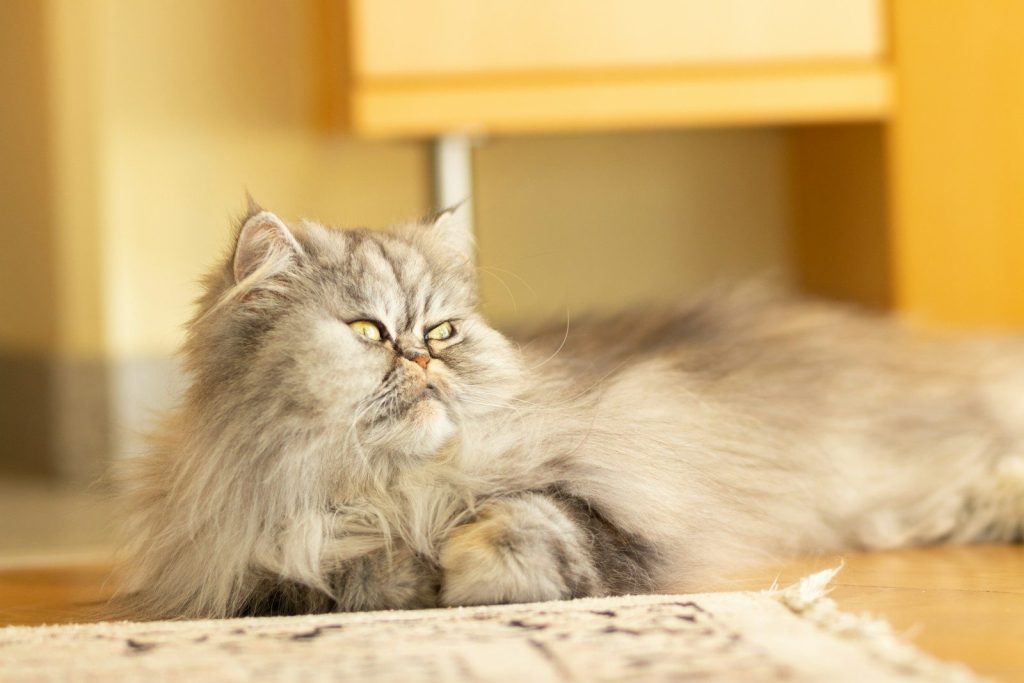
A sudden bite during a petting session is a sign of sensory overload. Your cat is telling you they have reached their physical limit. Watch for a twitching tail tip or pinned ears to spot this warning early. Fortunately, you can keep your home peaceful by making one simple change.
Restoring household harmony with daily patience
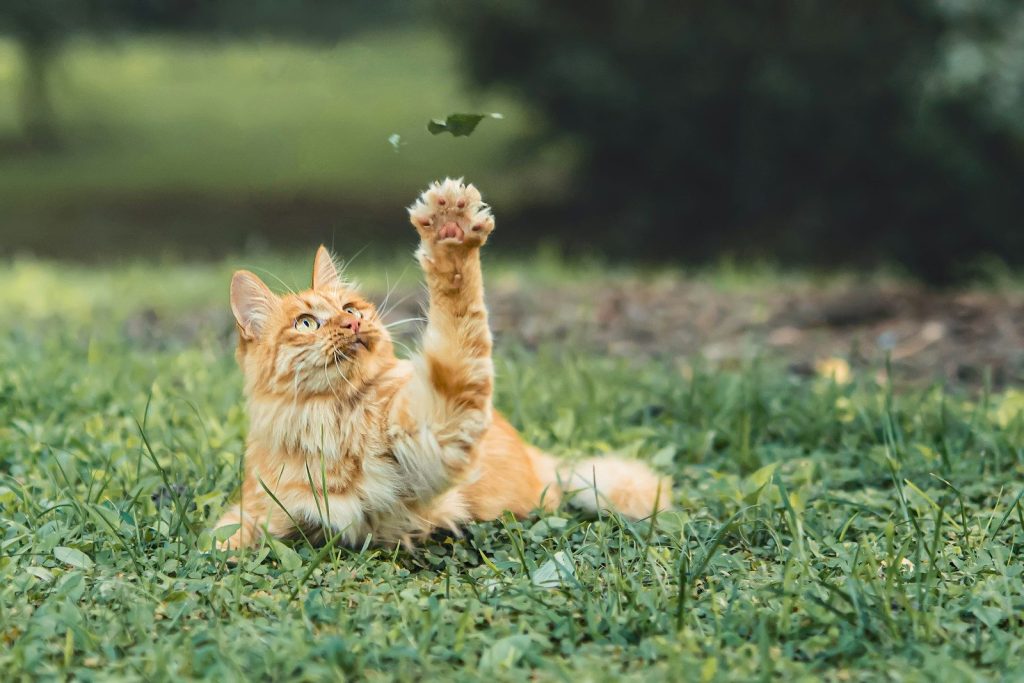
Dedicating fifteen minutes to interactive play each evening keeps your pet feeling loved and secure. When they know their territory is safe, their annoying behaviors will naturally disappear. This article is for informational purposes only and does not constitute veterinary advice. Your simple daily patience transforms your home into a perfect feline paradise.
Featured Image: Photo by NINA PASCAL on Unsplash