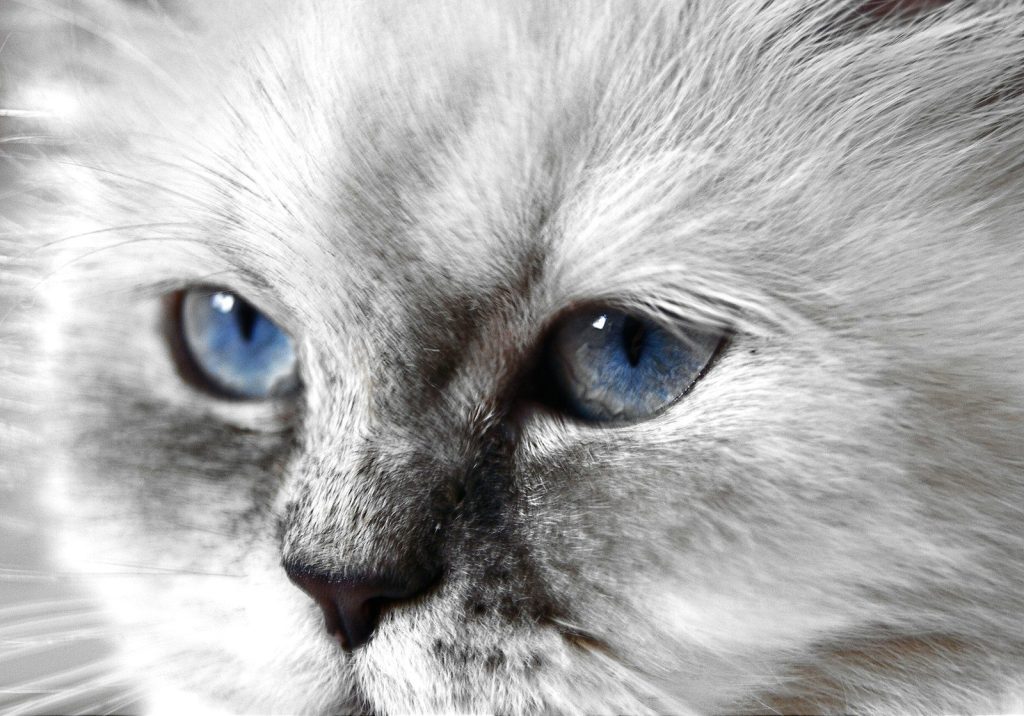

A gorgeous gray kitten gazes directly at you with deep ocean eyes. This breathtaking look stops people in their tracks, but the biology behind this physical feature is incredibly complex.
Most kittens are born with some shade of blue in their eyes. But as they grow, a silent genetic clock begins to change their bodies completely. Discover what is really happening inside those beautiful eyes today.
The automatic biological starting point
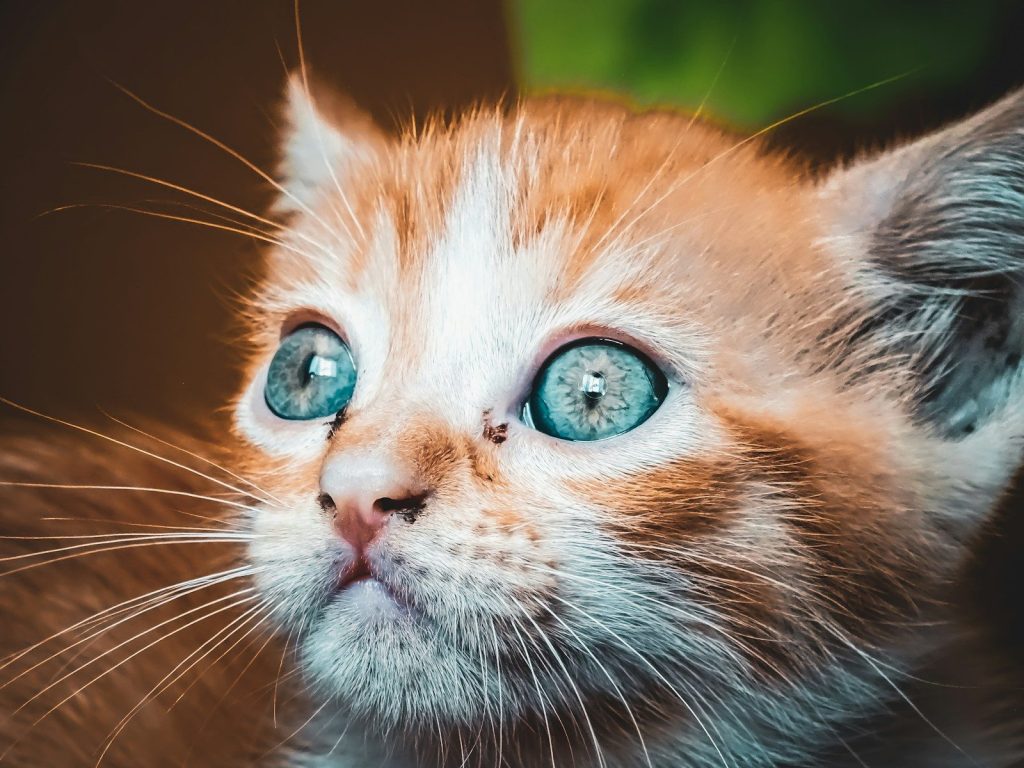
Every single kitten enters the world with eyes of a cloudy blue hue. This occurs because their bodies have not yet produced a natural pigment called melanin. According to the Cat Fanciers Association, this temporary color is simply a lack of light refraction in their developing eyes. But this initial starting color is about to face a major physical transformation.
What happens during the sixth week
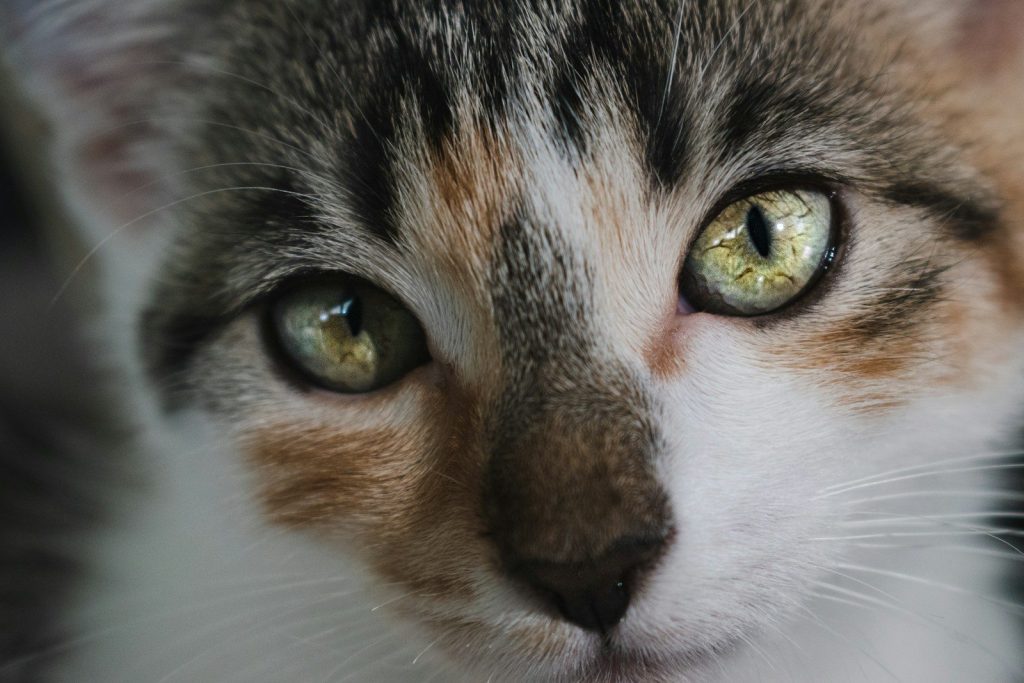
Around six weeks of age, special cells called melanocytes begin to mature. These cells deposit pigment into the iris, slowly changing the eye color to green, gold, or copper. This natural transition is a clear sign of healthy physical development. However, some extremely rare animals manage to keep their blue eyes for life.
The rare genetics of gray coat colors
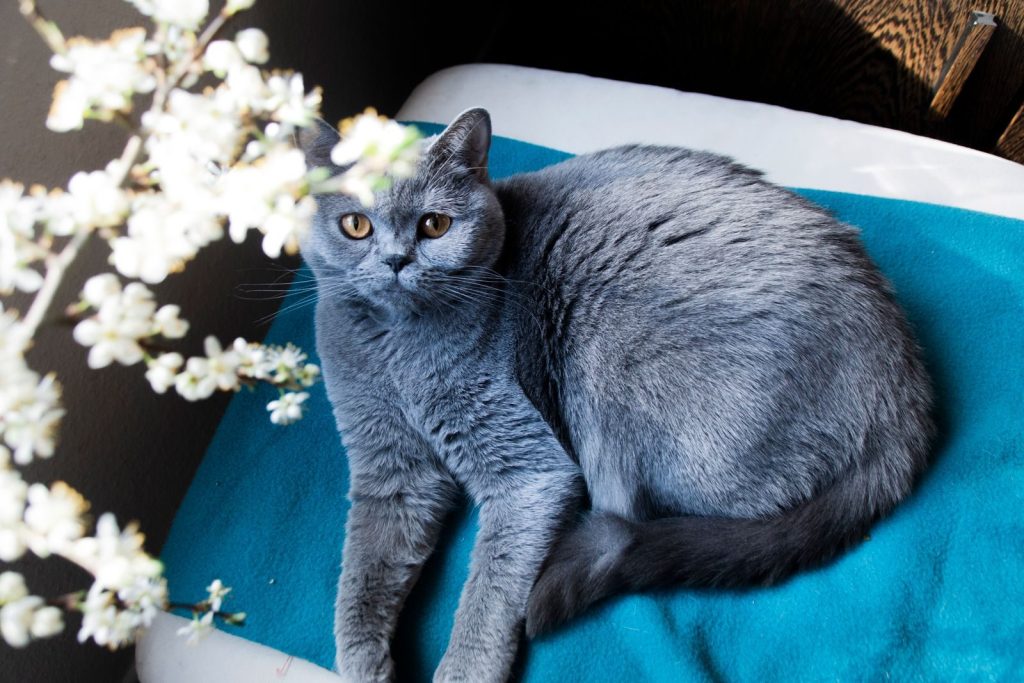
True gray fur is actually a diluted version of black genetics. Breeding two cats with this dilute gene creates a stunning silver coat that is highly sought after by owners. But combining this silver fur with permanent blue eyes is one of the hardest genetic feats in nature. Yet, there is one giant breed that is famous for this look.
The blue-eyed giant of the north

Maine Coons are famous for their massive bodies and heavy winter coats. While most of these giants develop gold or green eyes, a few rare lines carry the gene for striking blue eyes. Dr. Leslie Lyons, speaking to Vetstreet, noted that specific genetic pathways control these eye color expressions independently. But keeping these beautiful eyes healthy requires some special veterinary attention.
Why do blue eyes need extra physical protection?

Cats with light eyes have less natural pigment to protect them from bright sunlight. Intense UV rays can cause discomfort and eventual damage to their sensitive retinas. Keeping your blue-eyed pet indoors during peak afternoon hours is a smart way to protect their vision. Still, another common health myth about these animals continues to frighten owners.
The truth about blue eyes and deafness
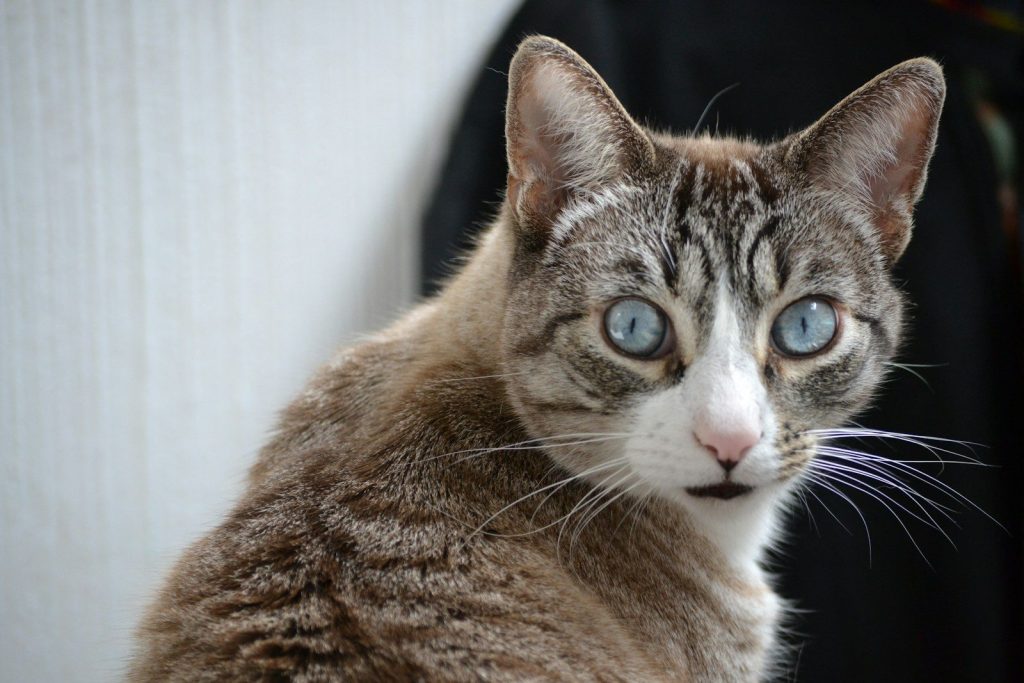
Many people believe that all blue-eyed cats are born completely deaf. While this genetic link is strong in solid white cats, it rarely affects gray or colored felines. The American Veterinary Medical Association states that colored cats with blue eyes typically possess normal hearing. But how can you test your own pet’s hearing at home?
Spotting the silent signs of healthy hearing
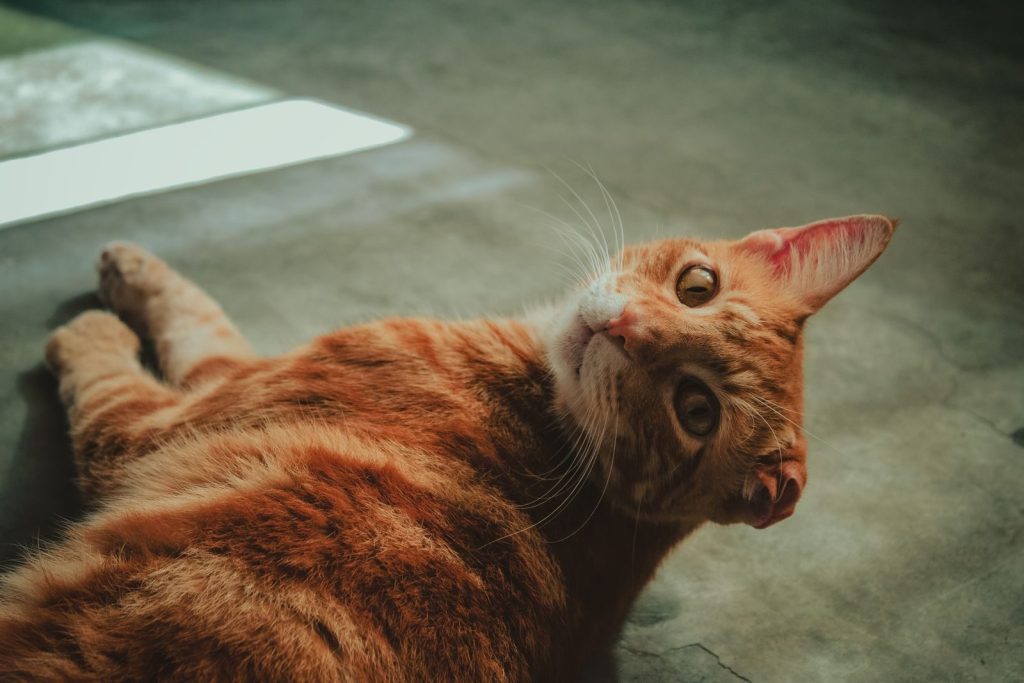
Shake a treat bag quietly behind your pet to see if their ears twitch toward the sound. Healthy felines will spin their ears independently like radar dishes to track the noise. Monitoring these small physical reactions keeps you ahead of any silent health issues. But what is the ultimate way to care for these rare beauties?
Prioritizing routine care for lifelong vision
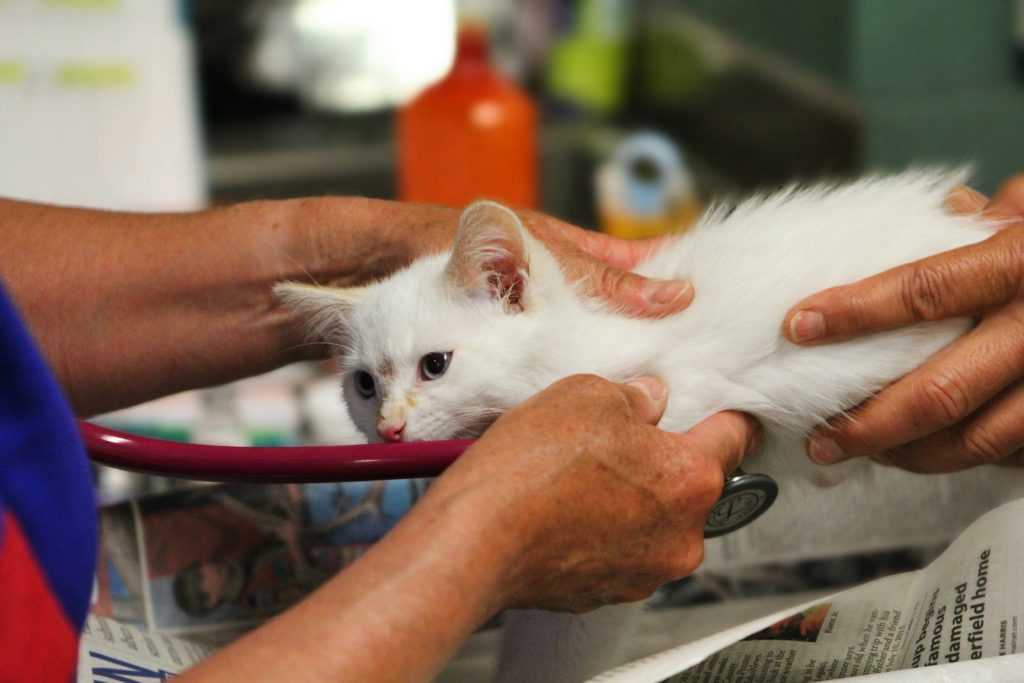
Regular veterinary eye exams prevent minor scratches from turning into serious vision loss. Keeping their living spaces clean and dust-free shields their sensitive eyes from irritation. This article is for informational purposes only and does not constitute veterinary advice. Your loving attention ensures your gorgeous companion stays healthy and happy for a lifetime.
Featured Image: Photo by Olivier Roy on Unsplash