

You call your pet across a quiet room. They might flick an ear or twitch their tail, but completely refuse to move a single muscle.
Many owners think their cats are just acting stubborn. But groundbreaking scientific research reveals what is really happening inside their mysterious brains.
Scientific proof that felines recognize human words
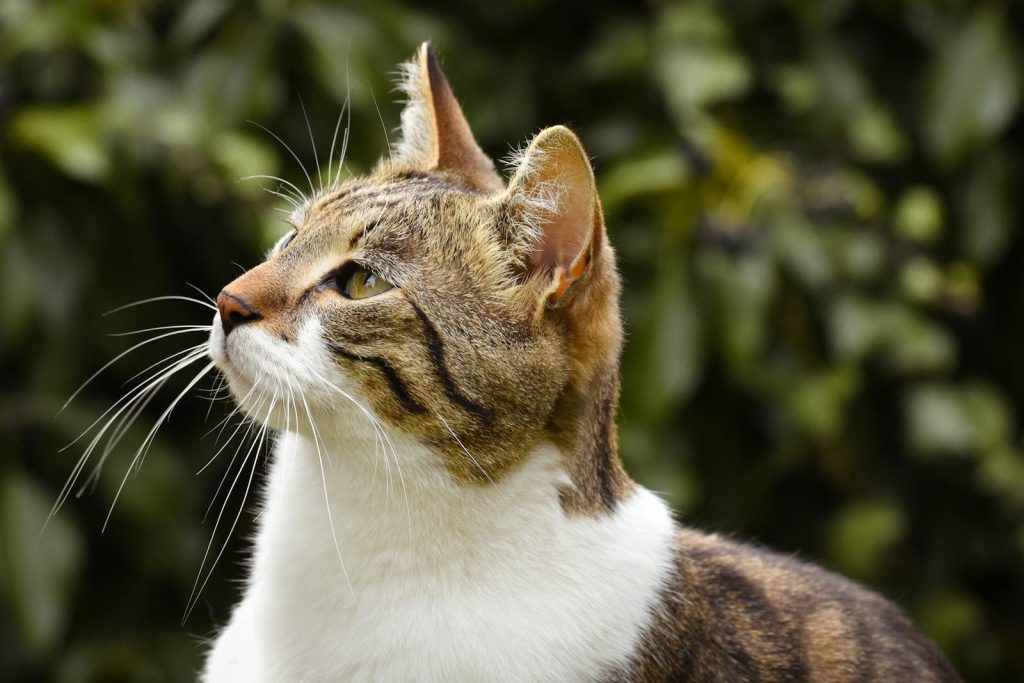
According to a study published by researchers at Sophia University in Tokyo, domestic cats absolutely recognize their own individual names. The scientists tracked feline ear and head movements when they heard various spoken nouns. The cats reacted much more strongly to their specific names than to other random words. But this automatic biological response does not mean they will obey you.
The hidden reason for their selective hearing
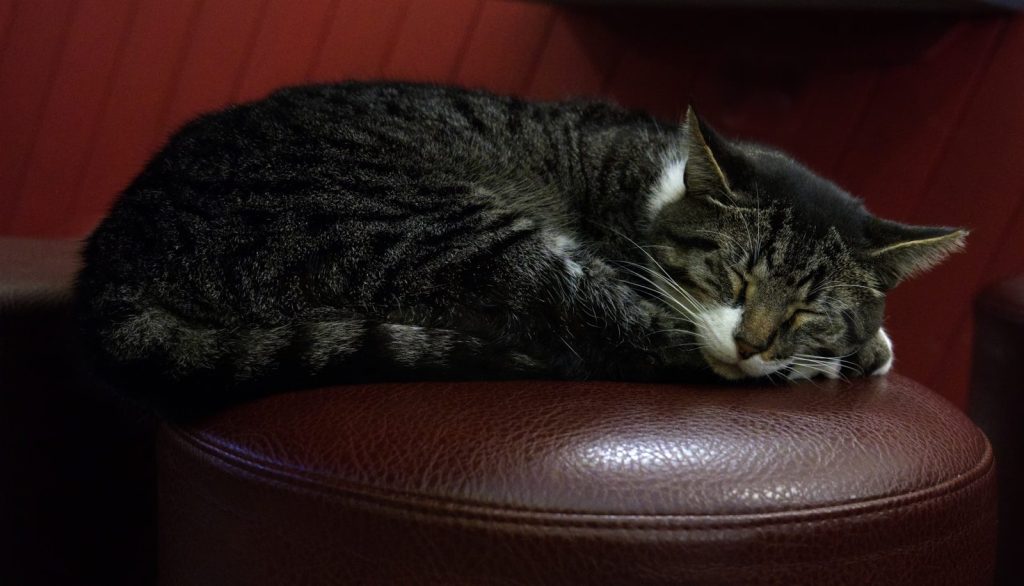
Unlike domestic dogs, cats did not evolve to work directly alongside human companions. Their ancient ancestors lived as solitary hunters who avoided pack hierarchies entirely. Your cat knows you are speaking to them, but they see no immediate reason to drop their cozy nap. This independent nature stems directly from their unique evolutionary path, but their response depends on your voice tone.
How does voice pitch change their immediate reaction?

Felines are highly sensitive to the high-pitched sounds typically associated with happy human voices. According to the American Veterinary Medical Association, cats easily differentiate between a gentle baby talk tone and a flat conversational voice. They are much more likely to walk over when you call them using high frequencies. However, they are also tracking another hidden vocal signal.
Recognizing the unique voice of their owner
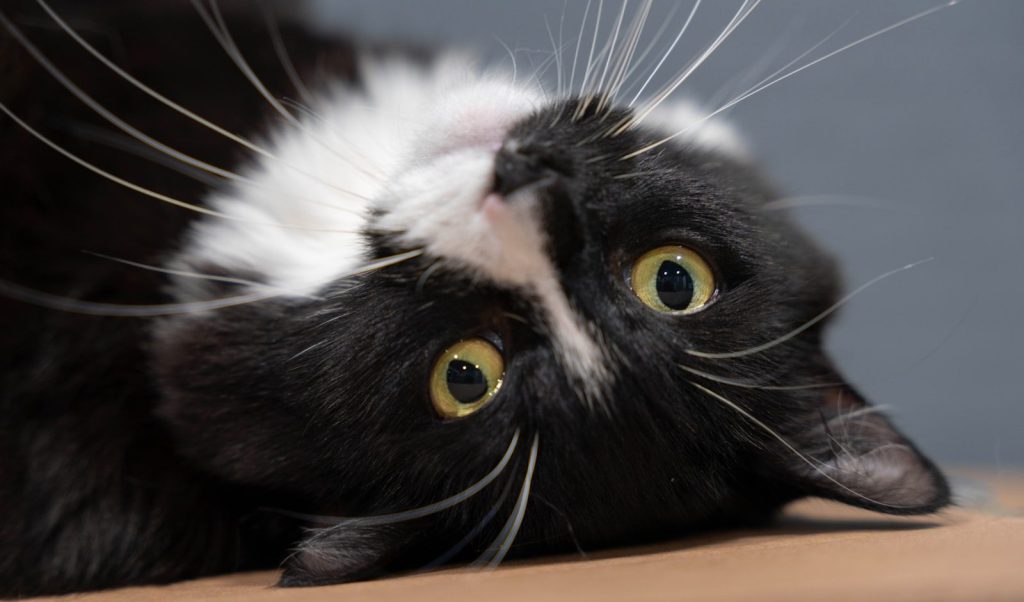
Your pet does not just listen to the specific syllables of their name. They learn the exact vocal fingerprint of their main caretaker over the years of close bonding. In scientific testing, cats ignored name calls recorded by total strangers but turned their heads immediately for their owners. This acoustic tracking helps them navigate their domestic territory, but there is a major trap to avoid.
Associating their name with negative household events
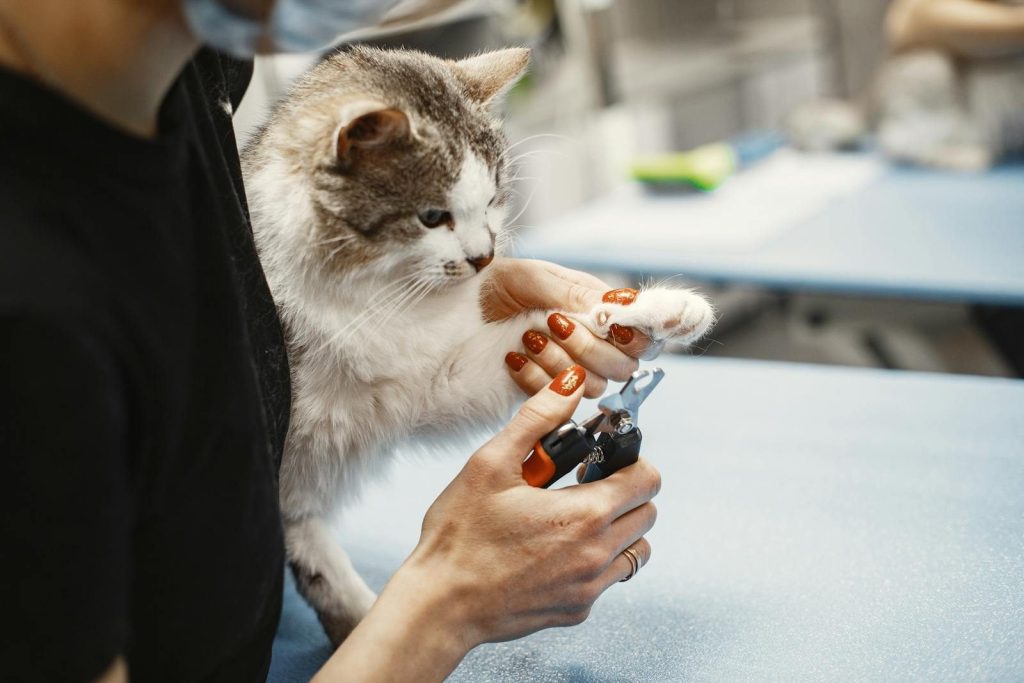
Many well-meaning owners accidentally train their animals to hate their own names. If you only call your cat to administer medicine, clip claws, or push them into a travel carrier, they quickly learn to fear that specific sound. They will actively run away when they hear you speak. Fortunately, you can easily reverse this bad association with a simple daily trick.
Using positive rewards to build fast recall
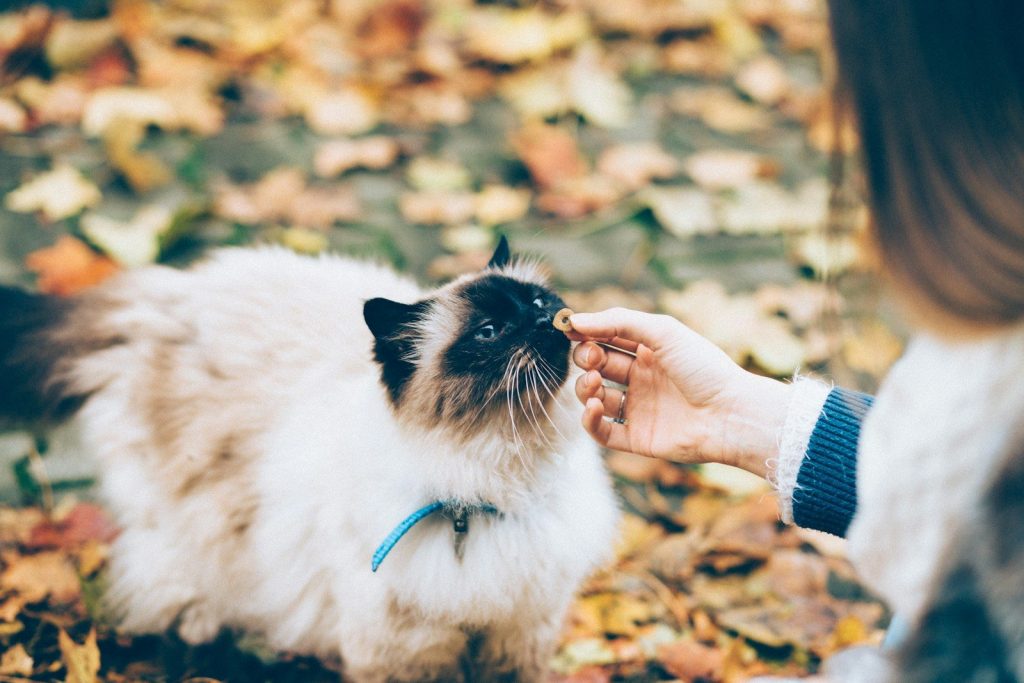
Say their name only when offering high-value treats or favorite brush sessions. This positive association trains their brain to expect immediate happiness whenever they hear their special word. Over time, even the most stubborn animal will learn to run to you in seconds. But a sudden shift in their normal name recognition can point to a silent physical issue.
Spotting sudden hearing loss in senior animals
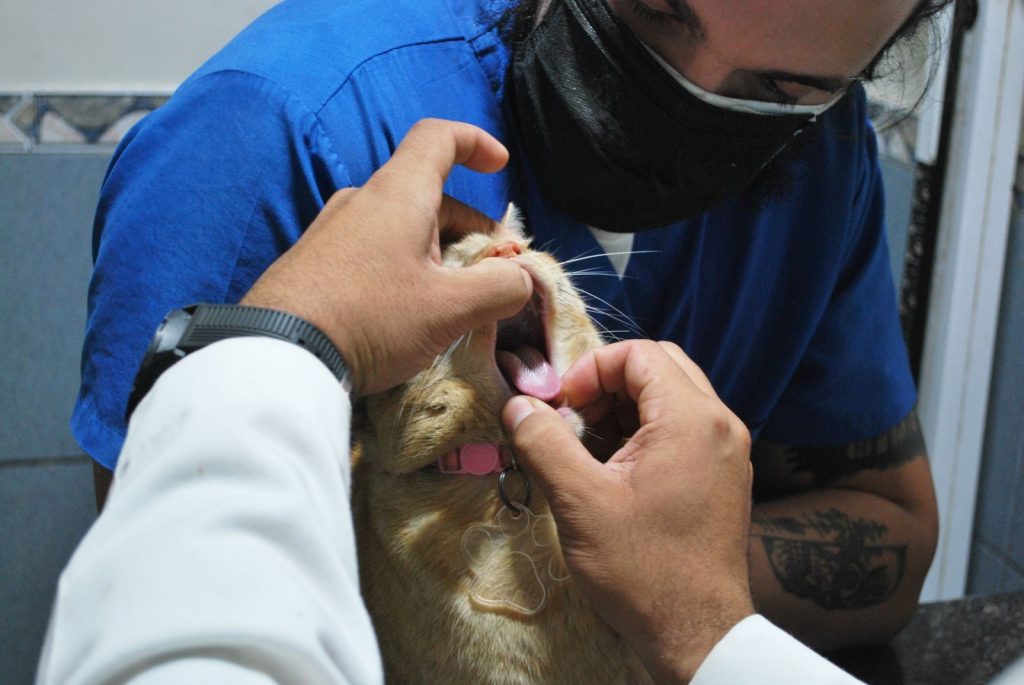
If your older pet suddenly stops responding to their name, they might not be ignoring you at all. Age-related hearing loss is incredibly common in senior felines. According to the Cornell Feline Health Center, slow cognitive decline can also affect how they process human speech. You should monitor their reactions to other household sounds, like opening food cans. But how can you best communicate with a deaf cat?
Relying on visual cues for lifelong bonding

Using hand signals or gentle flashlight beams can replace vocal name-calling perfectly. This simple adaptation ensures your aging pet still feels deeply connected to the household. This article is for informational purposes only and does not constitute veterinary advice. With patience and observation, you can build a strong bond that defies any communication barrier.
Featured Image: Photo by Ricardo IV Tamayo on Unsplash