
We all want our homes to smell clean and fresh. We mop the floors, wipe the counters, and spray room deodorizers without thinking twice.
However, many popular cleaning products contain ingredients that are highly toxic to felines. These hidden chemical dangers can quietly trigger severe health emergencies.
The danger of walking on freshly mopped floors
Cats spend hours grooming themselves, licking their fur and paws constantly. If they walk across a damp floor cleaned with harsh chemicals, those toxins transfer directly to their tongues. According to the ASPCA Animal Poison Control Center, this oral exposure is a primary cause of household pet poisoning. One common family of ingredients poses a massive threat to feline lungs.
Why is ammonia highly toxic to felines?
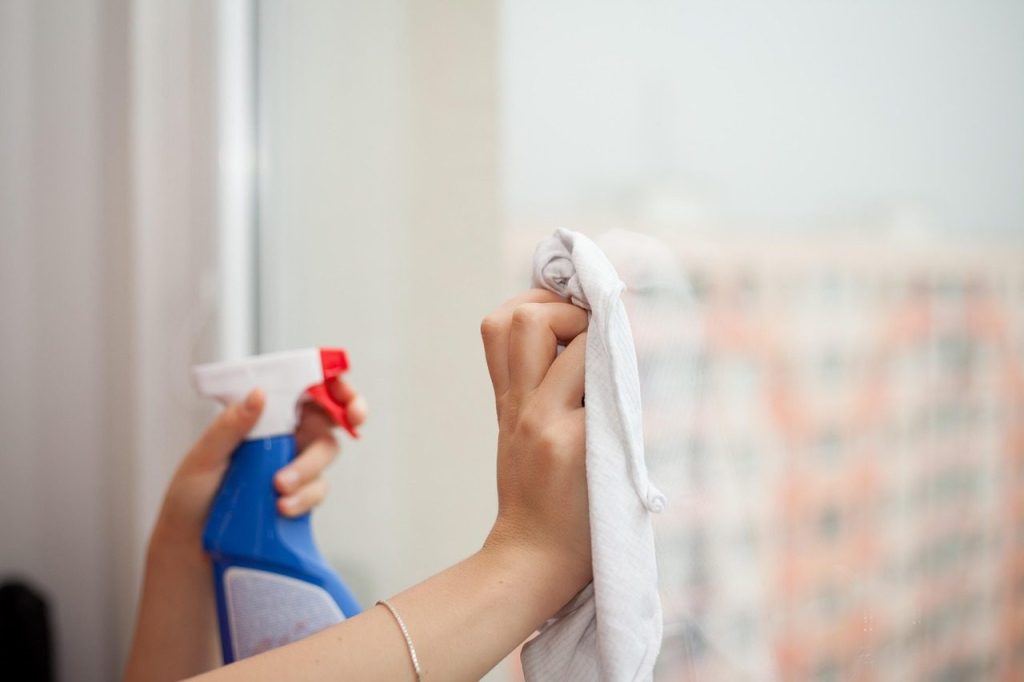
Ammonia is found in many popular window cleaners and floor polishes. This chemical releases powerful, irritating fumes that can quickly trigger severe asthma attacks in cats. Felines have highly sensitive respiratory systems that do not tolerate strong synthetic odors. If you smell ammonia, your cat is likely breathing in harmful vapors. But this is not the only common cleaner to avoid.
The hidden threat lurking in pine cleaners
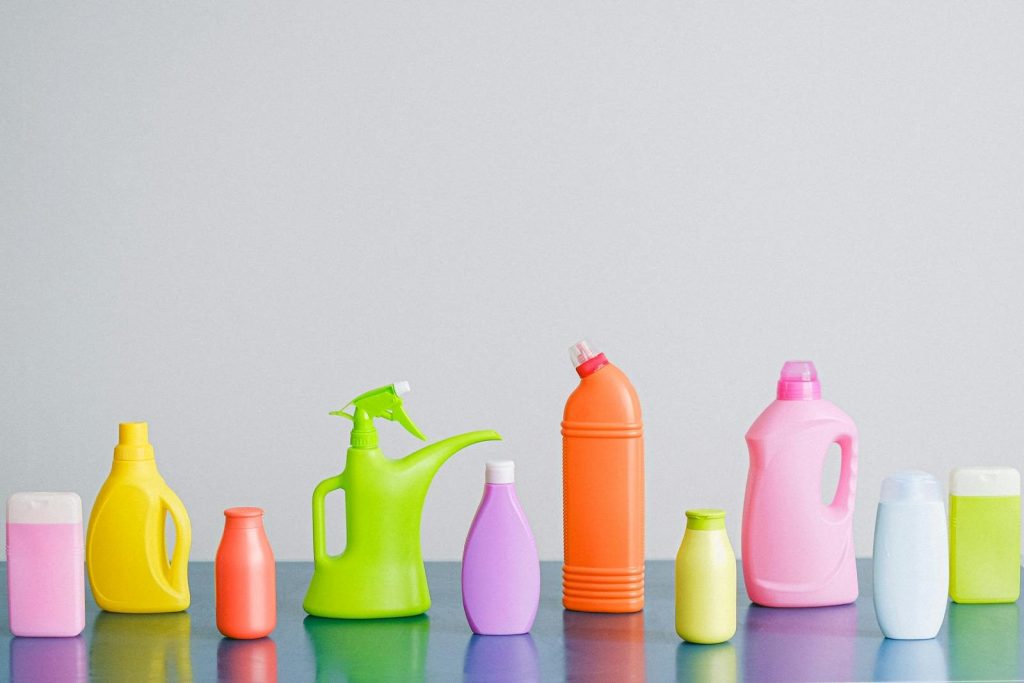
Pine oil cleaners are excellent at cutting through grease, but they contain compounds called phenols. Feline livers lack the specific enzymes needed to process phenols safely. Exposure can lead to severe liver damage or even sudden organ failure. Dr. Elizabeth Carter, writing for the Journal of Veterinary Medicine, warns that even breathing these wood scents can be toxic. Another household staple is equally dangerous.
How common is it to burn sensitive paws?
Liquid bleach is a powerful disinfectant, but it is highly corrosive. Direct contact can cause painful chemical burns on your cat’s sensitive paw pads and skin. If ingested through grooming, it can severely damage their throat and stomach lining. Always rinse bleached surfaces thoroughly with fresh water before letting your pet near them. Meanwhile, a popular trendy product poses a silent risk.
The surprising danger of essential oil sprays
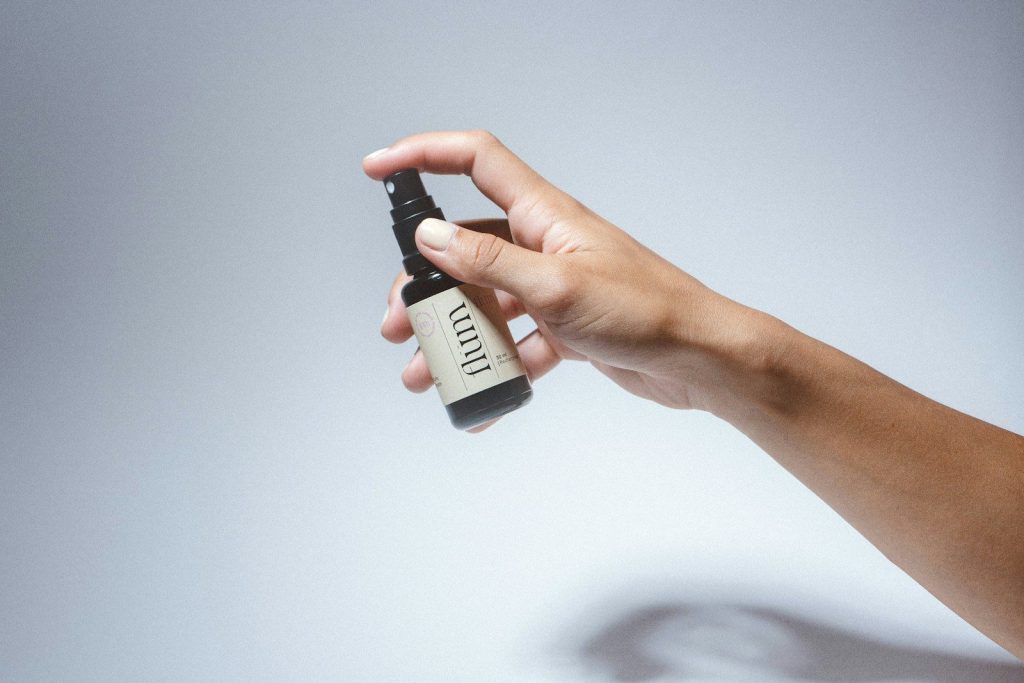
Many modern air fresheners and cleaning sprays use natural essential oils like eucalyptus, tea tree, or citrus. While humans love these calming scents, they are highly toxic to cats. These concentrated oils can cause muscle weakness, drooling, and respiratory distress upon contact. This article is for informational purposes only and does not constitute veterinary medical advice. Fortunately, keeping a safe home is simple.
Switching to pet-friendly cleaning alternatives
You do not need harsh chemicals to keep a spotless home. Safe alternatives like distilled white vinegar, baking soda, and diluted dish soap are highly effective against grime. Many trusted brands now manufacture certified pet-safe cleaning products that contain zero toxic residues. Look for labels that specifically state they are safe for multi-pet households. But you must also adjust your cleaning habits.
A simple routine to keep pets safe
Always lock your cat in a separate room while you clean the rest of the house. Wait until all surfaces are completely dry and the air has cleared before letting them explore. Store all chemical bottles in secure, child-proof cabinets where curious paws cannot reach. Taking these easy precautions protects your beloved companion and gives you ultimate peace of mind.
Featured Image: Photo by Antoine Pouligny on Unsplash