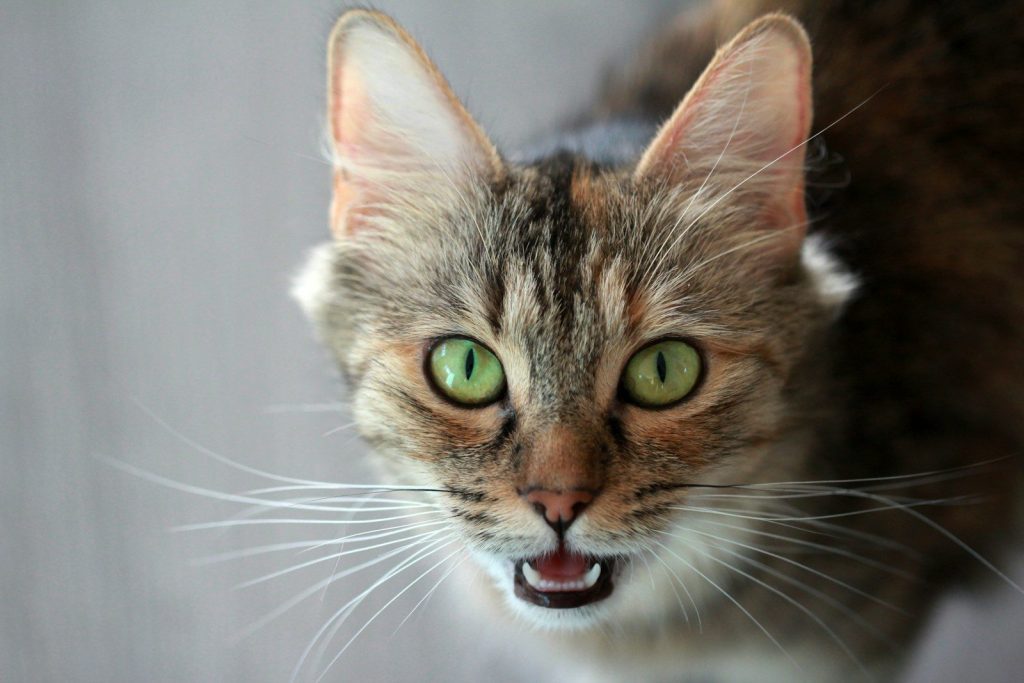

Do you talk to your pet in a high-pitched baby voice? While your friends might laugh, science has some incredible news for you.
Recent studies have confirmed that your feline companion is actively listening and adjusting their vocal behavior just for you. Here is how they listen.
How felines process the sound of your voice
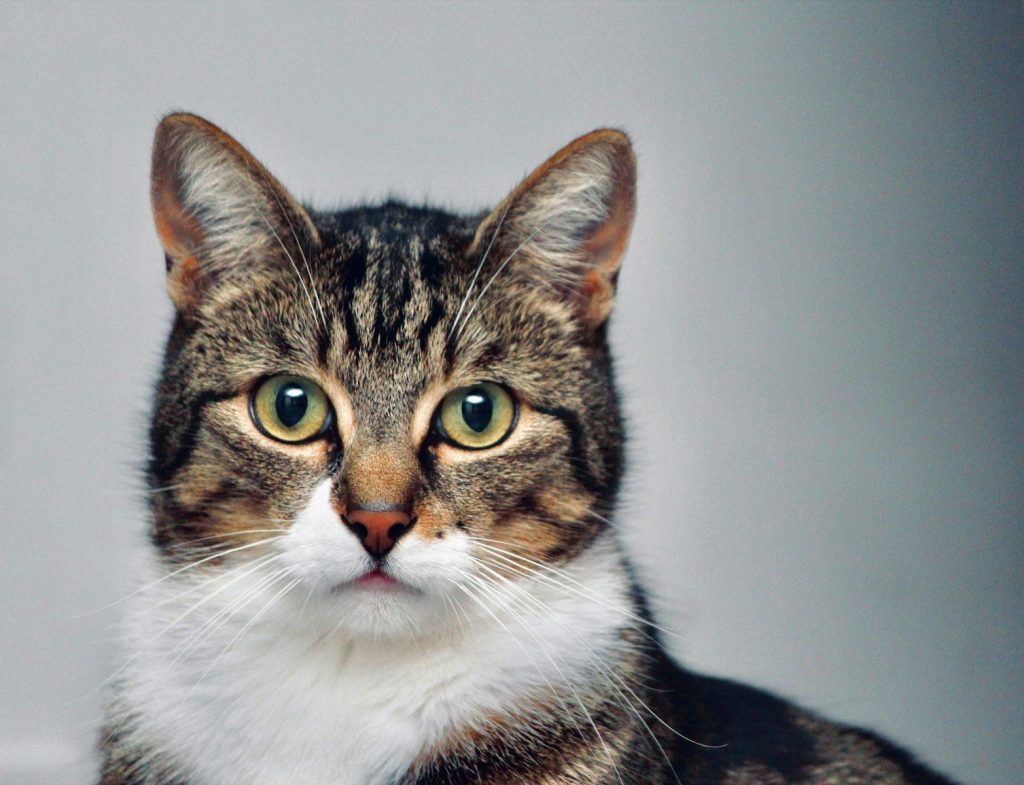
Cats do not just hear your words as random noise. A study published in the journal Animal Cognition revealed that they can easily distinguish their owner’s voice from a stranger. When you speak, their ears twitch, and their pupils dilate to focus on your location. They are searching for emotional cues in your tone. But do they actually understand what you say?
The power of a custom baby voice
Humans naturally raise their pitch when speaking to infants or pets. Researchers found that cats respond far more to this high-frequency speech than to normal adult tones. It grabs their immediate attention and makes them feel secure in your presence. This specific vocal pattern strengthens your household communication. However, they are also analyzing your body language.
Connecting vocal sounds with physical outcomes
Felines are masters of association and quick learning. If you say food in a happy voice before dinner, they connect that sound with a rewarding meal. Over time, they develop a custom dictionary of human words they recognize. This mental map helps them navigate daily life with ease. But you might be surprised by how they respond to you.
The custom meow was created just for you
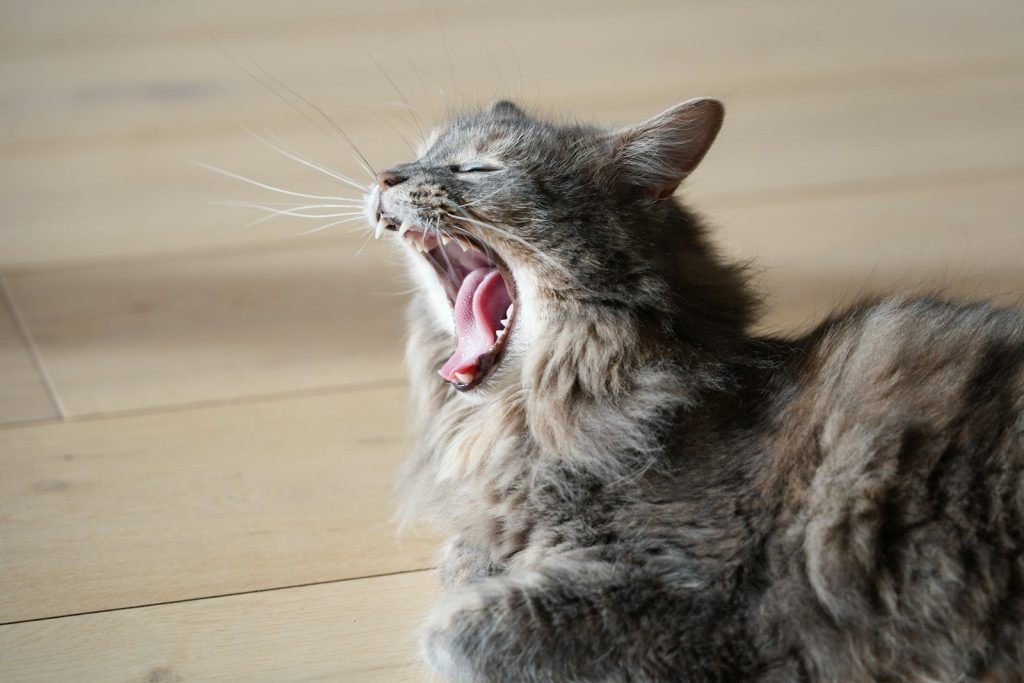
Adult cats rarely meow at other felines in the wild. They developed this high vocalization specifically to communicate with human beings. Your pet will adjust the pitch of their meow based on what gets your attention quickest. It is a highly customized language built between you two. Still, their silence can also speak volumes.
Reading the quiet signals of feline listening
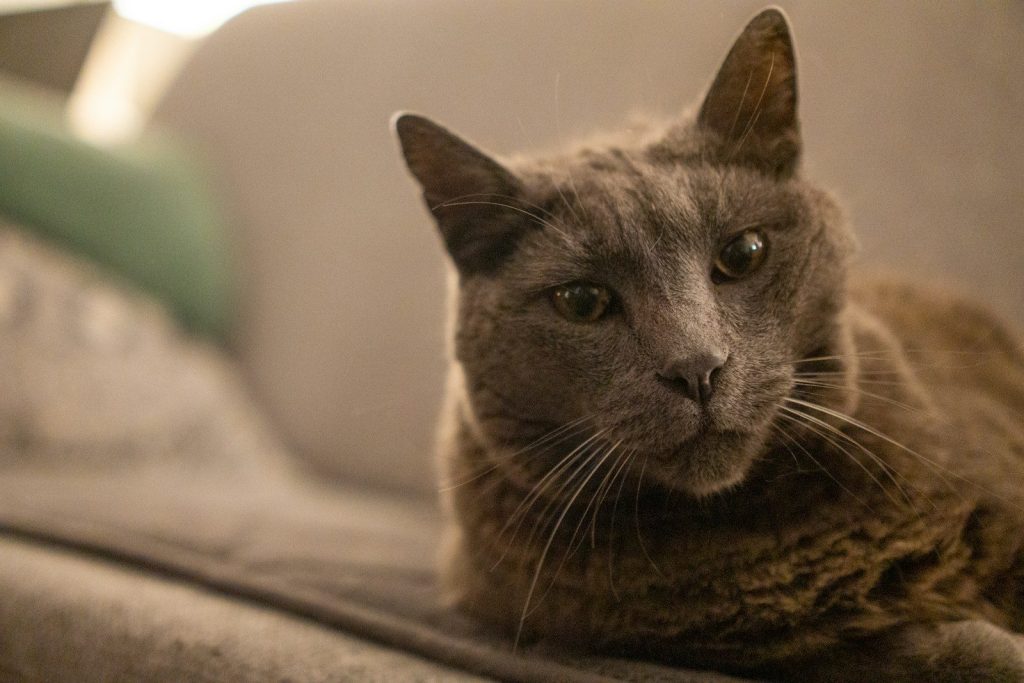
Sometimes your cat will not meow back when you speak. Instead, they might simply twitch a single ear or slowly blink in your direction. These quiet movements are active acknowledgments of your voice. They are saying hello without making a single sound. But what happens if you stop talking to them?
The emotional impact of vocal neglect
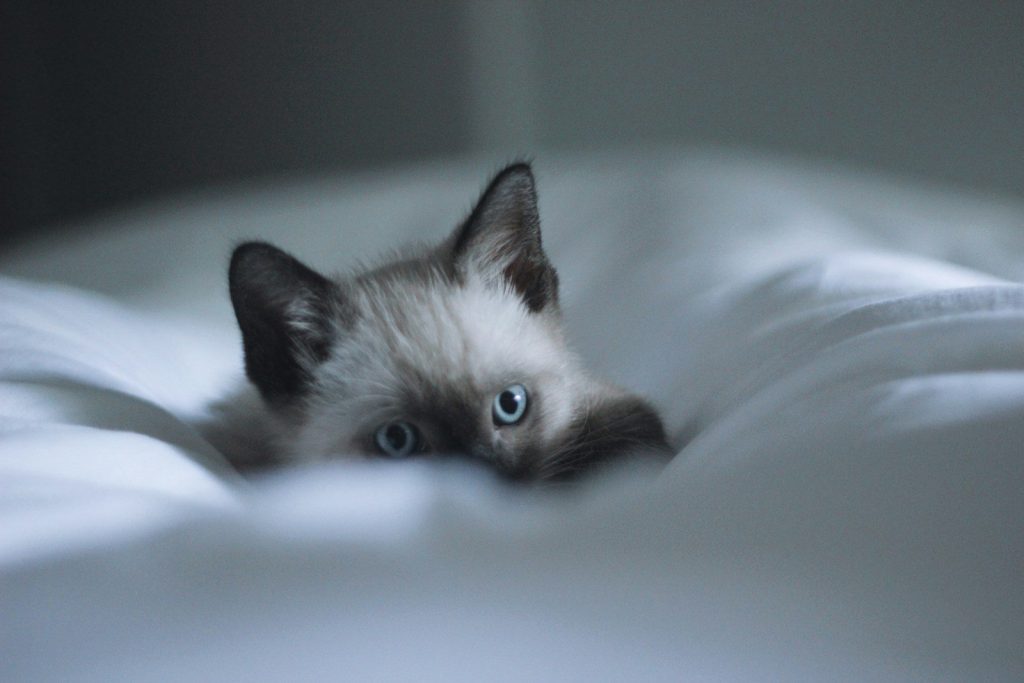
Keeping a completely quiet home can sometimes cause mild stress to an indoor animal. They rely on your familiar voice to feel secure when the house gets dark. Chatting with your pet throughout the day lowers their anxiety levels naturally. It is a simple way to keep their brains active and healthy. But can you teach them to talk more?
Encouraging vocal conversation through rewards
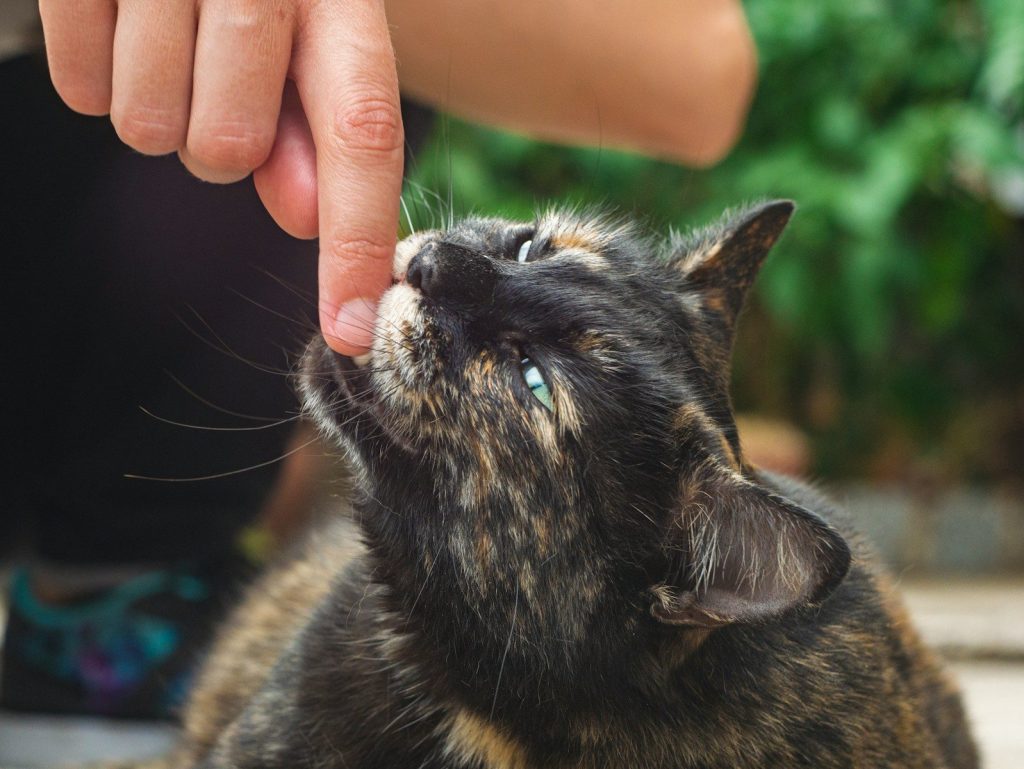
You can easily train your pet to be more talkative. Respond to their quiet meows with soft praise or a small treat to encourage the behavior. They will quickly realize that talking back is a highly rewarding game. This interactive play keeps their senior minds incredibly sharp. However, sudden changes in their vocal style need close attention.
Monitoring sudden vocal changes with a vet
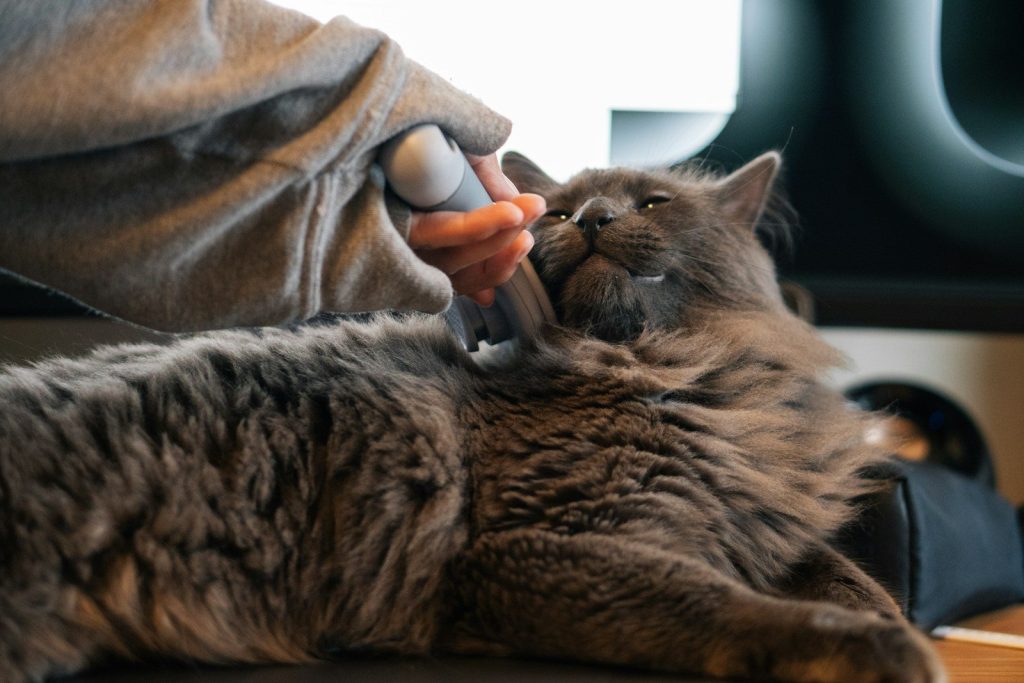
If a quiet cat suddenly starts crying loudly, a medical checkup is essential. This behavior can sometimes indicate early joint discomfort or thyroid issues in senior pets. This article is for informational purposes only and does not constitute veterinary advice. Keep talking to your special companion to ensure they feel loved and safe.
Featured Image: Photo by Sandy Millar on Unsplash