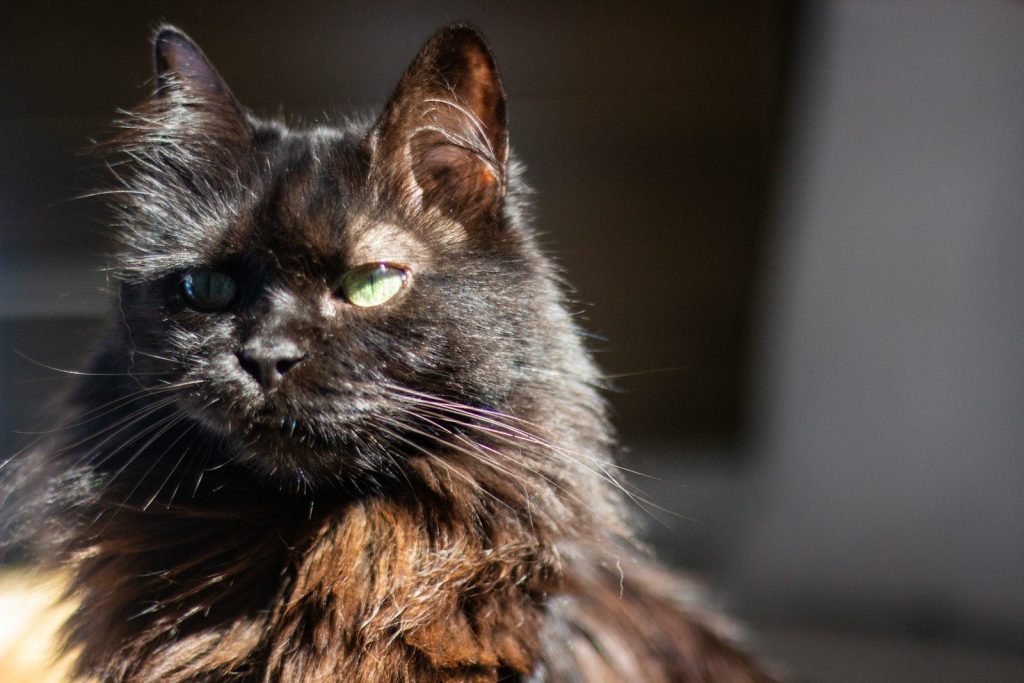

Maine Coons are famous for their massive bodies and thick coats. Most of these giant felines have green or gold eyes that help them hunt.
A stunning kitten with deep blue eyes recently captured the internet’s attention. Science explains why this beautiful look is extremely hard to find in nature.
The science of feline eye color
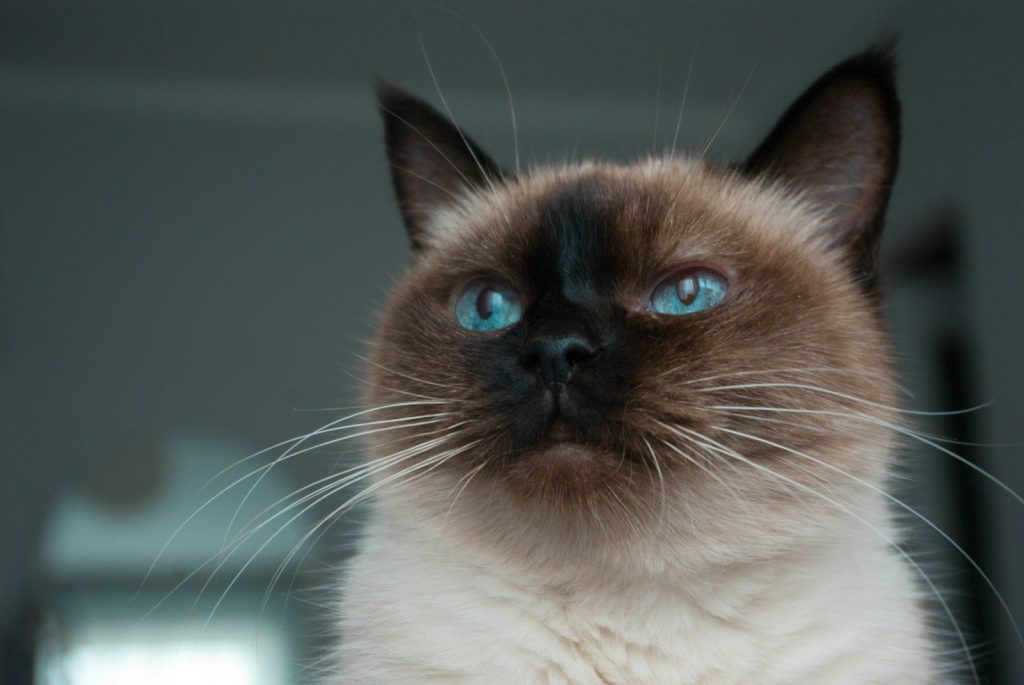
Kittens are actually born with blue eyes because their bodies lack pigment at birth. That changes fast. According to the Cornell Feline Health Center, most cats finish this color shift by twelve weeks of age. But some unique felines keep their striking blue shade forever due to a specific genetic block.
How white fur blocks the pigment
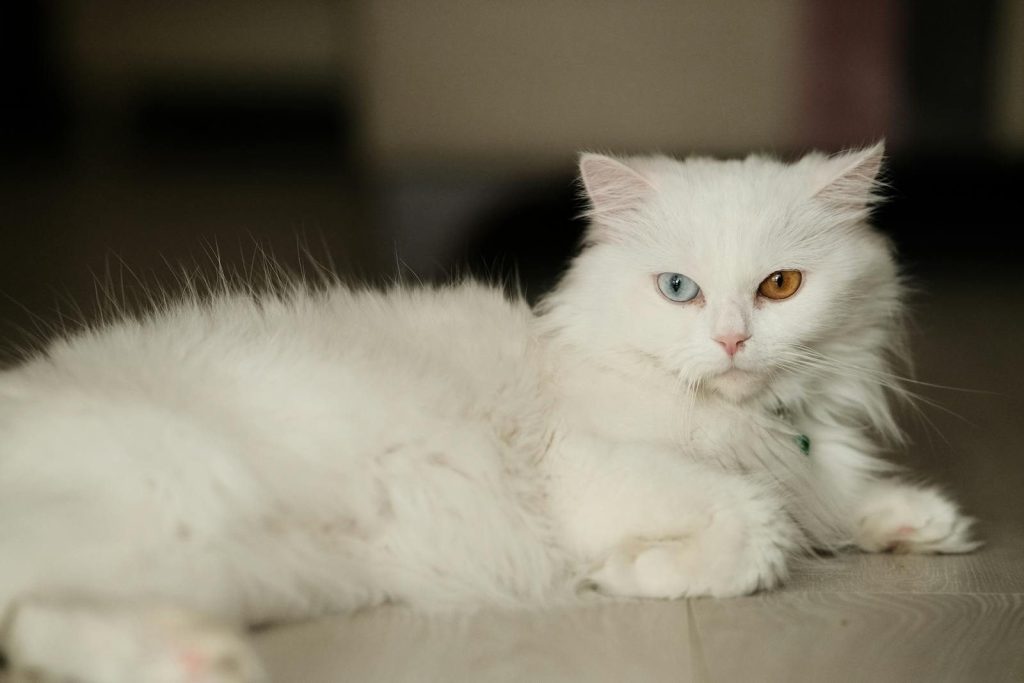
The gene for white fur often suppresses color development in the eyes as well. This creates strikingly odd eyes. But finding blue eyes in a cat with a dark colored coat is incredibly rare. This unique combination requires a very specific mutation that puzzles many breeders.
The mysterious albinism gene at work
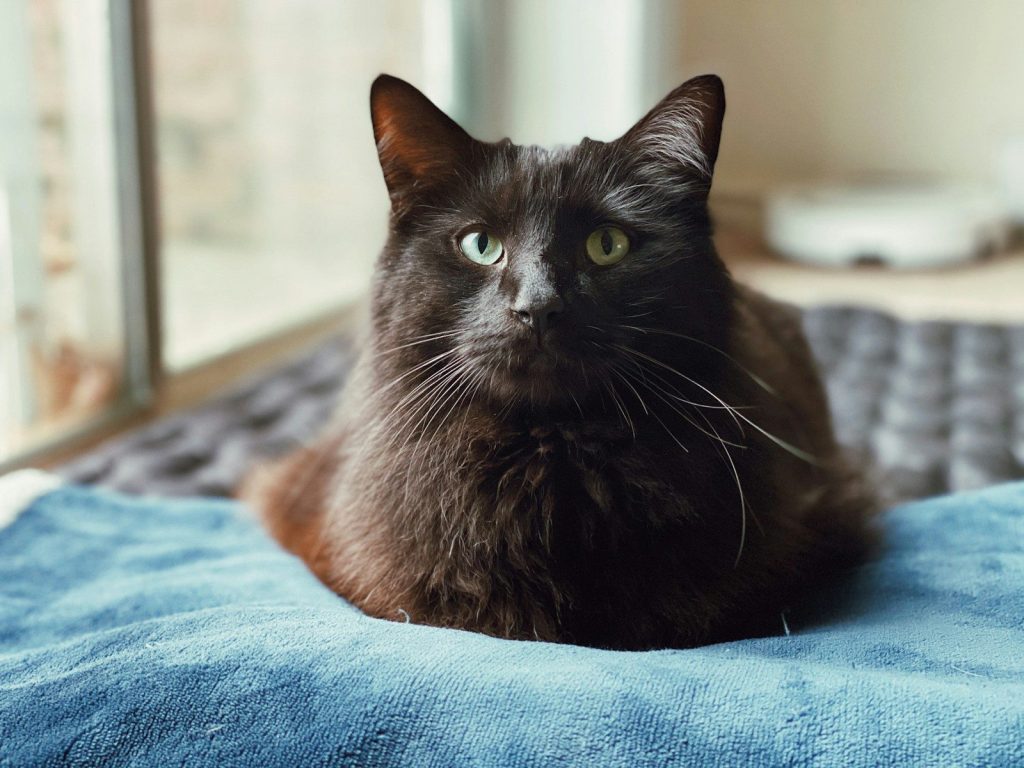
Some blue-eyed dark cats carry a recessive form of partial albinism. It acts like a mask. The pigment only develops in the warmest parts of their bodies, leaving their eyes bright blue. But breeders must be extremely careful when working with these rare genes.
The connection between blue eyes and hearing
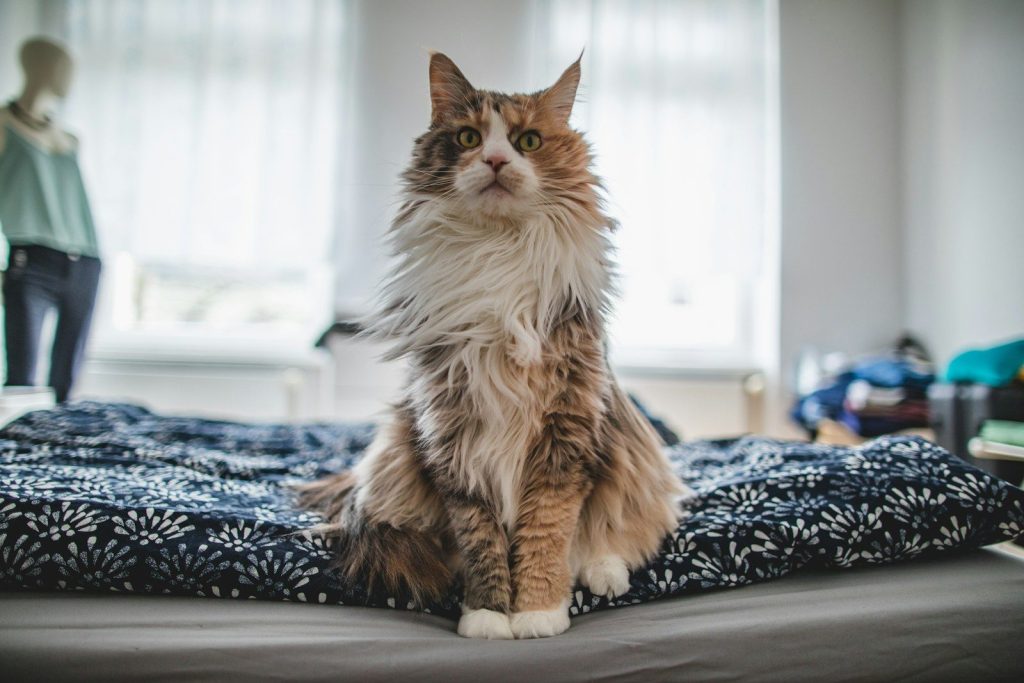
Many people believe that all blue-eyed cats are born completely deaf. This is mostly a myth. The Cat Fanciers Association recommends professional hearing tests to ensure these unique pets are healthy. However, their physical size presents another interesting challenge for owners.
Managing a giant hunter indoors
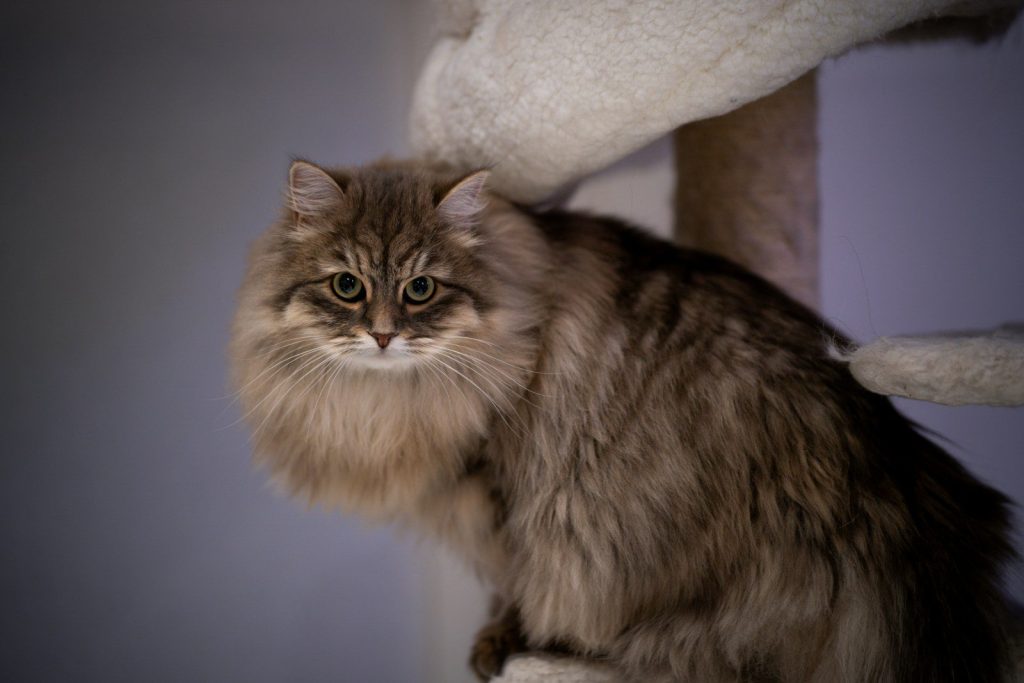
Maine Coons can grow to be over twenty pounds and need massive vertical climbing spaces. They love climbing high. Using sturdy scratching posts keeps their claws clean and protects your furniture from damage. But their beautiful eyes also need some special daily maintenance.
Cleaning the delicate facial areas
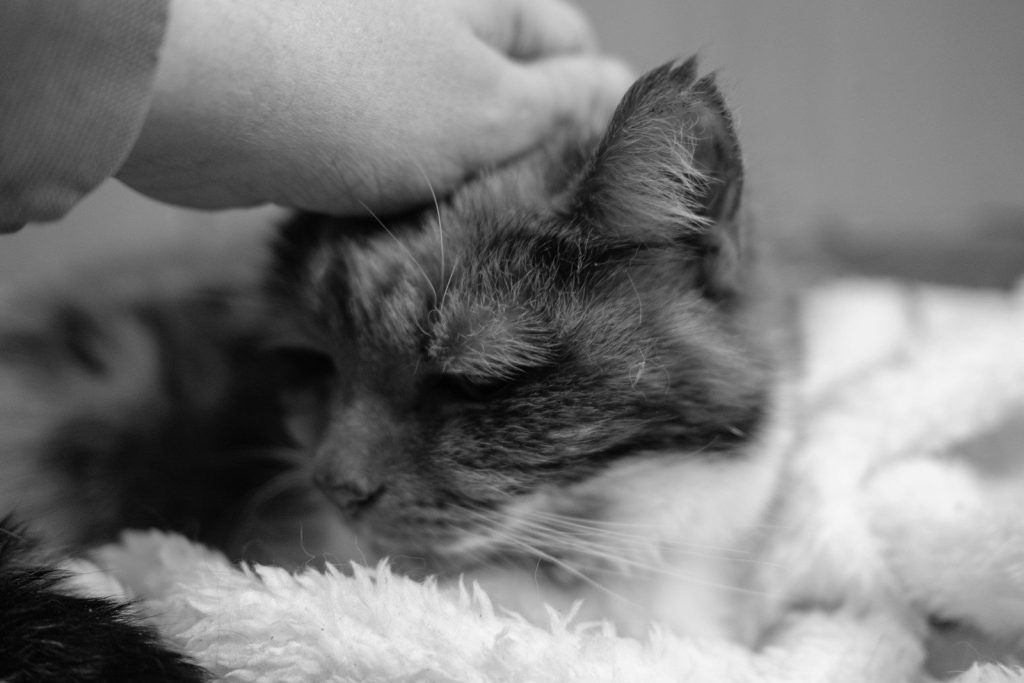
Large cats with flat profiles often produce excess tears that can stain their fur. A daily wipe keeps them clean. The American Veterinary Medical Association suggests keeping a close watch on any sudden eye cloudiness. That simple check can catch serious health issues before they spread.
Why high-quality diets protect vision
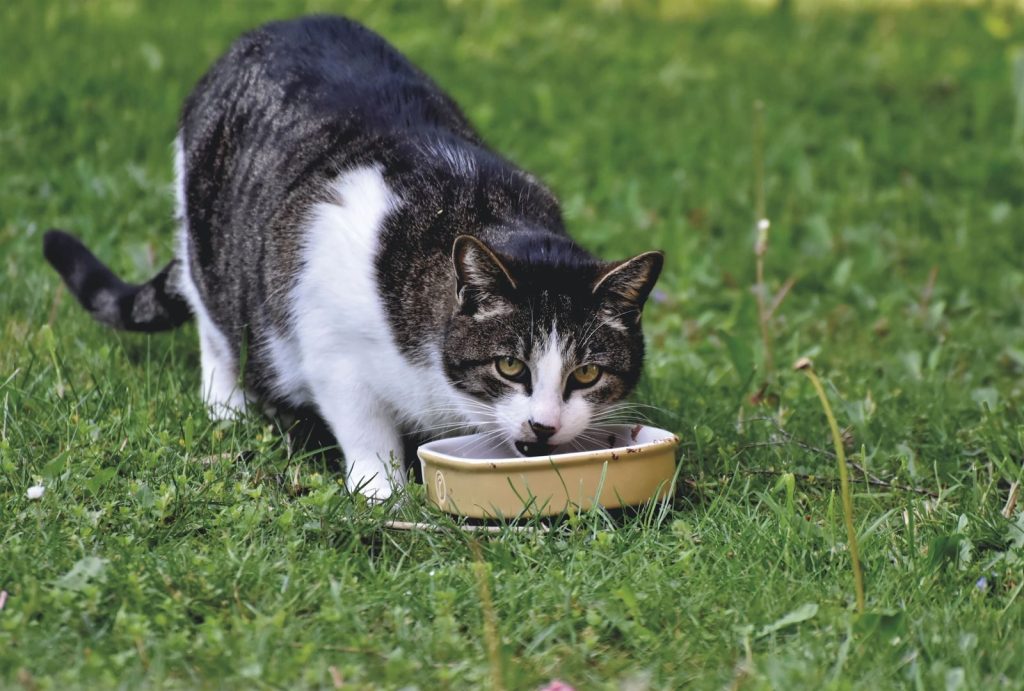
Felines need a critical amino acid called taurine to maintain their retinal health. This compound is vital. Feeding a balanced diet approved by your veterinarian keeps their striking blue eyes working perfectly. But how can you test your own pet vision at home?
A simple test for your pet’s health
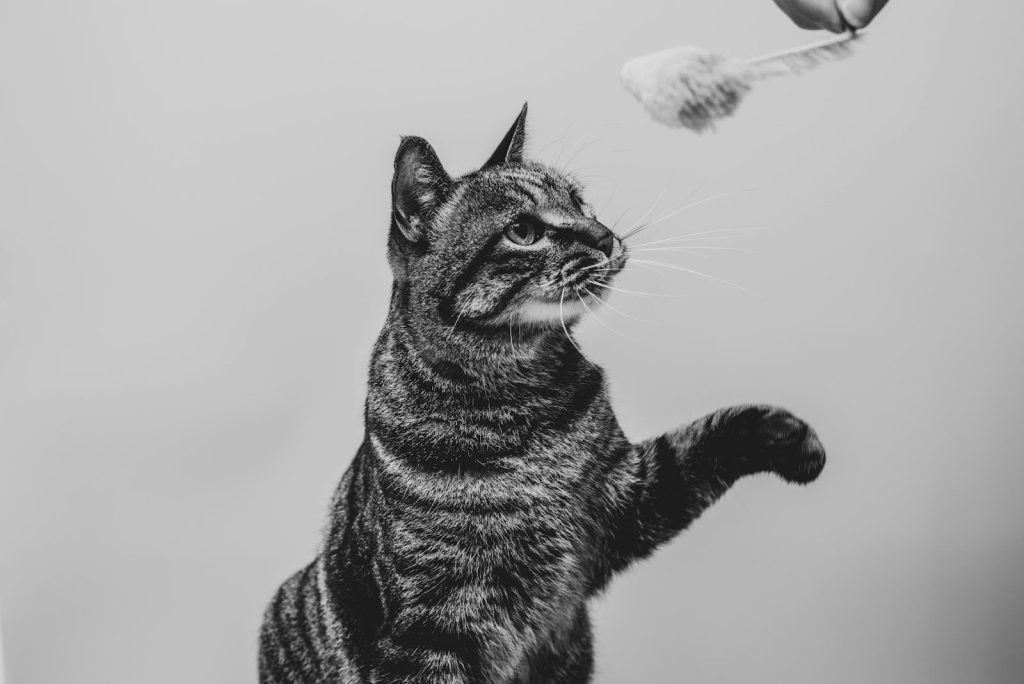
Wave a feather slowly in front of their face to see if their pupils follow the movement easily. They should track it instantly. This article is for informational purposes only and does not constitute veterinary advice. Watching a beautiful giant cat thrive is a truly rewarding experience for any owner.
Featured Image: Photo by Guilherme Braga on Unsplash