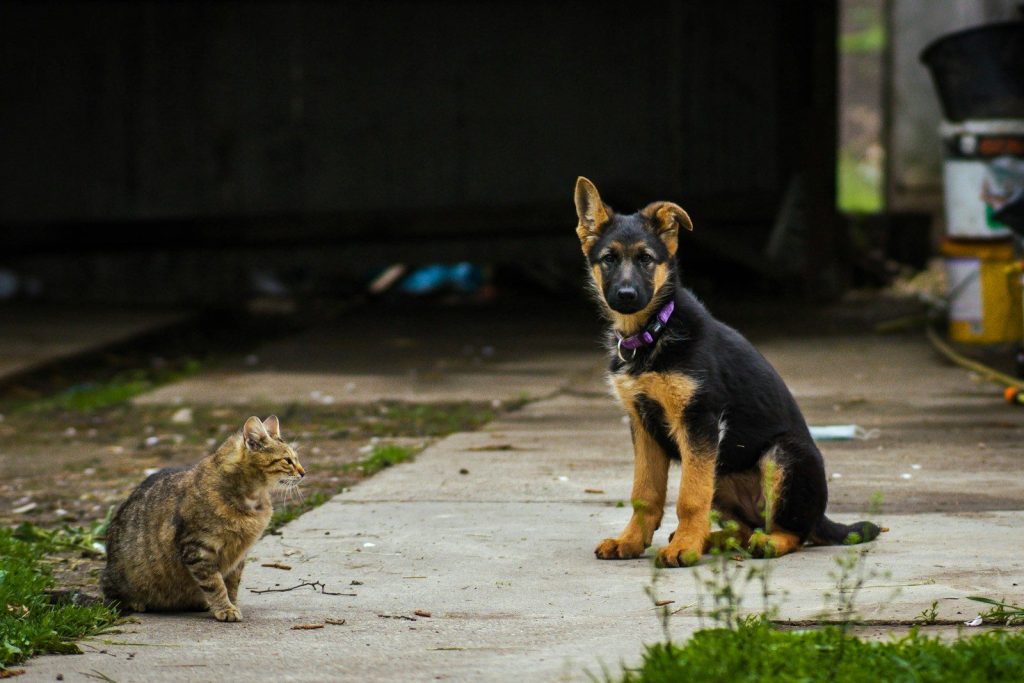

A giant dog walks into the living room and spots a tiny kitten. The fragile baby weighs less than a single pound but shows absolutely no fear.
Many owners worry about introducing these two vastly different animal species. However, science reveals a unique biological trick that helps them bond instantly.
The surprising power of juvenile features
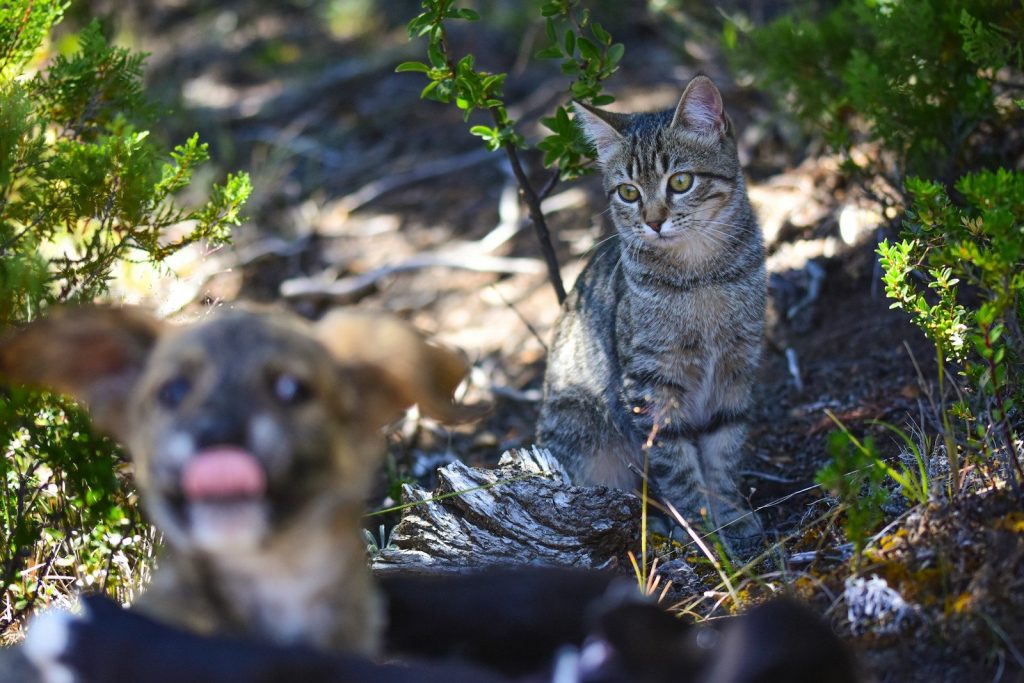
Tiny kittens possess oversized eyes, round faces, and high-pitched vocalizations. Feline behaviorists note these baby-like traits trigger a powerful nurturing response in most domestic dogs. Even large hunting breeds often soften their posture when they encounter a helpless baby animal. But introducing them safely still requires a highly structured plan.
Keeping the first meeting brief
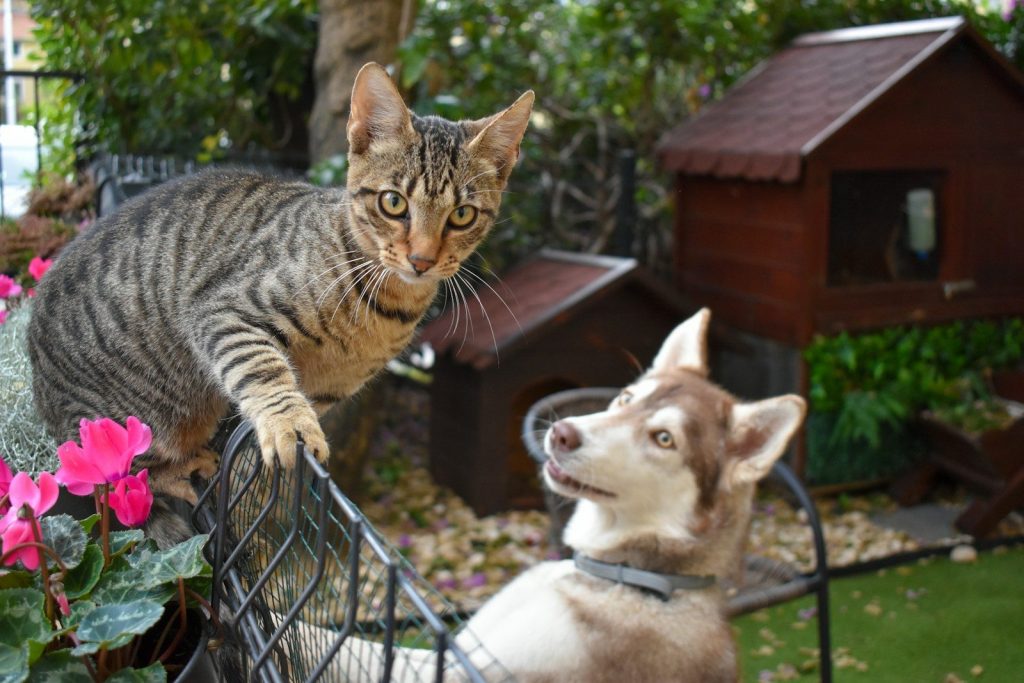
Never rush the initial scent exchange between a dog and a new kitten. The American Veterinary Medical Association suggests using a secure baby gate to separate their spaces at first. This barrier lets them sniff and watch each other without any physical contact. It keeps the energy levels calm and controlled. But a dog’s body language can change in a split second.
Watching for dangerous predatory signs
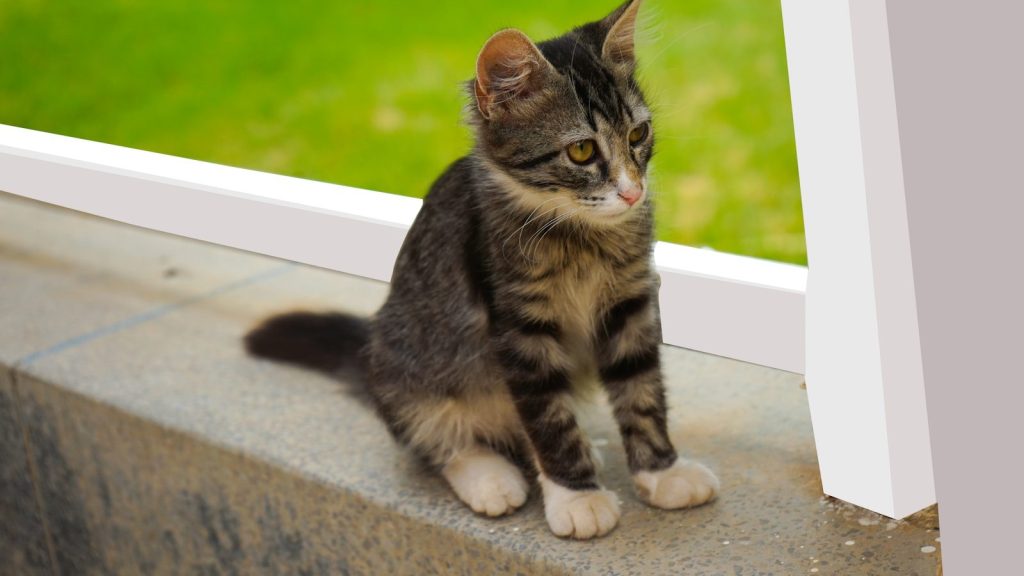
A relaxed dog will wag their tail slowly and blink their eyes. If your dog freezes, stares intensely, or starts whining, they might be viewing the kitten as prey. Immediately redirect their attention with high-value treats to break their focus. Managing this high-arousal state prevents dangerous accidents in the home. Yet the kitten’s behavior also plays a massive role in this relationship.
Understanding the kitten’s lack of fear
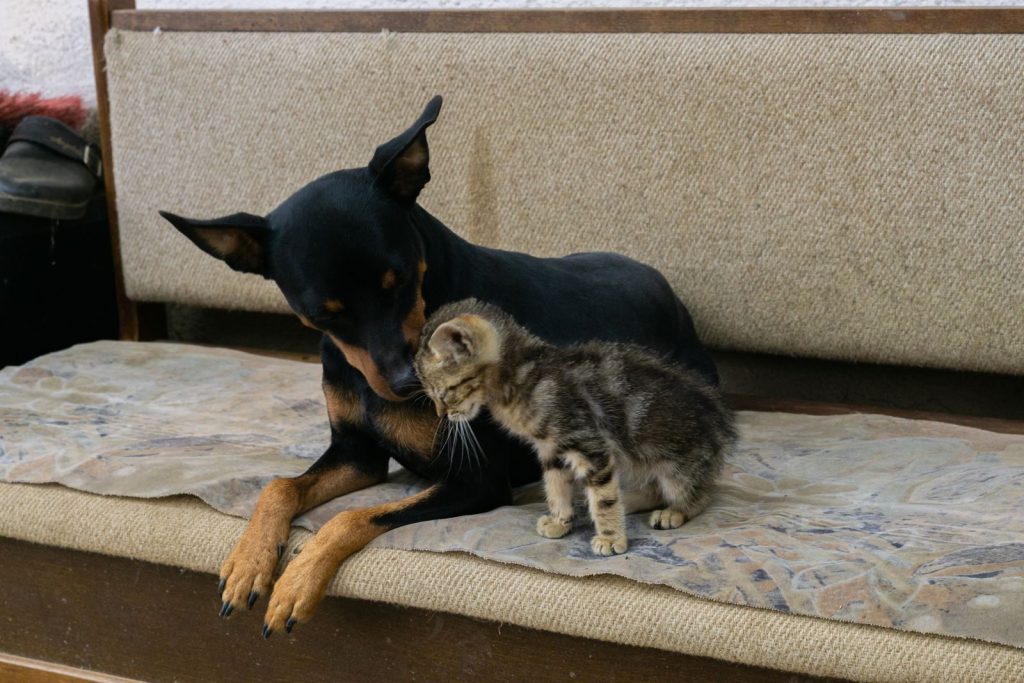
Kittens under eight weeks old are in their prime socialization window. They do not carry the natural fear of dogs that adult street cats possess. This innocent confidence often disarms protective dogs, turning potential tension into playful curiosity. They see the large dog as a warm, giant climbing tree. But this fearless play needs strict human supervision.
Creating safe high escape routes

Even the most friendly dog can accidentally step on a fragile kitten during play. Installing sturdy shelves and tall cat trees gives your kitten a quick way to escape. Felines feel much more secure when they can monitor the room from above. This simple setup keeps the household dynamic peaceful and balanced. But did you know their diet can also help them bond?
Feeding them separately to avoid jealousy
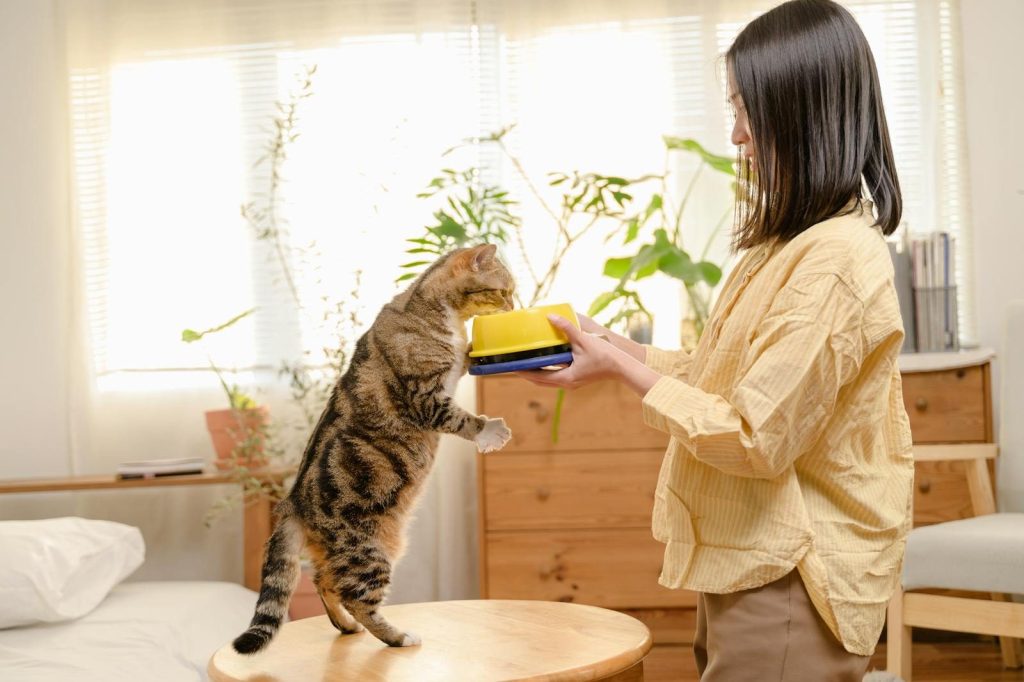
Food resources can easily trigger protective instincts in dogs. Always feed your new kitten in an elevated space where the dog cannot reach their dish. According to the ASPCA, separate feeding routines prevent territorial tension and keep both pets relaxed. This boundary ensures mealtime remains a positive experience for everyone. Still, their sleeping habits might show the ultimate sign of friendship.
Snuggling together for shared warmth
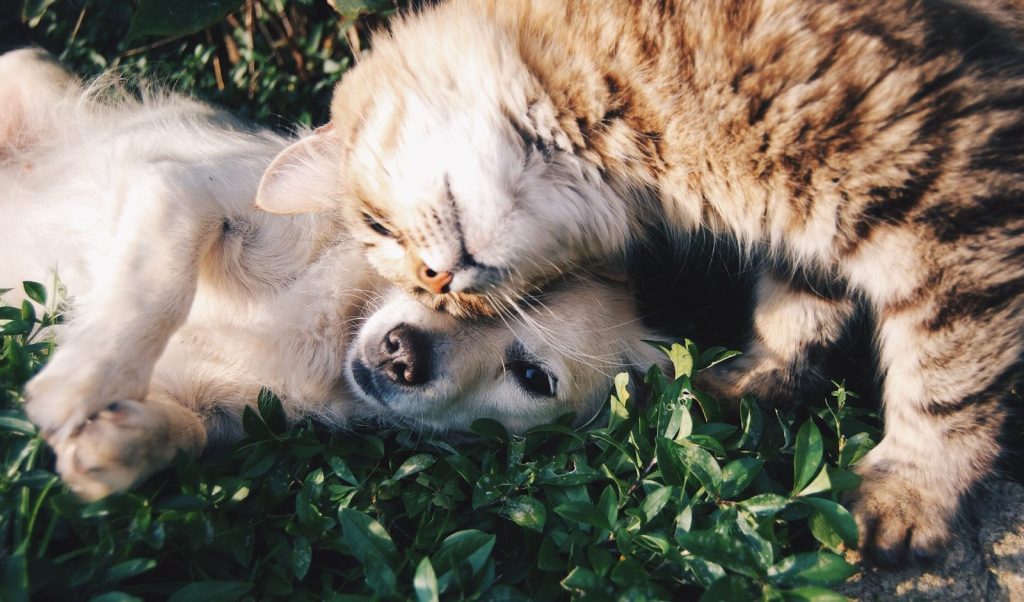
Once trust is established, many dogs and kittens become inseparable napping partners. The kitten loves the dog’s thick fur, while the dog enjoys the soothing sound of purring. This close physical contact helps them merge their scents into a unified household pack smell. It creates a deep bond that lasts for their entire lives. But how can you keep this friendship safe as they grow?
Monitoring their growing play styles
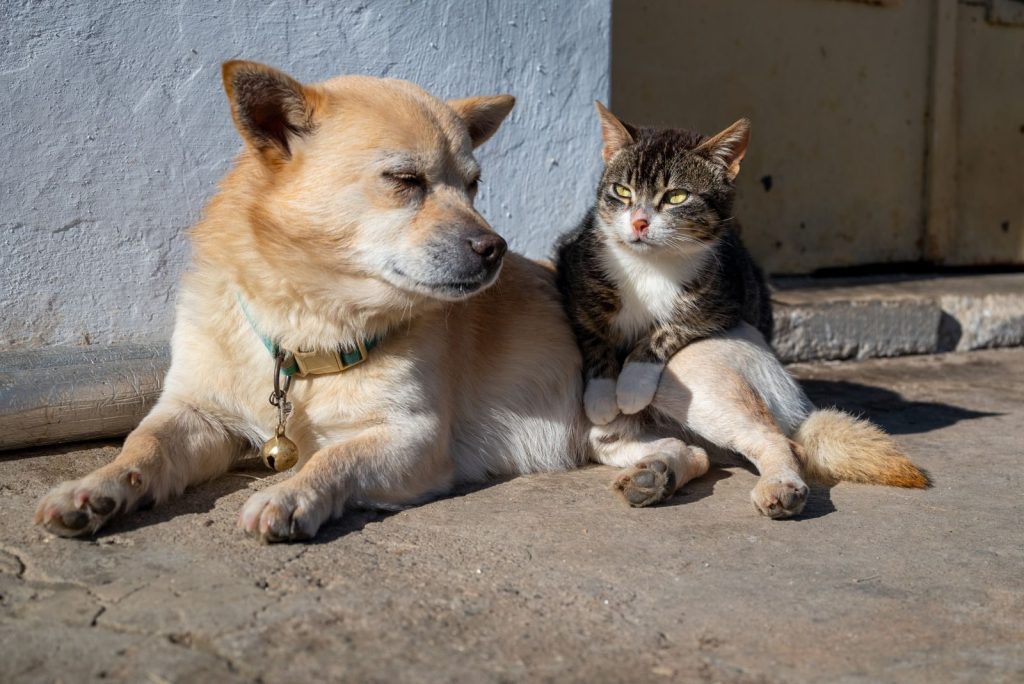
This article is for informational purposes only and does not constitute veterinary advice. Keep schedule checkups with your veterinarian to monitor both animals’ health and development. Your careful guidance will help your two uniquely different pets grow into lifelong best friends.