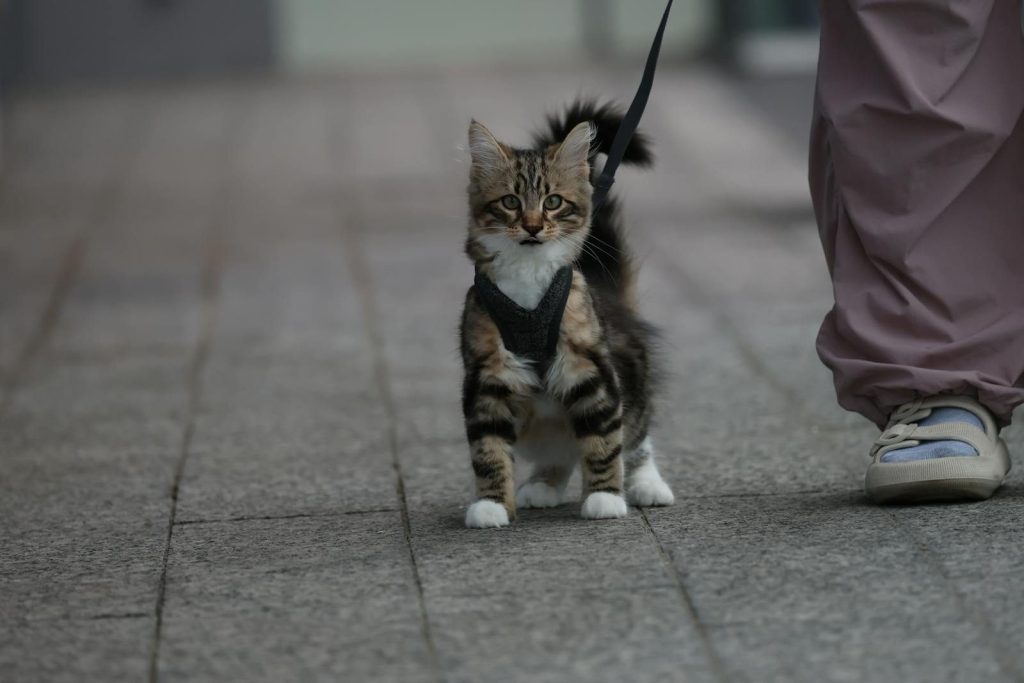

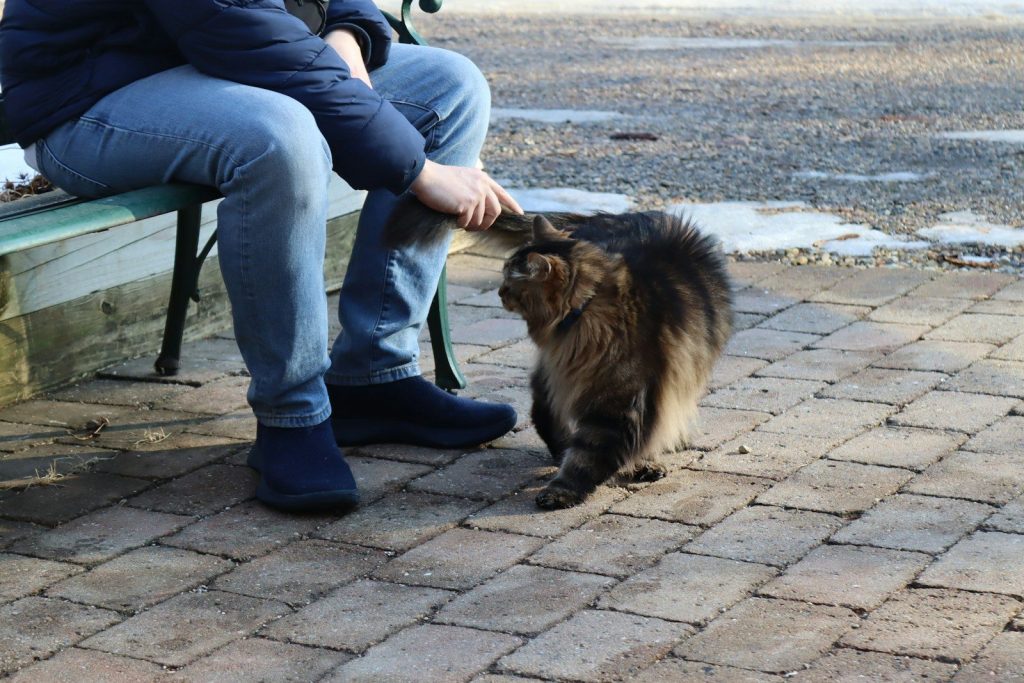
You see a massive Maine Coon stepping confidently down the sidewalk on a leash. This unusual sight stops busy neighbors in their tracks every single day.
Walking a giant feline provides incredible mental stimulation and healthy exercise. But taking your massive pet outside requires some careful preparation and specialized gear.
Why normal collars are dangerous for walks
Cats have highly flexible throats that can easily be crushed if they pull against a traditional neck collar. A startled feline can also slip out of a loose collar within seconds and run away. According to the ASPCA, a specialized, escape-proof harness is the only safe way to secure your pet outdoors. But finding the right harness size for a giant breed is crucial.
Measuring your giant feline for the perfect fit
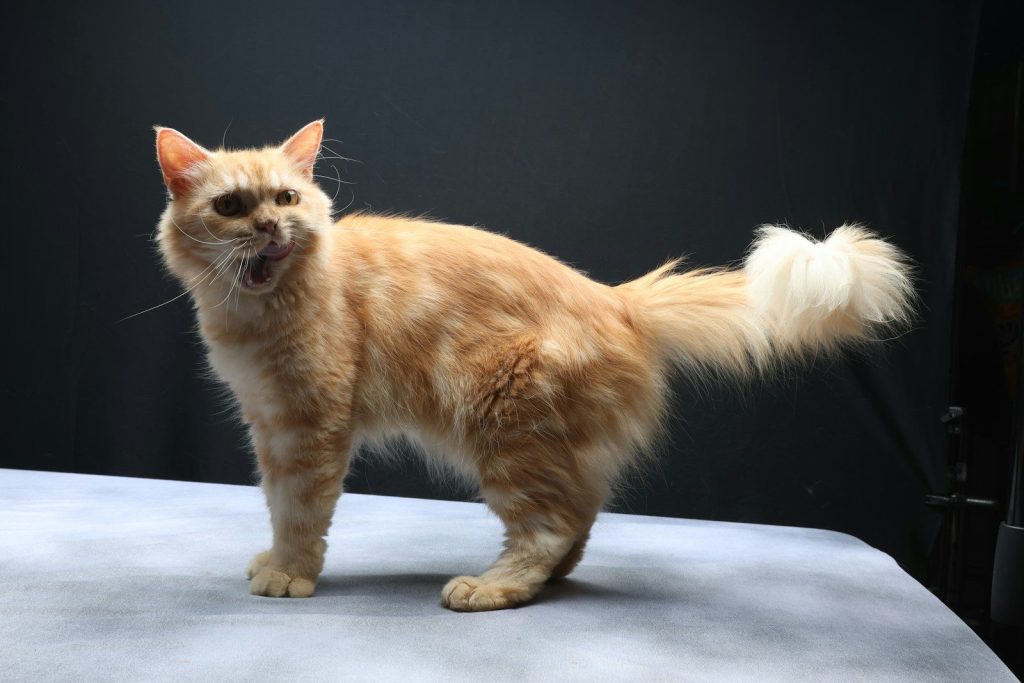
Giant breeds like Maine Coons need harnesses designed for small dogs to accommodate their large chests. Measure their girth right behind their front legs to find the correct size before buying. The harness should feel snug but allow you to slip two fingers under the straps comfortably. Once you have the gear, the training must start indoors.
Helping your pet get comfortable wearing gear
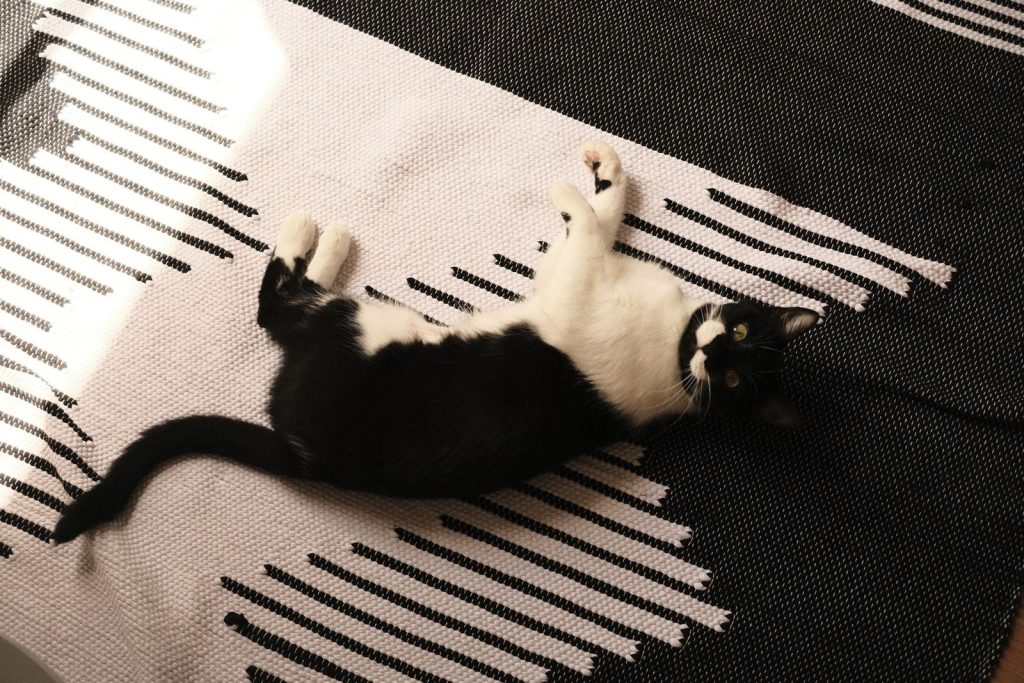
Most felines will freeze or flop on their side when they first feel the weight of a harness. Let them sniff the gear and wear it around the living room for short, reward-filled sessions. Feline behaviorists at the Cornell Feline Health Center suggest using high-value treats to build positive associations. But how do you introduce the leash safely?
Practicing leash walking inside your house first
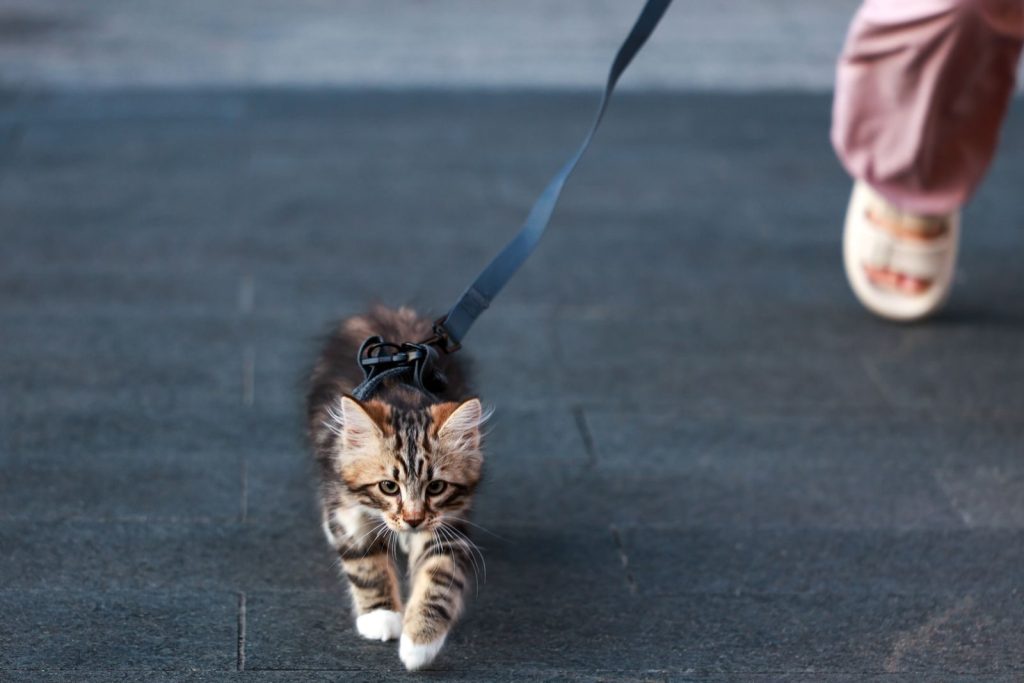
Attach the lightweight leash and let them lead you around the carpet without any pulling. Reward them with warm praise and treats when they step forward confidently by your side. This indoor practice builds their confidence before they ever face the scary sights of the outside world. Once they are walking smoothly, you can take the first step outside.
Choosing a quiet spot for their first exit
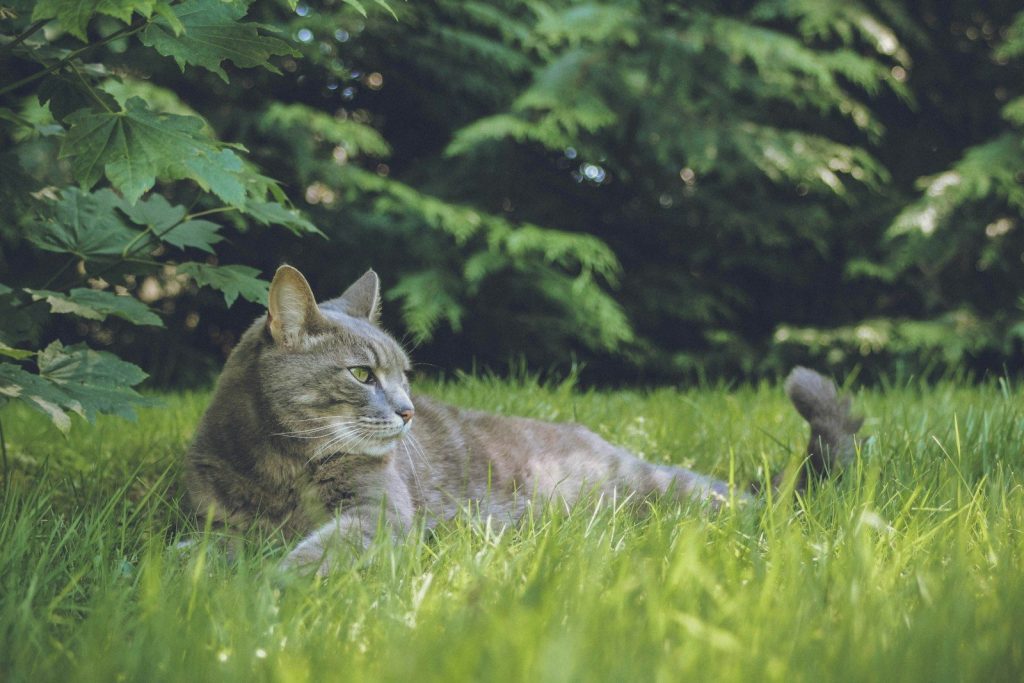
Start in a calm backyard or a quiet hallway rather than a busy public park. Felines are highly sensitive to sudden noises like barking dogs, loud cars, or passing trucks. Let them explore the grass and sniff the fresh air at their own comfortable pace. But you must always stay alert for hidden dangers.
Watching their body language for stress signals
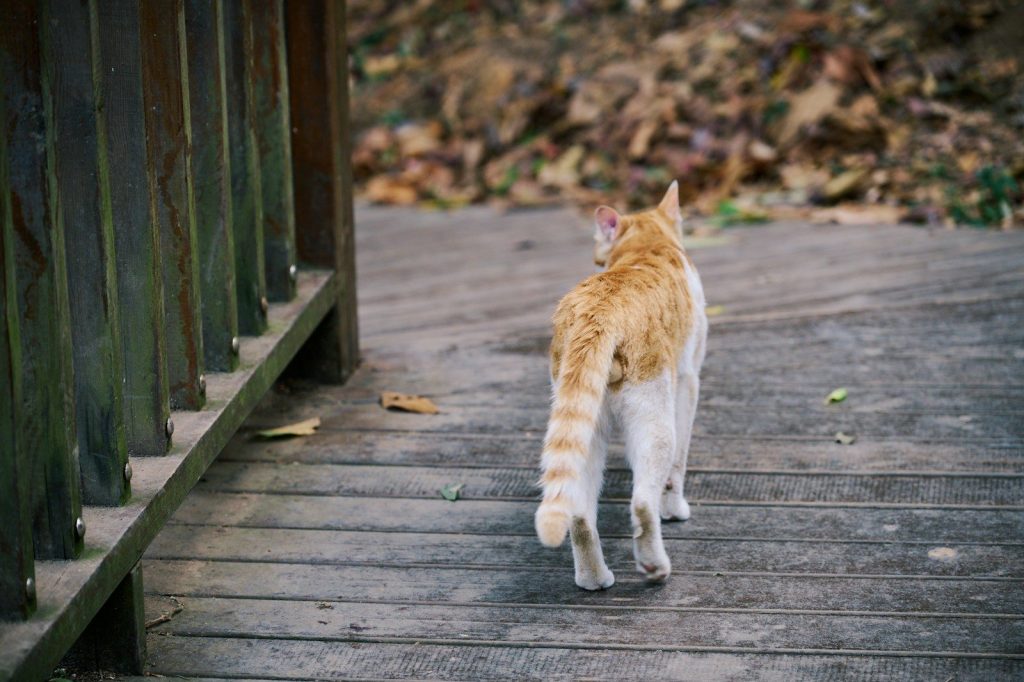
A happy cat walks with their tail held high and their ears facing forward. If their tail starts twitching heavily or their body crouches low to the ground, they are feeling overwhelmed. The American Veterinary Medical Association recommends carrying a sturdy pet backpack so you can scoop them up safely when they get scared. Yet, there is another health threat to consider.
Protecting your outdoor companion from pests
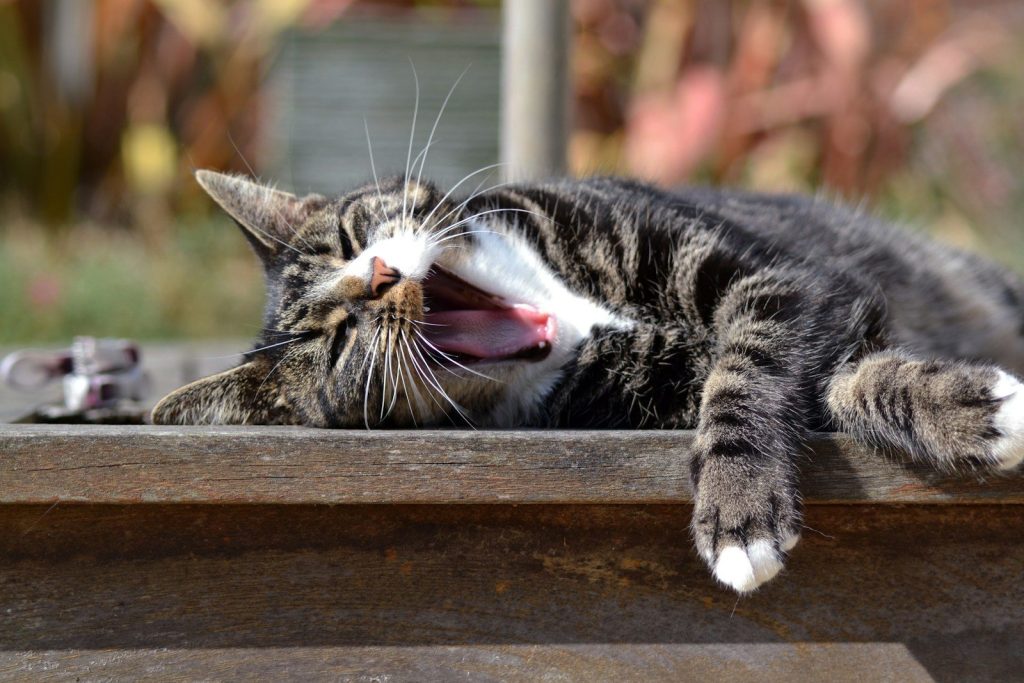
Walking in the grass exposes your large companion to dangerous fleas, ticks, and heartworms. Ensure your pet is fully up to date on all veterinary-approved preventative treatments before starting your outdoor adventures. This simple health shield keeps them safe from chronic diseases that hide in the dirt. But how do you establish a safe walking routine?
Scheduling regular walks for healthy exercise
This article is for informational purposes only and does not constitute veterinary advice. Consistency is the key to maintaining a successful outdoor walking routine with your giant companion. Your dedicated training and safe habits will help your majestic pet enjoy the great outdoors peacefully by your side.