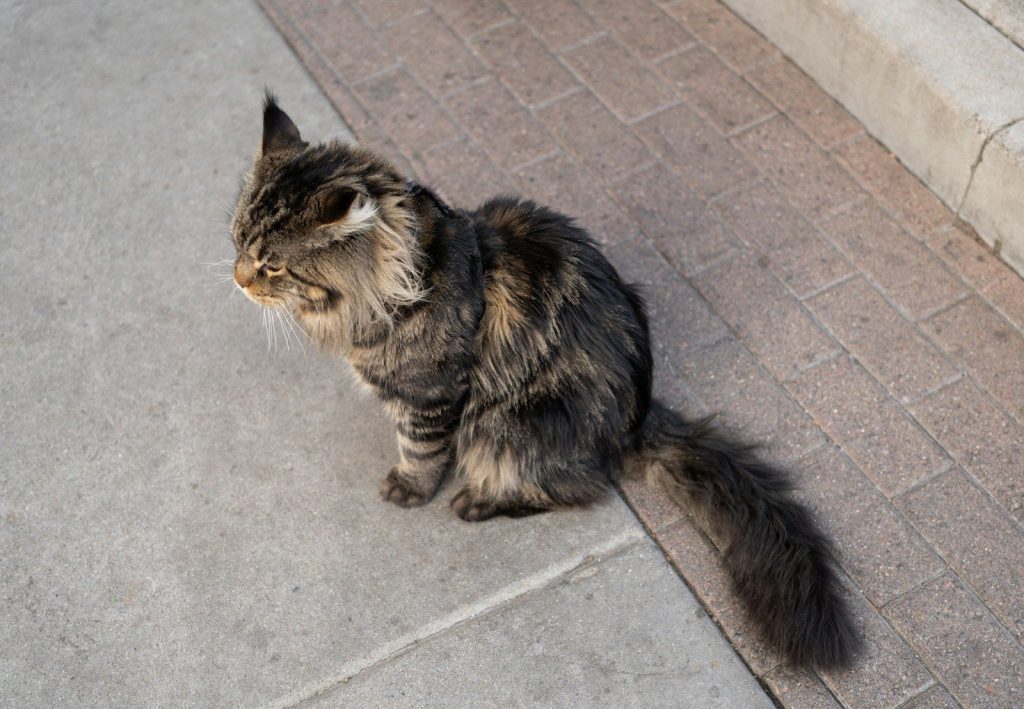

A tiny kitten tries to slip away from the safe nesting box. Suddenly, a massive paw reaches out to pull the baby back into the huddle.
Feline mothers display incredible parenting instincts when protecting their young offspring. Observing these silent moments reveals the secret rules of cat safety and family structure.
The natural instinct to guard the nest
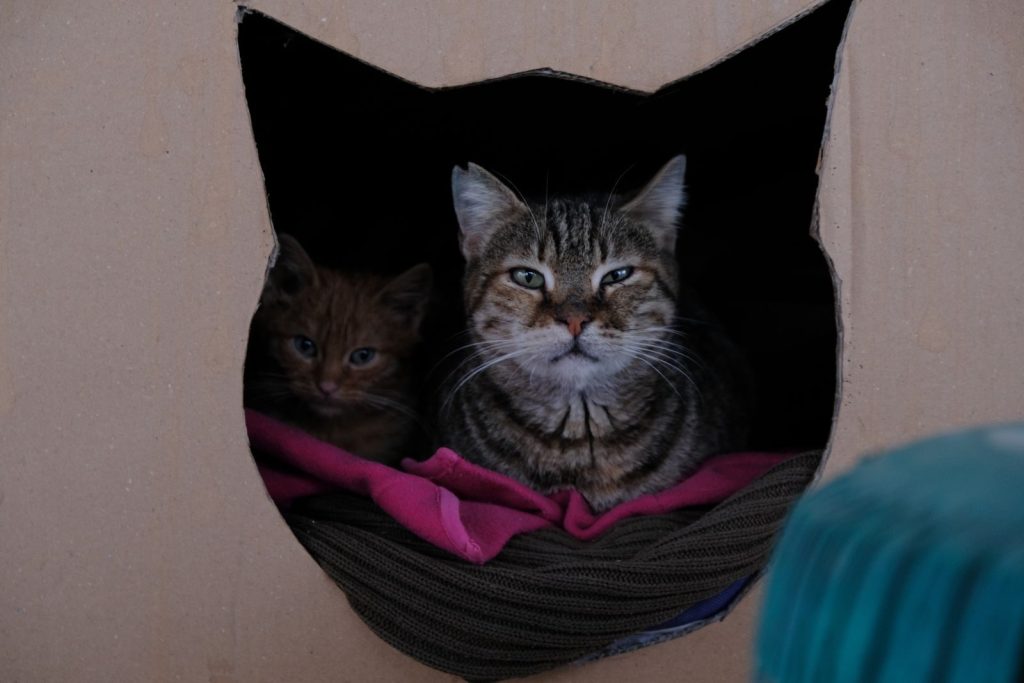
Newborn kittens are highly vulnerable because they are born deaf and blind. According to the ASPCA, mother cats rely on pheromones and scent marking to keep their litter close. If a baby wanders even a few inches away, the mother senses the danger immediately. She will stop at nothing to drag them back to warmth. But how does she physically move her heavy babies?
The gentle art of scruffing explained
Mothers use their mouth to grab the loose skin on the back of a kitten’s neck. This action triggers an involuntary calming reflex that makes the baby completely limp. Dr. Sharon Crowell-Davis notes that this biological response prevents the kitten from struggling during transport. It is a painless and efficient way to relocate the litter to a secure area. Yet mother cats use touch for another important reason.
Teaching valuable lessons about boundaries
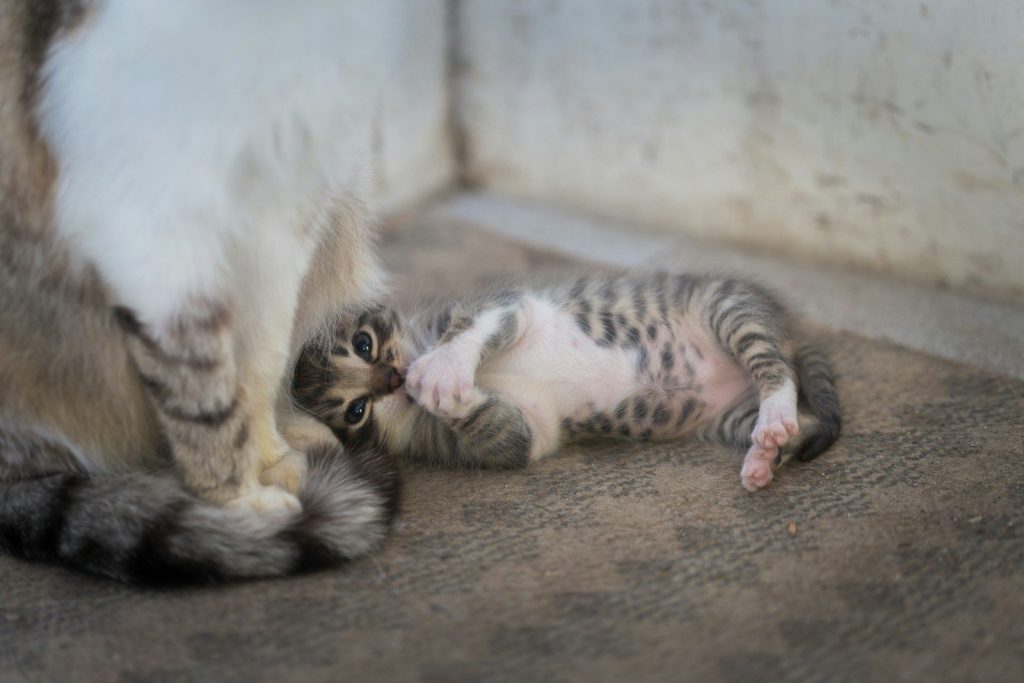
As kittens grow, they start testing limits by climbing out of safe spaces. The mother cat uses gentle physical blocks to teach them where they cannot go. These simple mother lessons prepare the babies for navigating a complex world safely. Her strict parenting style helps them develop confidence and healthy boundaries as they age. But what happens when a kitten refuses to listen?
Vocal warnings that mean serious business
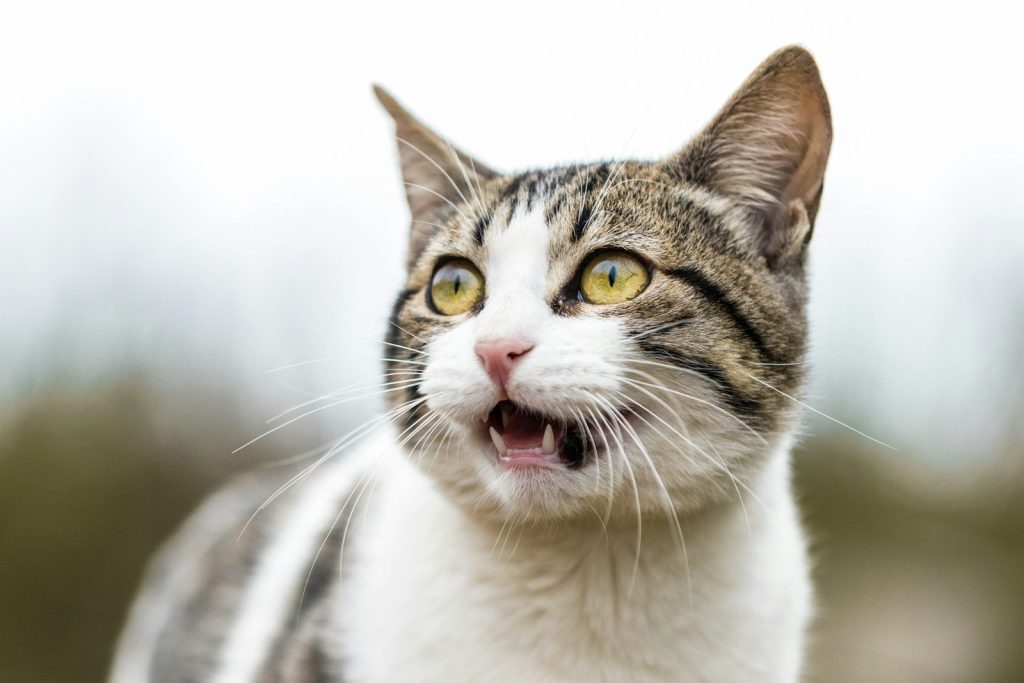
If a gentle nudge does not work, the mother uses a low guttural growl or hiss. This vocal correction tells the kittens to stop their current mischievous behavior immediately. Feline behaviorists at the Cornell Feline Health Center study how these early sounds shape kitten obedience. Learning these acoustic boundaries early is crucial for their social development. But vocal lessons are only half of the education.
Why play is the ultimate teacher
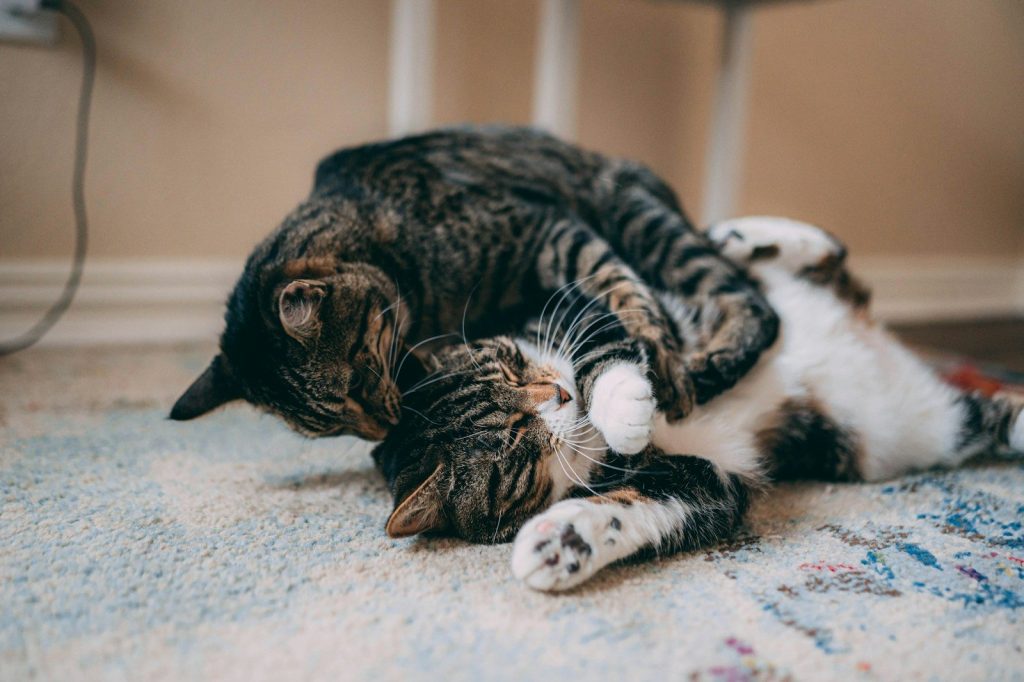
Mother cats actively participate in playtime to teach essential hunting and self-defense skills. They will mock wrestle with their kittens and show them how to use their claws gently. If a kitten bites too hard, the mother reacts to establish clear social rules. This direct feedback is necessary for raising a well-behaved adult cat. Still, the final lesson involves a deep sense of security.
How grooming builds strong social bonds
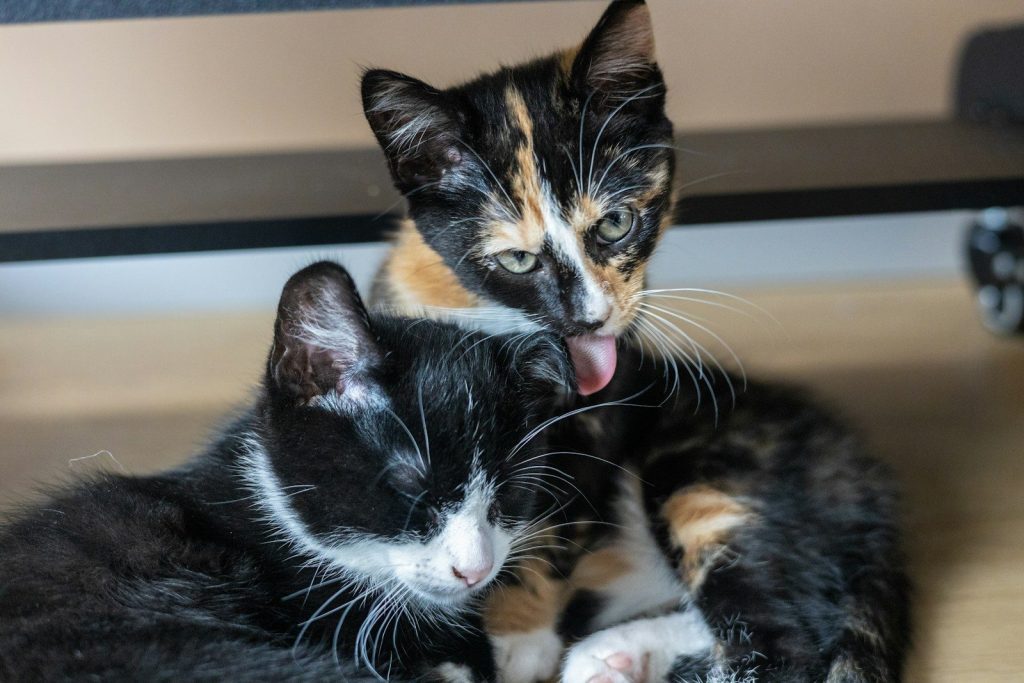
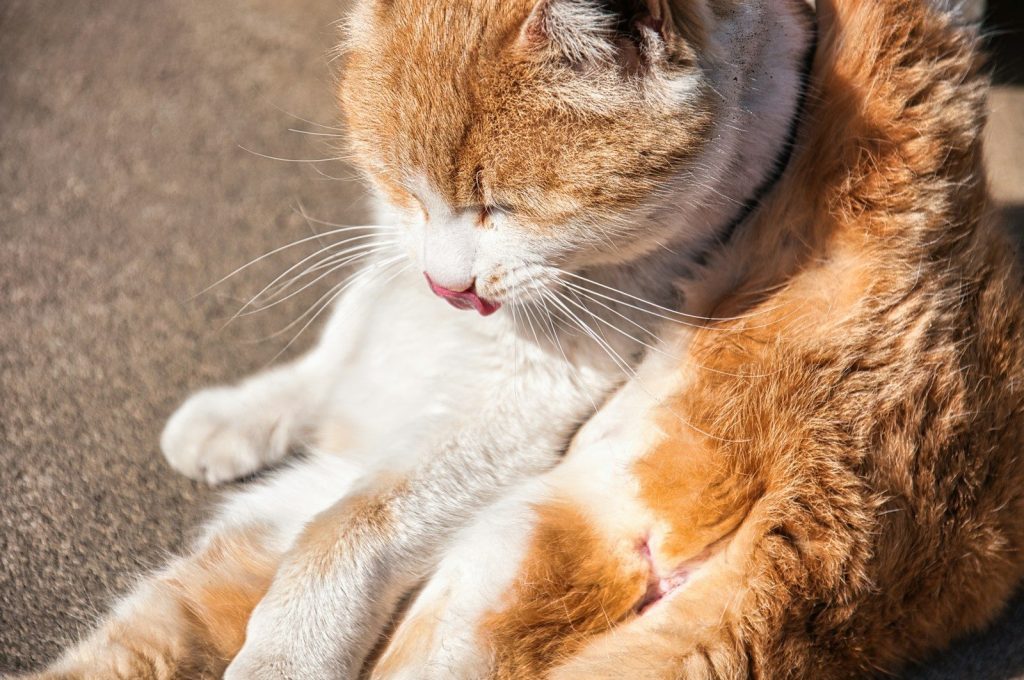
Washing the kittens is not just about keeping their soft fur clean. The rhythmic licking releases calming hormones in the brains of both the mother and baby. This intense physical bonding session tells the kitten they are completely protected in their home. It creates a powerful foundation of love that stays with them forever. But how can human owners mimic this critical care?
Becoming a perfect surrogate pet parent
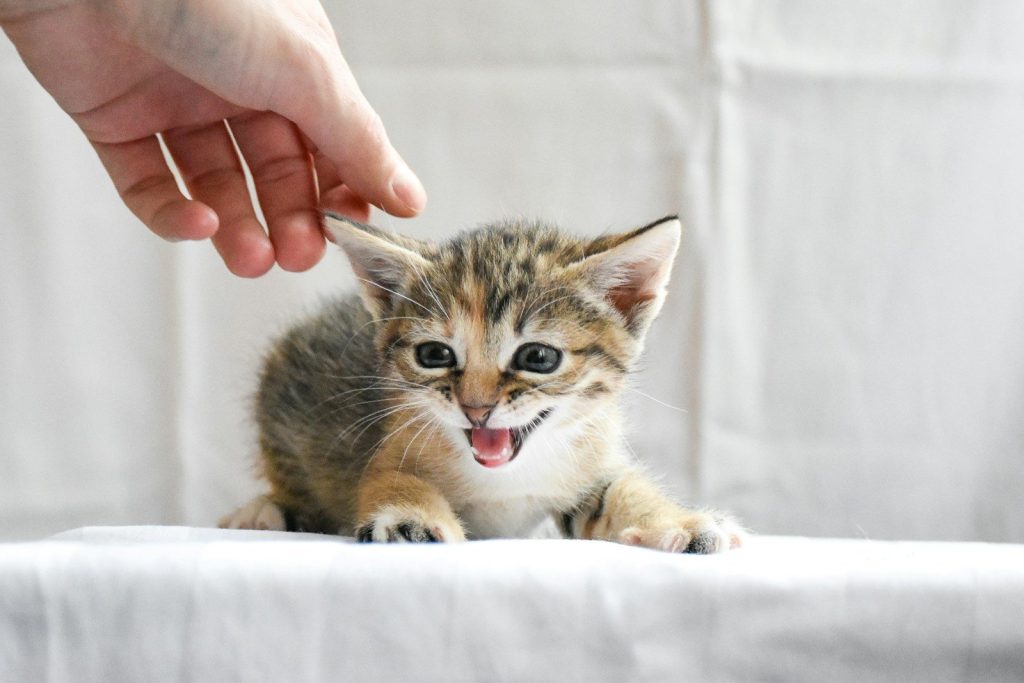
You can support your own kitten by establishing a predictable daily routine of gentle handling and active play. Rewarding good behavior with healthy treats reinforces the safety lessons their mother first started. This article is for informational purposes only and does not constitute veterinary advice. Your consistent guidance builds a happy and confident cat.
Featured Image: Photo by Donald Teel on Unsplash