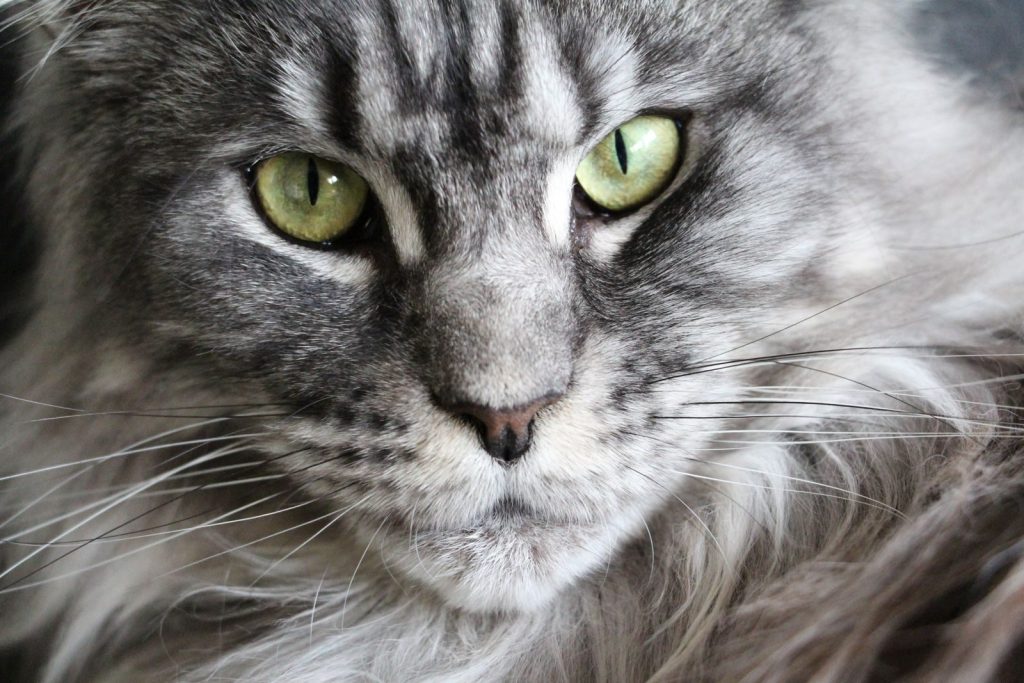

Maine Coons are famous for their massive bodies, tufted ears, and wild looks. Yet these gentle giants often communicate with a tiny squeak instead of a roar.
Owners are often shocked when their large feline opens its mouth to speak. Feline behaviorists have finally decoded this hilarious physical mismatch.
The unique vocal traits of massive breeds
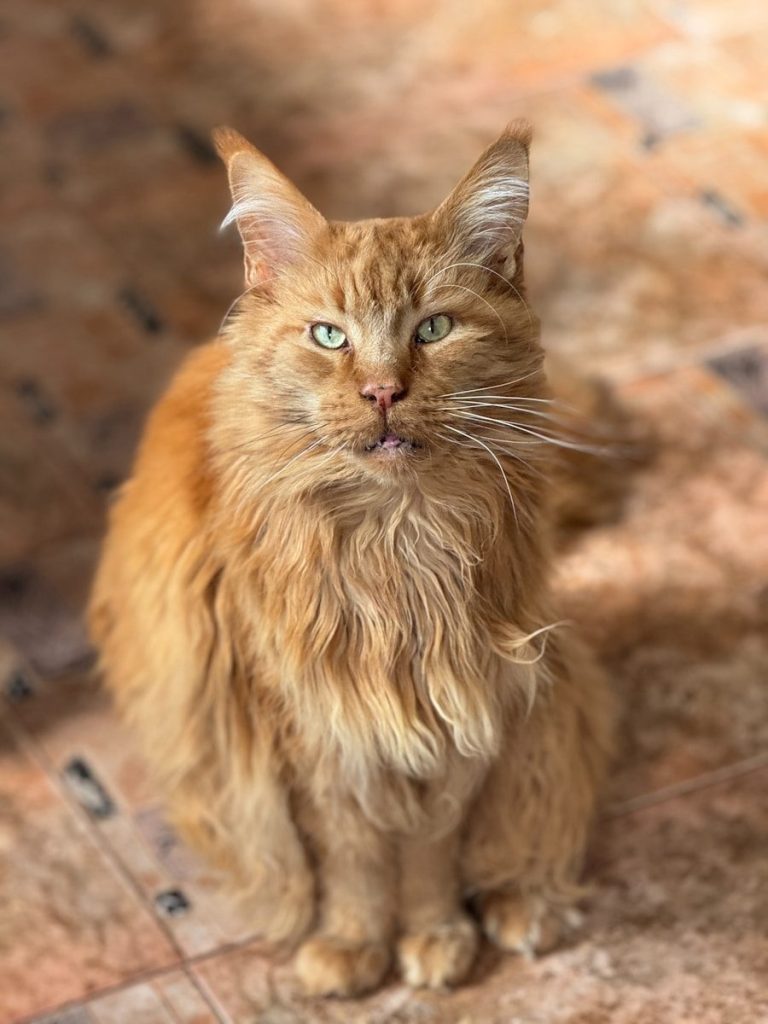
A full-grown Maine Coon can easily weigh up to twenty-five pounds. Despite their impressive physical size, their vocal cords remain surprisingly delicate. They rarely use a standard loud meow to get your attention indoors. Instead, they prefer to use soft trills and gentle chirps to communicate.
This unique vocal style carries an ancient evolutionary purpose.
Communicating in a busy winter environment
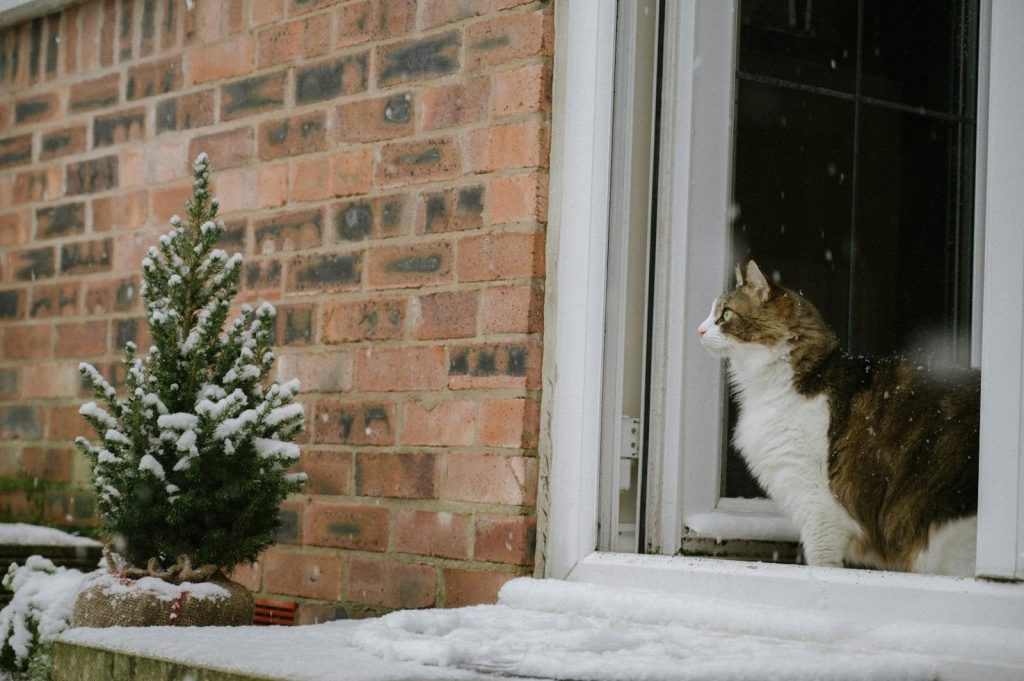
These felines originated in cold northern climates where they worked as farm mousers. A high-pitched chirp is excellent for coordinating hunts with other animals in dense brush. According to historical breed data, these vocalizations helped felines stay connected without alerting their prey. But there is another reason they chirp at humans.
Your pet uses this sound to manipulate your schedule.
A polite way of demanding attention
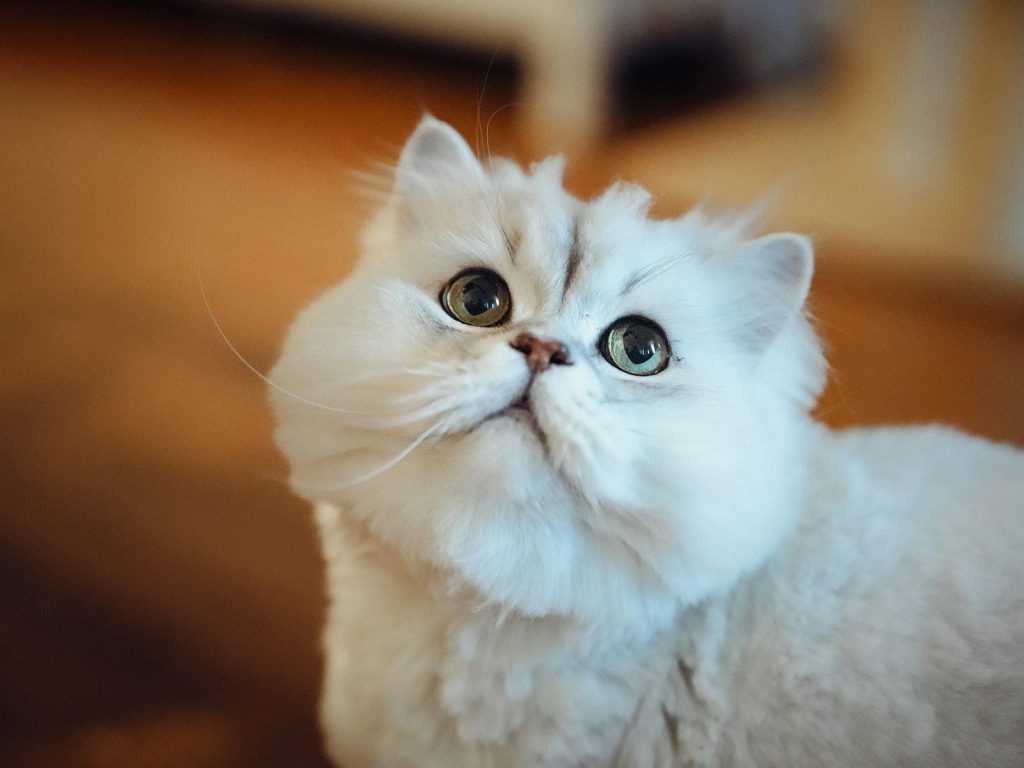
A loud meow can sound demanding or aggressive to a human owner. Felines quickly learn that a soft chirp gets them quick pets and treats without causing annoyance. They use these gentle sounds to guide you toward the kitchen or their favorite toy. Still, some owners worry their pet is losing its voice.
A silent meow can sometimes signal a medical issue.
When a soft whisper requires help
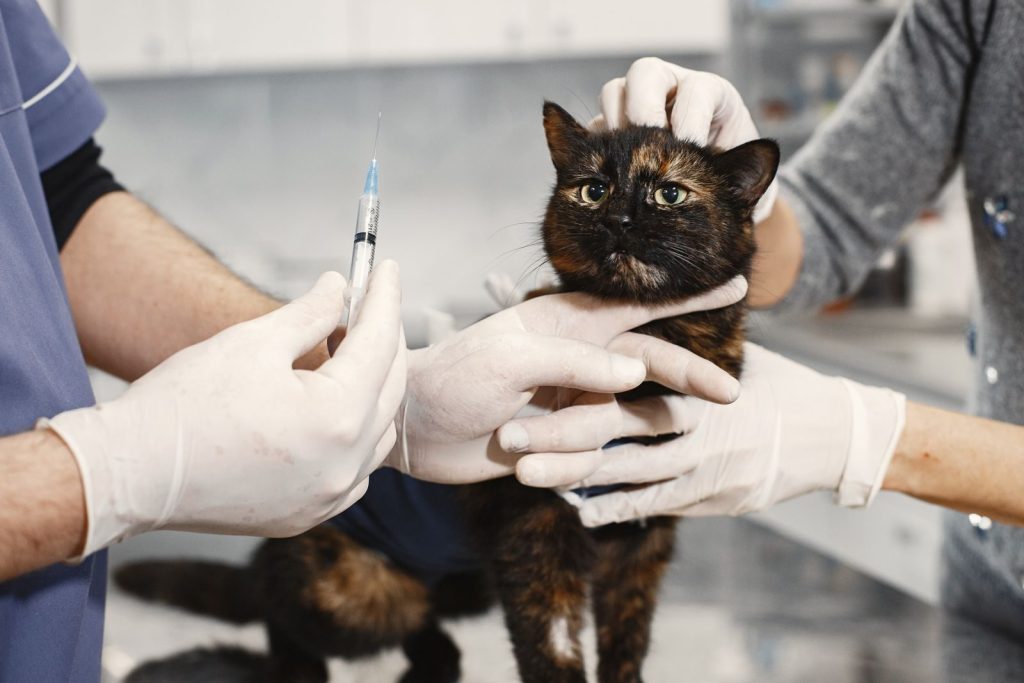
A sudden loss of vocal volume can indicate a sore throat or respiratory infection. If your vocal cat suddenly becomes quiet, monitor their breathing closely. According to the Cornell Feline Health Center, changes in vocal habits warrant a visit to a professional. Fortunately, most quiet vocalizations are completely normal.
You can actually encourage your pet to talk back.
How to train a talkative companion
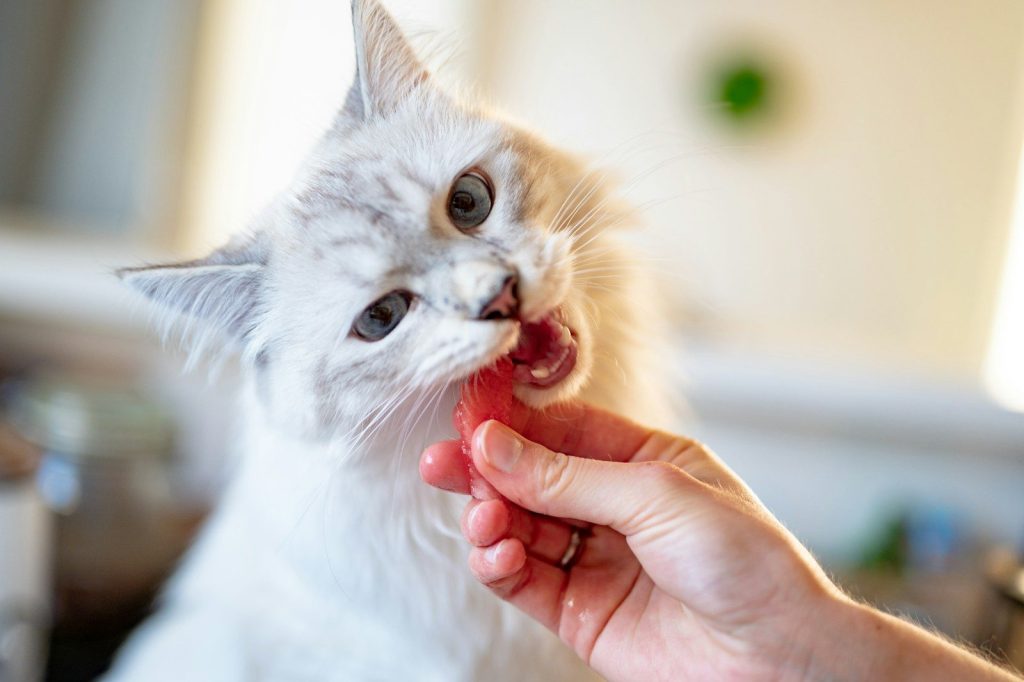
You can build a fun vocal relationship by chirping back at your feline friend. Rewarding their quiet sounds with high-value treats encourages them to keep conversing. This playful training keeps their active brains stimulated throughout the quiet afternoon. But you must watch their body language closely during these chats.
A twitching tail can change the whole conversation.
Reading the physical signs of overstimulation
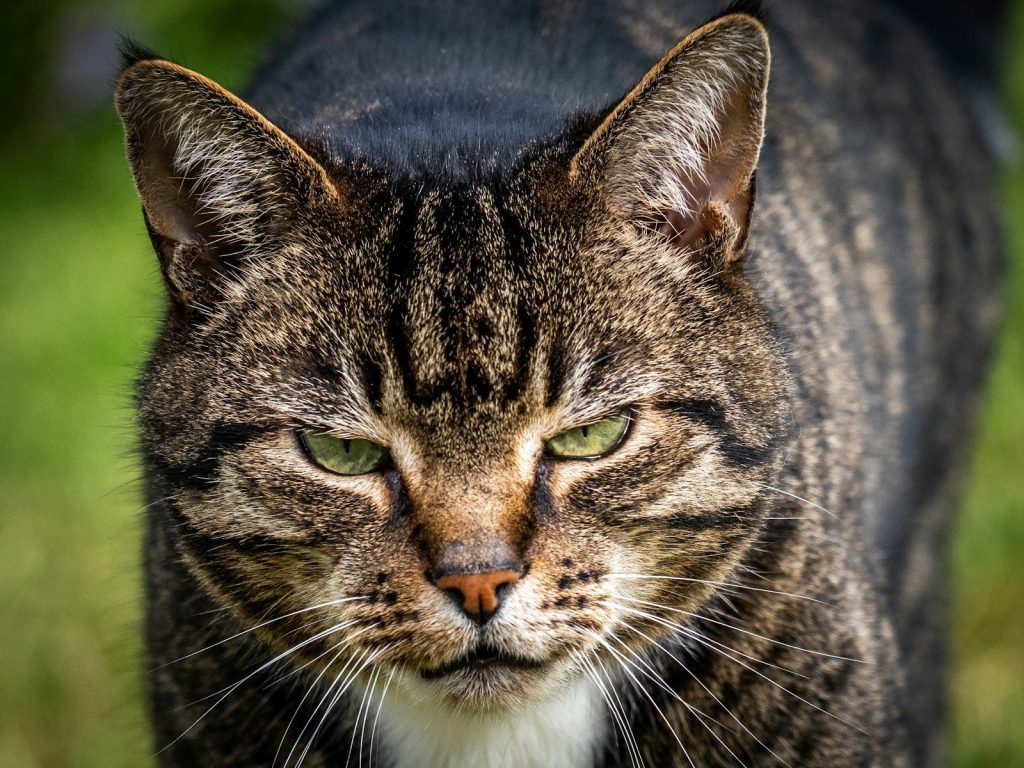
Felines can get overwhelmed quickly during intense vocal sessions. If their ears turn slightly flat or their tail thumps, it is time to give them space. Respecting these boundaries keeps your relationship peaceful and secure. But there is a final benefit to hosting a talkative pet.
A unique vocal bond can actually improve your health.
Welcoming the gentle giant into your life
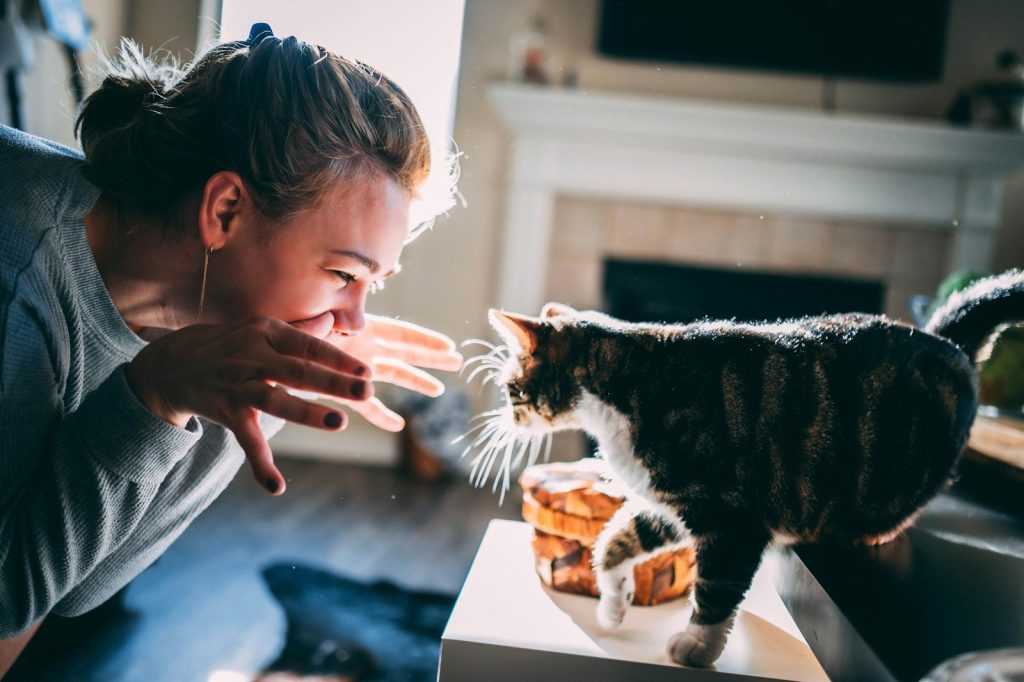
Living with a talkative Maine Coon brings immense joy and daily laughter. Their sweet, mismatched voices remind us of their gentle and loving personalities. This article is for informational purposes only and does not constitute veterinary advice. Embracing their unique sounds builds a lifelong bond of mutual trust.