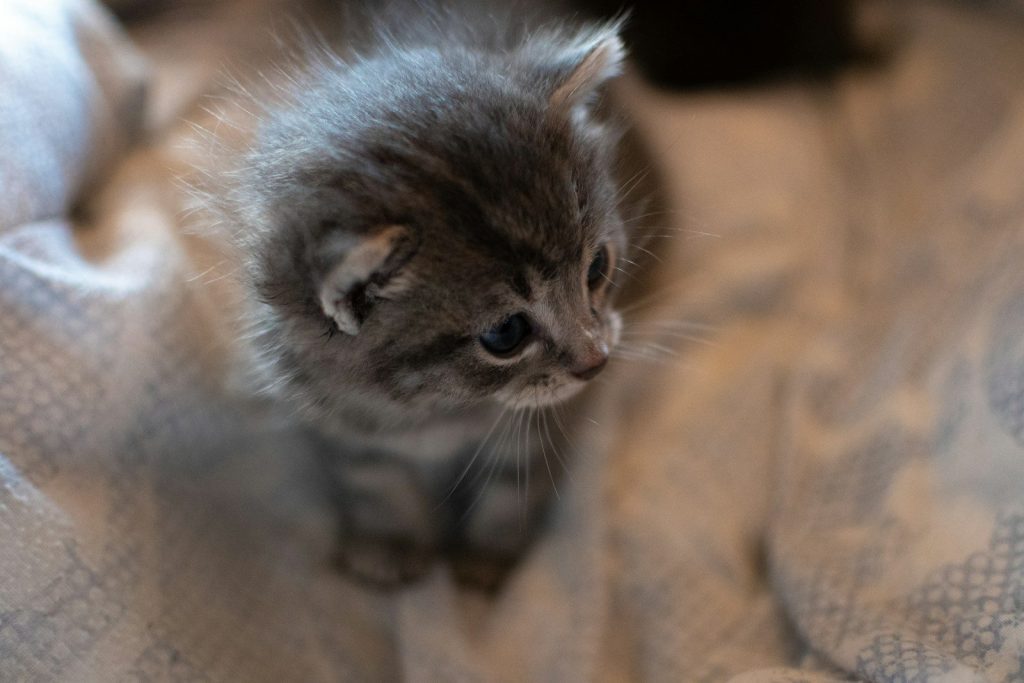

An abandoned kitten was found shivering in a cold alleyway. She was far too young to survive without her mother’s care.
Her body temperature was dropping fast when a dedicated foster parent stepped in. What followed was a tense battle to save a fragile life.
The fragile nature of newborn kittens
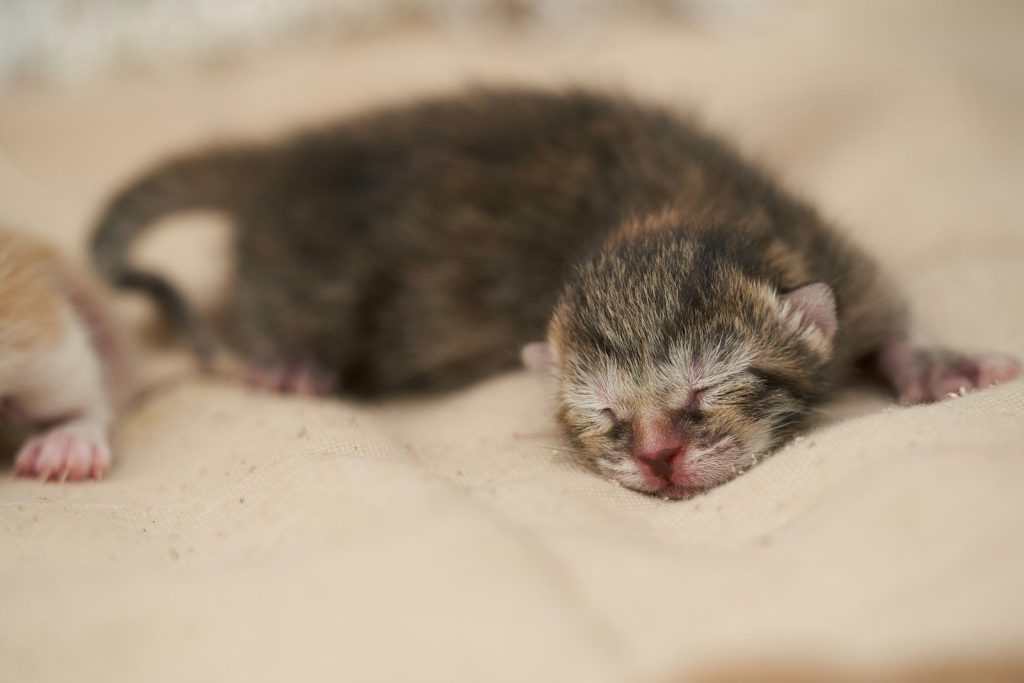
Neonatal felines are born completely blind, deaf, and unable to regulate their own body heat. According to the ASPCA, they require constant feeding every two hours to survive. Without a mother’s milk, they miss out on critical antibodies that build their immune systems. This makes them highly vulnerable to sudden infections during their first weeks. But restoring warmth is always the very first medical step.
Raising their temperature slowly and safely

Feeding a cold kitten can be fatal because their digestive system shuts down. Fosters use heating pads wrapped in soft towels to raise their temperature gradually. This careful warming process requires constant monitoring to prevent dangerous shock. Once their tiny bodies reach a healthy temperature, the real work begins. Yet getting them to eat is a massive challenge.
The delicate art of syringe feeding
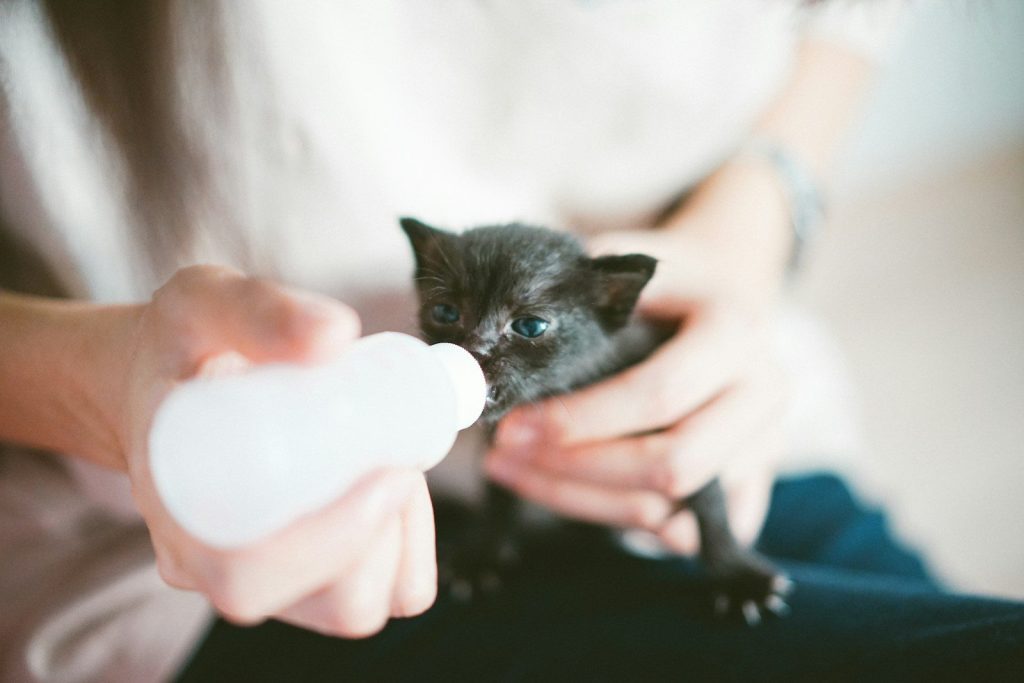
Foster parents use specialized milk replacement formula and tiny rubber nipples. The kitten must lie flat on their tummy to mimic a natural nursing position. Feeding them on their back can cause milk to enter their lungs, which is extremely dangerous. Every millimeter of formula gives them the energy needed to survive another hour. But they also need help with basic bodily functions.
How fosters act as a mother cat

Newborn kittens cannot go to the bathroom on their own. Mother cats normally stimulate them after every feeding session to keep them clean. Foster parents must use a warm, damp cotton ball to mimic this critical action. This repetitive task is essential to prevent painful internal blockages during the first month. However, a sudden weight drop can signal a major medical emergency.
Watching for the signs of fading kitten syndrome
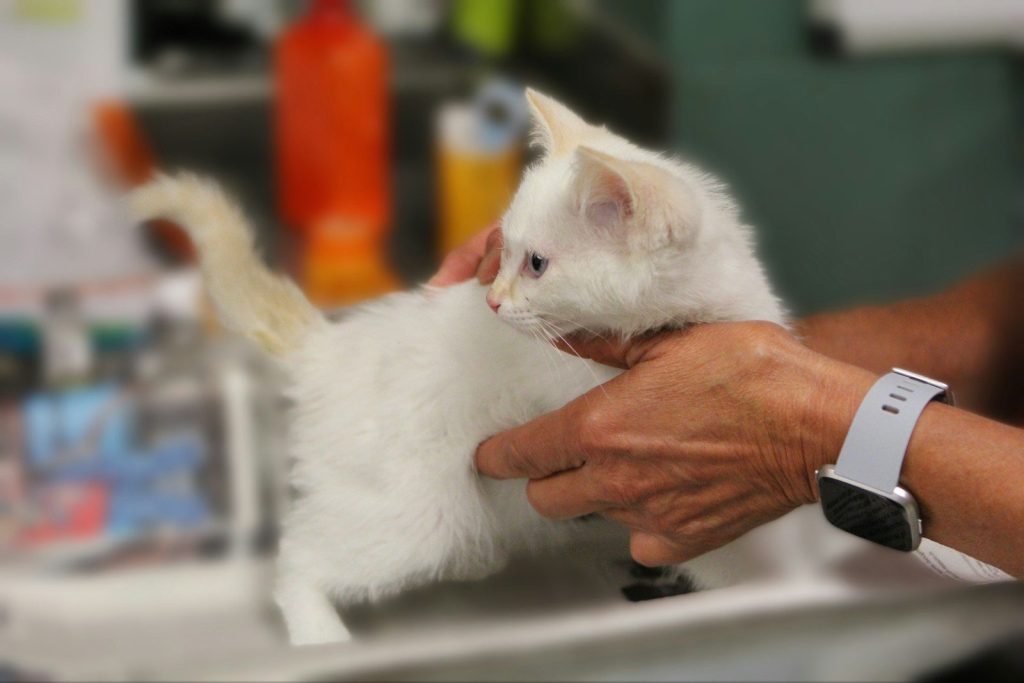
A healthy baby should gain weight every single day without exception. If a kitten stops eating or becomes lethargic, their health can decline within hours. The Cornell Feline Health Center emphasizes that rapid veterinary intervention is necessary to save them. Liquid therapy and glucose boosts are often required to pull them back from the brink. But their fighting spirit is incredibly strong.
Celebrating the opening of their eyes

Around day ten, a kitten’s eyes finally begin to open to the world. They reveal beautiful, cloudy blue globes that slowly learn to focus on their caregiver. This major milestone shows they are winning their battle against the elements. They start to wiggle around their nest and explore their surroundings with curiosity. Yet they still require immense dedication to reach the adoption age.
The transition to solid food and play

By week four, the kittens are ready to try wet food mixes. This messy transition is a joyful sign that their bodies are growing strong. They begin to pounce on toys and play with their siblings to build essential muscles. Their unique personalities start to shine through their fuzzy coats. But a loving home is the ultimate reward for their struggle.
The beautiful triumph of a saved life
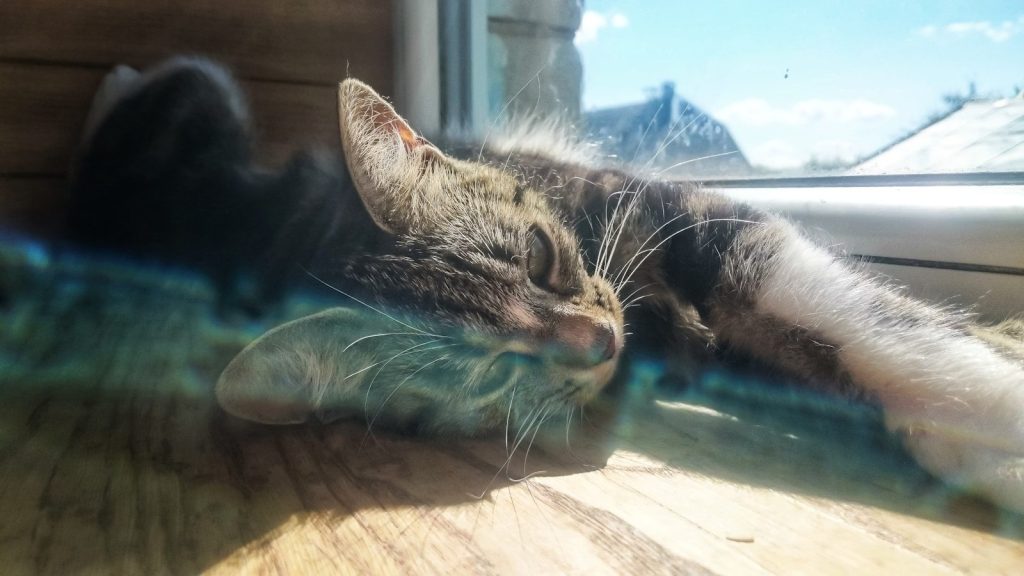
Today, this brave survivor is a happy, energetic pet napping in a sunny window. Her journey from a cold alley to a warm bed shows the power of dedicated care. This article is for informational purposes only and does not constitute veterinary advice. Supporting foster networks ensures that more vulnerable babies get a chance to thrive.
Featured Image: Photo by Daniel Park on Unsplash