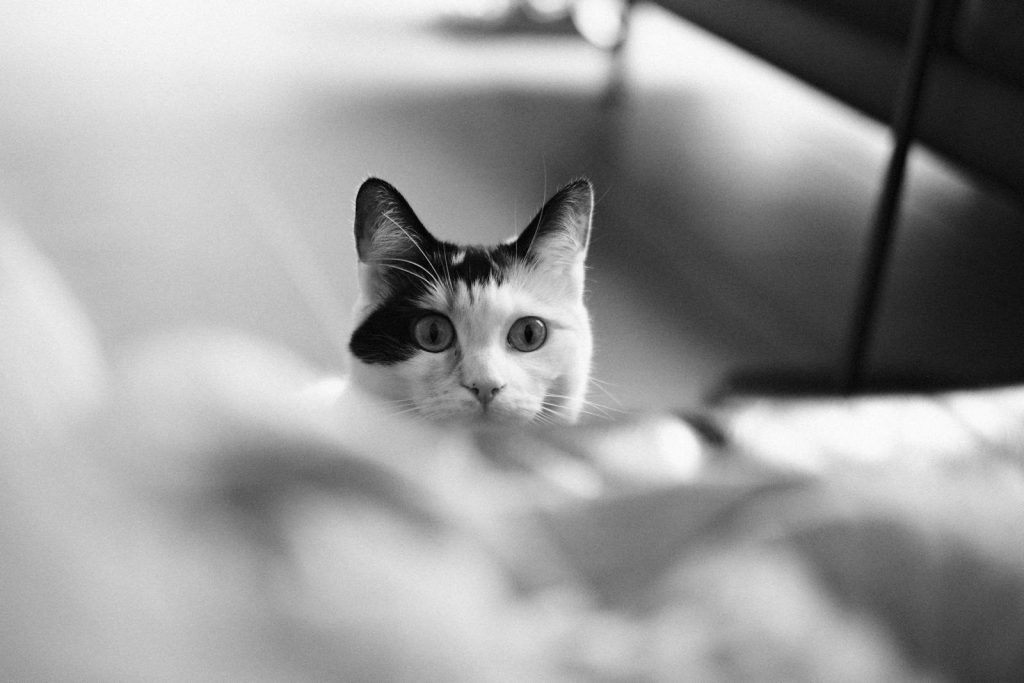

You close your eyes and drift off into a deep sleep. But the moment the house goes quiet, your feline companion wakes up.
Night cameras reveal a hidden world of feline activity that most owners never see. Here is the surprising truth about their midnight lifestyle.
The biological drive of a crepuscular hunter
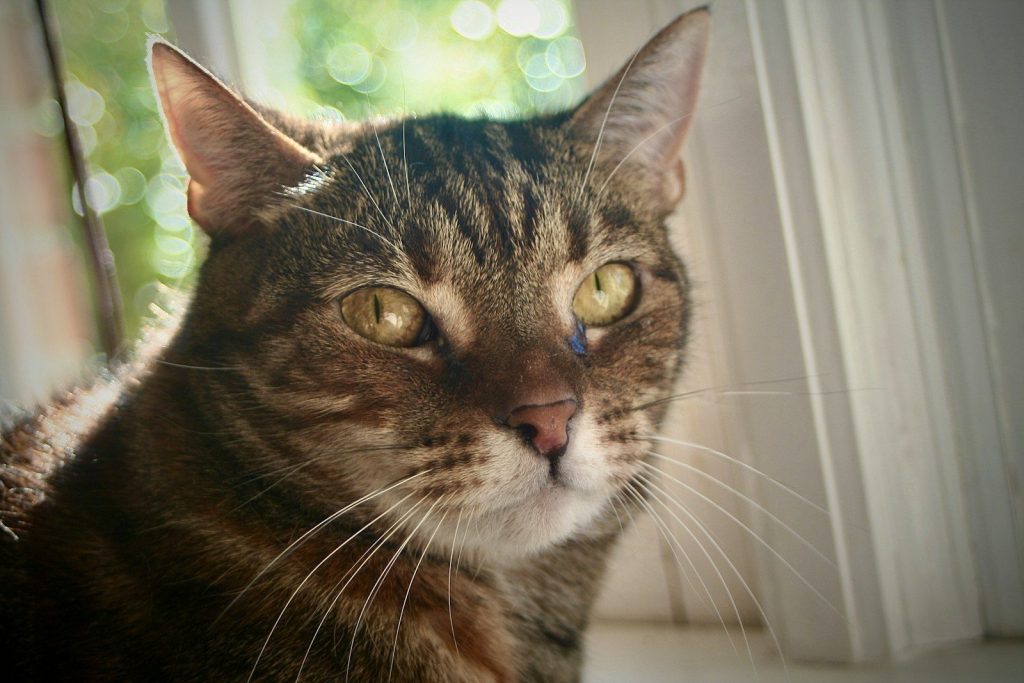
Many people assume that domestic cats are strictly nocturnal animals. In reality, felines are crepuscular, meaning they are most active during dawn and dusk. According to the Cornell Feline Health Center, their eyes are built to hunt in low light. This evolutionary trait makes them highly energetic when you are trying to rest. But their night runs are actually highly structured.
Patrolling the boundaries of their indoor kingdom
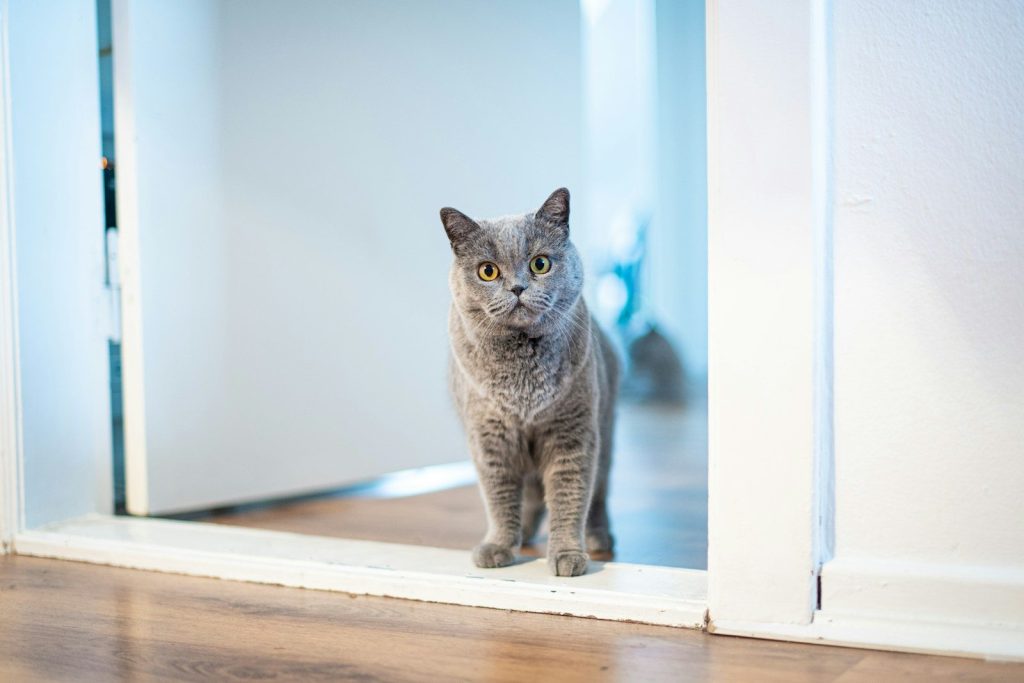
The first thing a cat does at night is check the security of their space. They walk slowly from room to room, sniffing doors and windows. This quiet routine ensures no rival animals have entered their home territory while you sleep. They are keeping your household safe through natural instincts. Yet this security sweep can quickly turn into a wild game.
The science behind the midnight zoomies
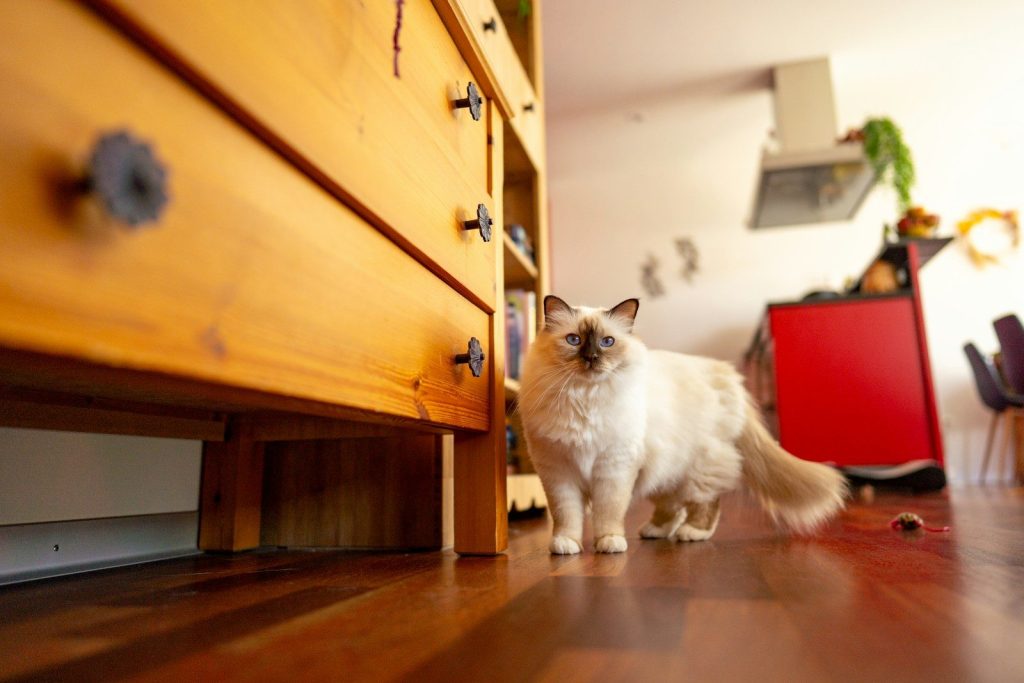
Sudden bursts of running and jumping across the furniture are incredibly common. This wild behavior releases pent-up physical energy that builds during long daytime naps. If an indoor cat does not get enough stimulation, their inner predator takes over. They might pounce on shadows or climb up curtains to stay active. But sometimes, they are searching for a specific human reaction.
Why do they stare at your sleeping face?

You might wake up to find your pet sitting on your chest. Feline behaviorists note they watch your breathing to check on your status. Your sleeping body is warm, peaceful, and represents absolute safety to them. They use this quiet time to bond with you without any household distractions. However, this midnight affection can lead to an early breakfast demand.
Managing the loud early morning wake-up
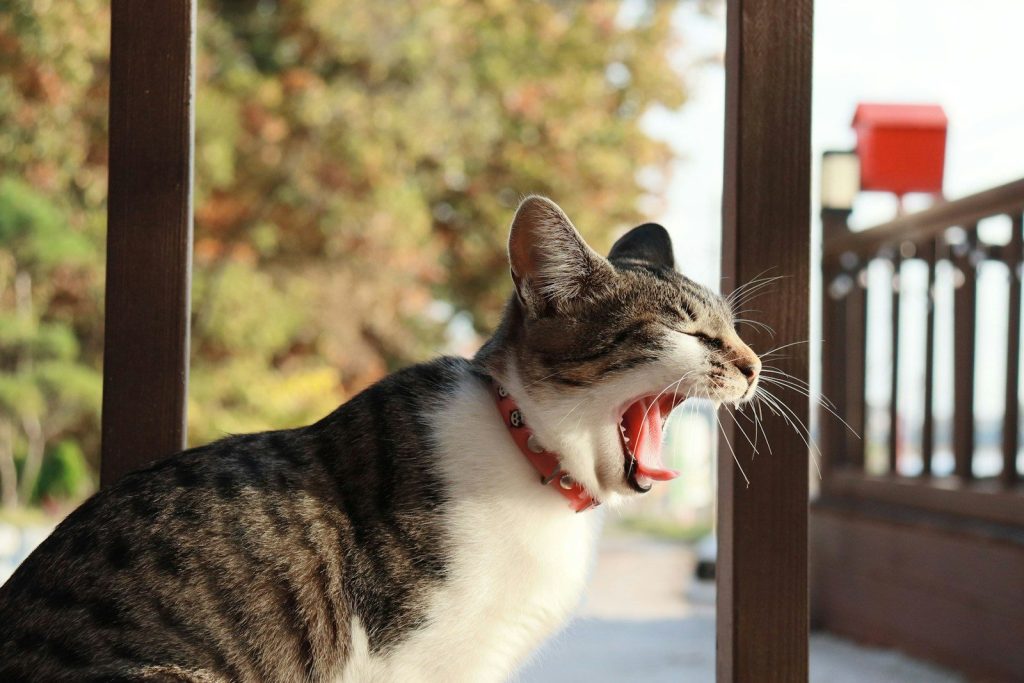
Cats quickly learn that meowing at dawn gets your attention immediately. If you get out of bed to feed them, you are rewarding their noise. The American Veterinary Medical Association suggests using an automatic feeder to break this frustrating cycle. This handy tool delivers food on a set schedule, keeping you asleep longer. But daytime play is the real key to quiet nights.
Exhausting your hunter before the sun sets
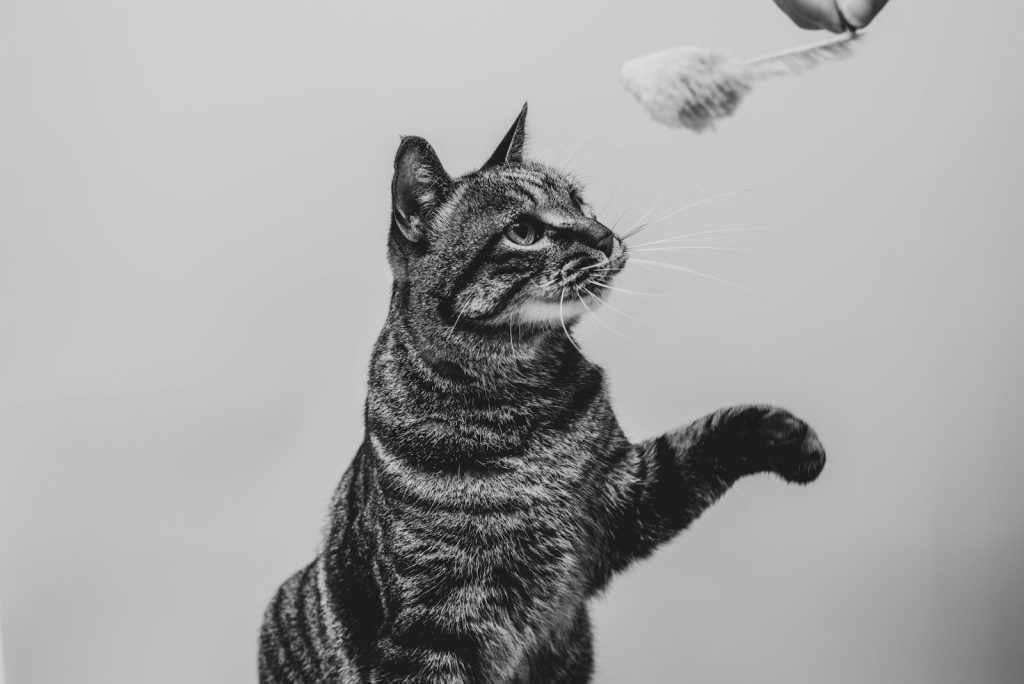
Schedule an intense interactive play session right before your bedtime. Use a toy that mimics a flying bird to get them jumping. Follow this play session with a small meal to trigger their natural sleep cycle. This simple routine encourages them to rest peacefully through the dark hours. Yet understanding their nocturnal mind makes their quirks even more endearing.
Embracing the magic of your night watchman
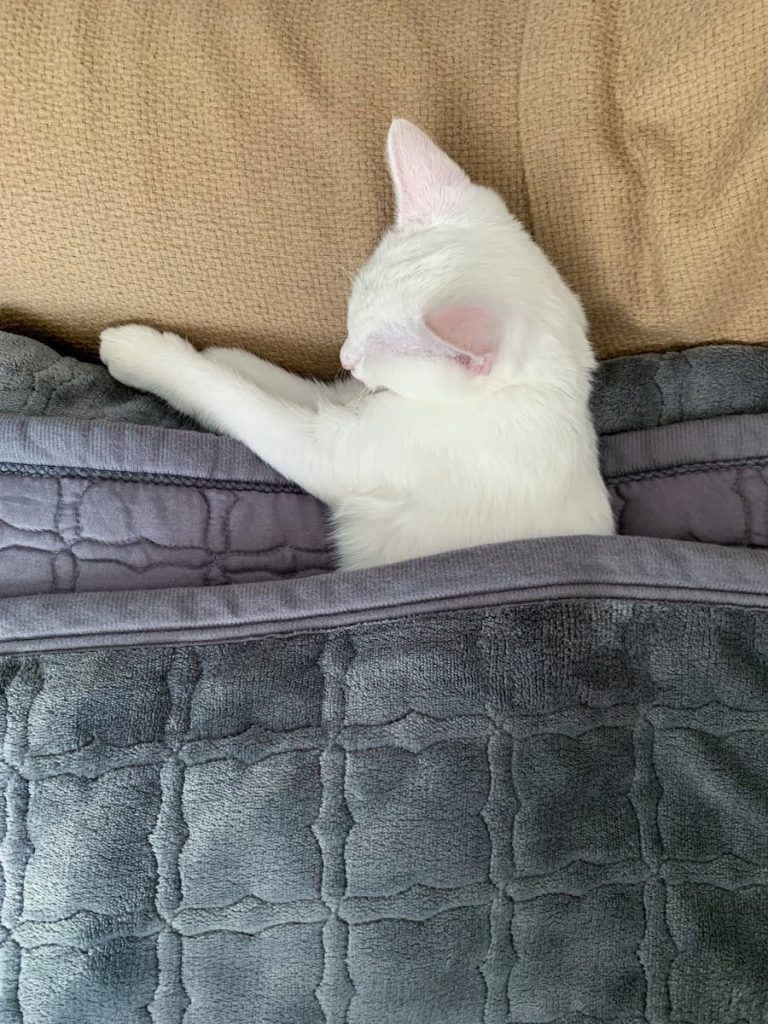
Your feline companion lives in a world of heightened senses and quiet adventures. Knowing what they do in the dark helps you appreciate their unique biological design. This article is for informational purposes only and does not constitute veterinary advice. With a little patience, you can both enjoy a peaceful and restful night together.
Featured Image: Photo by Ricardo Oliveira on Pexels