

It starts as a peaceful petting session on the living room rug. Then out of nowhere, your sweet pet swipes with sharp claws.
This sudden change of mood can feel like a personal attack. But feline experts reveal that your pet is actually speaking to you first.
The silent buildup of physical static
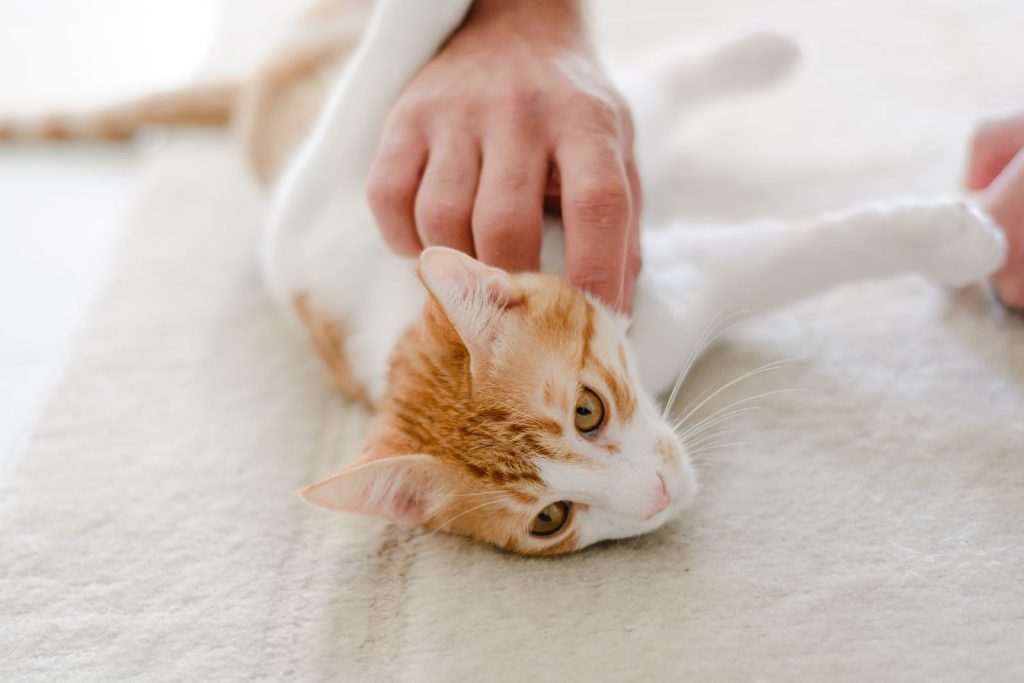
Cats have highly sensitive hair follicles all over their bodies. Repetitive stroking in the same spot can quickly become physically painful for them. According to the American Veterinary Medical Association, this issue is known as petting-induced overstimulation. The nervous system gets overloaded, forcing them to react to stop the touch. But they always give clear warning signs before they strike.
Reading the warning signs in the tail
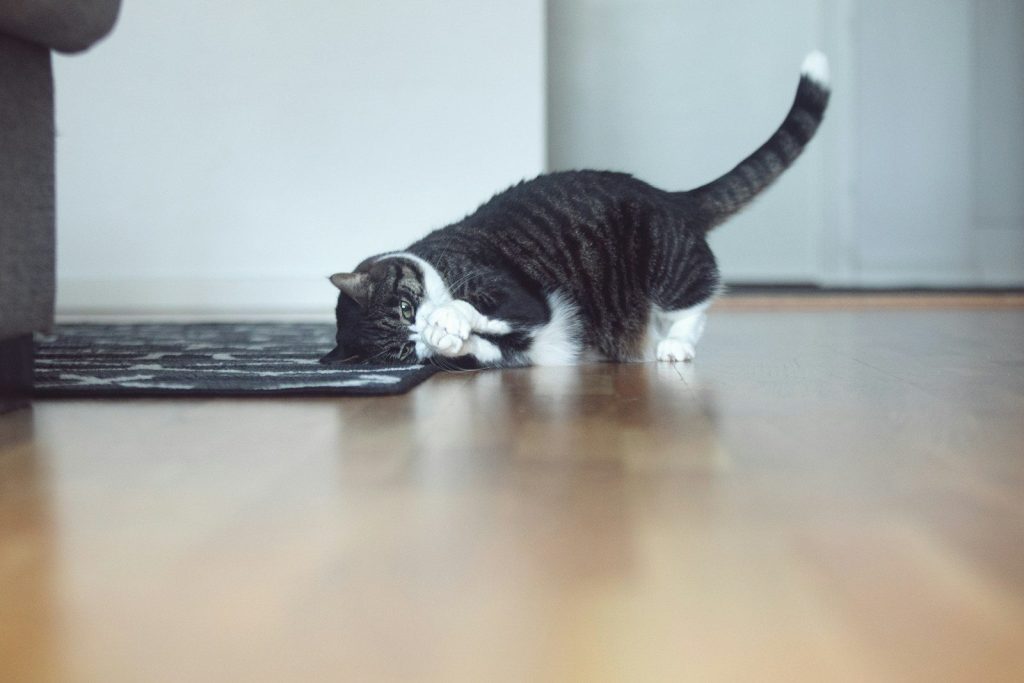
A happy cat keeps their tail relaxed or gently curved. When they begin to feel overstimulated, the tail tip starts to twitch. If the swishing becomes wider and more rhythmic, they are telling you to stop. Ignoring this clear motion is the most common reason petting sessions end in a scratch. Yet the tail is not the only signal you must watch.
Watching the ears for a change in direction

Pay close attention to the side of your pet’s head. When a cat is enjoying your company, their ears face forward. If their ears begin to rotate backward or flatten against their skull, they are feeling tense. This subtle movement shows their internal stress levels are rising rapidly. But another facial change is even easier to miss.
Spotting dilated eyes and tensed skin
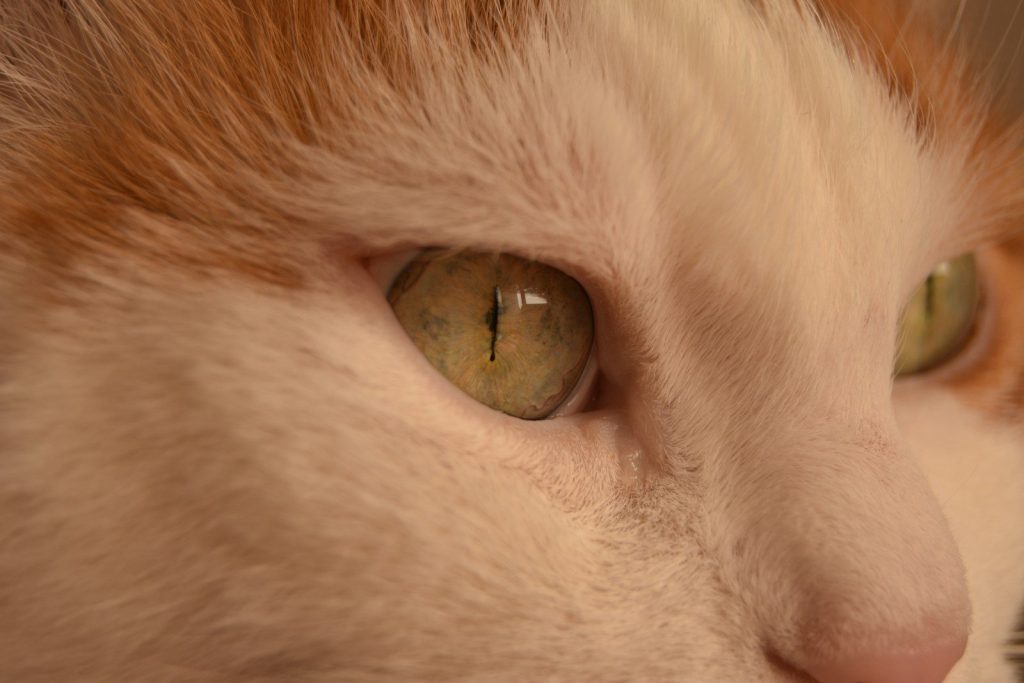
Wide pupils can signal that a cat has shifted into fight or flight mode. You might also notice their skin twitching along their back when you touch them. Feline behaviorist Dr. Pam Johnson-Bennett recommends stopping all contact the moment these visual signs appear. Giving them a few minutes of quiet space keeps the interaction safe. But how should you actually pet a sensitive cat?
The safest spots for feline petting
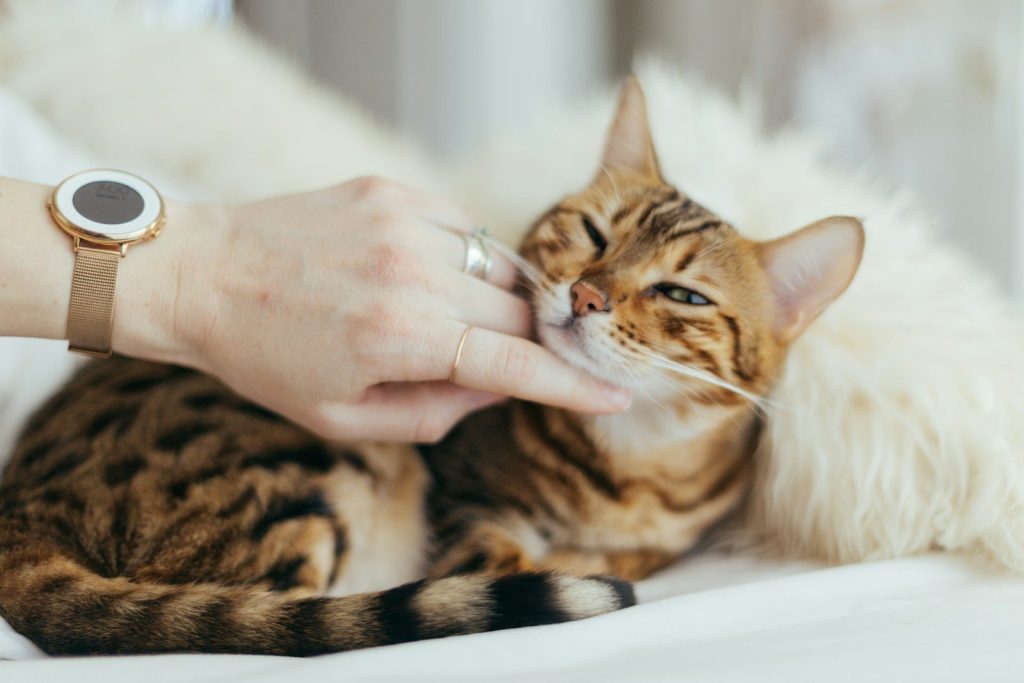
Most cats prefer touch around their scent glands, where they feel most secure. The base of the chin, the cheeks, and behind the ears are excellent choices. Avoid petting their belly, legs, or the base of their tail unless you know they love it. Keeping your touch focused on safe zones builds a deeper sense of trust. However, children often struggle to read these boundaries.
Teaching kids how to interact safely
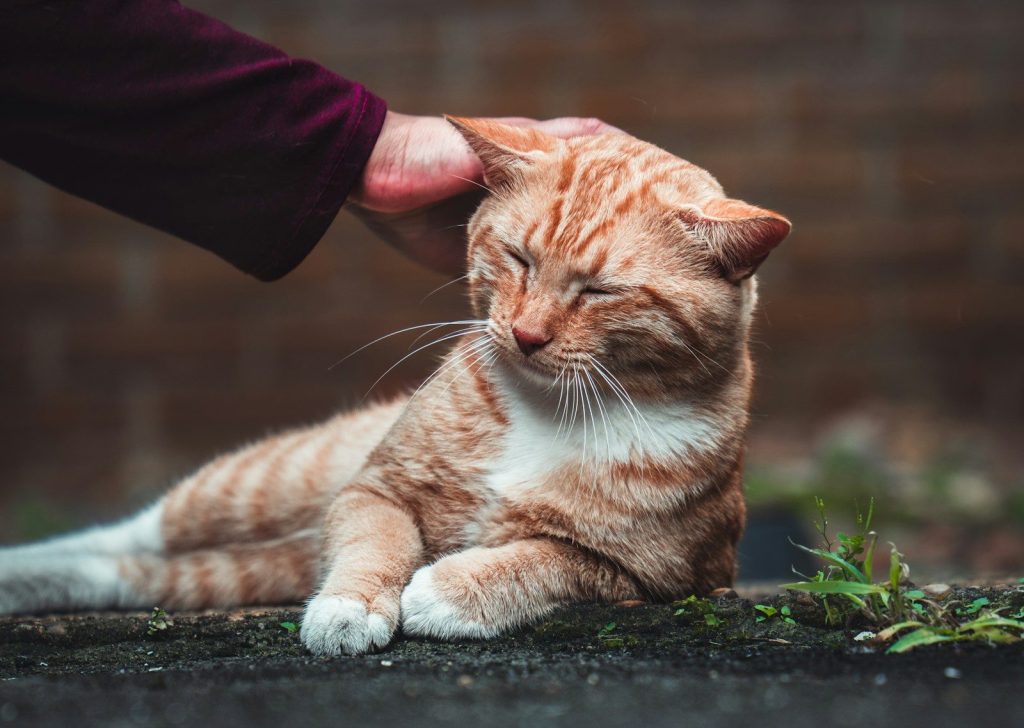
Young kids love to squeeze and hold pets tightly, which can petrify a cat. Teach them to use a flat hand and stroke only the top of the head. Explain that when the cat walks away, they must let them go peacefully. Forcing a pet to stay in place can trigger a defensive reaction. Fortunately, you can easily train your cat to tolerate touch.
Using treats to build positive associations
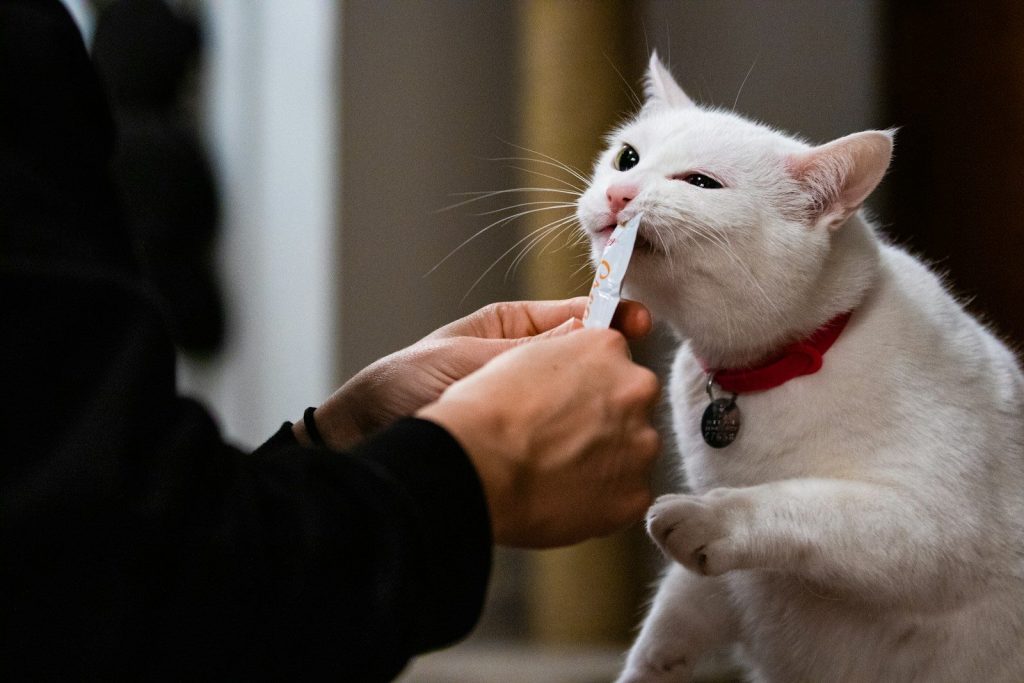
Offer a delicious bite after a few gentle strokes to reward good behavior. This training teaches your pet that human contact leads to happy things. Slowly increase the petting time as they grow more comfortable with your hand. Keeping these sessions short and sweet ensures they always look forward to your touch. But what should you do if an accidental bite occurs?
Healing the bond after a bad moment
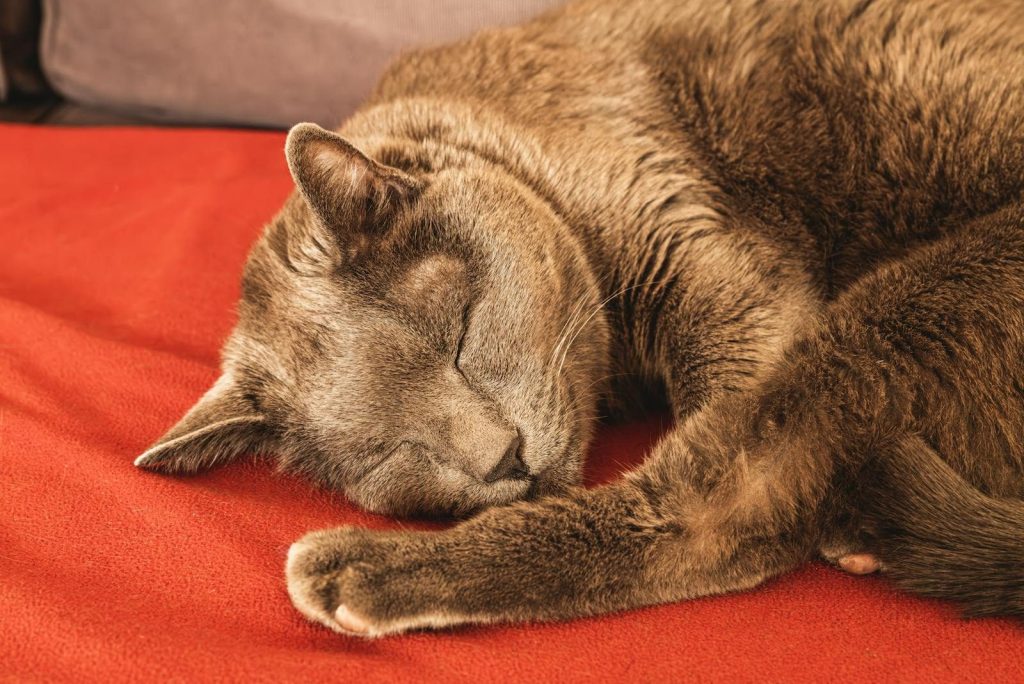
If your cat scratches you, do not yell or chase them around the room. Simply walk away and let them calm down in a quiet space. This article is for informational purposes only and does not constitute veterinary advice. Learning to respect their physical limits makes your home a peaceful place for everyone.