

Your alarm goes off, but you do not remember hearing it. You wake up late and realize your phone is completely silent.
Many owners blame software glitches or their own sleepiness for missed alarms. However, behavioral scientists have discovered that our highly intelligent feline companions might be the real culprits.
The genius of feline observation

Cats are master observers who spend hours studying human routines. They quickly learn the exact triggers that lead to breakfast. If a buzzing device makes you stand up, they will investigate. This correlation is the key to their technological meddling. But their physical skills make this meddling possible.
Incredible paw coordination and touch

Felines possess highly sensitive paw pads. This tactile sensitivity allows them to interact with touch screens. A heavy sit on your phone can easily interact with active buttons. Feline behaviorists have documented cases of cats swiping to dismiss alarms. However, their physical dexterity is only part of their strategy.
The desperate pursuit of an early breakfast

These animals operate on a strict internal clock. They expect food at the exact same time every day. When you try to sleep in, your cat views the alarm as a barrier. They quickly realize that silencing the noise keeps them in bed. But how do they learn this trick?
The power of associative learning
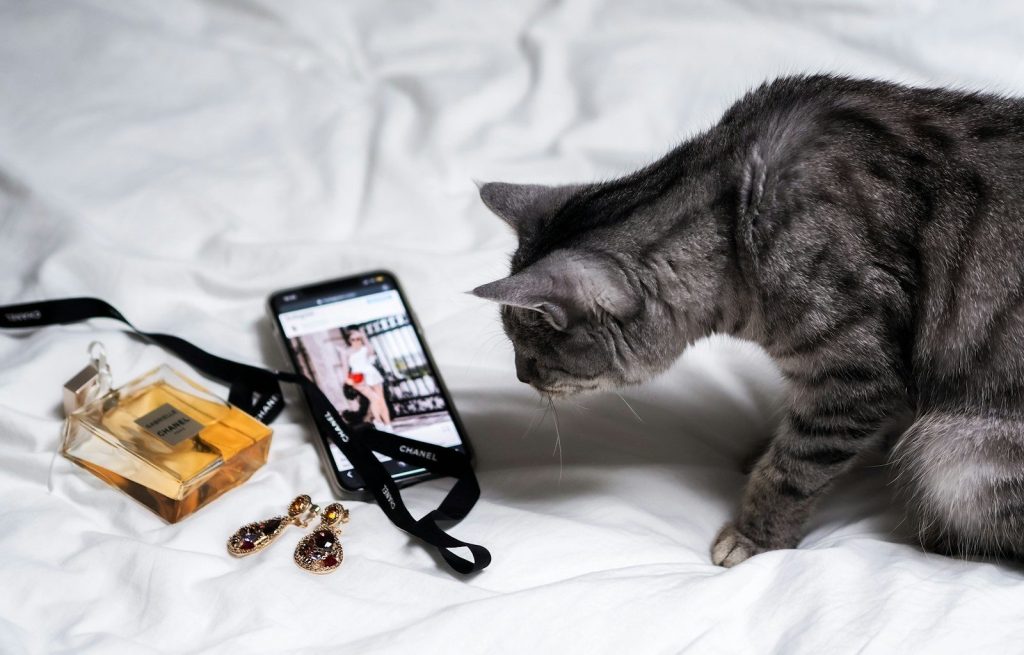
Cats learn through trial and error. This is called associative learning. When your cat paws at your glowing phone and the noise stops, their brain makes a connection. They realize their action caused the quiet. Repeating this action successfully cements the habit. According to behavioral studies, cats use these tricks to manipulate their environments. But there is another common reason they target your phone.
Demanding attention through physical blocks
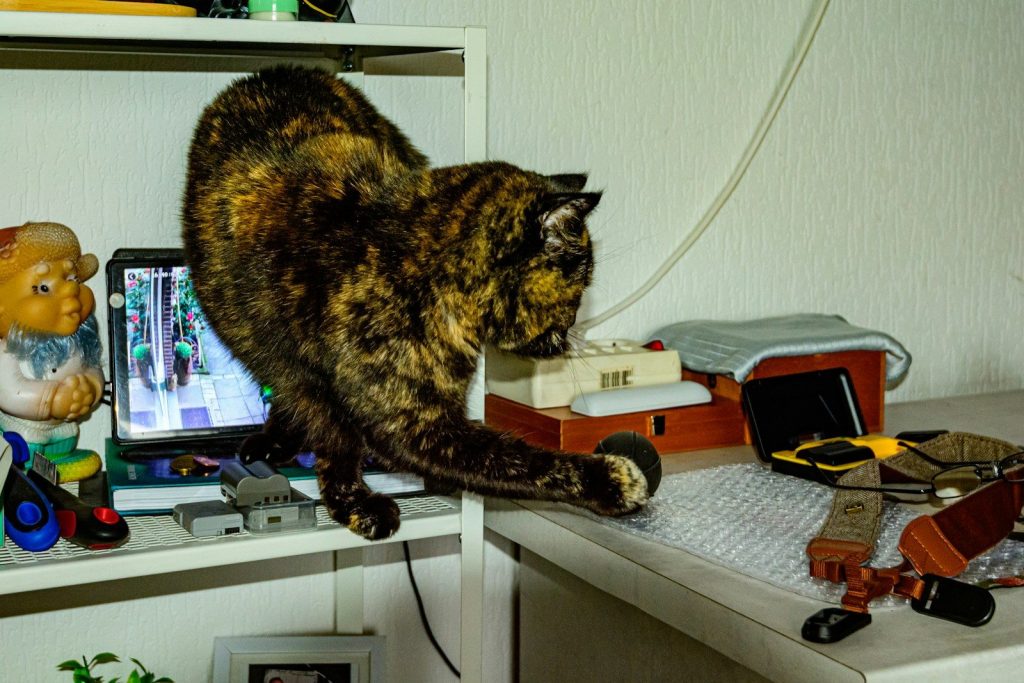
Your phone is a major barrier to your cat’s desire for attention. Felines often sit on devices to force you to interact. If your cat steps on your phone, they might alter your settings. This accidental touch can easily turn off alarms. Fortunately, there is a simple way to test your cat’s intelligence.
The simple alarm clock test

To find out if your kitty is the culprit, set a test alarm during the day. Watch your cat’s reaction from a distance. If they immediately paw at the screen to stop the noise, you have your answer. This experiment confirms their active problem-solving abilities. Still, you must protect your schedule from these feline saboteurs.
Clever ways to outsmart your cat

Outsmarting a clever cat requires minor adjustments. Place your phone face down. You can also use a classic mechanical alarm clock with physical buttons. According to the American Veterinary Medical Association, keeping tech away from pets prevents battery ingestion. But there is a deeper lesson to learn from this behavior.
Celebrating your brilliant feline companion

While a missed alarm is frustrating, it shows remarkable intelligence. They actively shape their world to get closer to you. Embrace their clever nature and enjoy this unique bond. By making a few simple changes, you can sleep peacefully.
Photo by Evgeniya Shustikova on Unsplash