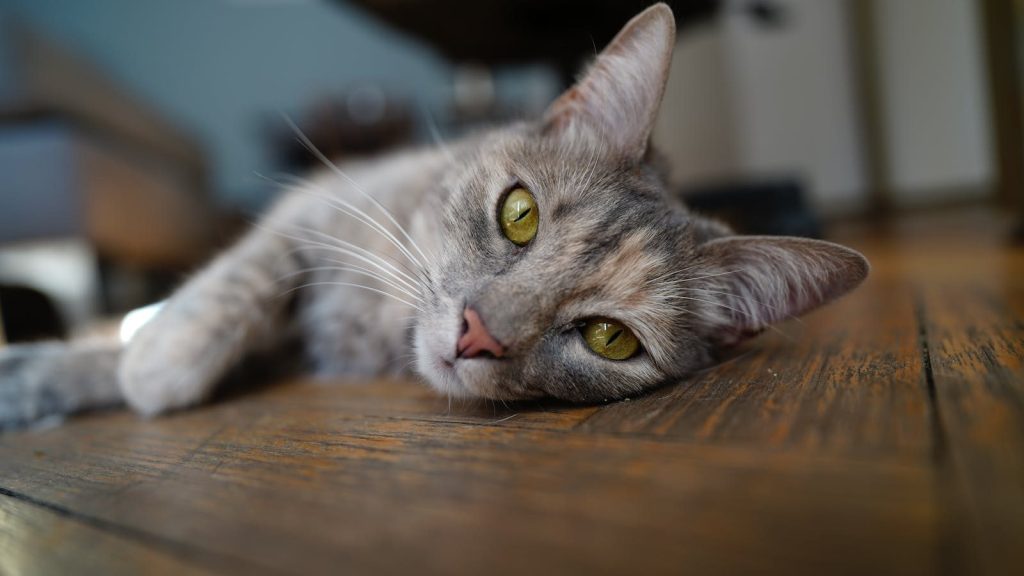

Your kitty is suddenly rolling backward like a trained acrobat. While this physical performance looks hilarious on camera, it actually reveals a lot about feline anatomy.
Many owners worry when they spot their cats doing somersaults instead of normal running. Feline behavior experts have finally decoded this bizarre physical habit.
The science behind extreme feline acrobatics
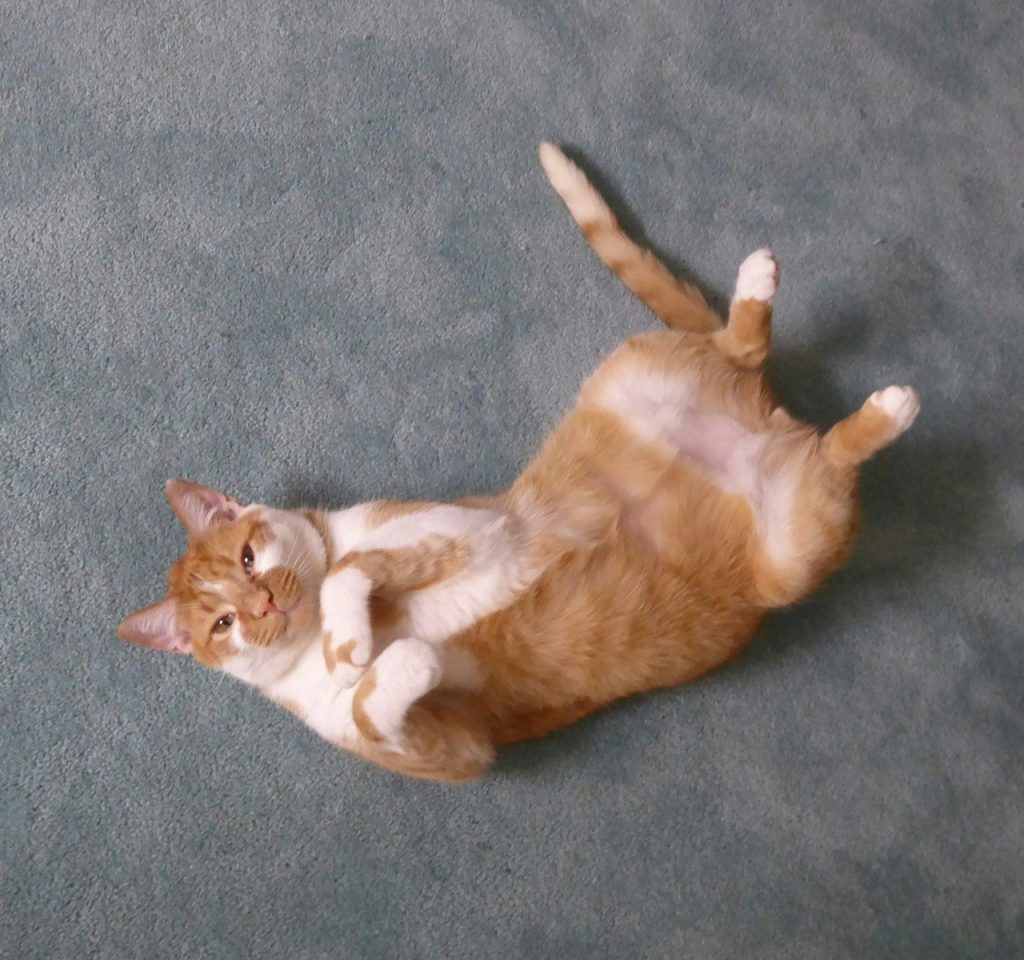
Felines possess highly flexible spines. Extra cushioning between their vertebrae lets them twist in mid-air with ease. According to the Cornell Feline Health Center, a cat can rotate their front and back halves in opposite directions simultaneously. Yet, some felines take this natural skill to a level that leaves owners deeply confused.
Play behavior that mimics real hunting
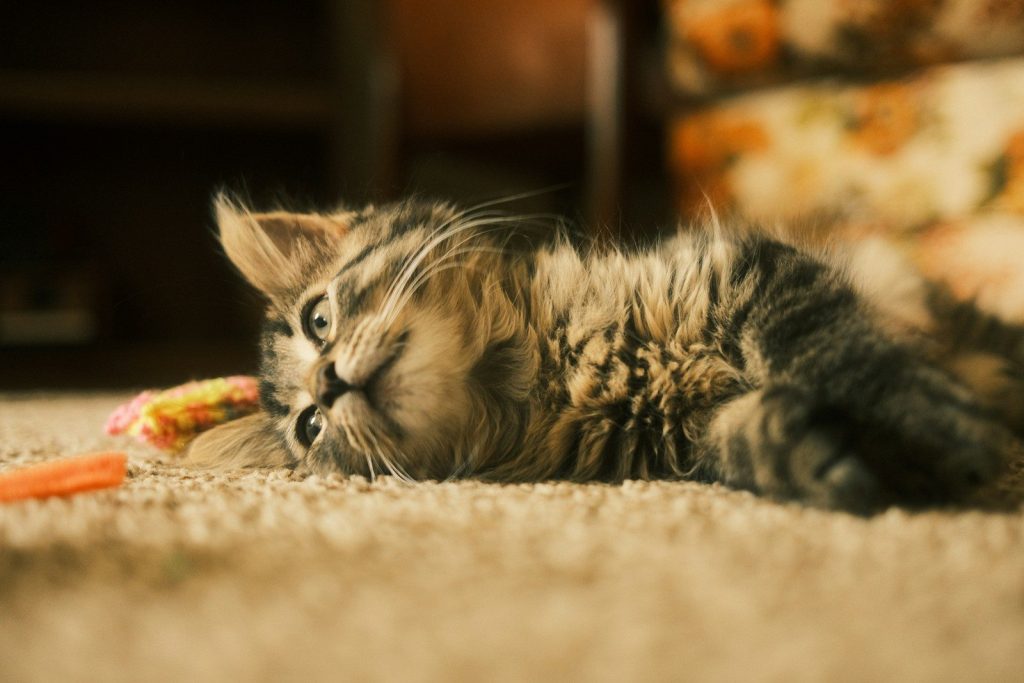
Kittens often throw themselves into wild somersaults during intense play sessions. This tumbling looks chaotic. However, it actually simulates the complex moves needed to capture agile prey like birds or mice in the wild. If your cat rolls over while clutching a toy, they are executing a classic defensive takedown. But there is a hidden medical reason that also causes this tumor.
The mystery of feline sensory sensitivity
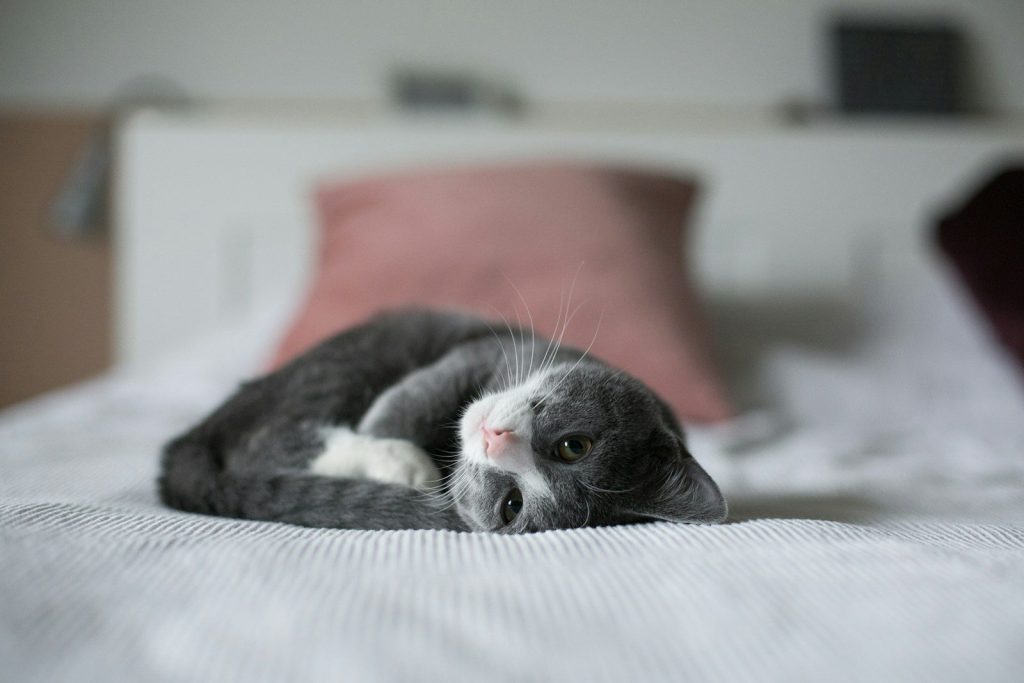
Cats have sensitive skin along their backs. When felines experience a sudden spasm, they might flip backward to relieve the tension. According to the American Veterinary Medical Association, hyperesthesia syndrome causes extreme skin sensitivity. This condition triggers frantic rolling behavior that mimics acrobatic stunts. But how do you know if this behavior requires a trip to the clinic?
Signs of a balance issue
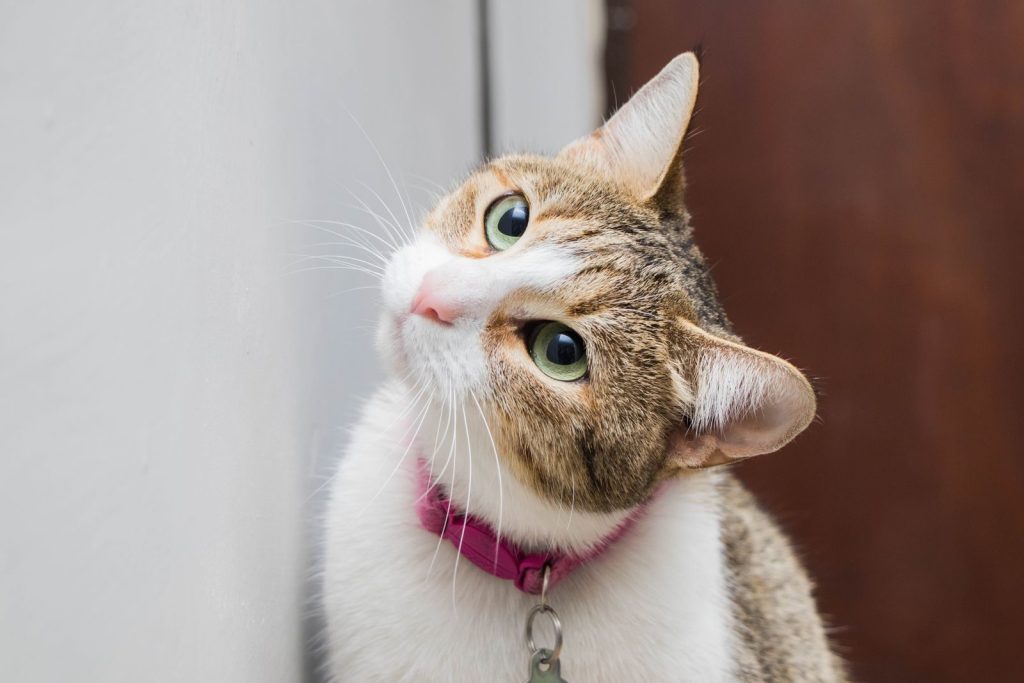
Feline balance relies on a delicate system inside the inner ear. If an infection or inflammation disrupts this system, your cat might stumble or roll repeatedly. Veterinarians refer to this as vestibular disease. Affected cats often tilt their heads, circle in one direction, or experience involuntary eye movements. Fortunately, there is a simple observation you can make to check their safety.
Watching how your cat lands
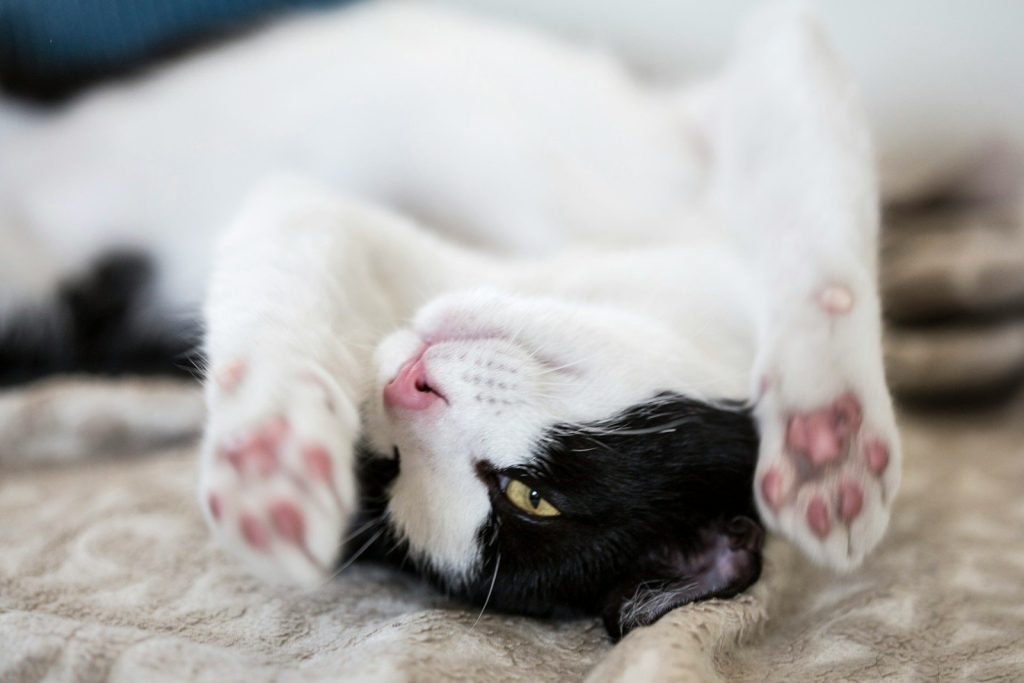
Healthy cats land on their feet almost every time. This famous ability is called the righting reflex. It develops at just three weeks of age. If your kitty rolls over but lands smoothly, they are likely playing. When a cat struggles to stand up after rolling, a neurologist should evaluate them. Still, your home environment plays a massive role in these sudden flips.
Creating a safe stunt zone
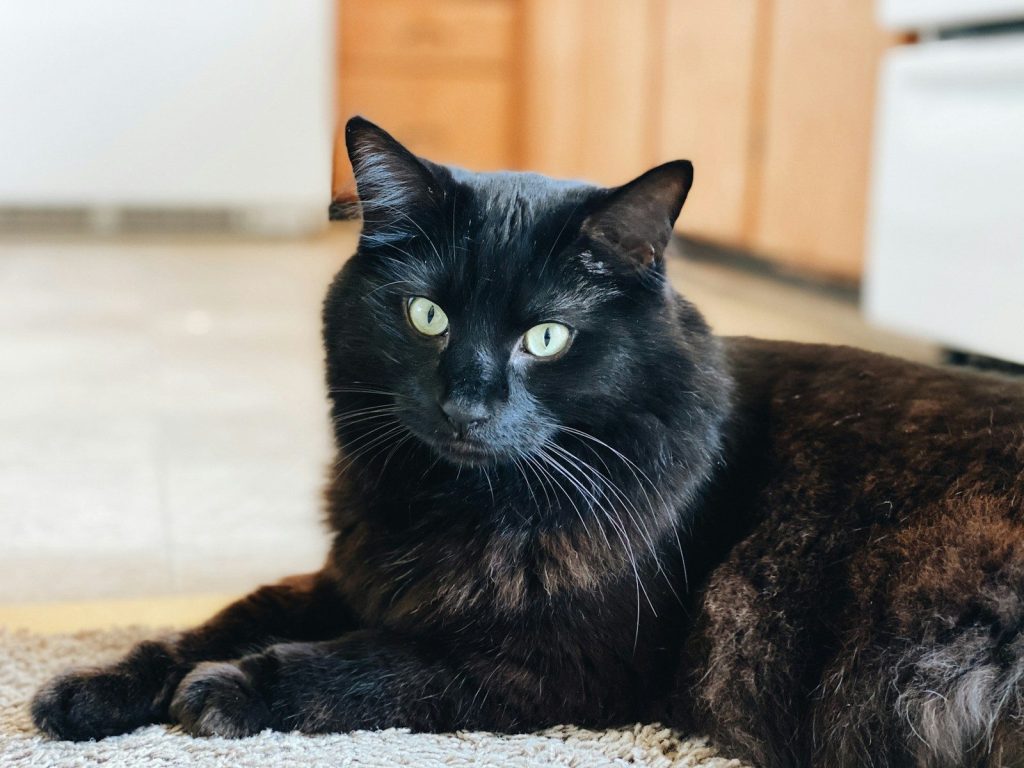
High-energy cats need appropriate spaces to burn off steam safely. Rugs, carpets, and soft yoga mats offer traction. Slippery tile or hardwood floors can cause painful leg injuries during play. Placing comfortable floor coverings in their favorite areas protects their joints. But physical space is only half the battle when keeping acrobats safe.
Interactive toys that prevent injury
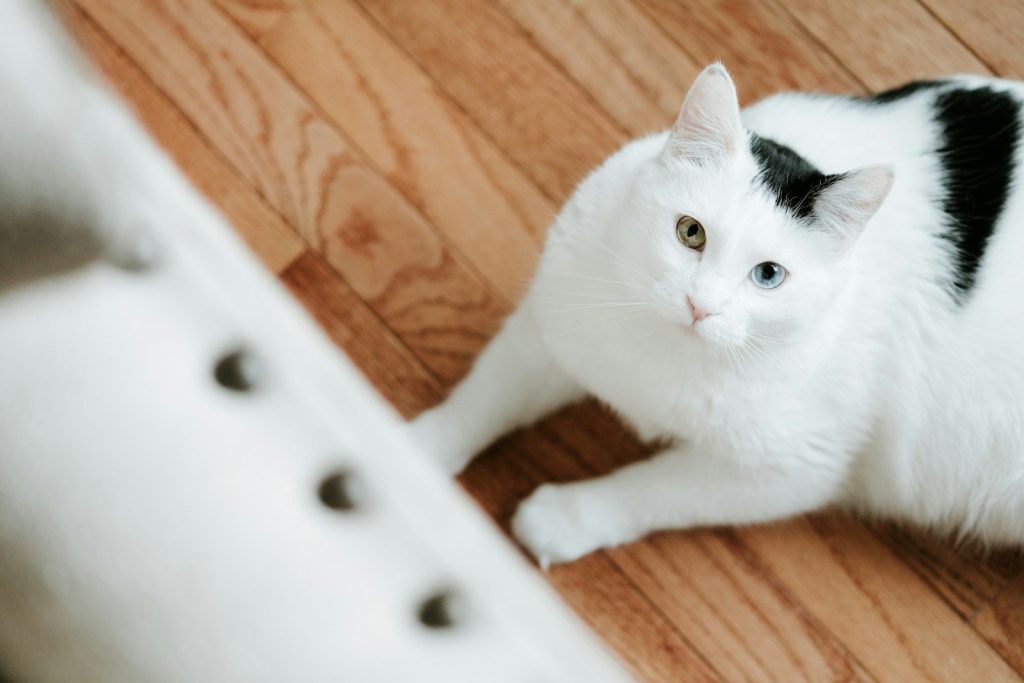
Boredom often drives cats to perform bizarre physical stunts. Providing safe wand toys and puzzle feeders channels their energy. Dr. Sarah Wooten, writing for Vetstreet, recommends structured play sessions twice daily. This structured activity keeps their minds sharp and bodies safe. However, you must always consult a professional for sudden behavioral changes.
Consulting your family veterinarian
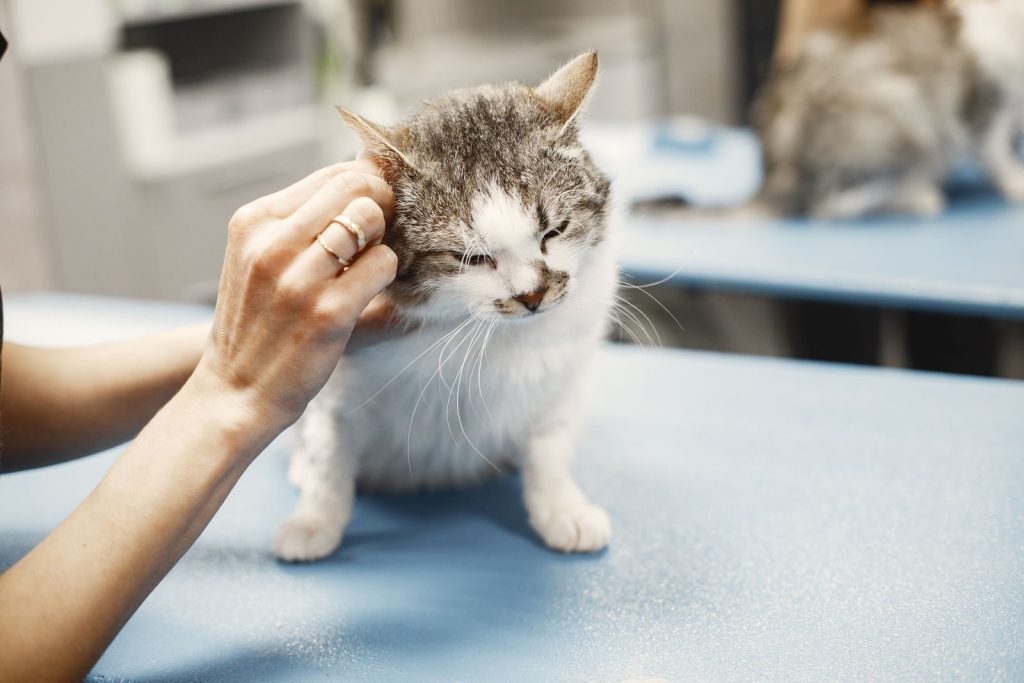
A sudden increase in somersaults warrants a checkup. Record video of the behavior to show your vet. This article is for informational purposes only and does not constitute veterinary advice. With the right care, your tumbling kitty can enjoy their athletic moves safely.
Featured Image: Photo by Isabella Panzitta on Pexels