
You might know the popular Siamese or the fluffy Persian. But some cats exist in such tiny numbers that most pet owners will never see one in person.
These hidden gems of the feline world have incredible genetic histories. Let’s look at the secret details that make these gorgeous animals incredibly unique.
The expensive cat that looks like a wild leopard
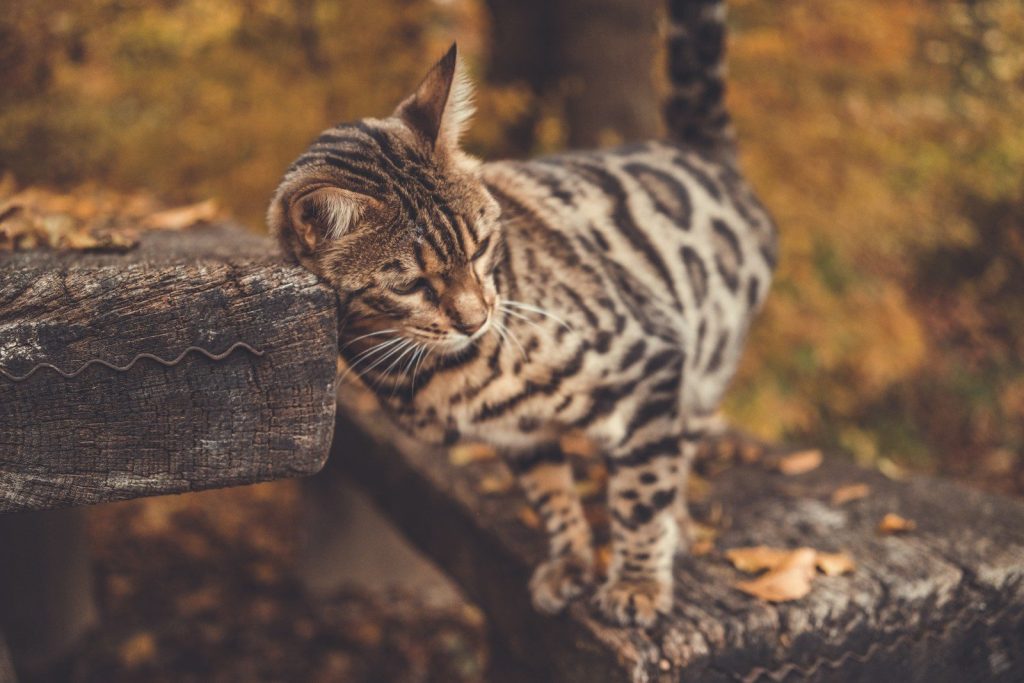
High-end breeders love the Bengal cat. This stunning animal combines domestic sweetness with wild genetics. According to the Cat Fanciers Association, wild ancestry gives them their distinctive spotted coats. But keeping these active hunters happy requires massive amounts of space and specialized care. This daily demand leads to a highly surprising territorial challenge that most owners never expect.
A curly-haired feline that looks like a soft sheep
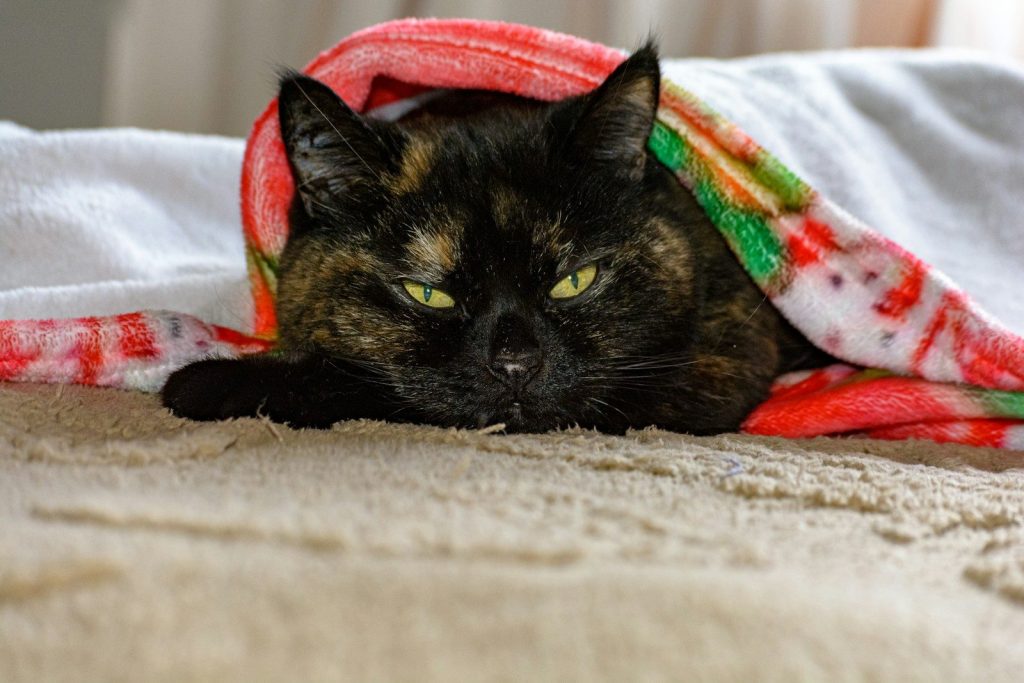
The Selkirk Rex has a naturally curly coat that feels like fleece. This genetic mutation happened by chance in Montana. While they look cute, their unique fur attracts a lot of dirt and skin oil. Grooming them incorrectly can cause painful mats on their sensitive skin. But another rare breed faces an even bigger physical challenge.
The tailless hunter from a lonely historic island
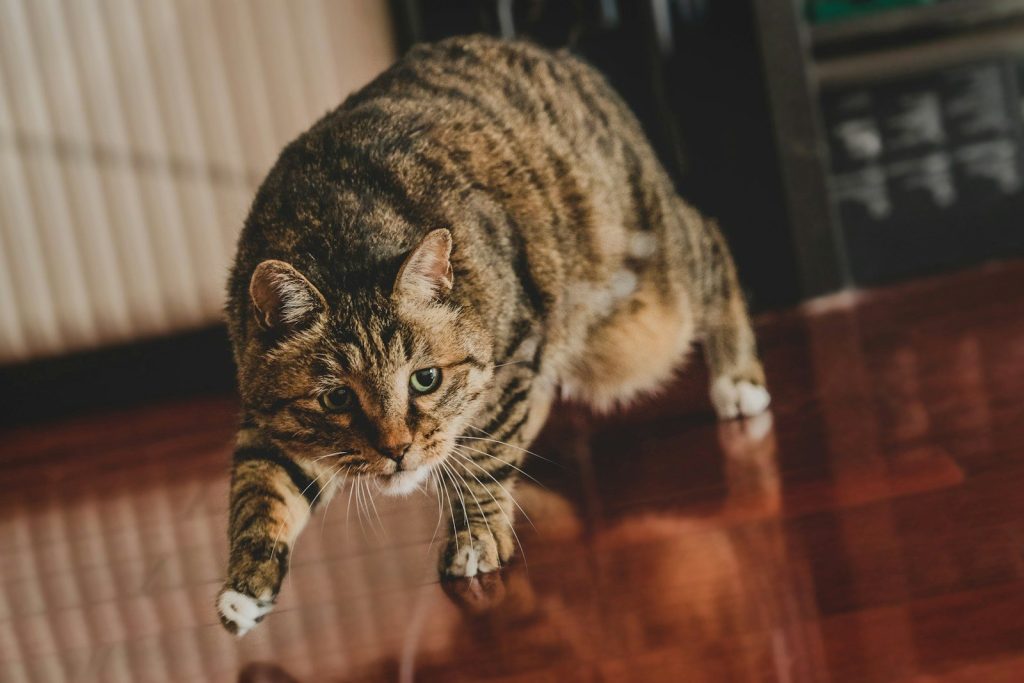
The Manx cat comes from the Isle of Man. Due to a natural genetic mutation, these cats have no tails at all. According to the Cornell Feline Health Center, this lack of a tail can sometimes cause serious spinal problems. Yet these cats remain incredible jumpers with powerful hind legs. However, a different rare cat uses a physical trait to hear secret sounds.
The wild-looking giant with huge tufted ears
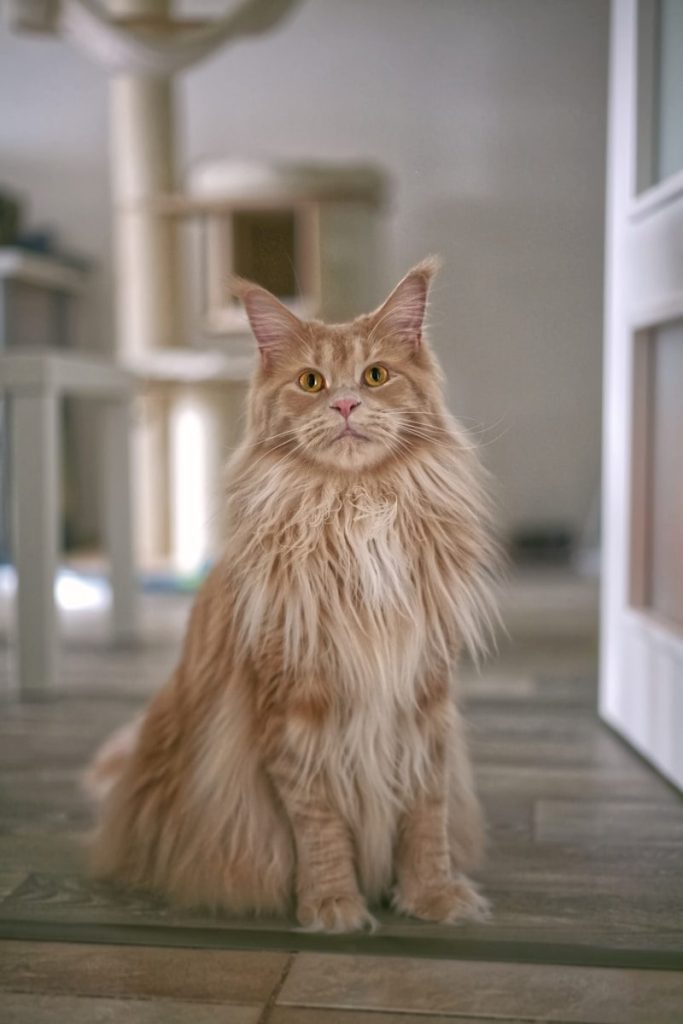
Maine Coons are famous for their giant size. Their ears feature long tufts of fur that look like wild lynx ears. This physical feature helps protect their ears from freezing temperatures. Breeders struggle to keep these lines pure because their massive bodies require massive care. But an even rarer breed has ears that curl backward in a funny shape.
A beautiful cat with ears that curl backward oddly
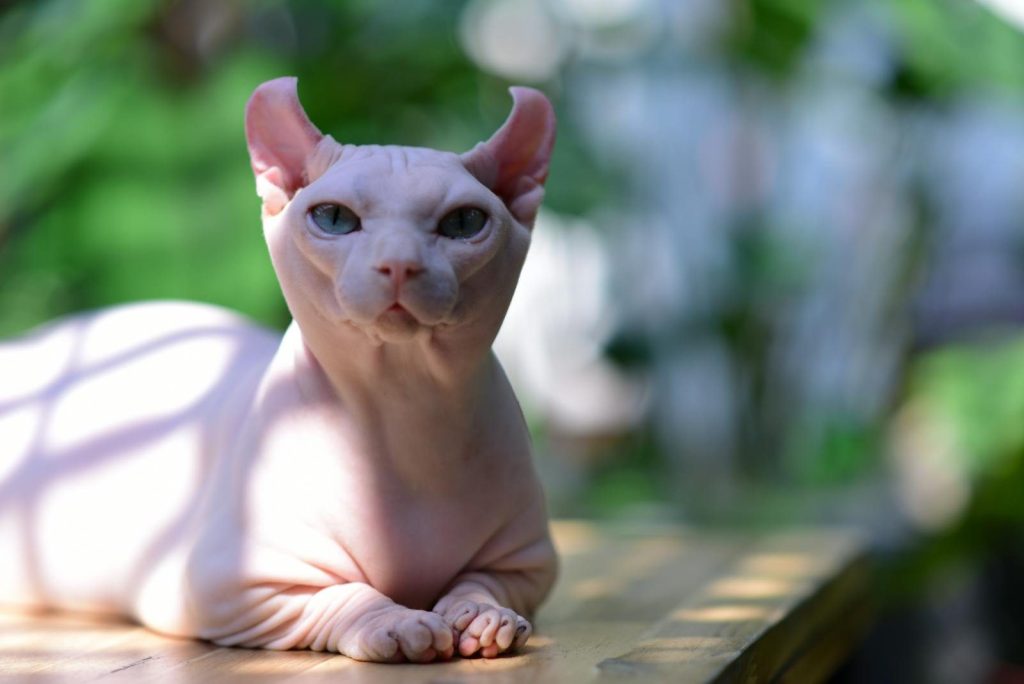
The American Curl has ears that twist away from their face. Kittens are born with straight ears that start to bend after just ten days. According to the International Cat Association, the ear cartilage is very delicate and can easily tear. Owners must handle them with extreme care. Yet an even more fragile breed has no coat at all.
The bald beauty that needs a warm winter sweater
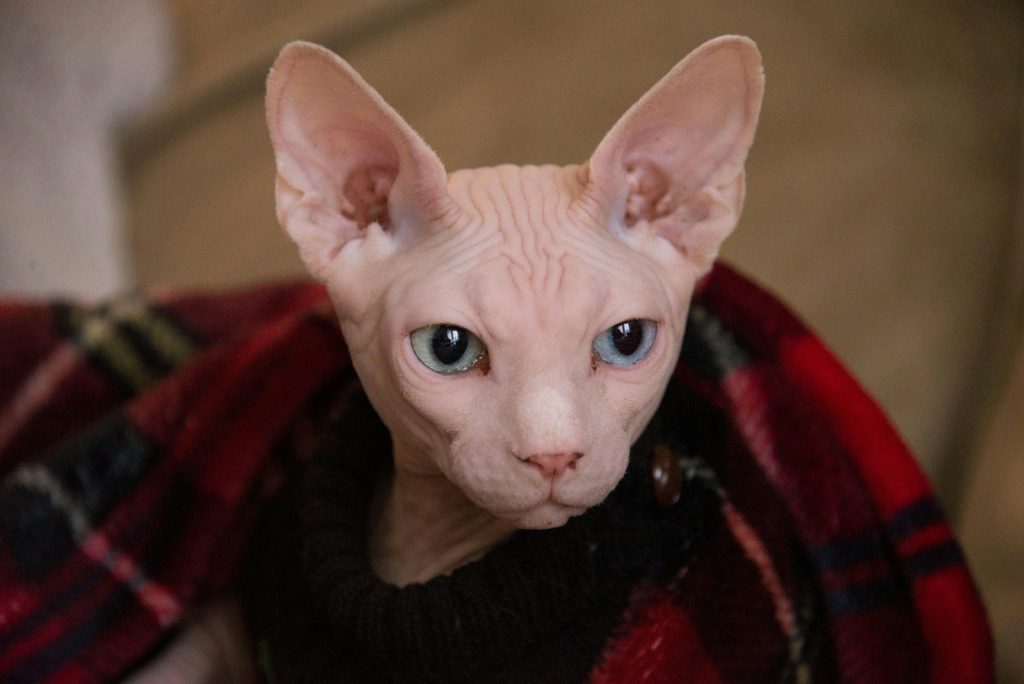
Sphinx cats have no fur to protect their skin. This makes them highly sensitive to cold weather and hot sun. They must live indoors and wear warm clothing during the winter months. Because they have no hair, skin oils build up quickly and require weekly baths. This unusual grooming routine can lead to a highly unexpected behavior change.
Why breeders keep these rare animals so hidden
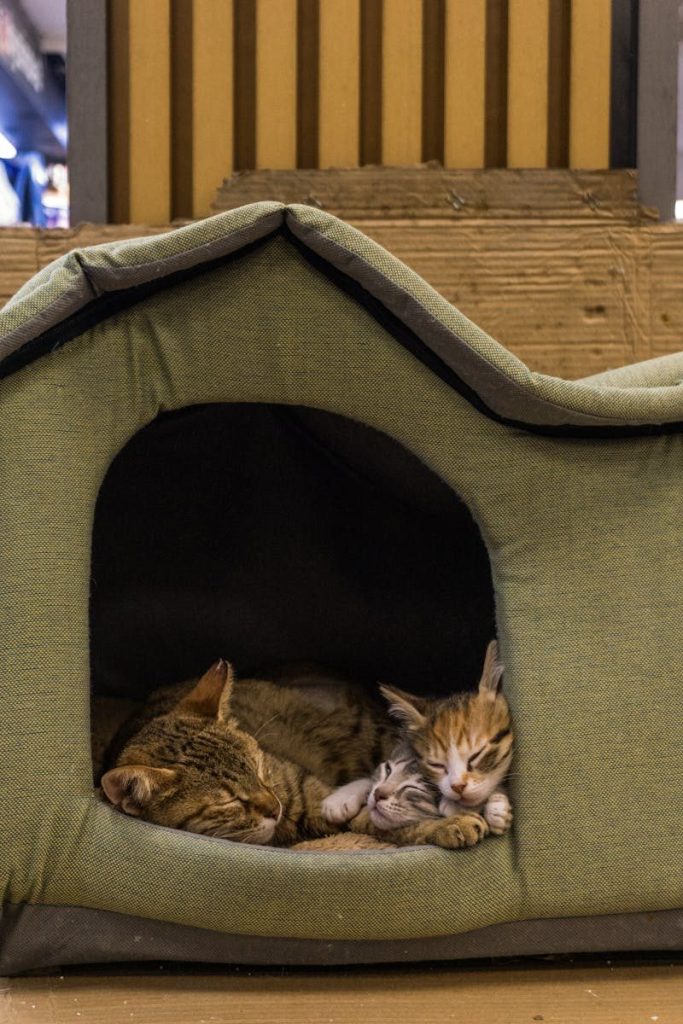
Purebred lines require strict genetic testing to avoid painful diseases. According to the American Veterinary Medical Association, small gene pools can increase the risk of heart conditions. Responsible breeders often keep their kittens in quiet homes to protect their health. This cautious approach keeps the numbers incredibly low. But one final breed remains the absolute hardest to find.
The rarest feline of them all revealed
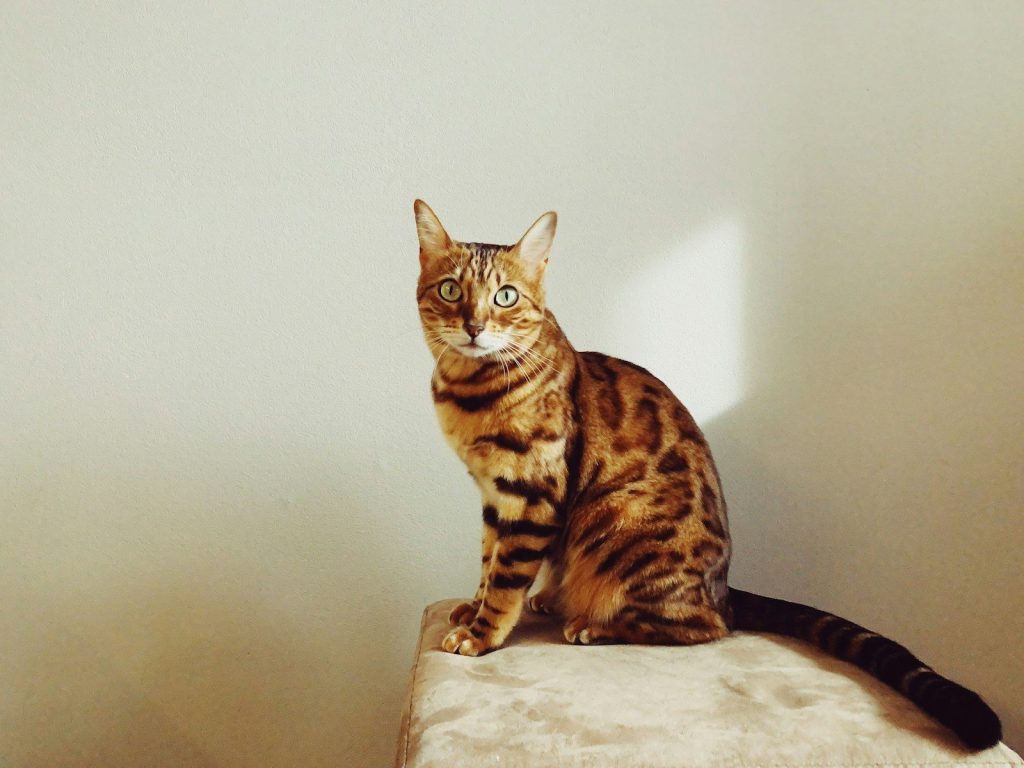
The Sokoke cat originates from the deep forests of Kenya. These beautiful animals have a unique wood-grain coat pattern. Because very few exist outside of Africa, collectors treat them like living royalty. This article is for informational purposes only and does not constitute veterinary advice. Cherish the common cats in your life because love is what matters most.