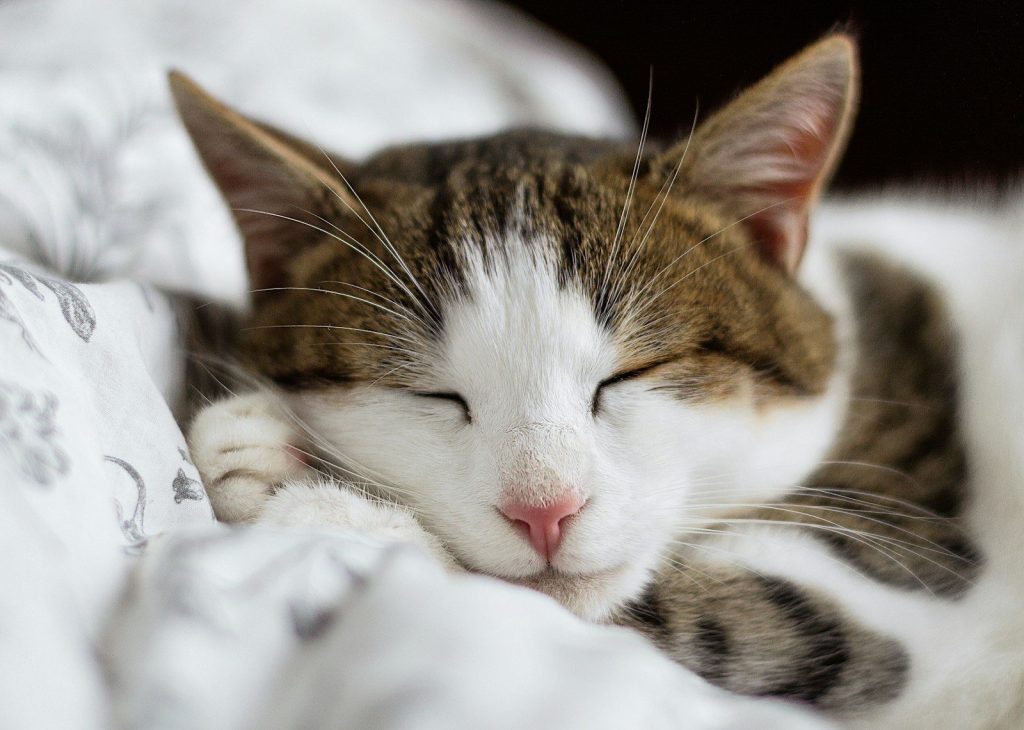

Caring for an aging pet brings unique challenges that require deep patience. When a senior cat loses their hearing, they can easily get startled or feel isolated in their own home.
One owner developed a simple, beautiful method to let his deaf cat know he was home without causing any fear. This gentle routine completely changed how they communicate daily.
The silent world of the senior cat
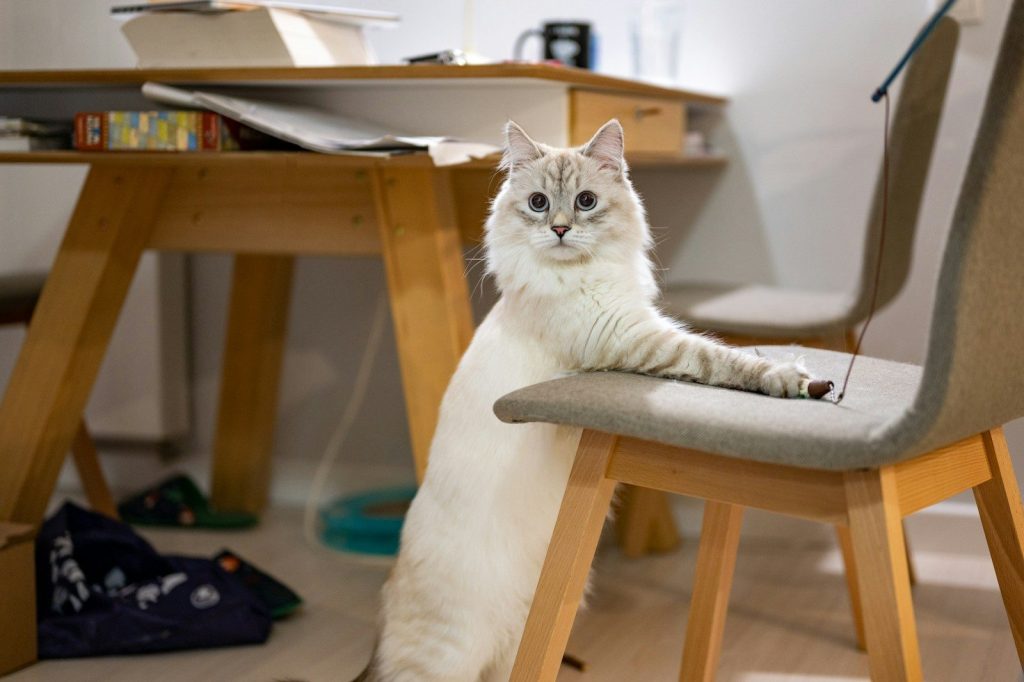
As felines age, their senses naturally begin to fade. According to the Cornell Feline Health Center, hearing loss is a very common issue in geriatric cats. A deaf pet can no longer hear your footsteps or the sound of the front door opening. This silence can make them feel vulnerable and anxious. But you can use other physical senses to reach them.
Using heavy vibrations to say hello

Felines possess incredibly sensitive paw pads that can detect tiny ground vibrations. Instead of sneaking up on a sleeping deaf cat, walk with firm, heavy steps on the floor. These physical tremors act as a silent announcement of your presence. It allows them to wake up slowly without panic. However, your scent also plays a massive role in this process.
The power of a familiar scent
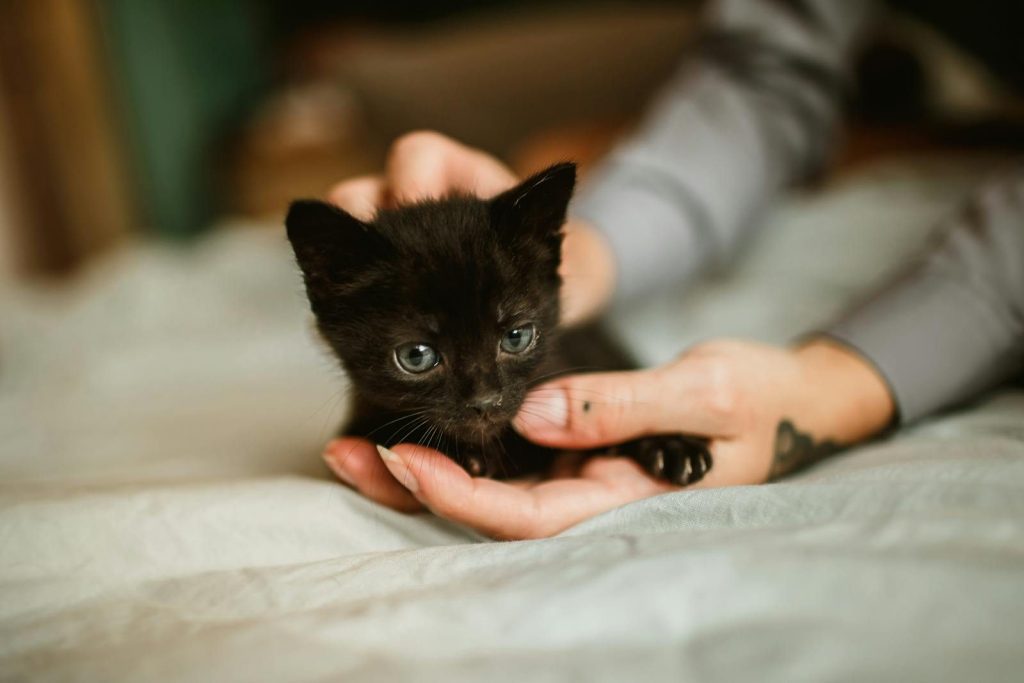
A cat’s sense of smell is their primary way of understanding the world. Before touching a senior pet, place your hand near their nose to let them sniff you. This simple gesture immediately reassures them that you are a friend, not a threat. This article is for informational purposes only and does not constitute veterinary advice. But light can also be a powerful tool.
Creating a visual signal with light

You can use a small flashlight or flick a room light switch to get your pet’s attention gently. This visual cue acts as a friendly call from across the room. It prevents them from being startled when you walk into their field of view. This routine helps them feel in control of their environment. But there is a specific way you must approach them.
Approaching from a safe visual angle
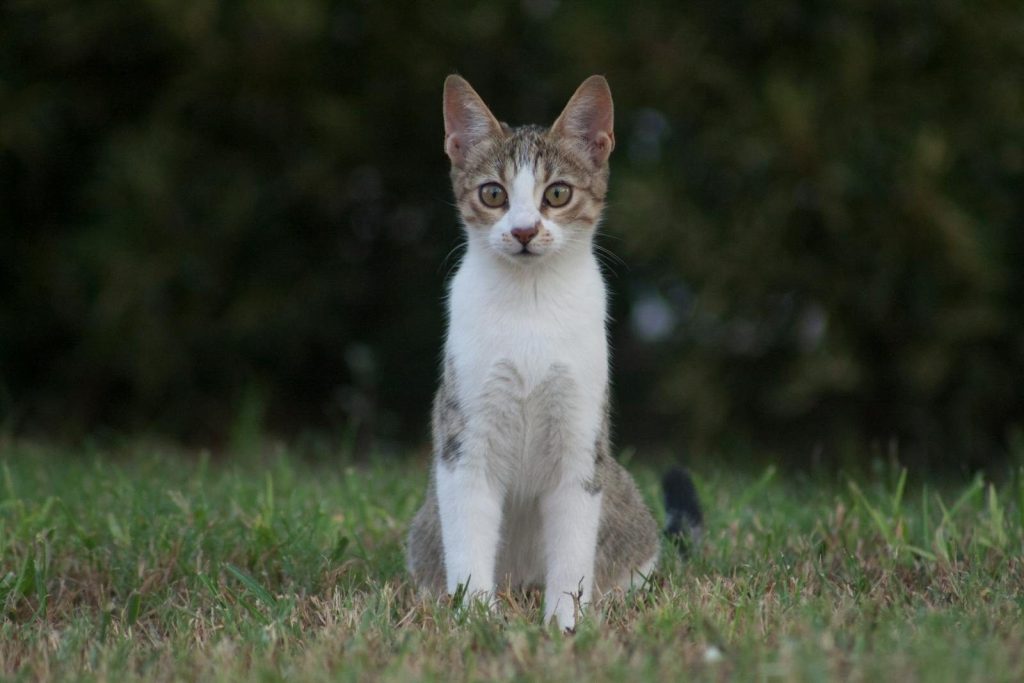
Never approach a deaf cat from directly behind. This sudden movement can trigger their defensive flight or fight survival response. Instead, always walk toward them from the side or front so they can see you coming. This respectful approach builds immense trust over time. But physical touch is where the real magic happens.
The comfort of deep pressure touch
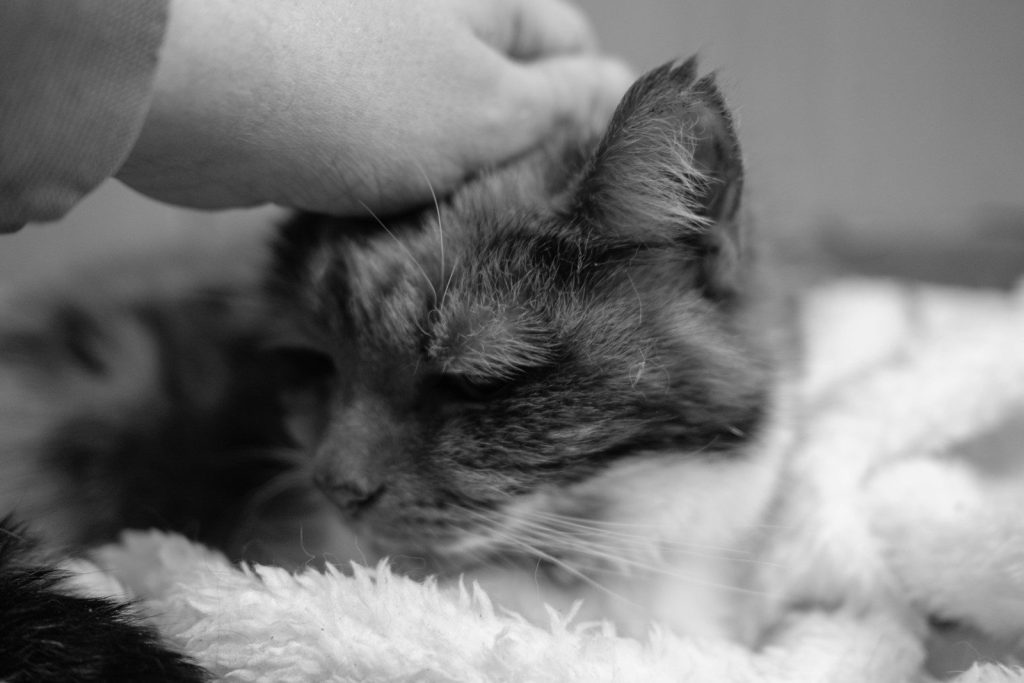
Gentle, steady pressure on their shoulders or cheeks can be highly comforting to an older pet. According to the ASPCA, tactile contact helps reduce stress in senior animals significantly. This loving touch replaces the vocal reassurance they can no longer hear. It lets them know they are safe. But the rewards of this extra care are absolutely priceless.
A deep bond that transcends silence
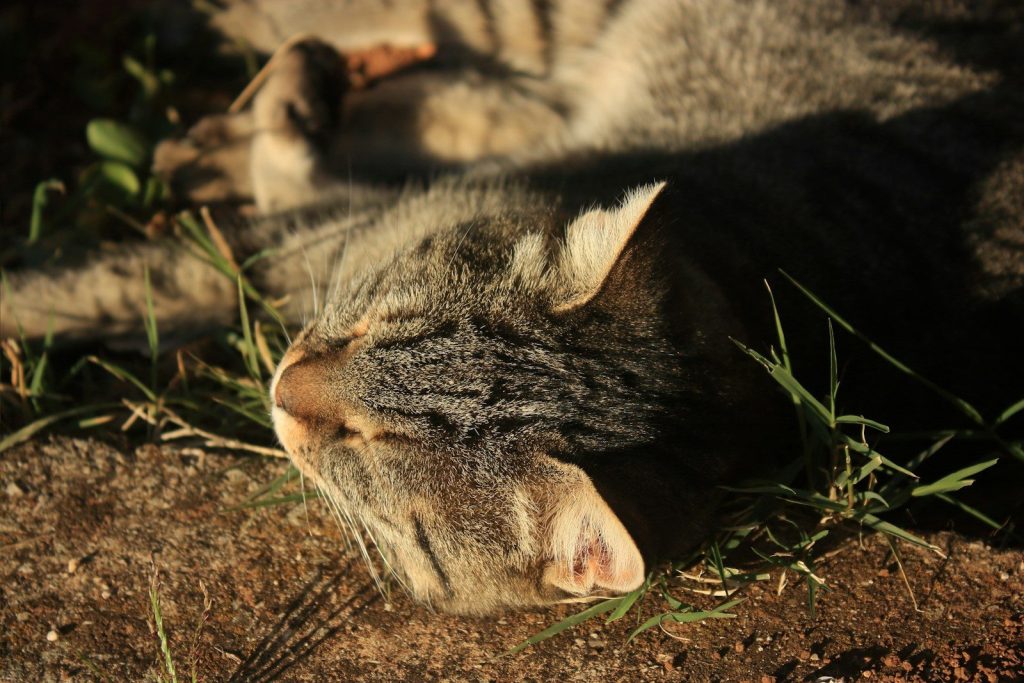
Adapting to your senior pet’s changing needs shows true dedication as an owner. This extra effort creates an incredibly deep and unique bond between you and your animal. Your cat might live in a silent world, but they still feel the warmth of your love every single day. Caring for them is a beautiful journey of mutual devotion.
Featured Image: Photo by Alexandru Zdrobău on Unsplash