

You are petting your cat, and they seem to love it. Then, out of nowhere, they turn around and sink their teeth into your hand.
This sudden aggression is deeply confusing and painful for owners. But felines rarely bite without warning or reason. Knowing their hidden language will save your skin.
The silent threat of petting overstimulation

Felines have highly sensitive hair follicles all over their bodies. Repetitive stroking in the same spot can cause sensory overload, which actually feels painful to them. The Cornell Feline Health Center calls this petting-induced aggression. Your pet bites to make the discomfort stop immediately. But they usually give you several warning signs before they lash out.
How to read a twitching tail warning

Before your cat bites, their body language shifts. A tail that is flicking back and forth is not a sign of joy. According to behaviorists at the ASPCA, this movement shows growing irritation and stress. If you ignore this physical signal, a quick bite is usually the next step. However, their ears can also show a different kind of anger.
The clear warning of airplane ears

Watch your pet’s ears closely while you interact with them. If their ears flatten outward and rotate backward, they are feeling highly threatened or annoyed. This posture is a clear message to give them space immediately. Continuing to touch them during this phase guarantees a defensive reaction. But there is another common bite that means something completely different.
What gentle love bites actually mean

Sometimes your pet nibbles your skin without breaking it or causing pain. Felines use these soft bites to show affection and mimic grooming behaviors they learned from their mothers. It is a sign of trust and bonding. This article is for informational purposes only and does not constitute veterinary advice. But another sudden bite can be a sign of physical pain.
Biting as a reaction to hidden pain
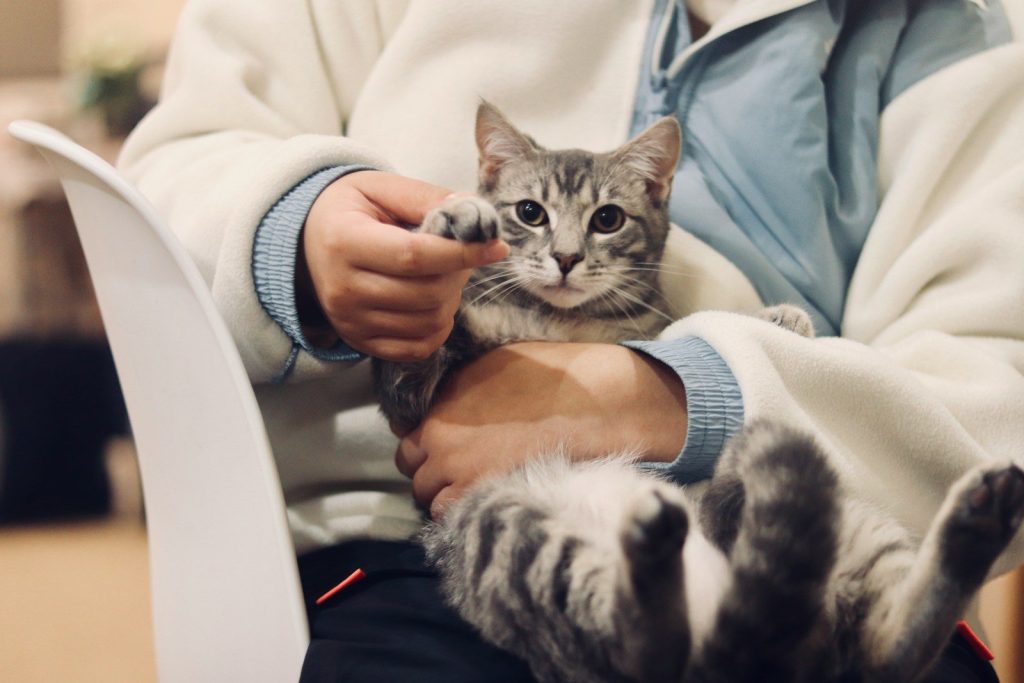
If your normally gentle pet suddenly starts biting when touched, they might be hurting. Medical issues like arthritis or dental disease can make them highly sensitive. According to the American Veterinary Medical Association, cats hide their pain extremely well. A sudden bite is often a desperate cry for help. But boredom can also trigger this aggressive behavior.
The frustration of pent-up energy
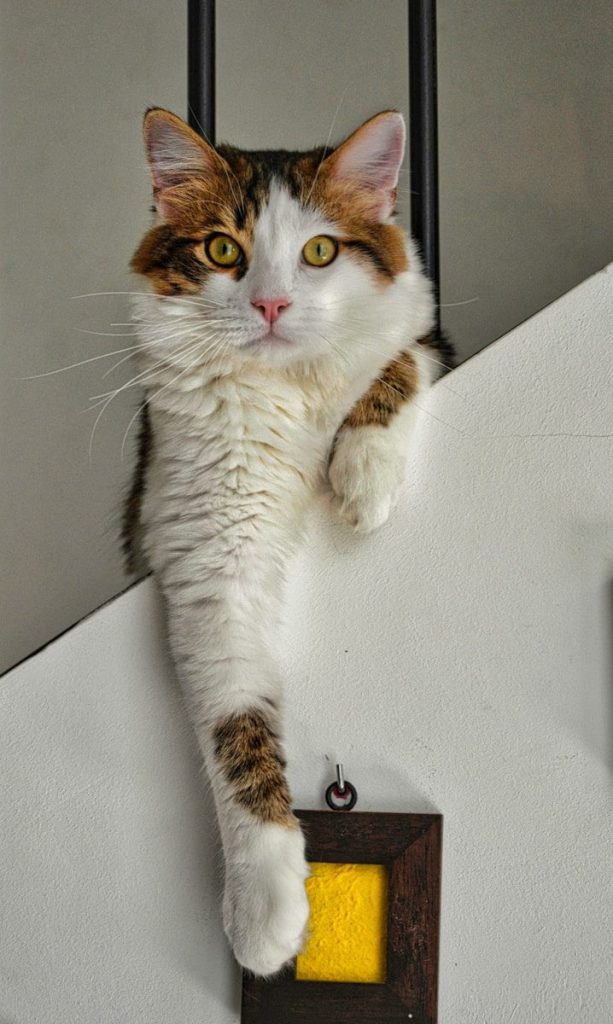
Animals that do not get enough mental and physical stimulation can become frustrated. They might stalk your ankles and bite your feet as you walk by. This is actually a misplaced hunting instinct rather than true anger. They see your moving feet as prey to catch. Fortunately, you can easily redirect this wild behavior using the right tools.
Redirection training to stop the biting
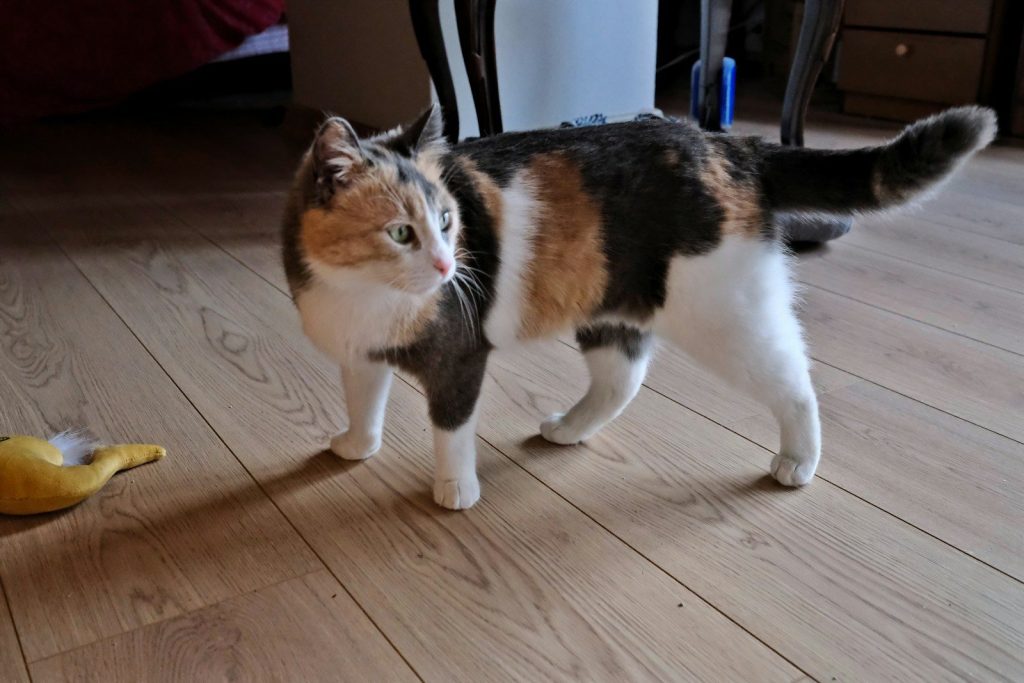
Never use your hands as toys during play sessions. Doing this teaches your kitten that human skin is a target. Instead, always use wand toys or kicker plushies to keep their teeth away from your body. Redirection training helps them satisfy their wild instincts safely. But what is the most important rule when a bite actually happens?
Staying calm to rebuild trust safely

Screaming or punishing your pet will only make them fear you more. If they bite, gently stop moving and withdraw your attention completely. This silent reaction teaches them that biting ends the fun immediately. With patience and consistent boundaries, you can build a safe, loving connection with your favorite feline companion.