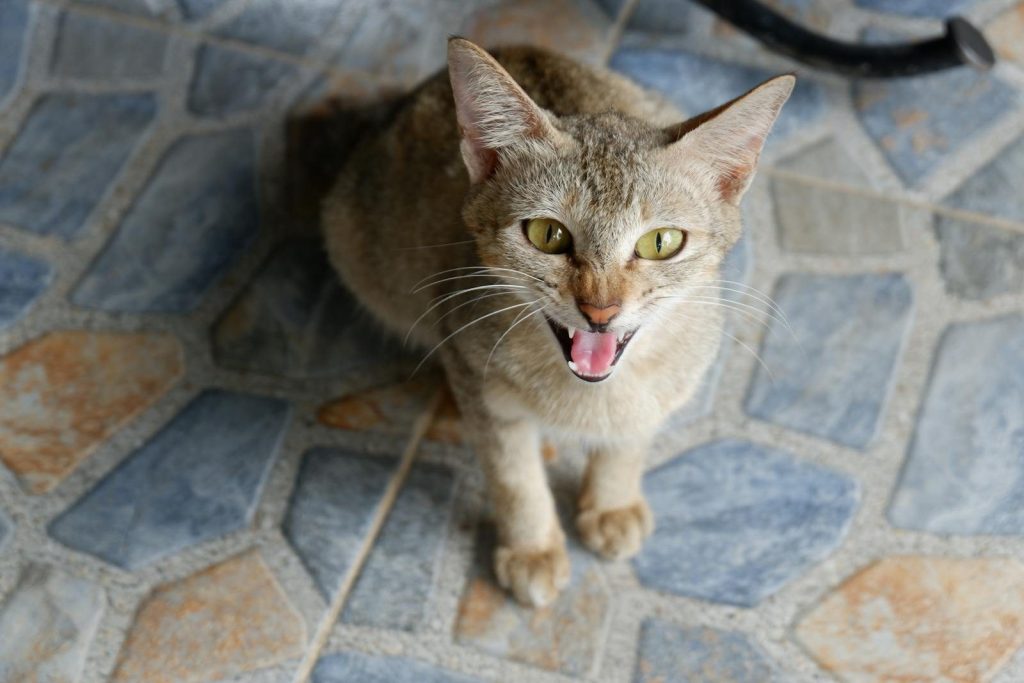

A stray cat corners themselves in an alley, hissing loudly and showing their teeth. Most people would walk away, assuming the animal is aggressive and wild.
But this defensive behavior is actually a desperate plea for safety from a frightened creature. Understanding the fear behind those sharp hisses can help you save a life.
The true biological meaning of a feline hiss
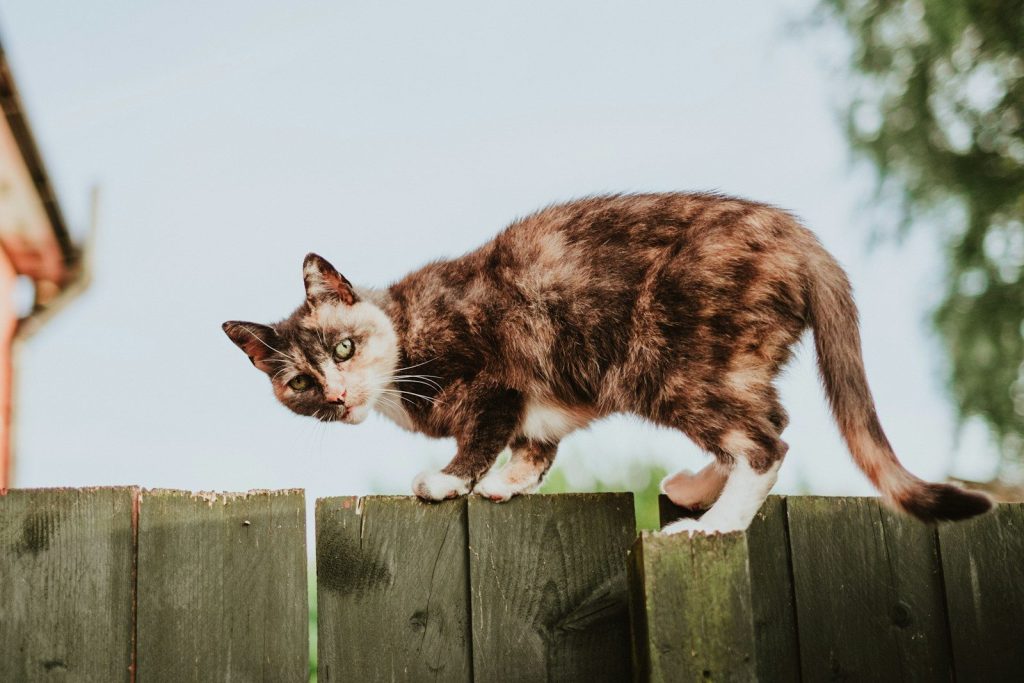
Hissing is never an unprovoked attack. It is a defensive warning system that cats use when they feel trapped and helpless. According to the ASPCA, a hiss is the feline equivalent of saying please stay away from me. The sound actually mimics a defensive snake to scare off potential predators. But this fear is often rooted in a painful past.
The heavy toll of surviving on the streets
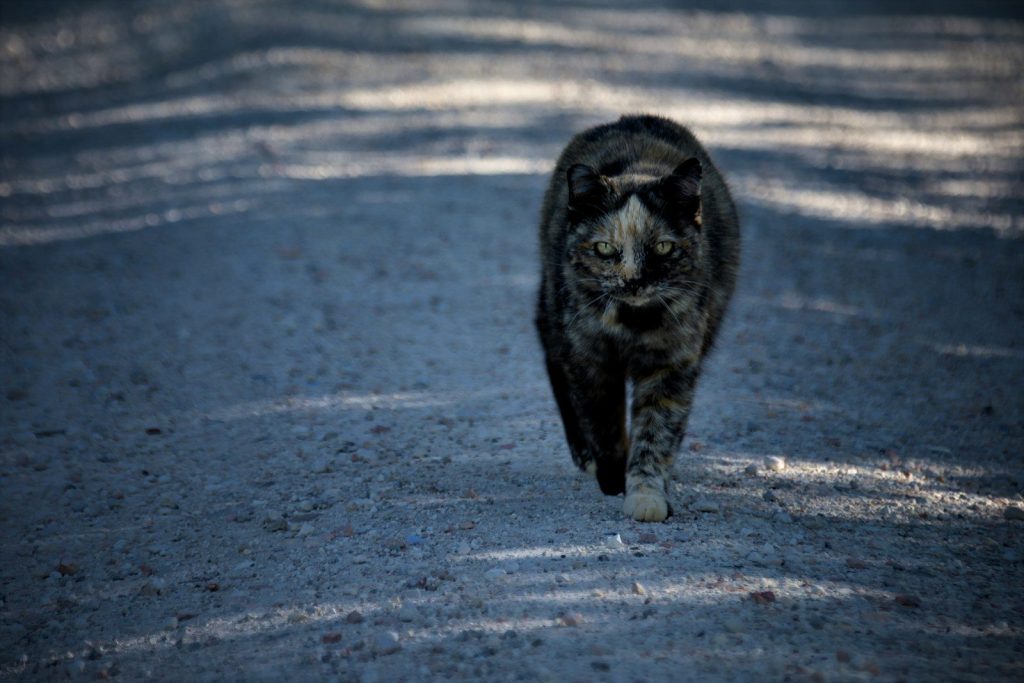
Stray animals face constant dangers from traffic, weather, and larger predators daily. They learn that humans can sometimes be a threat rather than a source of help. This trauma makes them highly suspicious of anyone trying to get close. When a rescuer approaches, the cat assumes they are fighting for their life. However, kind rescuers know how to break through this wall.
The powerful art of doing absolutely nothing

To gain the trust of a terrified cat, you must master the art of patience. Rescuers often sit quietly nearby without looking directly at the animal. Direct eye contact is seen as a threat in the feline world. By staying still and ignoring them, you show that you are not a danger. But offering a small reward can speed up the process.
Using high-value treats to build trust
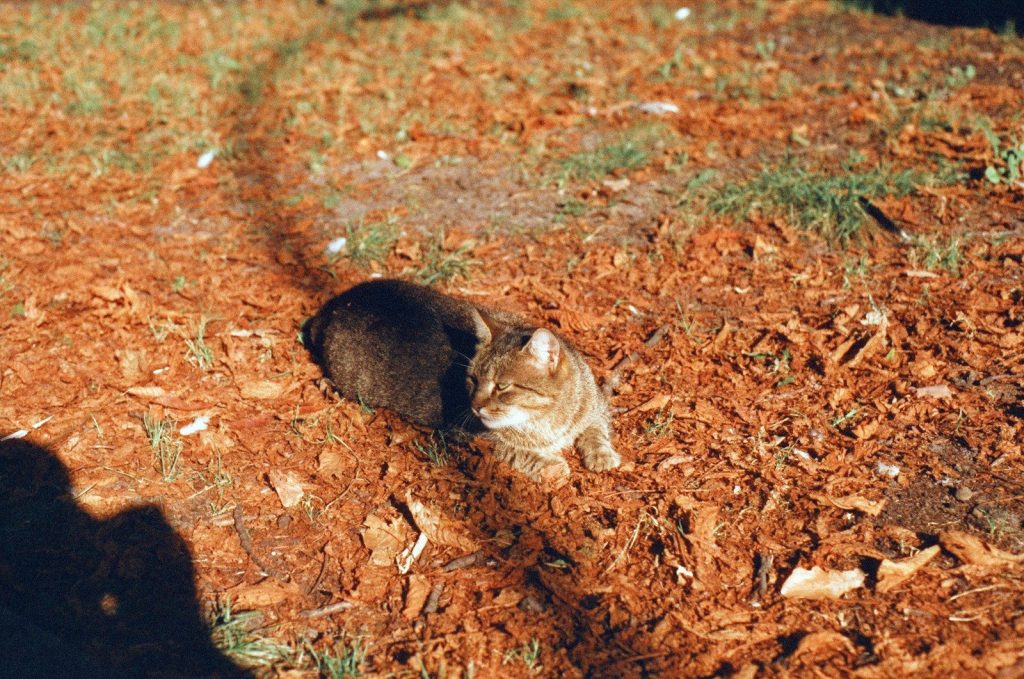
Food is the universal language of rescue work. Offering smelly treats like wet food or tuna can tempt even the most stubborn stray. The key is to place the food nearby and step back to give them space. This creates a positive association between your presence and delicious rewards. Yet, the first physical touch remains a delicate step.
Knowing when to use a gentle tool
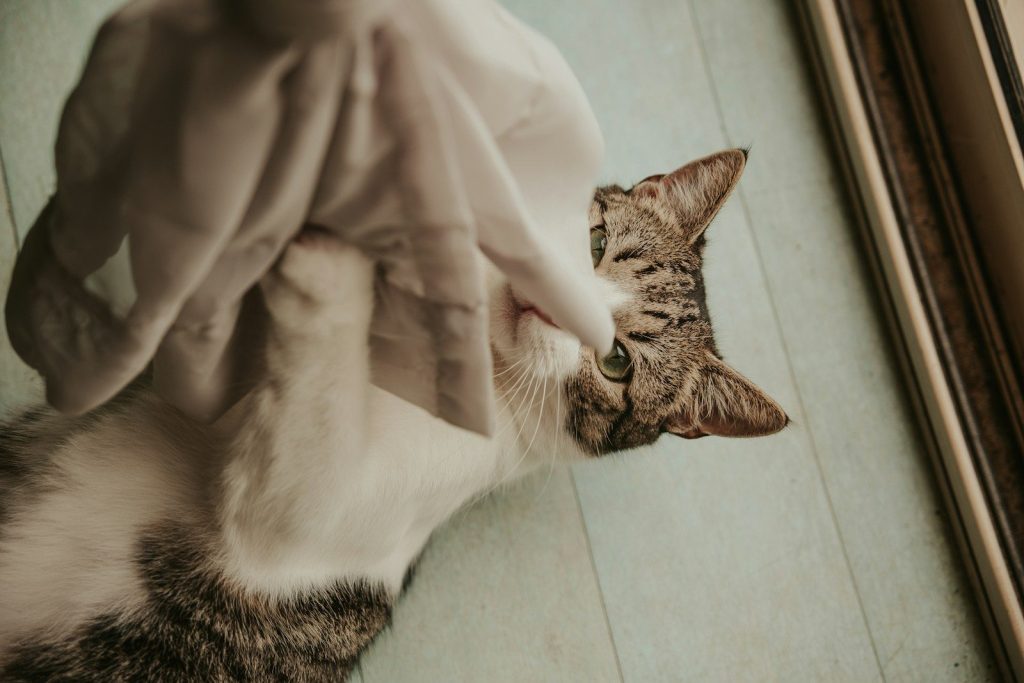
Never try to grab a hissing cat with your bare hands. This can lead to severe injuries for both you and the frightened animal. Rescuers use thick gloves, towels, or humane traps to keep everyone safe during the transition. This article is for informational purposes only and does not constitute veterinary advice. But what happens once they are inside?
Creating a quiet sanctuary for decompression
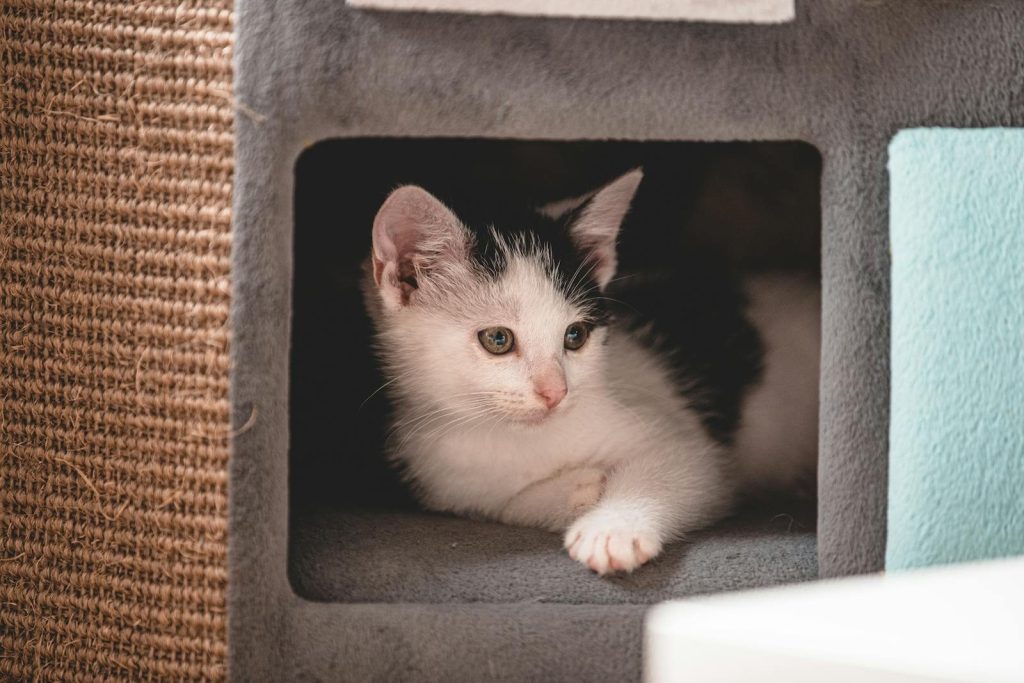
A newly rescued cat needs a small, quiet space to adjust to indoor life. A spare bathroom or a cozy closet works perfectly for the first few days. According to the Cornell Feline Health Center, sudden changes can trigger intense stress in cats. Giving them control over their space helps them lower their guard slowly. But the real magic happens over the next few weeks.
The beautiful transformation into a house cat

With enough time, the hisses slowly turn into quiet chirps and gentle purrs. The cat begins to realize that they no longer have to fight to survive. They learn to enjoy the comfort of soft blankets, clean water, and daily meals. It is a slow healing process that requires immense dedication from the owner. But the ending is always worth it.
A lifetime of loyalty from a rescued soul
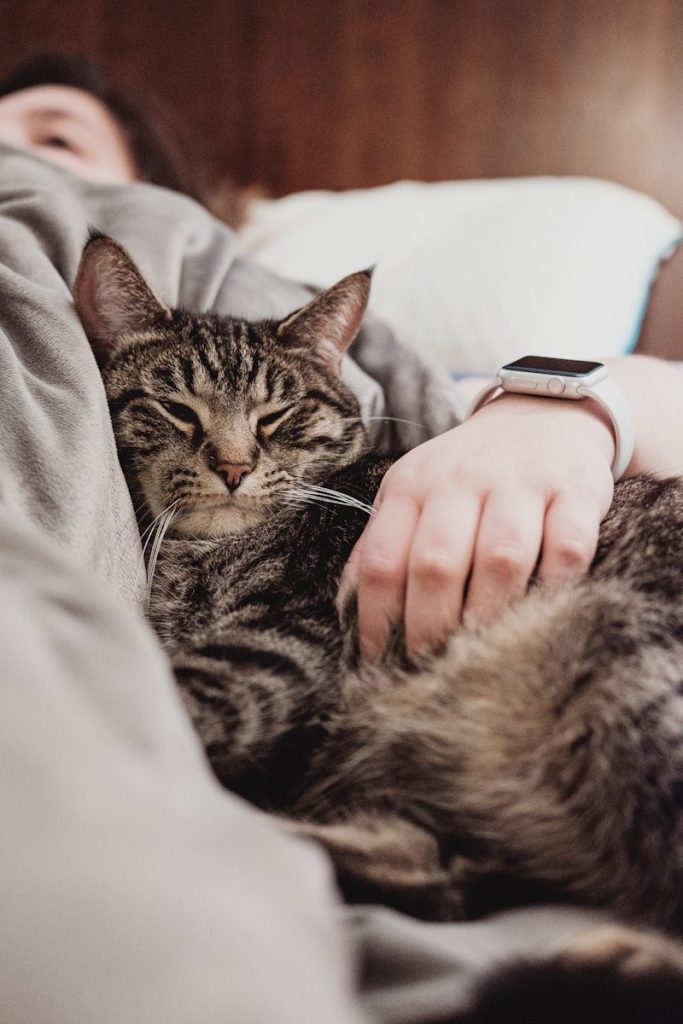
Rescuing a fearful cat is one of the most rewarding experiences a pet lover can have. The bond you build with a cat you saved is incredibly deep and lasting. They will show you a level of devotion that standard pets rarely match. You have officially changed their entire world forever.
Featured image: Photo by Agnes Montanez on Pexels