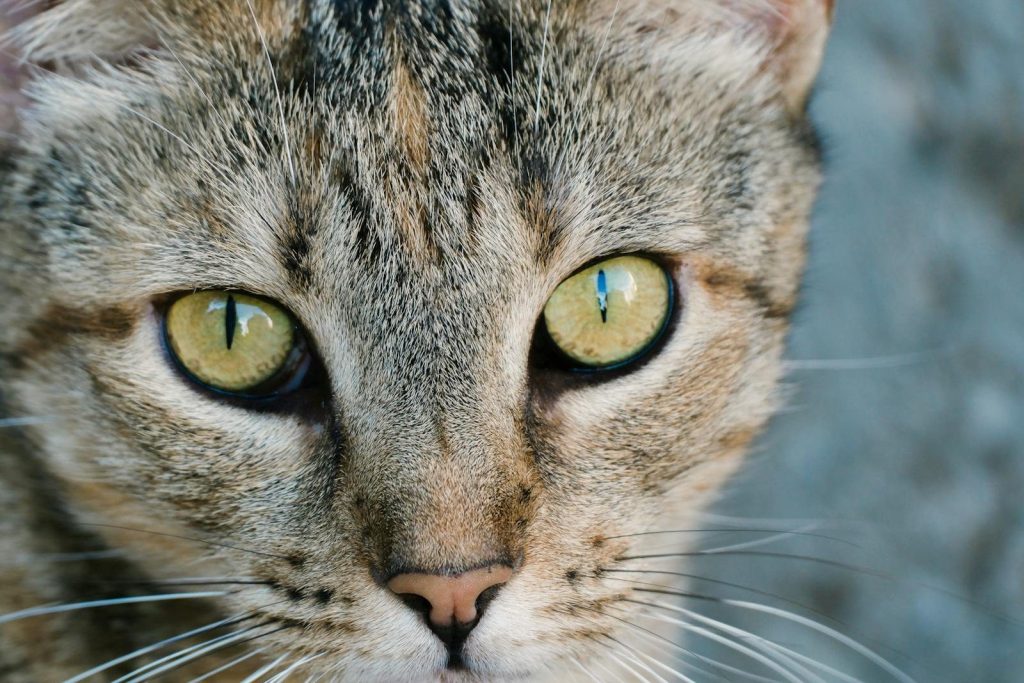

We assume our relationship with cats began in ancient Egypt. However, a stunning archaeological discovery has completely rewritten the history books.
Long before the modern house cat existed, another wild feline shared our homes. This ancient relationship was lost to time until now.
Unearthing ancient bones in a farm village
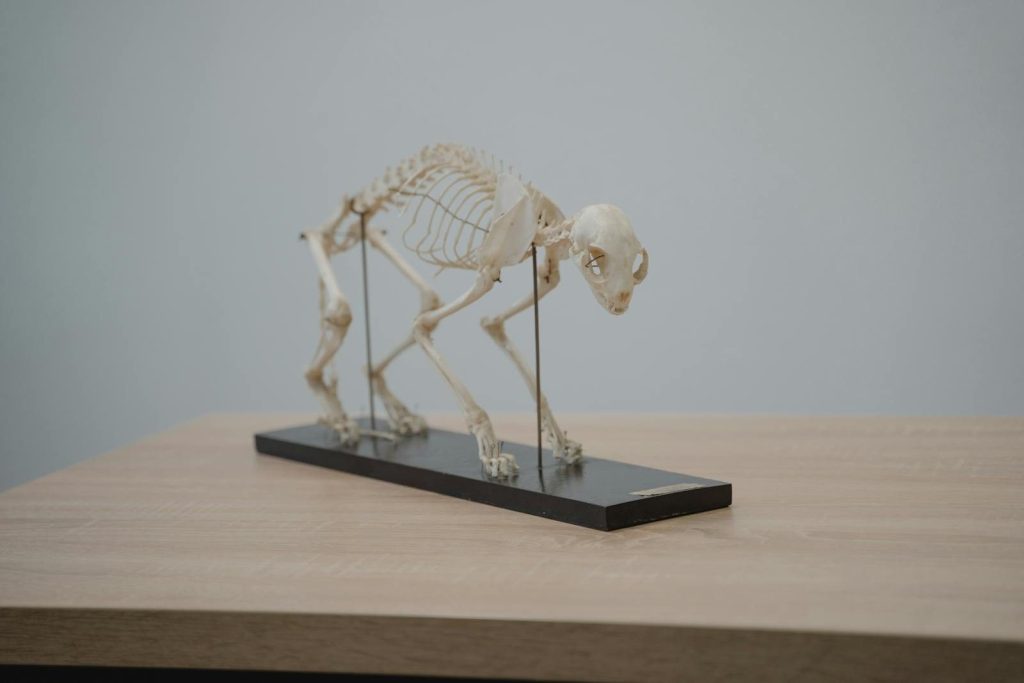
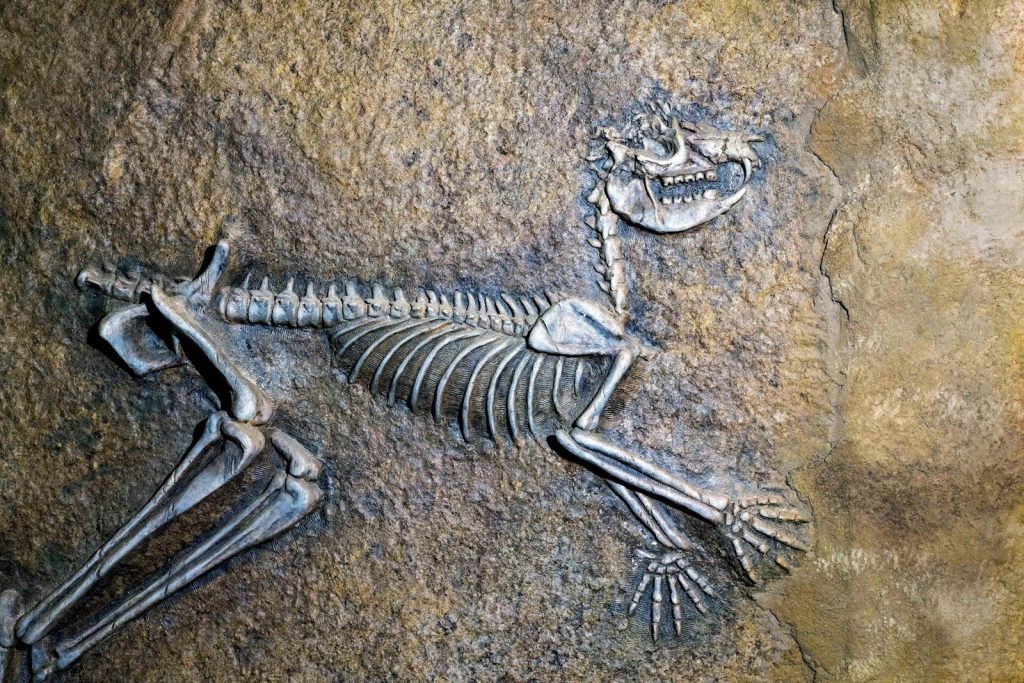
Scientists excavating an agricultural site in China found feline bones dating back over five thousand years. They expected to find ancestors of modern domestic cats. Instead, DNA analysis revealed a completely different wild species. The discovery shocked researchers worldwide. It meant humans tried to tame a very different predator first. But what was this mysterious ancient cat?
Meet the beautiful and fierce leopard cat
These bones belonged to the leopard cat, a small wild feline native to Asia. These creatures are known for their striking spotted coats and fierce hunting skills. They still exist in the wild today, though they are highly solitary. Yet, thousands of years ago, they walked among early human farmers. But why did humans welcome these wild predators inside?
The battle against ancient rodent pests
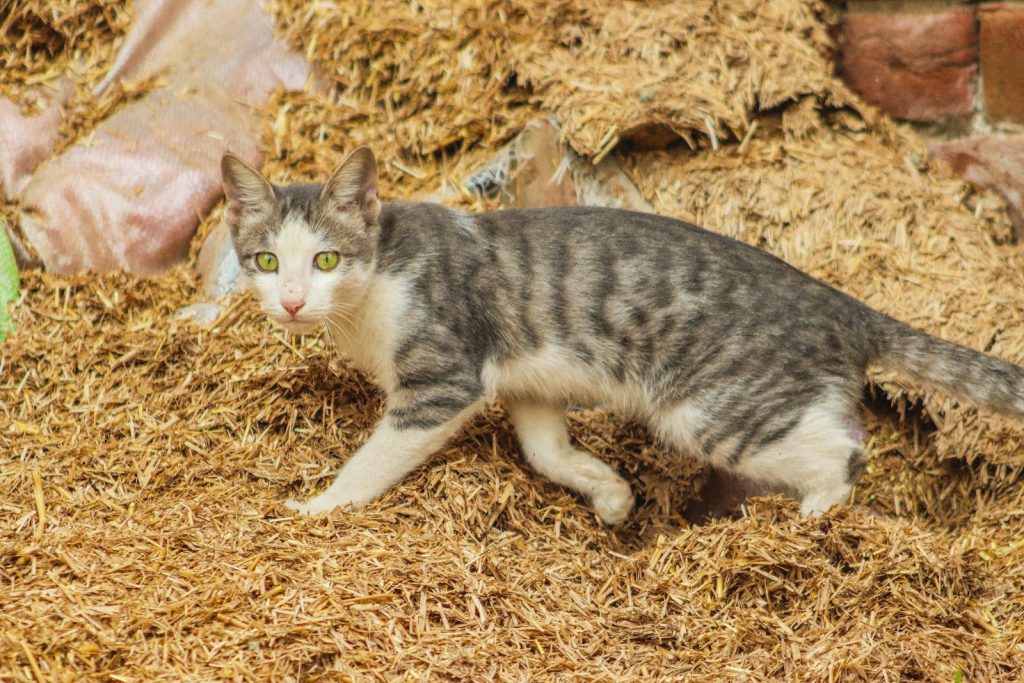
Early agricultural settlements faced a massive threat from rodents eating stored grain. The wild leopard cats were drawn to the villages by the abundance of mice. Farmers quickly realized these stealthy hunters were incredibly useful. A mutually beneficial partnership began to form. But was this a true domestication or just a temporary alliance?
How ancient humans fed their feline helpers

Chemical analysis of the ancient bones showed something surprising. The leopard cats ate food provided directly by humans, including farmed grains. This proved they were not just wild visitors. They were being actively cared for by the villagers. They lived in close proximity to human families. But how did this ancient bond suddenly disappear?
The sudden arrival of a European rival

Around four thousand years ago, modern domestic cats arrived in China via ancient trade routes. These new felines originated from the African wildcat. They were much easier to tame and handle than the fierce leopard cats. This introduction changed feline history forever. But how did the local leopard cats react to these newcomers?
Losing the battle for the human heart

Modern domestic cats quickly took over Chinese households. They were gentler, more social, and highly adaptable to indoor living. The local leopard cats were slowly pushed back into the surrounding forests. Their brief time as human companions was completely forgotten. But did they leave any lasting trace behind in our modern pets?
The modern breed that carries its wild blood
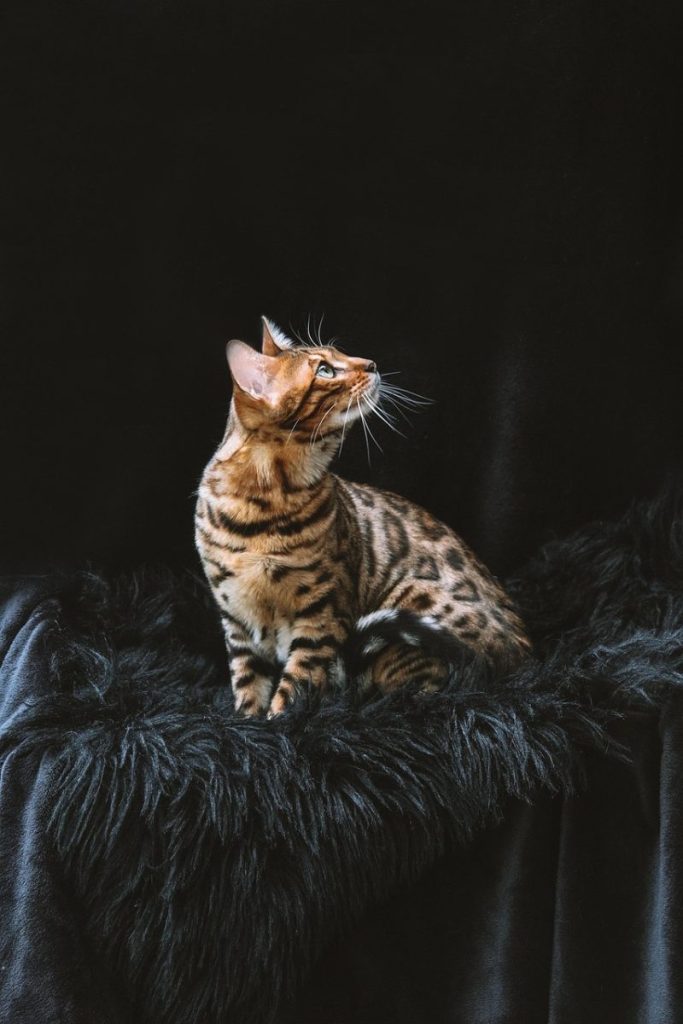
Today, the exotic Bengal cat breed carries the genetic legacy of the ancient leopard cat. Breeders crossed domestic felines with wild leopard cats to recreate that beautiful spotted look. According to the Cat Fanciers Association, these pets require active socialization to thrive. This article is for informational purposes only and does not constitute veterinary advice. But how can we appreciate this history?
Honoring the very first feline roommate
This amazing historical discovery shows that our love for felines runs incredibly deep. We have sought the companionship of these beautiful creatures for thousands of years. Knowing this history makes us appreciate our modern lap cats even more. They are the winners of a long evolutionary journey into our hearts.
Featured Image: Photo by Ramon Karolan on Pexels