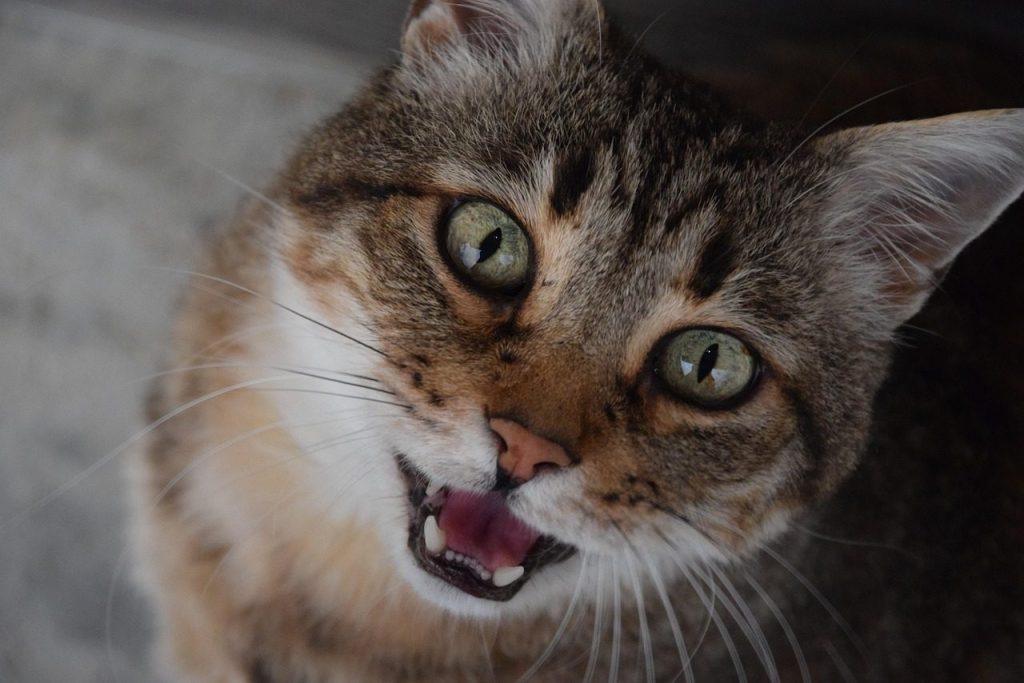

You ask your cat to move off the counter, and they sass you with a dramatic meow. Then your partner walks in, and the same pet instantly becomes an angel.
This hilarious behavioral shift can feel like a personal insult. Yet, science shows this favoritism has a logical biological explanation.
Deciphering the complex vocal feedback of cats

Cats do not speak human language, but they are master communicators. Those sassy, back-talking noises are actually targeted attempts to control the interaction. Dr. Sophia Yin, a noted animal behaviorist, found that felines use specific pitches to set personal boundaries with different humans. But why do they choose to push your buttons specifically?
How cats choose their primary human favorite
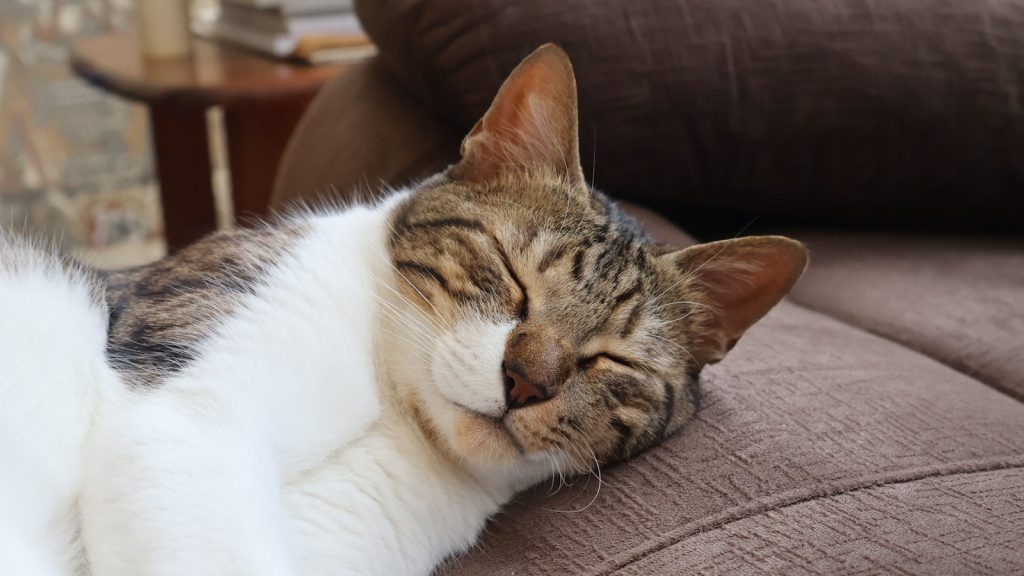
Felines often bond strongest with the person who reads their subtle body cues the best. If you are the one who feeds, grooms, and plays with them, they see you as their primary caregiver. This role means they feel safe enough to express their vocal frustrations to you. But how does your partner fit into this dynamic?
The novel appeal of the calm partner

When your partner arrives, your cat might switch to charm mode to gain attention or treats. Felines are incredibly smart and learn which behaviors work best with each household member. According to the Cat Fanciers Association, cats adapt their social strategies based on individual human personalities. But does vocal pitch affect this behavior?
Why lower voices can feel less threatening
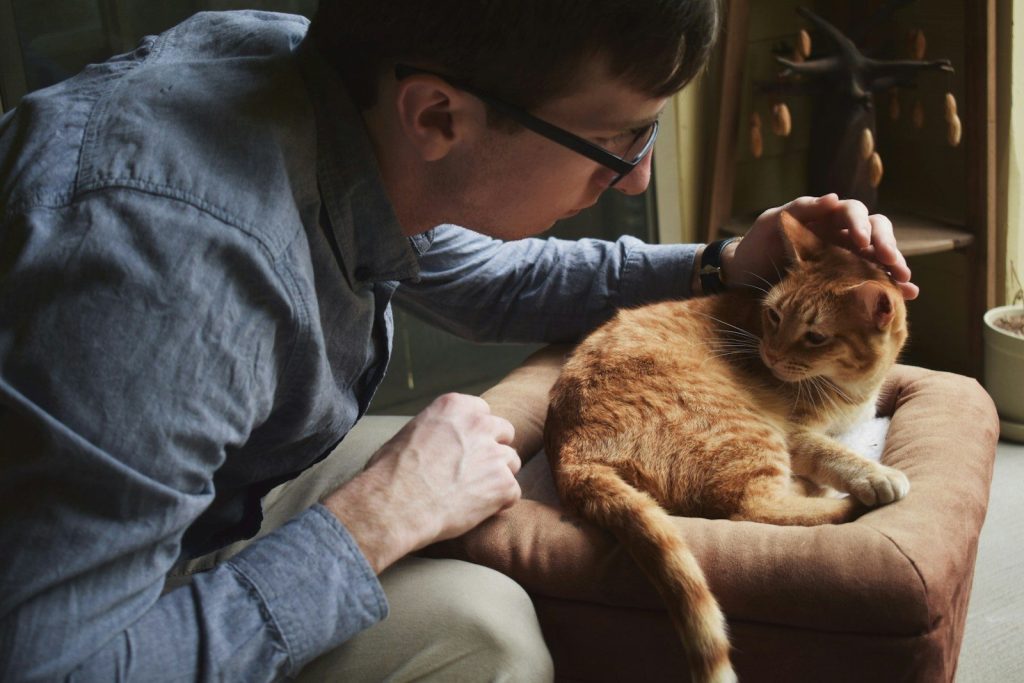
Cats have highly sensitive ears that easily detect high frequencies. A softer, lower-pitched voice can sound less demanding to an easily startled feline. If your partner speaks in a calm, low tone, the cat might respond with quiet obedience instead of sassy chatter. But what role does body language play?
The subtle power of giving them space

If you actively pursue your cat for cuddles, they might talk back to request space. Meanwhile, a partner who ignores the pet might attract them naturally. The American Veterinary Medical Association reports that letting a cat initiate contact reduces their overall stress levels. But how can you build a more balanced bond?
Simple daily shifts to build mutual trust
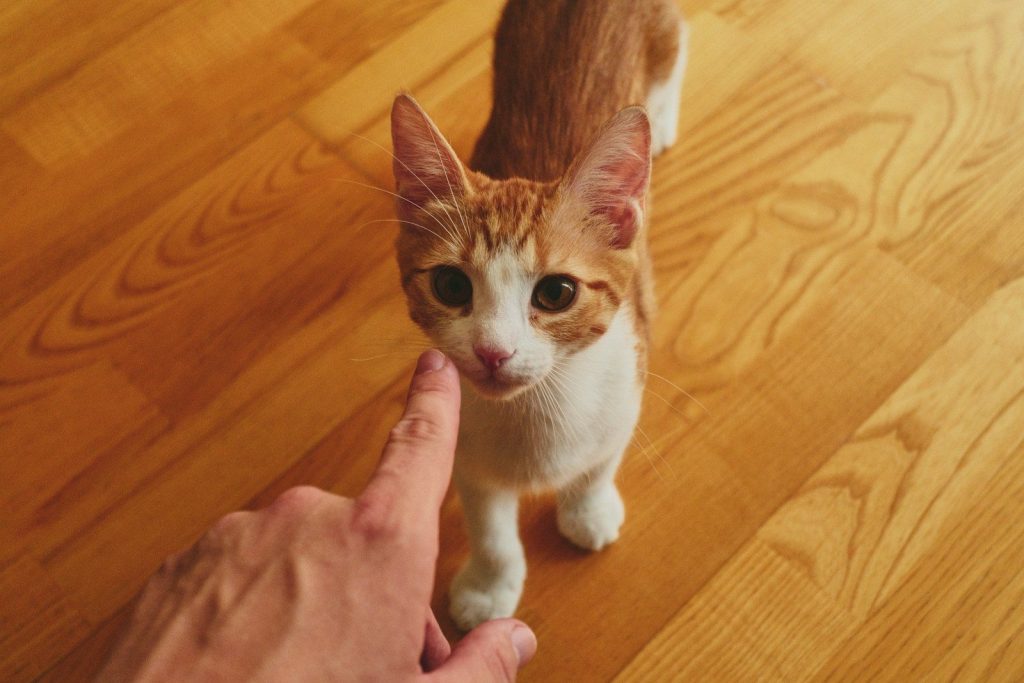
Try letting your partner handle mealtime while you focus on quiet, low-stress playtime. Give your pet a chance to come to you on their own terms. This article is for informational purposes only and does not constitute veterinary advice. This collaborative approach helps balance their affection. But how do you know if your training is working?
Enjoying a harmonious multi-human household
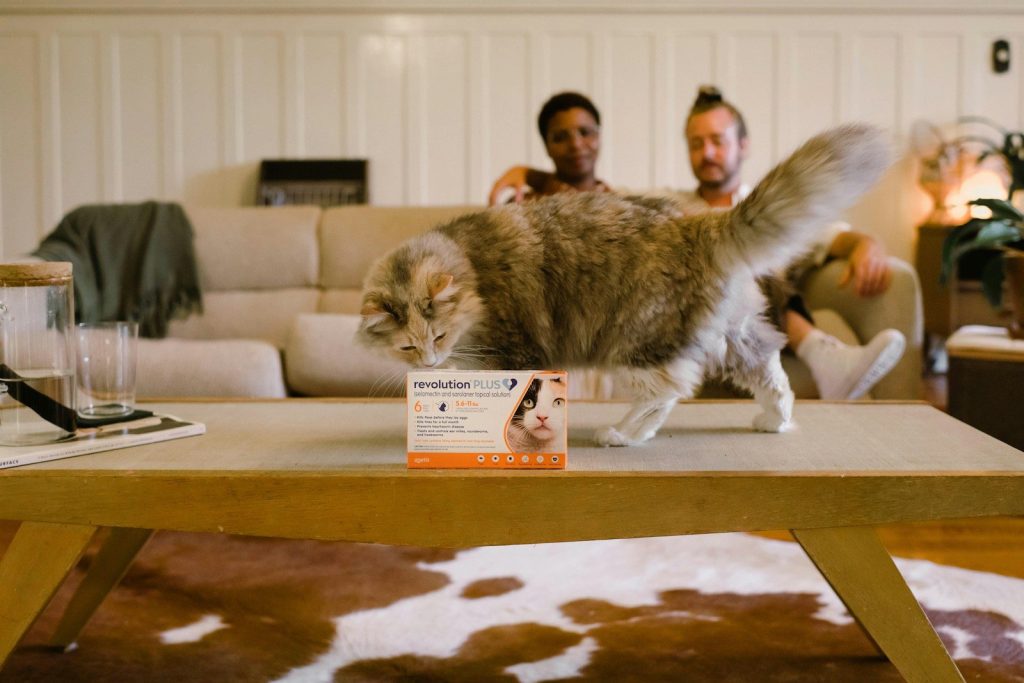
You will know you succeeded when the dramatic back-talking softens into affectionate purrs. Understanding their unique communication style helps you build a deeper connection. Your cat will eventually realize that both humans are excellent sources of love and security.