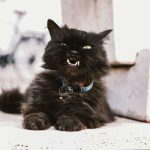

For years, a fluffy, short-tailed cat named Daddy-O was a familiar sight around his Brooklyn neighborhood. His shaggy gray-brown coat, large eyes, and unusual silhouette were striking enough that some residents initially mistook him for a raccoon when they saw him at night. Daddy-O also earned a reputation for being exceptionally difficult to catch. Flatbush Cats described him as the cat everyone knew but nobody could trap, even as neighbors regularly saw him navigating the block and finding extra meals.
Community members eventually succeeded in trapping Daddy-O so he could be neutered and vaccinated before returning to the neighborhood. That intervention changed what happened next. One neighbor, Mary, began spending more time with him and discovered that the supposedly feral street cat enjoyed being brushed and interacting with her. The relationship kept growing until Mary welcomed him indoors and eventually adopted him permanently. The neighborhood legend did not disappear completely; he simply gained a home from which familiar neighbors could still occasionally say hello.
Daddy-O Ruled His Brooklyn Block
Daddy-O had been living around the same Brooklyn neighborhood for years, becoming recognizable enough that residents knew his routine and reputation. His fluffy coat, short tail, and stocky shape made him stand out from other community cats.
He was also clever around food and traps. Residents watched him navigate the block, avoid attempts to catch him, and sometimes outmaneuver other cats for meals. Over time, he became less like an anonymous stray and more like one familiar character shared by the entire neighborhood.
Some Neighbors Thought He Was a Raccoon
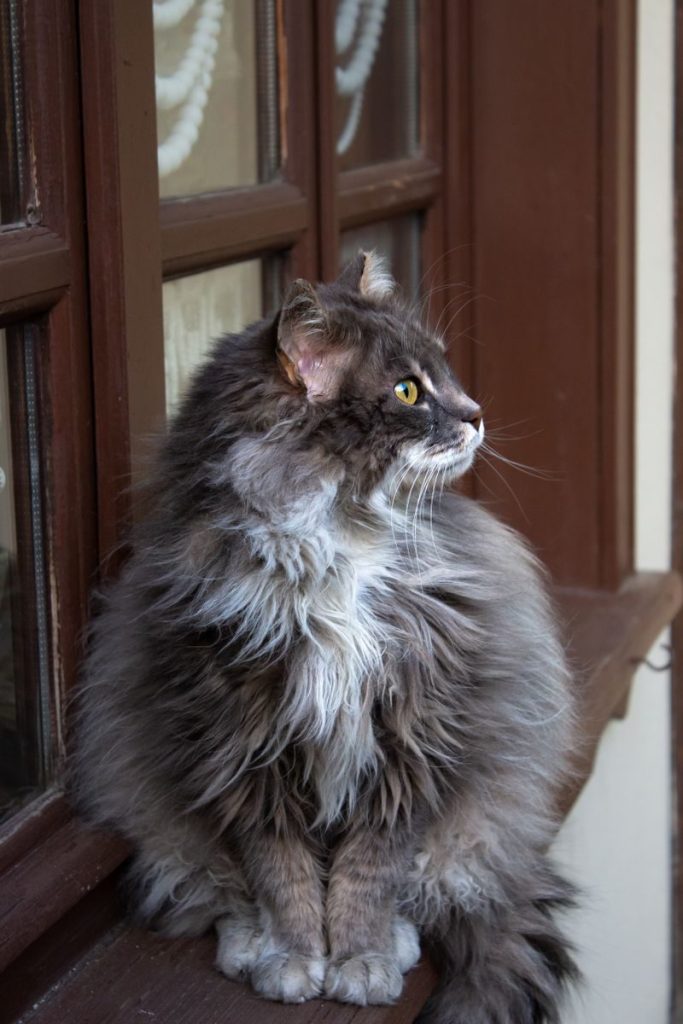
Daddy-O’s appearance could be especially confusing after dark. His shaggy gray and brown fur, rounded body, large eyes, and short-looking tail created enough of a resemblance that people occasionally thought a raccoon was moving through the neighborhood.
Daylight made his identity clearer. Daddy-O was definitely a cat, just an unusually fluffy and distinctive one. The resemblance became part of his local legend, adding another memorable detail to an animal who was already well known for outsmarting attempts to bring him under human care.
He Became Famous for Avoiding Traps
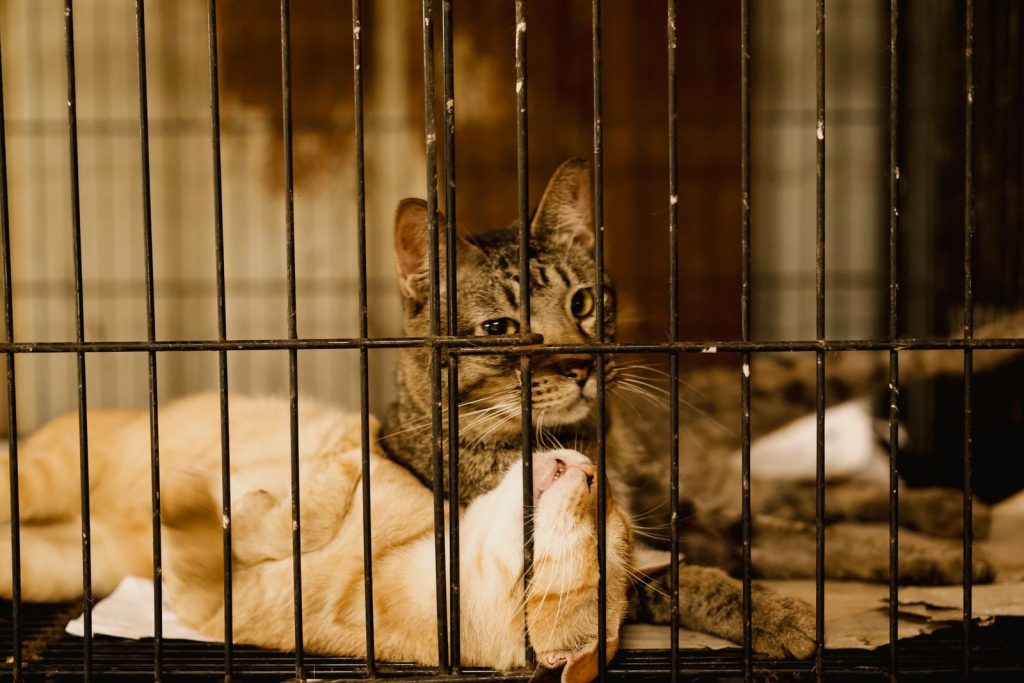
Neighbors wanted to get Daddy-O neutered and vaccinated, but actually catching him was another matter. Flatbush Cats described him as the neighborhood cat everybody recognized yet nobody could successfully trap.
Daddy-O had years of outdoor experience and seemed skilled at avoiding setups designed to secure him. Eventually, community cooperation succeeded where earlier attempts had failed. Once he was finally caught, rescuers could provide basic veterinary care before returning him to the familiar Brooklyn block he had treated as his territory.
Veterinary Care Changed His Future
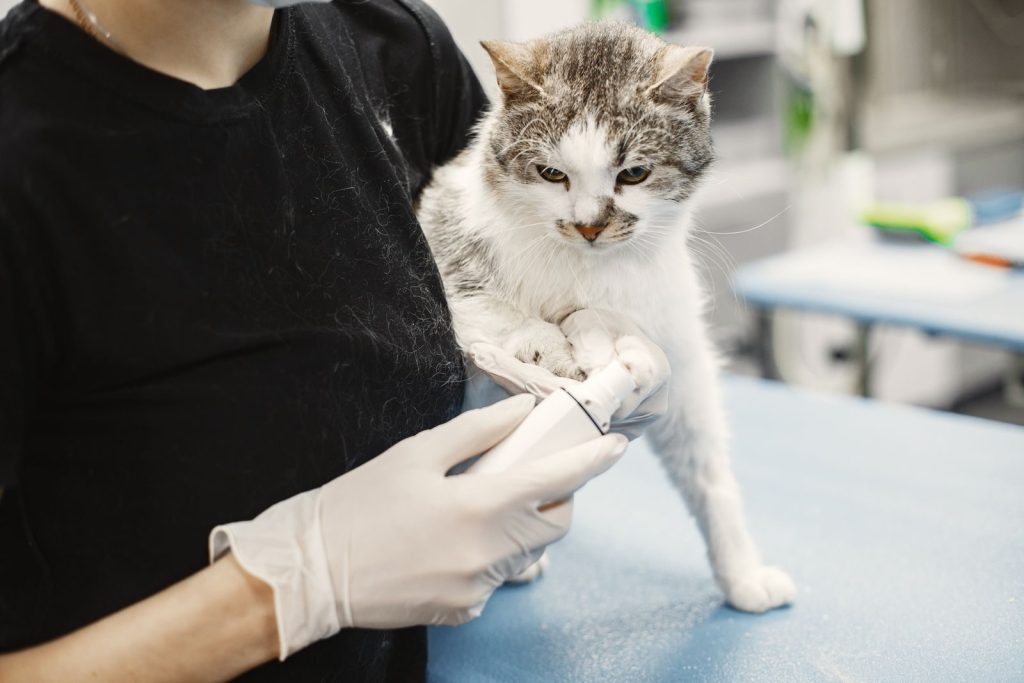
After Daddy-O was trapped, he was neutered and vaccinated before being released back into the neighborhood. That allowed him to continue in familiar surroundings while reducing some of the problems associated with an intact outdoor male.
The intervention also brought him into closer contact with the people who had been watching him for years. Instead of remaining the mysterious cat nobody could reach, Daddy-O now had a growing network of neighbors who knew more about him and could begin seeing another side of his personality.
Mary Discovered He Loved Brushing
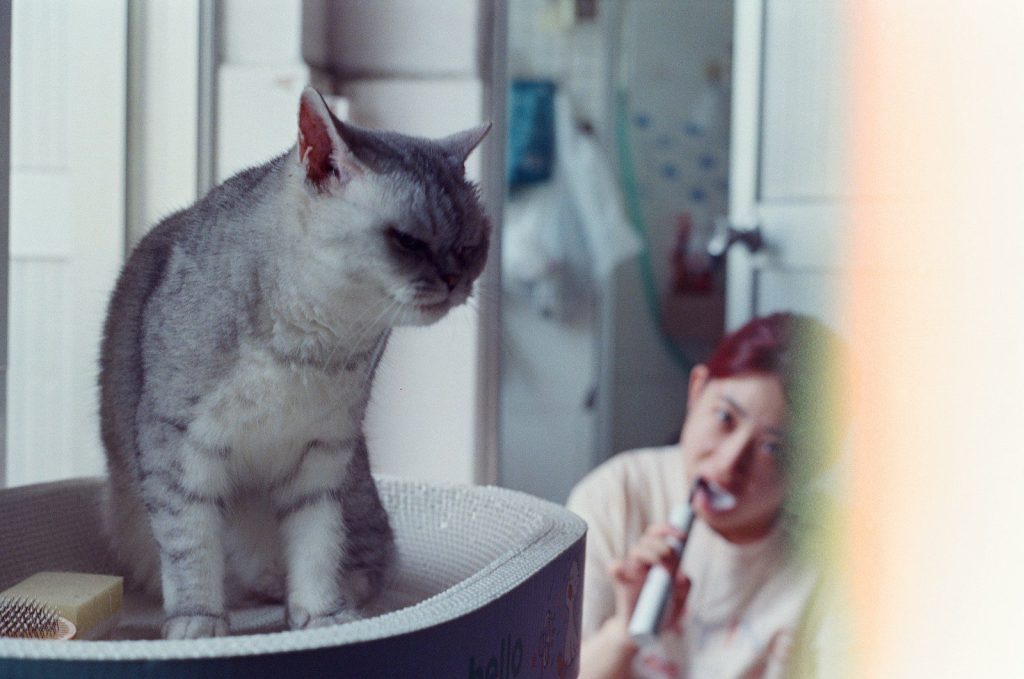
One neighbor named Mary formed an especially strong connection with Daddy-O after his return. Although many people had assumed he was feral, she gradually discovered that he enjoyed being brushed and could be remarkably comfortable around human touch.
That response suggested a very different history from the completely unsocialized cat people had imagined. Daddy-O may have lived with humans earlier in life, although his full background remained unknown. Whatever happened before, he was now showing Mary that close contact could be part of his future.
Street Cat Became an Indoor Guest
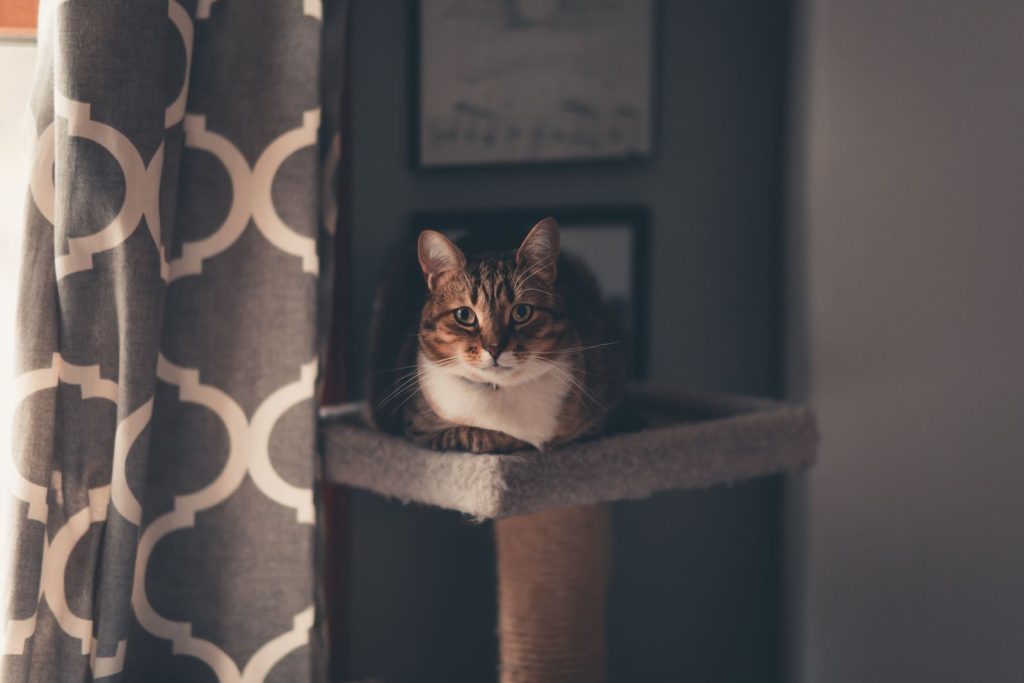
As Daddy-O became increasingly comfortable around Mary, their relationship moved beyond outdoor brushing sessions. She eventually invited the neighborhood celebrity into her home and gave him the chance to experience regular indoor life.
The transition revealed that a cat who had successfully lived outside for years could still settle around people under the right circumstances. Daddy-O already trusted Mary, and that connection gave him a familiar person while everything else about moving inside—rooms, routines, resting places, and boundaries—became new.
Mary Made the Adoption Permanent
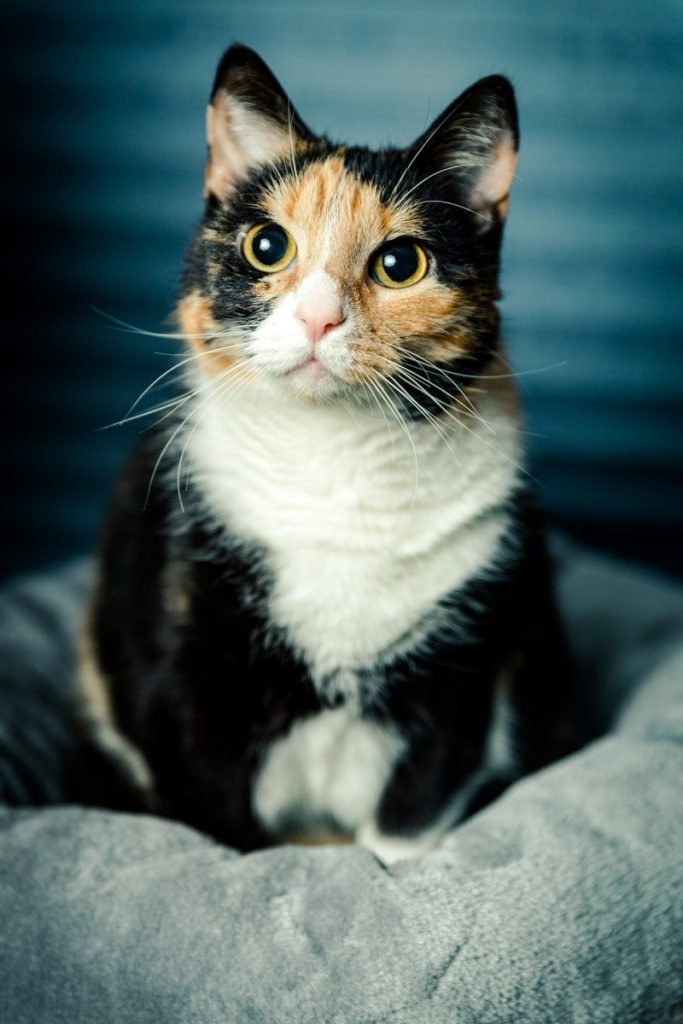
The indoor arrangement eventually became permanent when Mary adopted Daddy-O. After years of wandering the same streets, dodging traps, and building a reputation around the block, the shaggy cat finally had one household to call his own.
His adoption did not erase the life he had lived outside. It simply changed his daily routine from roaming for food and shelter to having dependable resources indoors. The neighborhood cat everyone recognized was now somebody’s cat, with Mary providing the long-term home that had once seemed unlikely.
The Neighborhood Legend Still Has Visitors
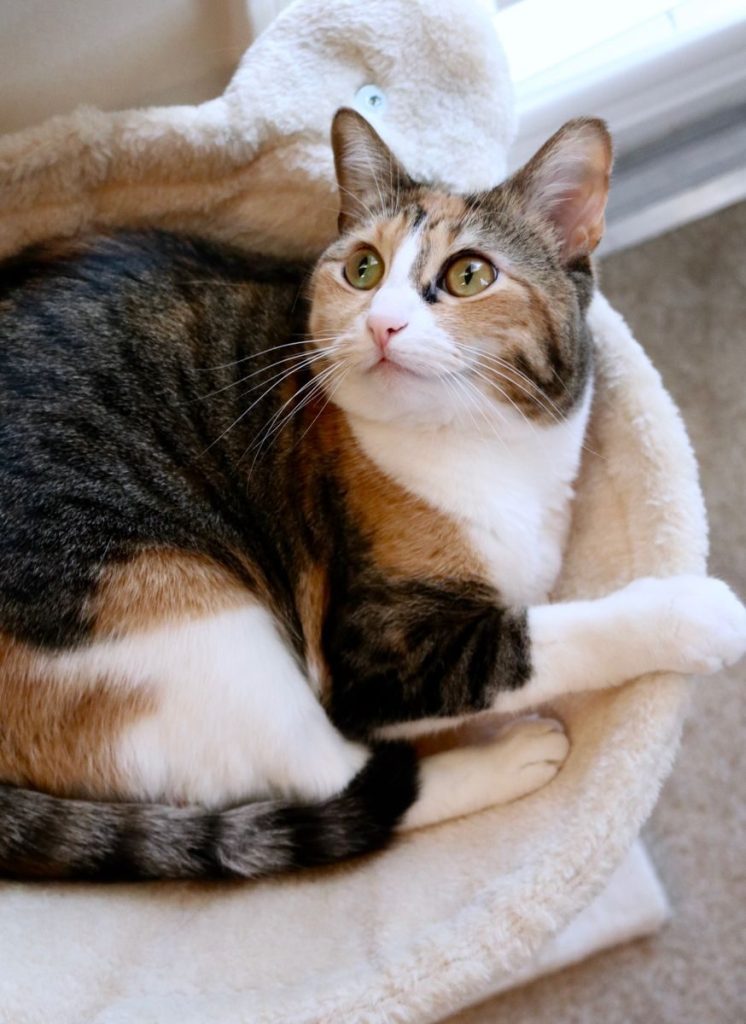
Daddy-O’s move indoors did not completely separate him from the people who had watched over him through his street years. Mary still allows familiar neighbors to stop by and say hello to their former local legend from time to time.
It is a fitting continuation for a cat whose rescue depended on community involvement. Many residents contributed attention, food, trapping efforts, or simple familiarity before one person ultimately became his adopter. Daddy-O gained a home without losing the neighborhood that had known his face for years.