
As our beloved feline companions age, their bodies naturally slow down. You expect them to sleep. They jump less. But some changes are far more concerning.
Feline cognitive dysfunction can completely alter a senior cat’s daily life. They grow confused. This progressive condition affects many aging cats over fifteen. One highly common symptom will make you look at your pet differently.
Forgetting their daily meal times
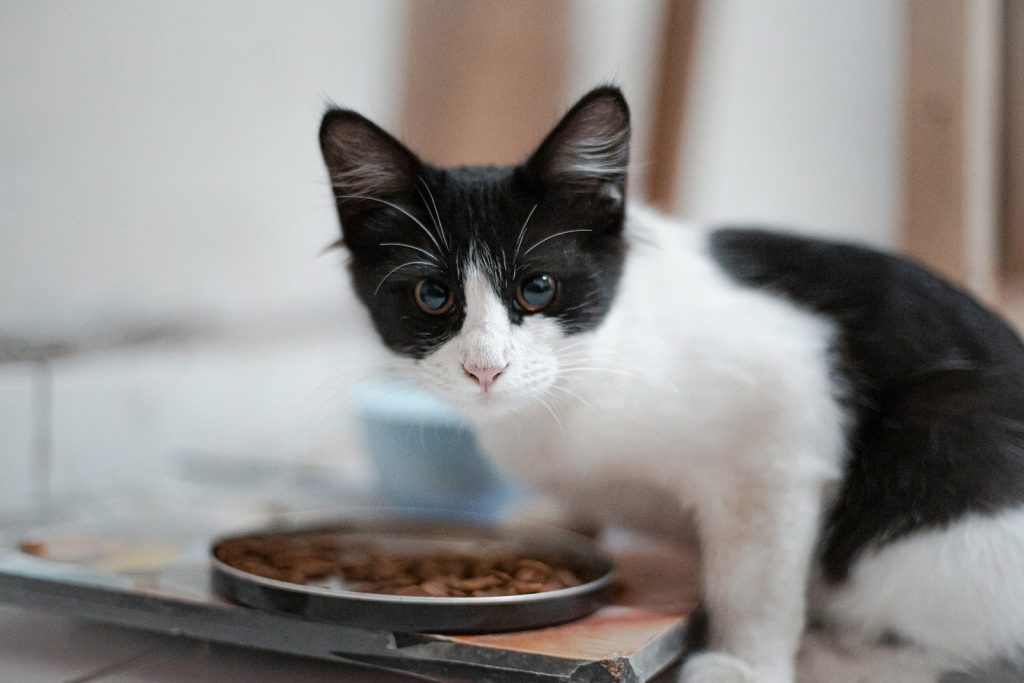
An older cat might meow loudly at an empty food bowl. This behavior is common. What if they just finished a large meal? According to the American Veterinary Medical Association, memory loss is a major sign of dementia. They simply forget. But this confusion can quickly spread to other parts of their day.
Wandering and getting lost in corners
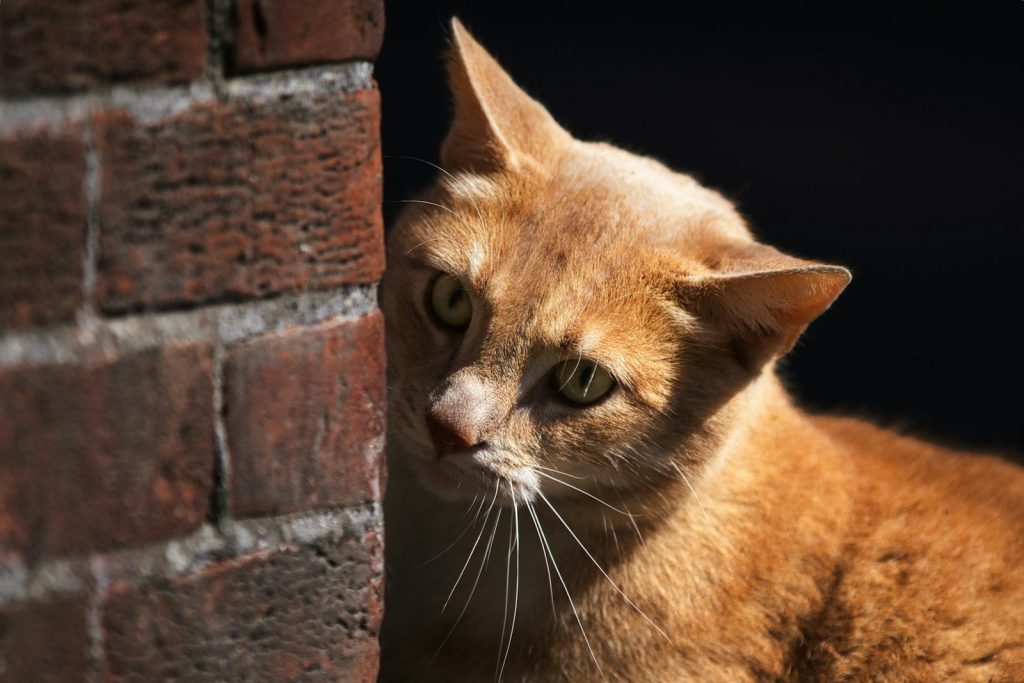
Have you noticed your senior cat staring blankly at a wall? It looks strange. They might get trapped behind a door and cry for immediate help. Cognitive decline impairs their navigation. They feel lost in their own home. However, a sudden shift in their sleeping patterns can be even more disruptive.
Loud crying during the night
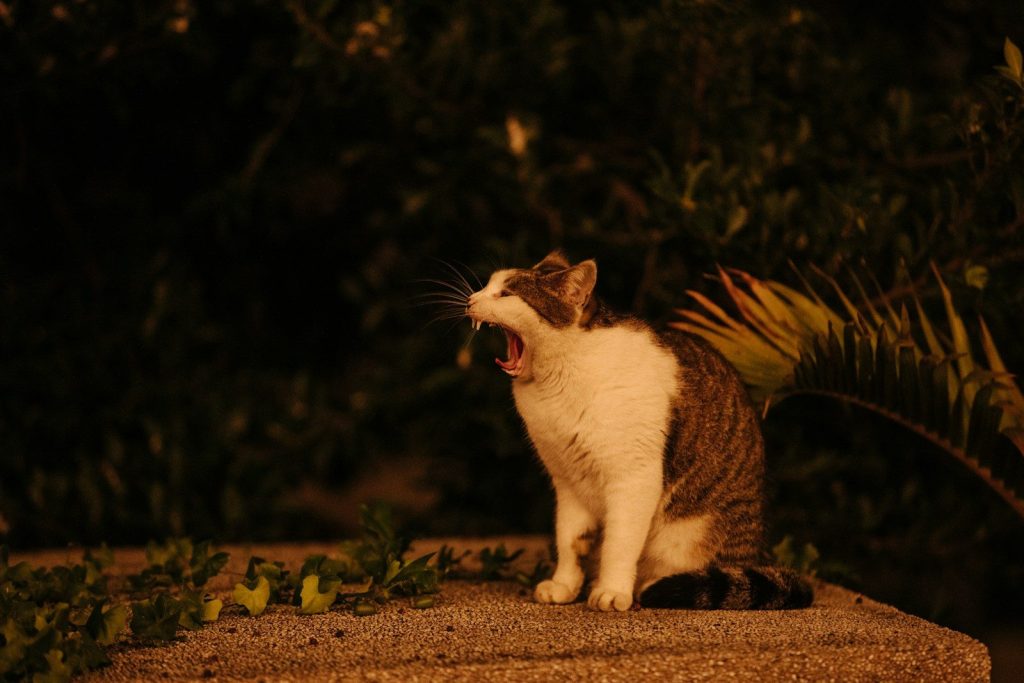
Many senior cats begin vocalizing loudly in the middle of the night. It is distressing. This nocturnal howling happens because they lose track of night and day. Research from the Cornell Feline Health Center shows that sensory loss makes night confusion much worse. They feel alone. Yet another symptom can affect their clean bathroom habits.
Missing the litter box entirely
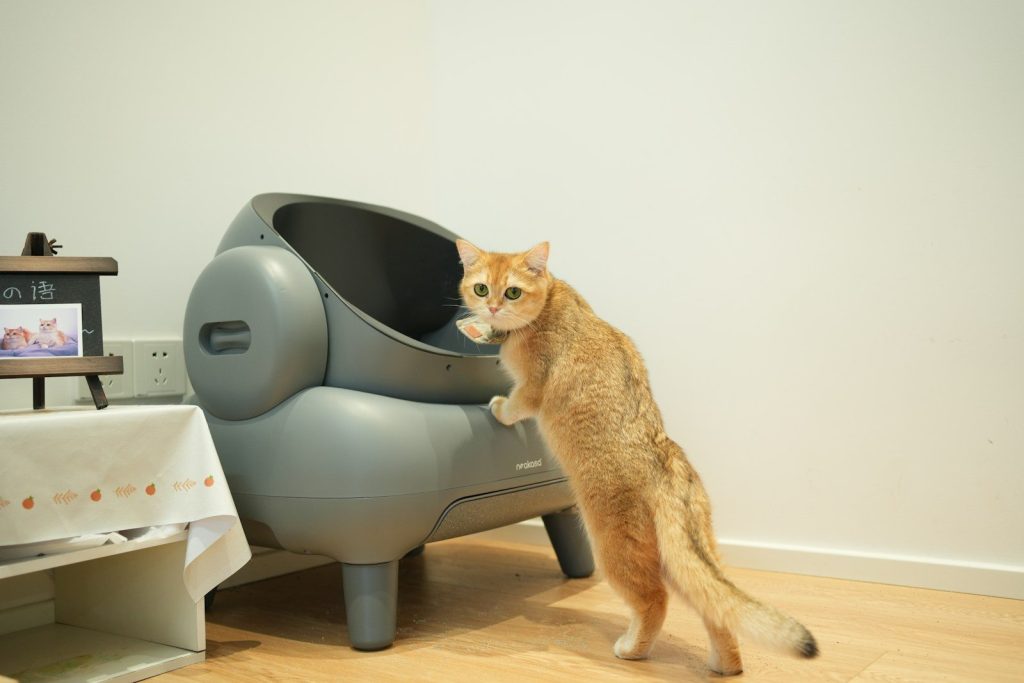
A house-trained cat might suddenly start having accidents. Do not get angry. This is not a behavioral problem. Confusion makes it difficult to find the box. This article is for informational purposes only and does not constitute veterinary medical advice. Fortunately, simple adjustments can help them. But what role does their emotional memory play?
Seeking constant comfort and reassurance
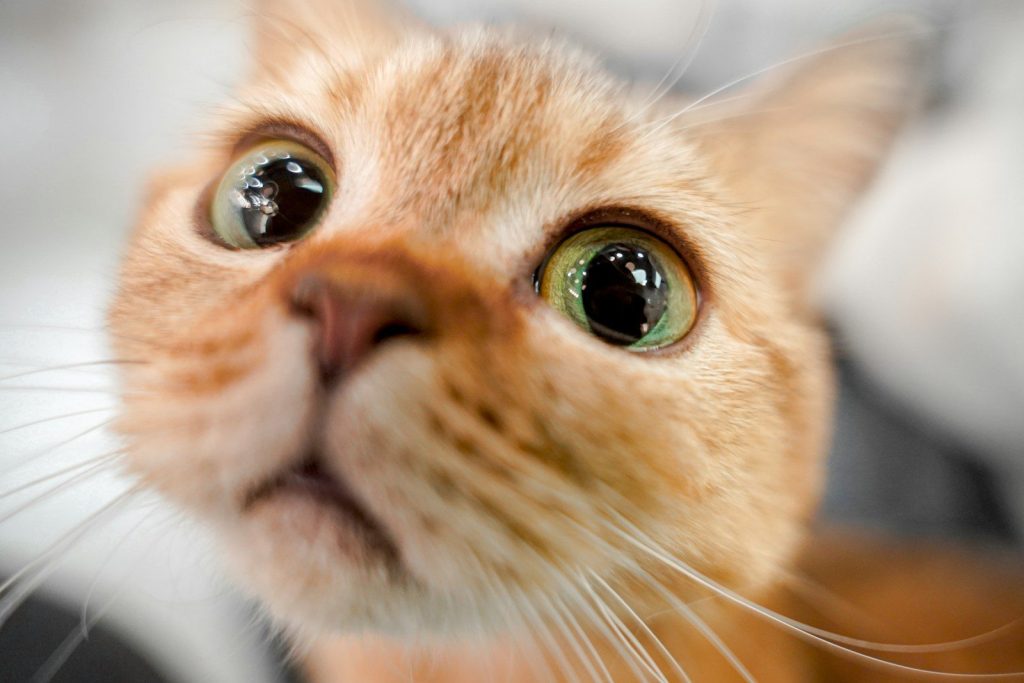
Some cats with dementia become incredibly clingy. They follow you everywhere. This constant need for contact is their way of coping with a confusing world. You represent absolute safety to them. Providing a predictable daily routine helps reduce their anxiety. However, you can also stimulate their minds to slow down the decline.
Keeping senior minds active and sharp
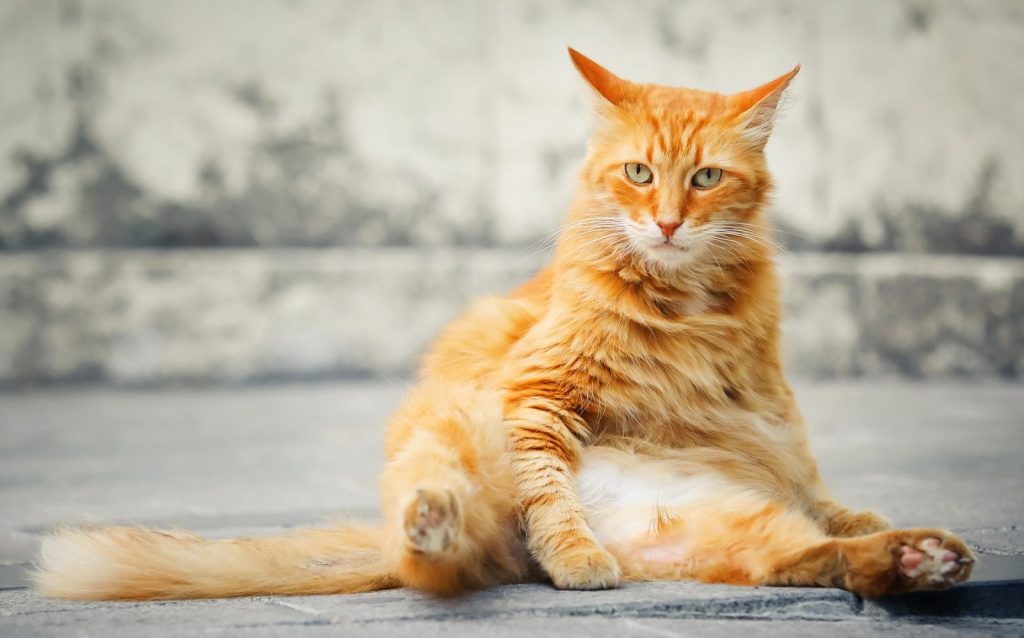
Mental stimulation is highly beneficial for aging felines. Try introducing gentle puzzle toys. These interactive games keep their neural pathways active and engaged. According to researchers at the University of California, mild mental exercise can preserve cognitive function. They stay happier. But there is a silent physical symptom you must watch for daily.
Monitoring changes in grooming habits
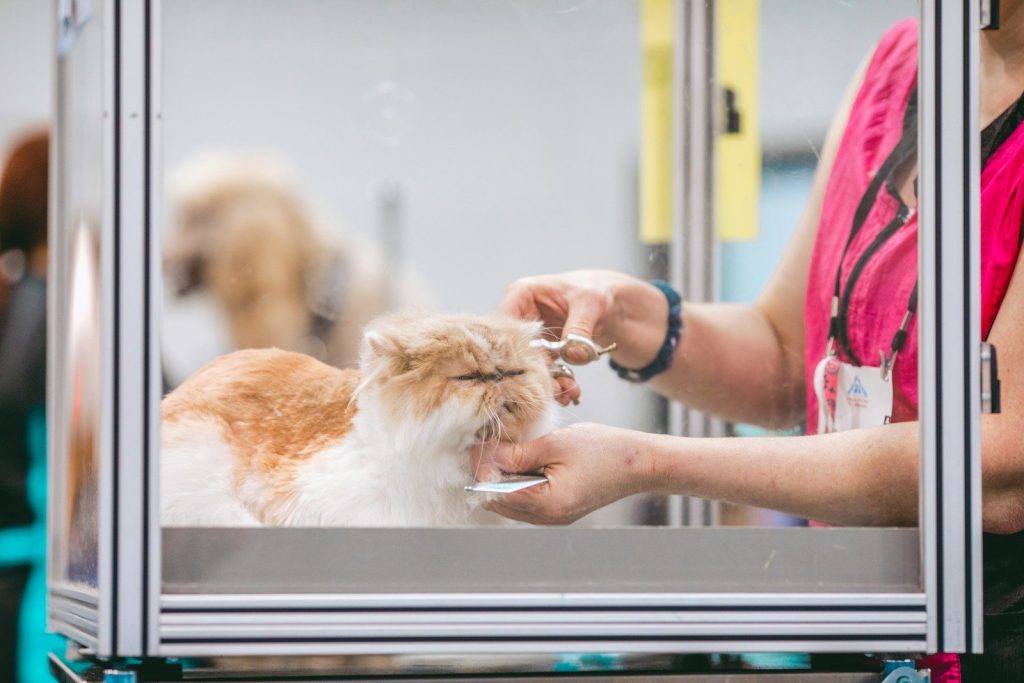
A senior cat might stop grooming themselves properly. Their coat looks dull. Alternatively, they might groom one spot until it is raw. Gentle brushing from you will soothe their anxiety beautifully. Show them extra love and patience during this vulnerable stage of life. Your care is their greatest comfort.
Featured Image: Photo by Victoria Tronina on Unsplash