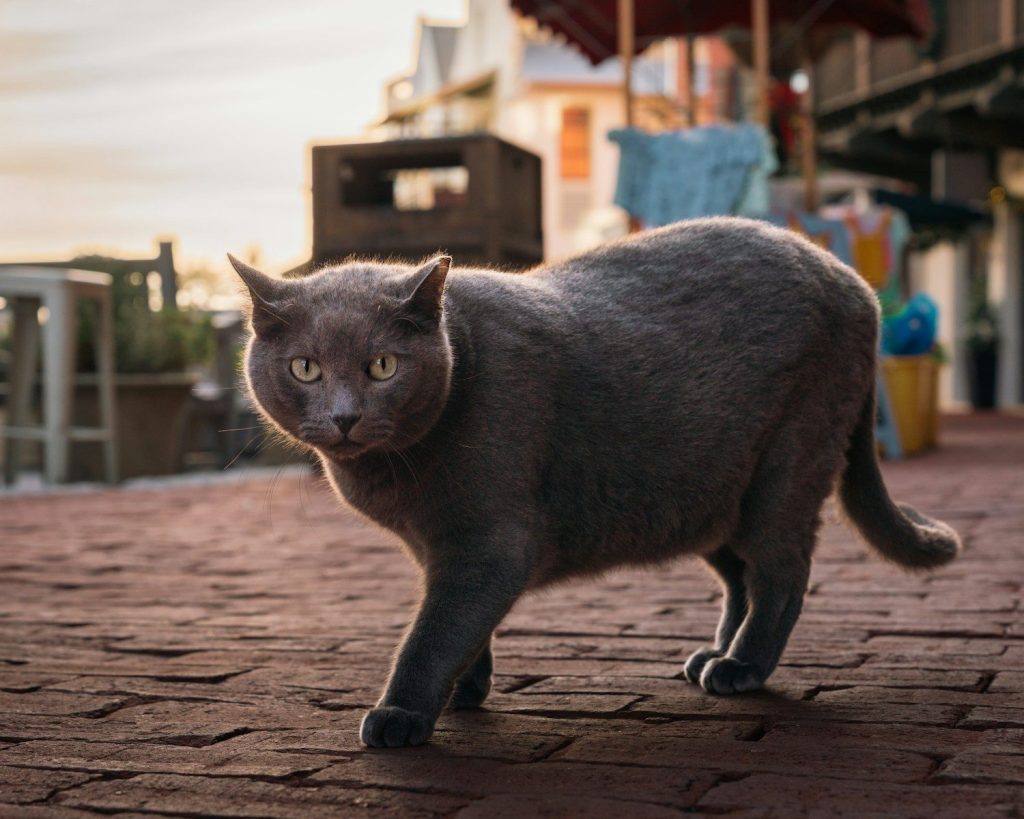

A strange video recently captured the attention of millions online. It showed a unique cat with no tail walking with a distinct wobble.
Many viewers found the strut amusing. But veterinary experts immediately noticed warning signs that require serious attention.
The viral clip that sparked intense debate

A home security camera captured a cat stepping off a curb. The feline had no tail and walked with a noticeable swaying motion in its back legs. Within hours, the clip gathered thousands of comments from worried animal lovers. Some people claimed it was a rare breed. Others feared the animal was injured.
Understanding the mystery of the Manx breed
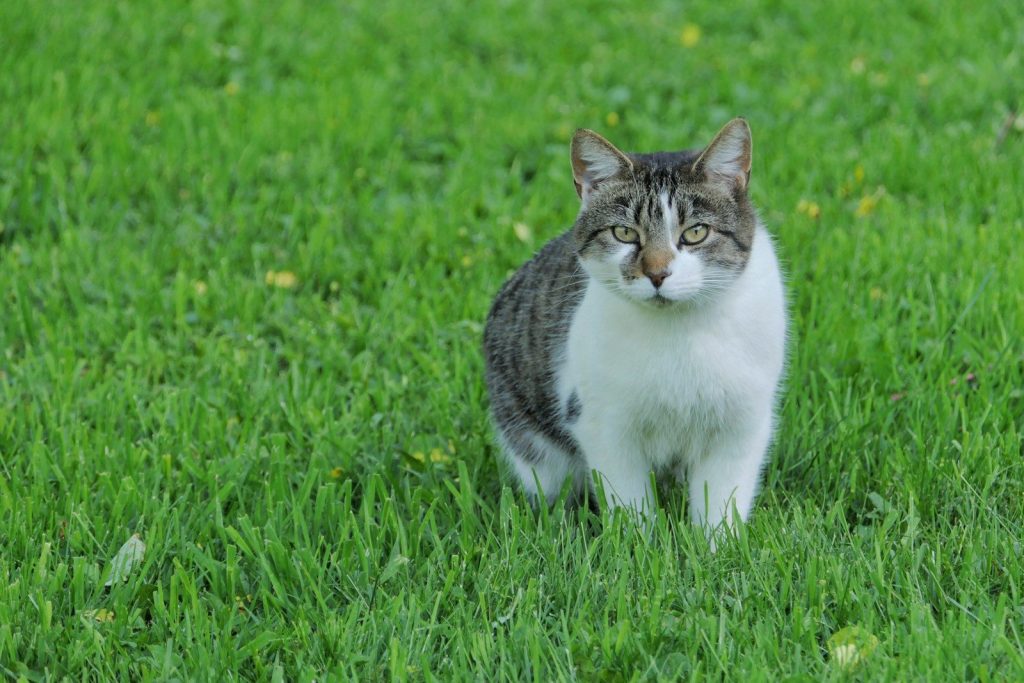
Some cats are born without tails due to a natural genetic mutation. This trait is most common in the Manx breed, which originated on the Isle of Man. While they look cute, this genetic quirk can cause serious skeletal problems. Dr. Karen Becker, a well-known veterinarian, states that the gene affecting the tail can also impact the spine.
The painful reality of Manx syndrome
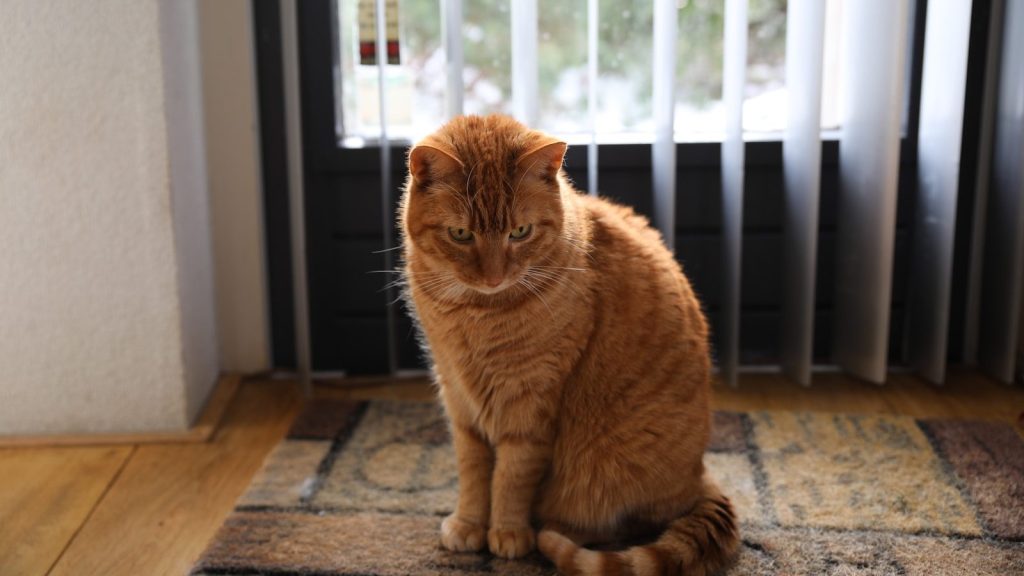
When the tailless gene shortens the spine too much, it causes Manx syndrome. This condition damages the spinal cord and nerves. It can lead to a wobbly gait, hind limb weakness, and serious digestive problems. Affected cats often look like they are hopping like rabbits when they try to run. But genetics is not the only explanation.
How outdoor hazards lead to tail loss

Outdoor cats frequently suffer injuries from car accidents or animal fights. A severe tail pull injury can stretch the nerves at the base of the spine. Veterinarians often must amputate the tail to save the cat’s life and prevent infection. This surgery is life-saving, but it can temporarily disrupt how the animal moves.
The surprising role of tails in feline balance
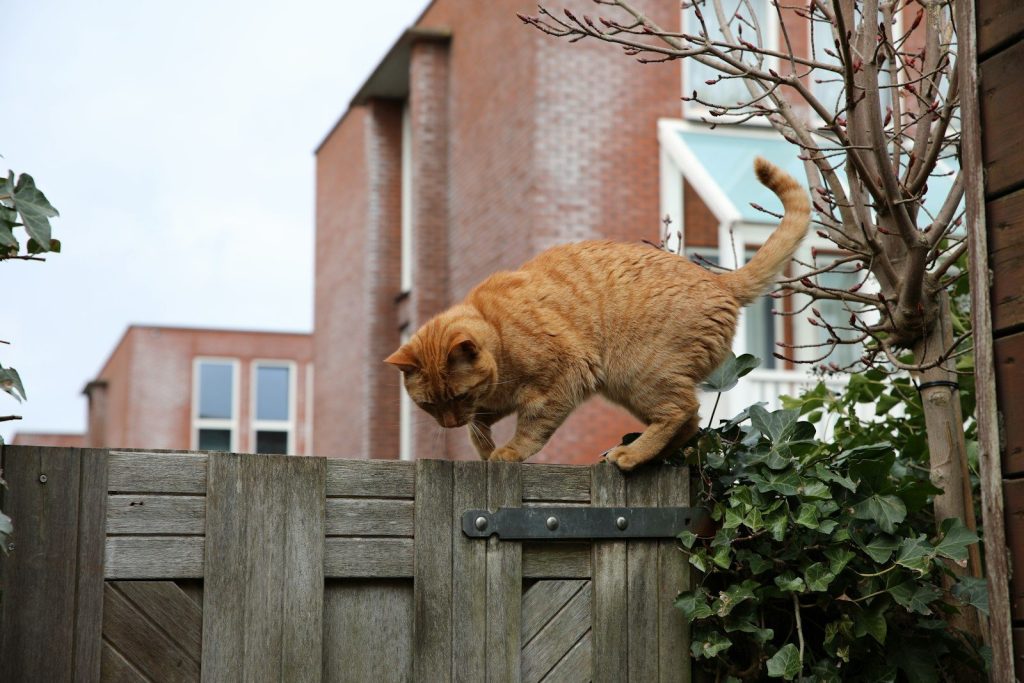
A cat’s tail acts like a tightrope walker’s balancing pole. When a cat leaps or runs along a narrow fence, the tail swerves to balance their weight. Without it, they must adjust their entire body movement to stay upright. This adjustment explains the distinct wobble seen in many tailless felines. But they can adapt remarkably well over time.
How tails help cats communicate their feelings
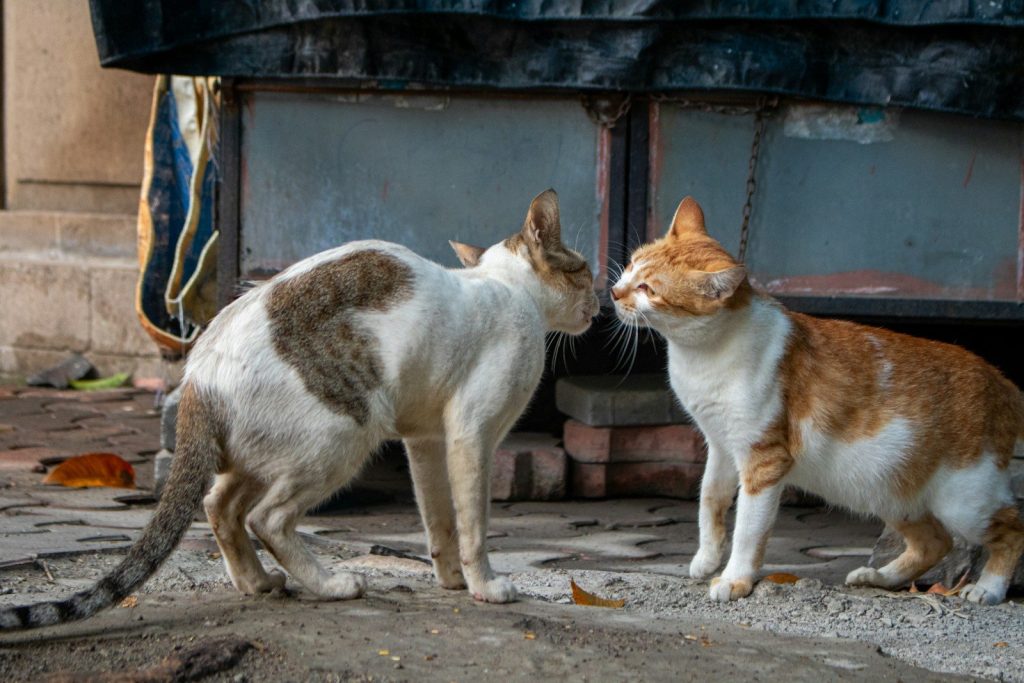
Cats use their tails to express happiness, anger, and fear. A high tail means a friendly greeting, while a twitching tail warns of irritation. Tailless cats struggle to send these vital social signals to other animals. This communication barrier can lead to misunderstandings and fights with neighborhood pets. Fortunately, owners can help them navigate these challenges.
Simple ways to support your wobbly companion

If you own a wobbly cat, keep their environment safe. Place soft rugs over slippery hardwood floors to help them grip. Set up low ramps so they can access their favorite couches without jumping. This article is for informational purposes only and does not constitute veterinary medical advice. Always consult your vet if your cat suddenly starts wobbling.
Focusing on comfort and a bright future
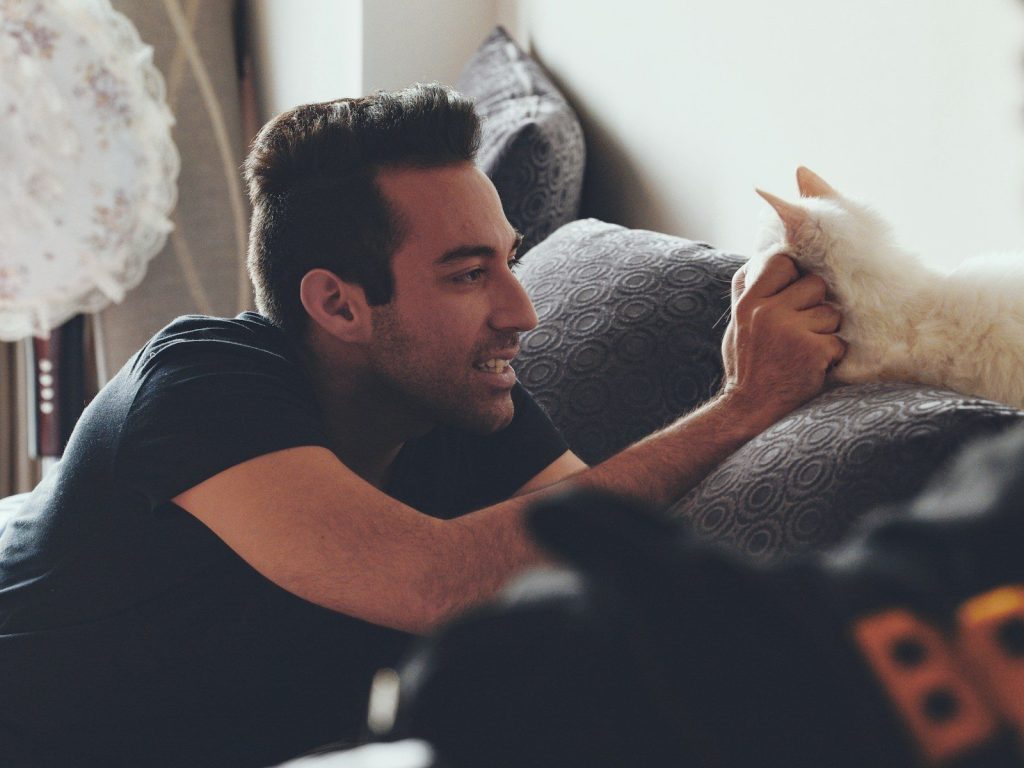
Most wobbly cats do not let their physical differences slow them down. They still play, cuddle, and show endless affection to their human families. By understanding their unique needs and providing a safe home, you can help them thrive. Love and proper medical care are all they need to feel complete.
Featured Image: Photo by Dmytro Koplyk on Unsplash