

“Poodle cat” is a playful nickname often used for curly-coated cats, especially the Selkirk Rex. The comparison makes sense at a glance: instead of the smooth coat seen on most domestic cats, a Selkirk can have loose ringlets, tousled waves, and even curly whiskers. The breed is recognized by major cat registries and comes in both longhaired and shorthaired varieties. Its unusual texture is natural, not the result of grooming tricks, curling tools, or a carefully staged social-media makeover at all.
The Selkirk Rex is not simply a fluffy novelty. Its coat comes from a naturally occurring dominant mutation documented in the breed’s foundation line, while the cat underneath those curls has a sturdy, medium-to-large build. Coat texture can also change as kittens mature, so a young Selkirk may not look exactly like its adult self. Understanding the breed’s history, grooming needs, temperament, and normal development makes these so-called “poodle cats” far more interesting than the nickname alone suggests to curious cat lovers.
Selkirk Rex Have Natural Curls
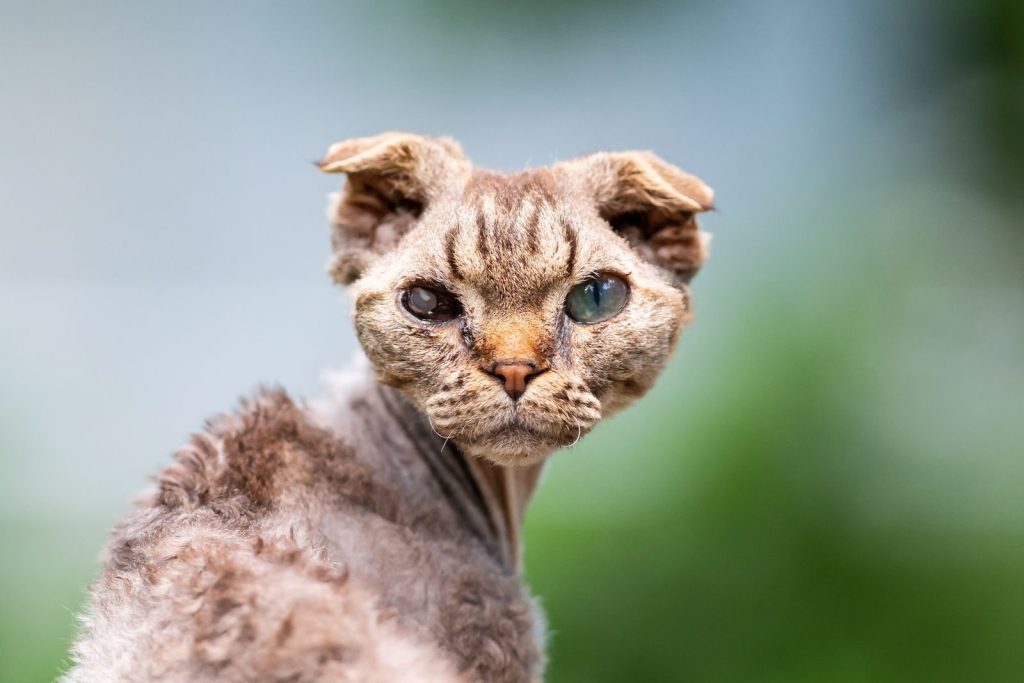
The Selkirk Rex is recognized for a naturally curly coat rather than fur styled into waves. TICA describes a dominant gene affecting the guard, down, and awn hairs, producing curls that are especially noticeable around the neck and tail.
CFA similarly describes individual curls and ringlets instead of the tighter waves seen in some other Rex breeds. That natural texture is what gives the Selkirk its stuffed-toy appearance and explains why people so often compare the breed with poodles, sheep, or teddy bears.
Miss DePesto Started the Breed
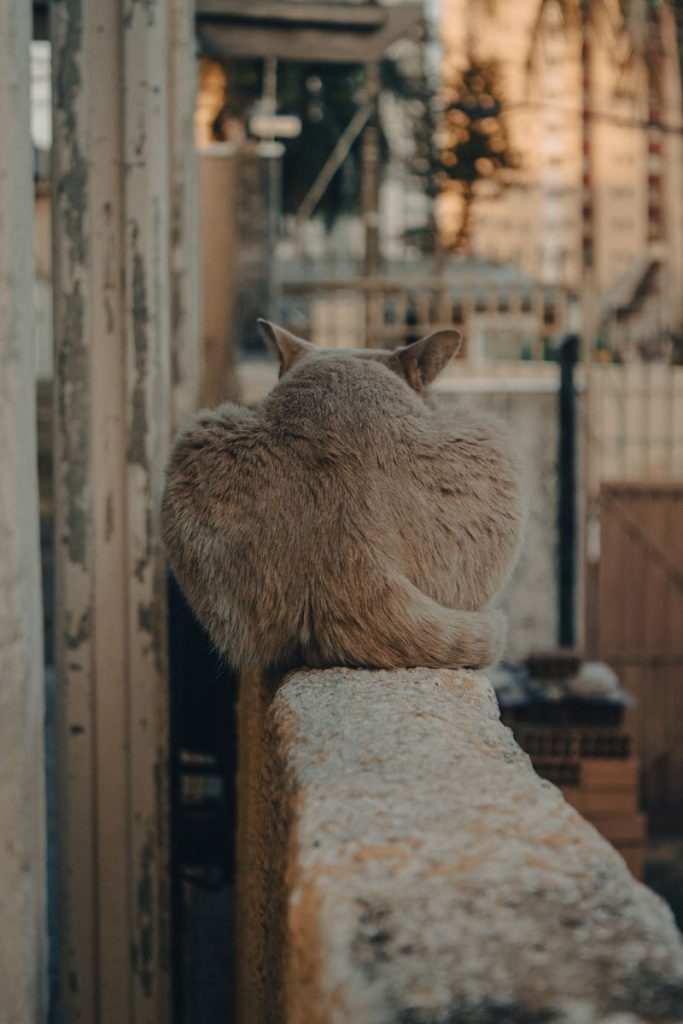
The modern Selkirk Rex traces back to an unusually curly kitten discovered in Montana in the 1980s. Persian breeder Jeri Newman took in the kitten and named her Miss DePesto, recognizing that her coat and whiskers were unlike those of ordinary cats.
When Miss DePesto later produced both curly and straight-coated kittens, the breeding helped establish that her Rex trait behaved as a dominant mutation. She became the foundation cat behind the breed that registries eventually recognized as the Selkirk Rex.
Curls Can Change With Age
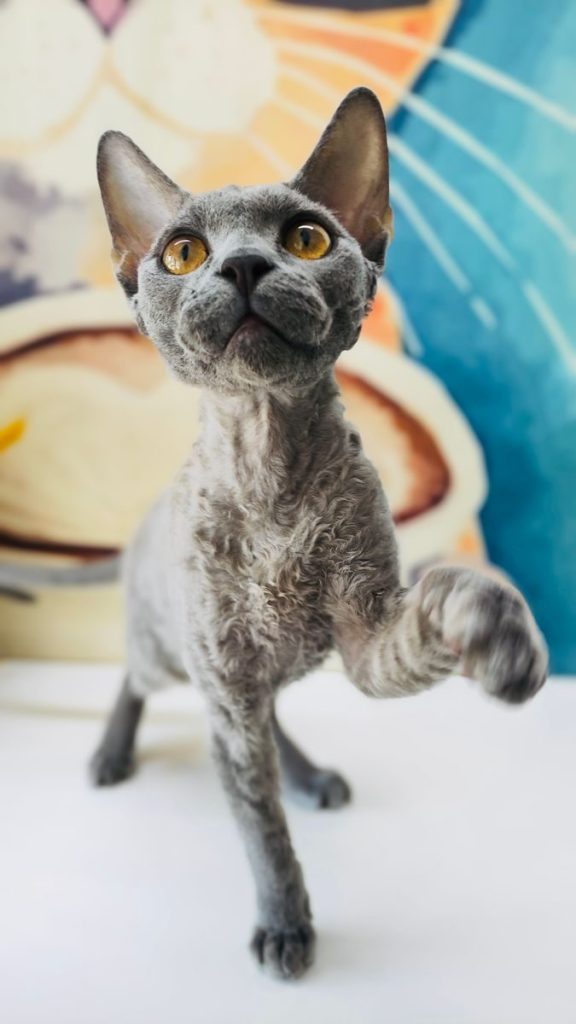
A Selkirk Rex kitten does not always keep exactly the same coat from birth through adulthood. TICA notes that kittens can be curly at birth, lose some of that coat, and then begin developing their adult curls again as they mature.
The coat can continue developing for a long time, so judging a very young kitten only by curliness can be misleading. Age, coat length, and individual variation all affect appearance, which helps explain why photos of Selkirk kittens can look surprisingly different from photos of mature adults.
Longhair and Shorthair Look Different

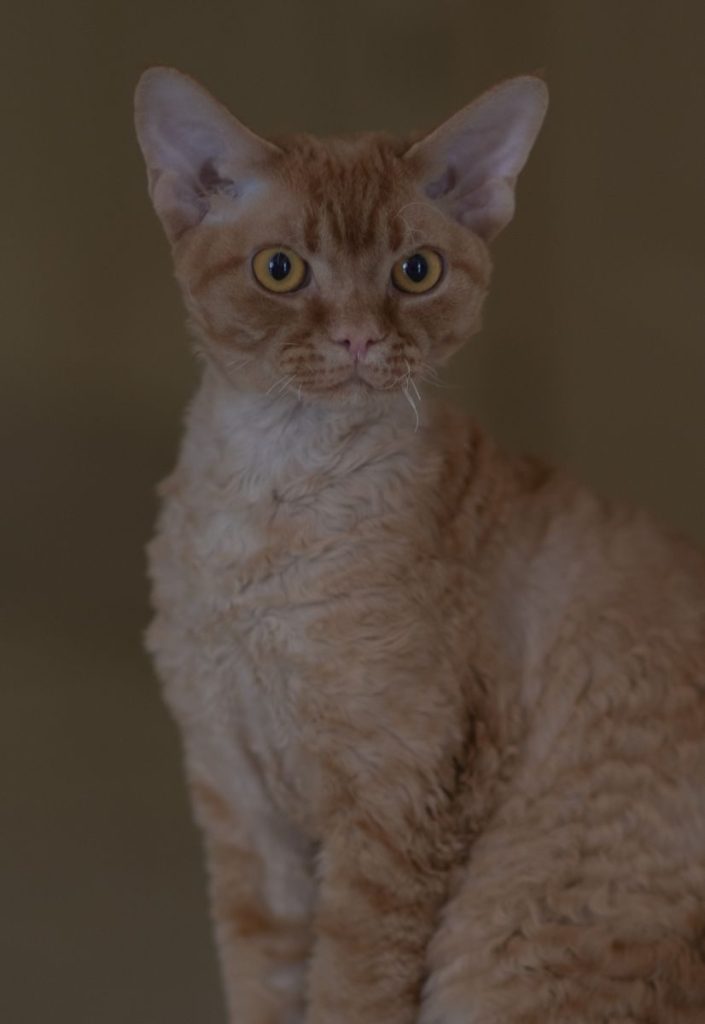
Selkirk Rex cats come in both longhair and shorthair varieties. The shorthaired coat is dense, plush, and curly, while the longhaired version tends to look more tousled, with loose curls and a fuller, more woolly outline.
That difference changes the entire visual effect. A shorthaired Selkirk may resemble a curly teddy bear, while a longhaired adult can look closer to the “cat in sheep’s clothing” nickname used by breed organizations. Both coat lengths can appear in many colors and patterns.
Curly Whiskers Complete the Look
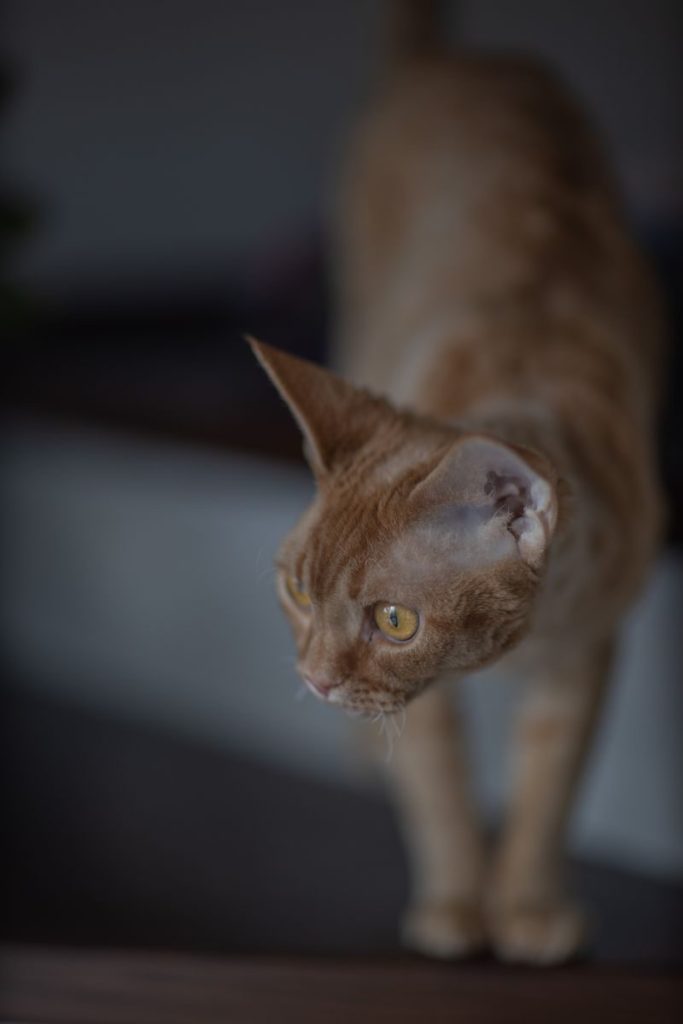
The curls do not stop at the body coat. TICA’s breed description notes that Selkirk Rex whiskers and eyebrows can also be curly, giving the face an especially unusual appearance when compared with most domestic cats.
Those whiskers may look crimped, bent, or irregular rather than forming long straight lines. Their appearance is part of the Rex coat trait, not evidence that someone styled them. Owners should handle the face gently and avoid pulling or attempting to straighten fragile whiskers for photographs.
Selkirks Have a Solid Build

Beneath all that soft-looking fur, the Selkirk Rex is a substantial cat. Breed standards describe a medium-to-large body with heavy bone, muscular structure, and a rounded head rather than the delicate frame seen in some other curly-coated breeds.
That sturdy build can make a Selkirk feel heavier than expected when picked up. The combination of a solid body, round eyes, full cheeks, and thick curls contributes to the breed’s plush appearance. Size still varies between individuals, and bigger should never automatically be treated as better.
Grooming Should Protect the Curls
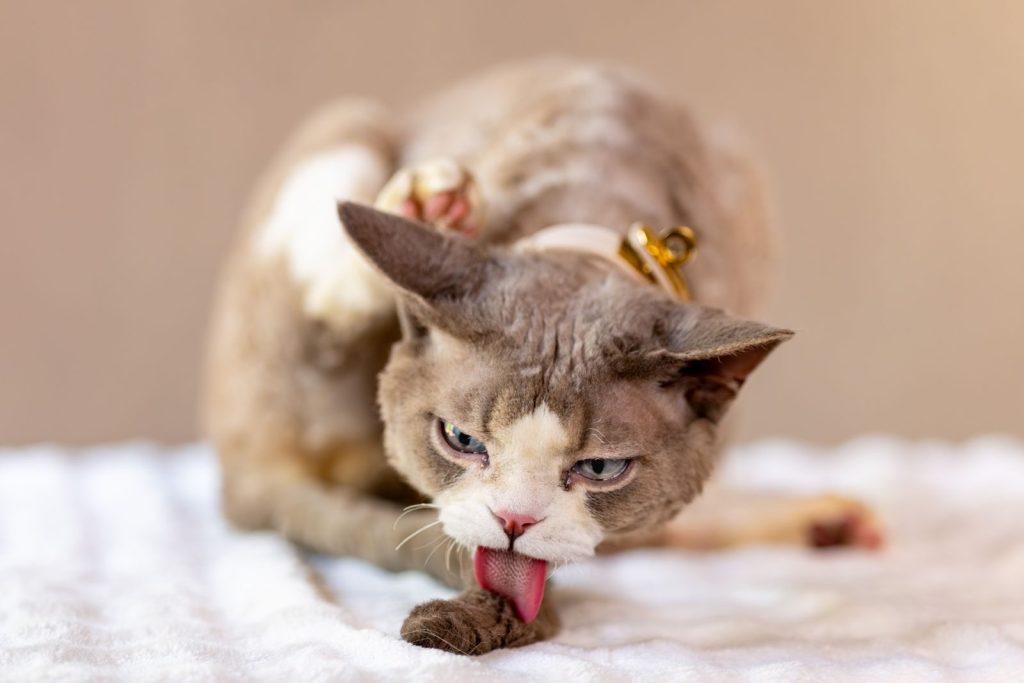
A curly coat still needs maintenance, especially when it is long. TICA recommends regular combing to remove dead hair and help prevent tangles, while also advising gentle handling that keeps the curls from being flattened or damaged unnecessarily.
Over-brushing can make a naturally tousled coat look frizzy, so grooming should focus on cleanliness, comfort, and preventing mats rather than creating a perfectly smooth finish. Longhaired cats may need more attention, and persistent tangles or skin problems deserve professional advice overall.
Selkirks Still Need Normal Cat Care
The unusual coat can make Selkirk Rex cats look exotic, but their everyday needs remain recognizably feline. They require nutritious food, fresh water, scratching opportunities, play, clean litter facilities, preventive veterinary care, and safe places to rest and explore.
TICA also describes the breed as social and playful, so interaction and enrichment matter alongside coat care. Anyone attracted by the “poodle cat” appearance should still choose the breed for a realistic fit with their household, not simply because curly kittens look irresistible online.
Featured Image: Photo by Chen EdisoN on Pexels


