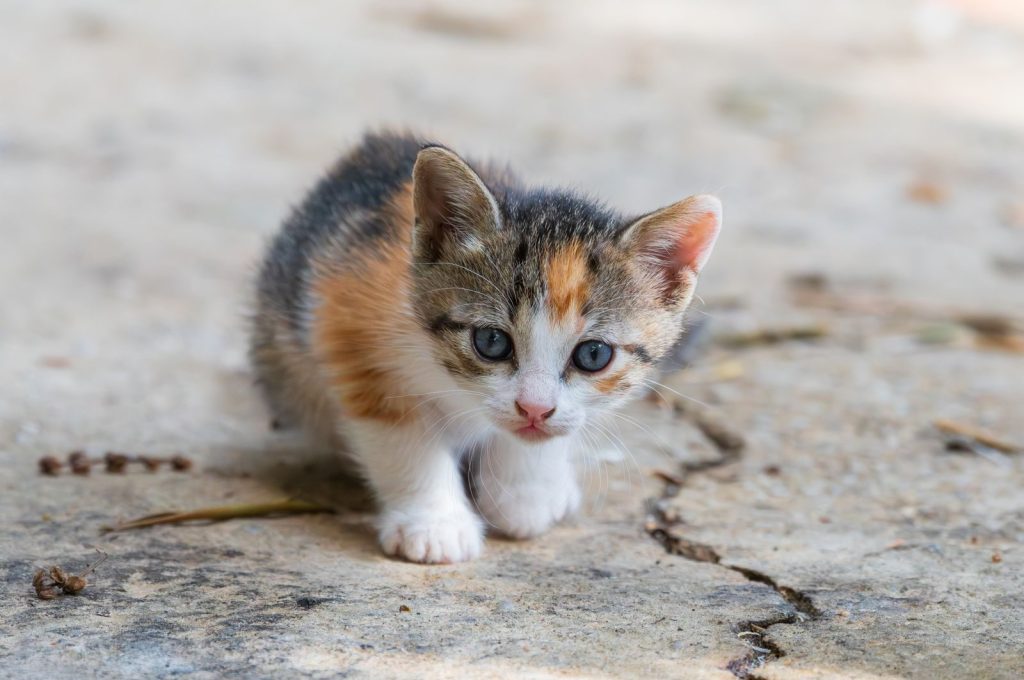

Six-month-old Sera was supposed to become Sara Bonner’s 25th foster cat, but the journey to her foster home went badly wrong. According to The Dodo, Sera was traveling in a transfer van during the spring of 2026 when the vehicle crashed. She and four other cats escaped, leaving rescuers without knowing where she had gone. As days became weeks, Bonner continued hoping the young cat would be found safely, even though Sera had disappeared into unfamiliar surroundings after a frightening accident.
Four weeks later, the breakthrough came from someone who had been paying attention to news coverage about the missing cats. A woman named Valerie noticed a cat in her backyard and thought the animal resembled Sera. The sighting ultimately led to a veterinary microchip scan, which confirmed the kitten’s identity. Sera was reunited with the rescue effort, finally reached Bonner’s foster home, gradually became comfortable there, and was later adopted by a permanent family after recovering from her ordeal.
A Transfer Crash Changed Everything
Sera had already been assigned to foster caregiver Sara Bonner when the transport van carrying her crashed. The accident allowed Sera and four other cats to escape before they could safely reach their destinations.
For a recently transported young cat, suddenly being loose in an unfamiliar environment created an unpredictable situation. The available reporting does not describe every detail of the search, so it would be misleading to invent where Sera slept, what she ate, or exactly how she survived while missing.
Sera Was Missing Four Weeks
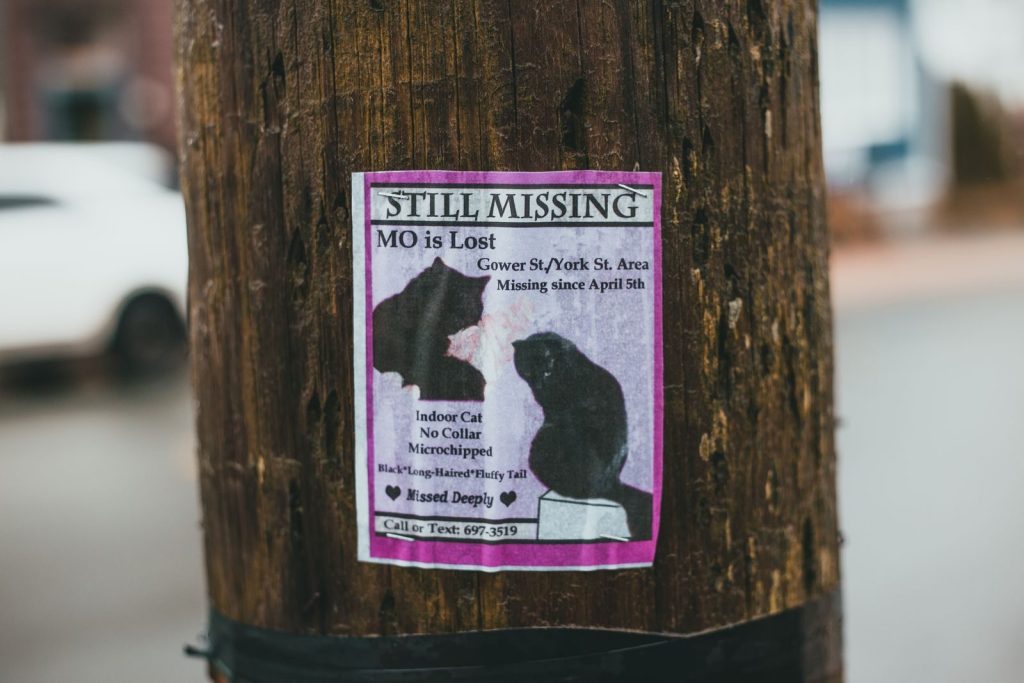
Bonner had expected Sera to become her 25th foster cat, but instead she spent weeks without knowing whether the kitten would ever arrive. The Dodo reported that Sera remained missing for four weeks following the crash.
That length of time made the eventual identification especially significant. Missing cats can move, hide, and avoid people, so search efforts may depend on community awareness as well as physical searches. In Sera’s case, news coverage meant someone outside the rescue network recognized that the unfamiliar backyard cat might matter.
Valerie Spotted the Kitten

A woman named Valerie eventually noticed a cat around her backyard and believed she resembled the missing kitten featured in news stories. The observation was important, but appearance alone could not establish that the cat was definitely Sera.
Rather than treating resemblance as proof, the cat was taken for a microchip scan. That distinction matters in lost-pet cases because many cats can share similar colors, markings, and body types. Identification becomes much stronger when visual clues are supported by permanent records such as a registered microchip.
The Microchip Confirmed Sera
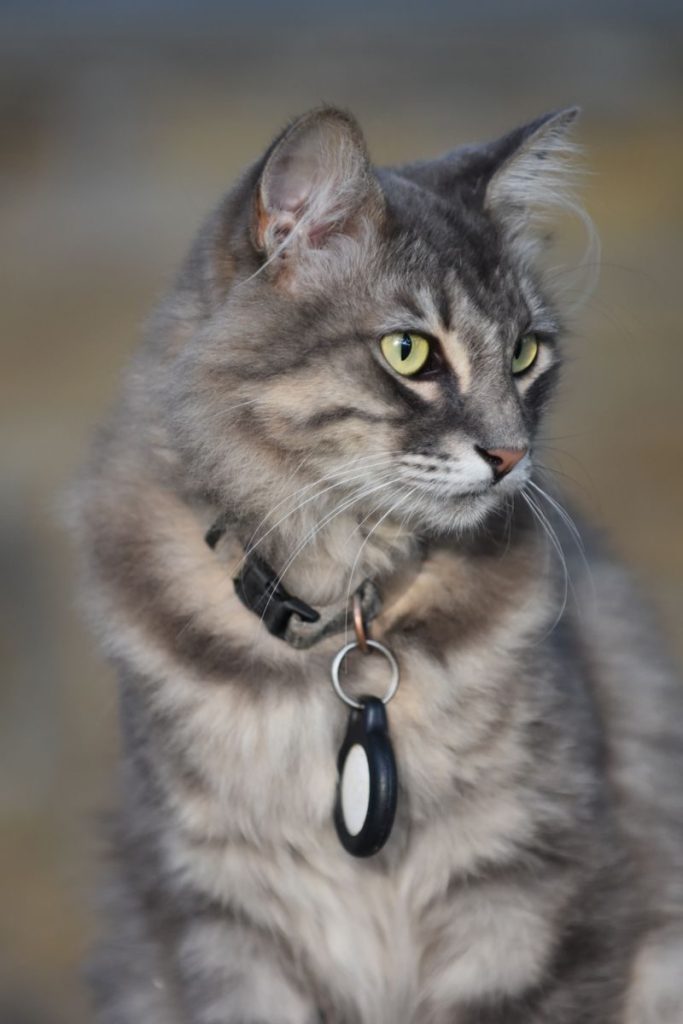
The veterinary microchip scan provided the confirmation everyone needed: the backyard visitor really was Sera. That transformed a promising sighting into a verified recovery after approximately four weeks away from the people expecting her.
Microchips do not actively track a pet’s location like GPS devices. Instead, a scanner reads the implanted identification number, which can then be connected with registration information. Sera’s story demonstrates why scanning found cats can be valuable even when somebody believes they already recognize the animal from photographs or public notices.
Sera Finally Reached Foster Care
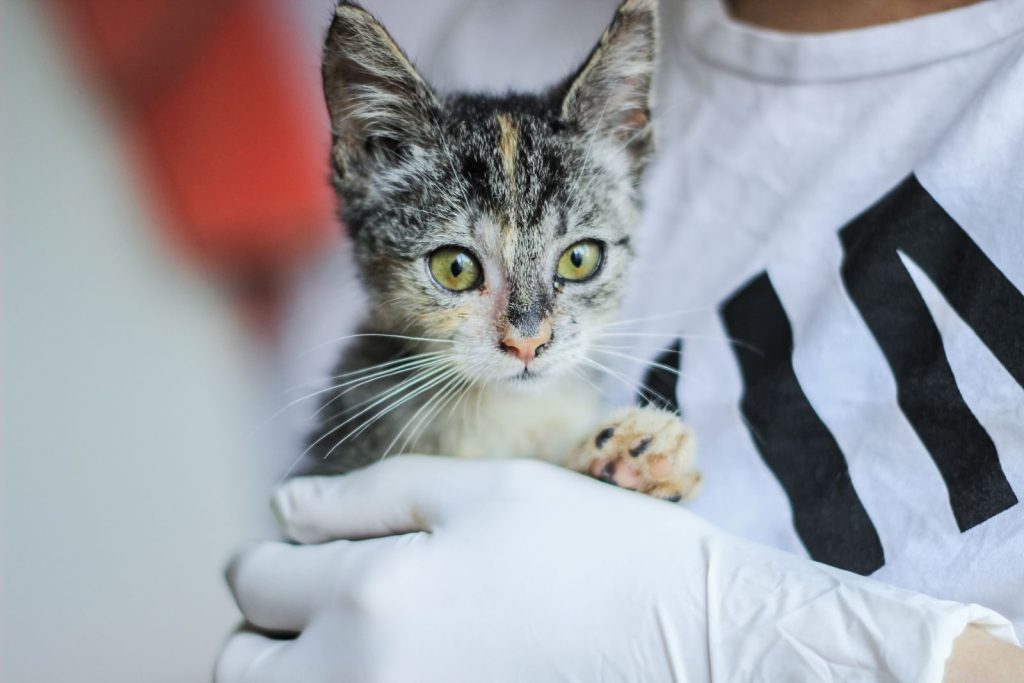
After being found, Sera finally arrived at Bonner’s home. Bonner placed the six-month-old kitten in a bathroom where she could have a smaller, controlled space rather than being expected to immediately explore an entire unfamiliar home.
At first, Sera spent much of her time hiding beneath the sink. That behavior was not treated as a failure. A recently recovered cat may need time to adjust to unfamiliar smells, people, sounds, and surroundings, and allowing access to a secure hiding place can help reduce pressure during the transition.
Dunder Waited Outside Her Door

Bonner also had a resident cat named Dunder, whom she described as particularly helpful around foster cats. According to her account, Dunder spent days waiting outside the room where Sera was settling into the household.
Sera eventually began showing more social behavior as she became comfortable. Bonner reported that the kitten progressed from hiding to climbing into her lap, snuggling, and purring. It is safest to describe these observed behaviors rather than claiming exactly what Sera understood about Bonner, Dunder, or her previous experience.
Sera Became More Comfortable
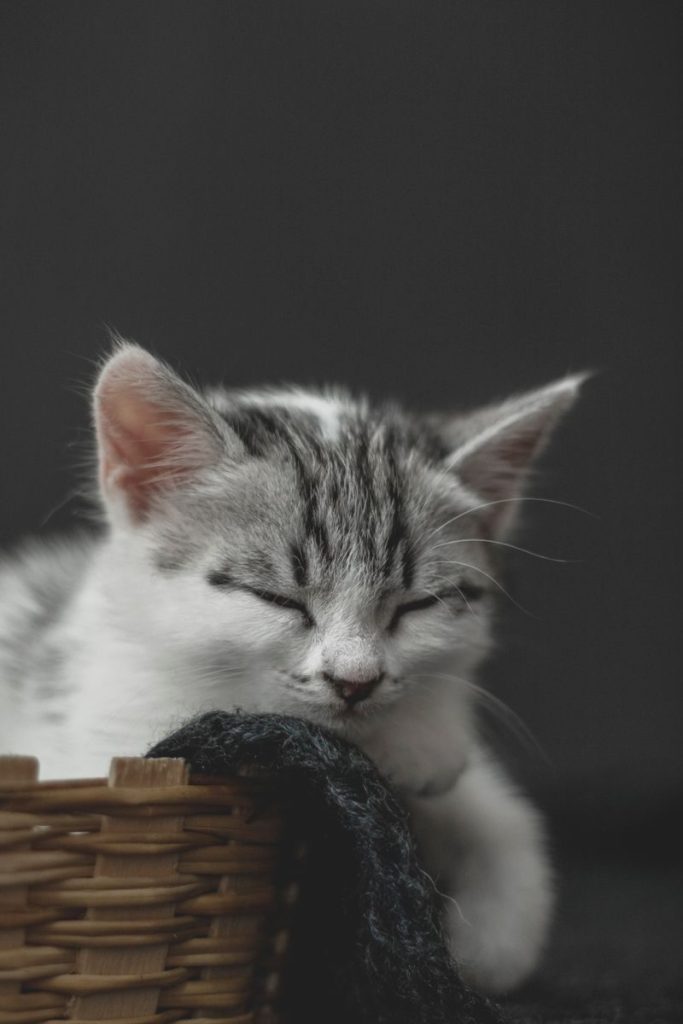
The frightened kitten who initially hid beneath the sink did not remain withdrawn permanently. Bonner described Sera becoming increasingly affectionate once she had time to settle, eventually choosing close contact with her foster caregiver.
That gradual change reflects why newly rescued cats should not be judged solely by their behavior during the first few hours or days. Stress can temporarily change how social a cat appears. Providing predictable care, hiding options, and opportunities to approach voluntarily can give a cat time to reveal how it behaves once the environment feels more familiar.
Sera Found a Permanent Home
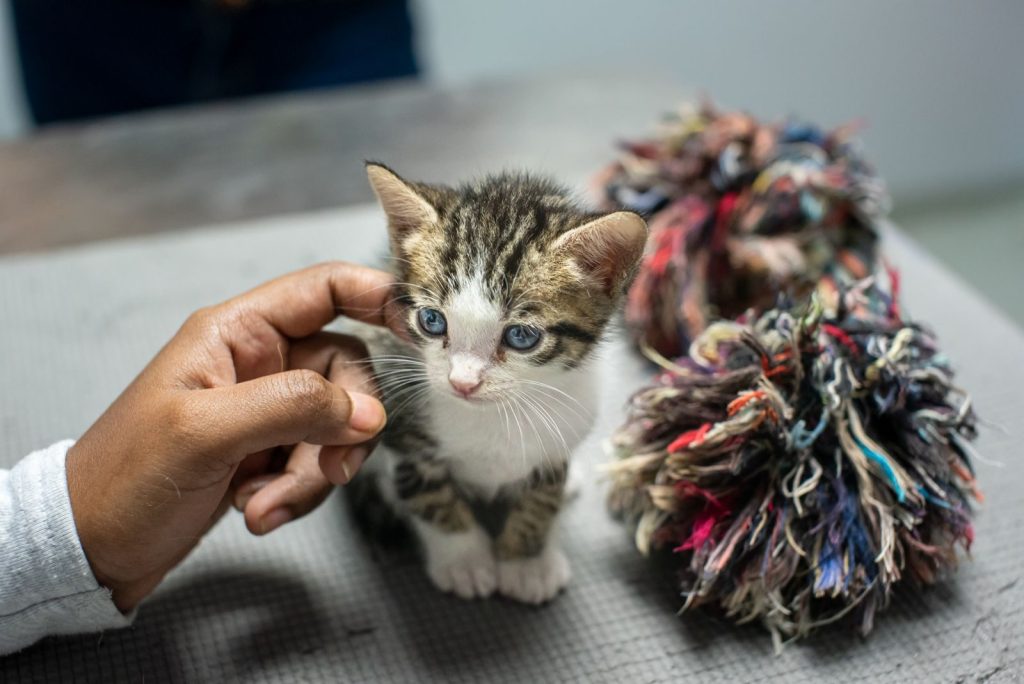
Once Sera had recovered and settled into foster care, Bonner began looking for her permanent family. The Dodo reported that a couple soon fell in love with the young cat and adopted her.
Sera reportedly needed another adjustment period after moving again, but she later settled successfully into that home. Her verified story already has an unusually complete ending without adding imaginary drama: a transport accident, four weeks missing, an observant backyard sighting, microchip confirmation, foster recovery, and finally adoption into a permanent home.
Featured Image: Photo by Mahmoud Yahyaoui on Pexels