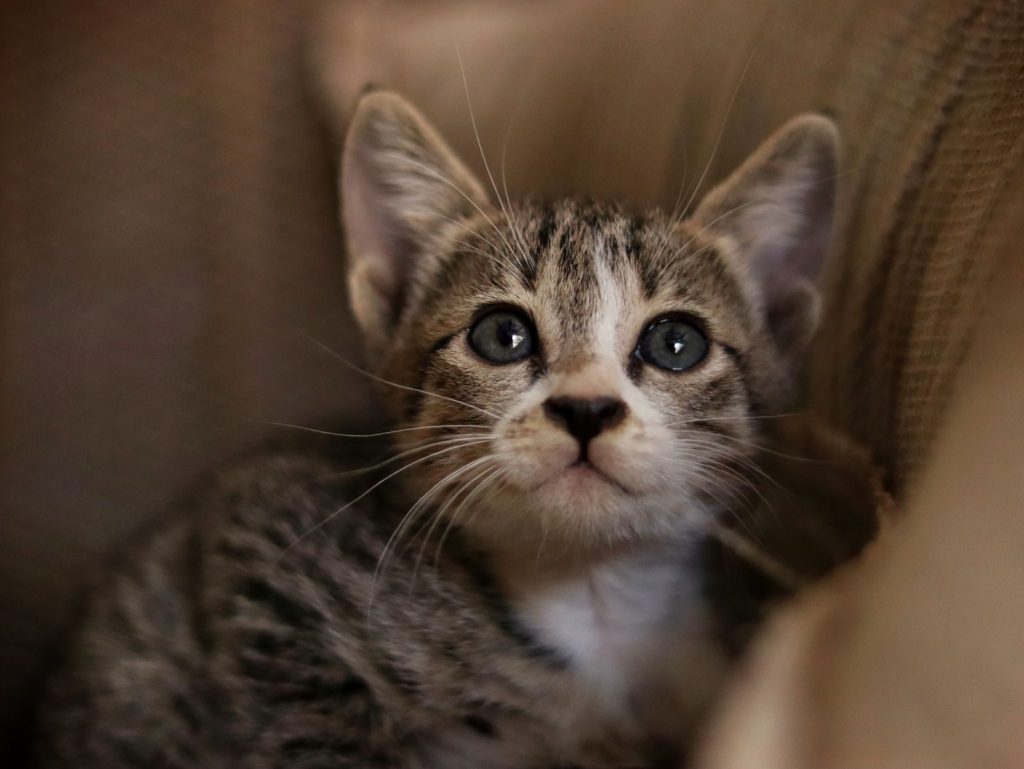

A German Shepherd and a kitten can become comfortable companions, but friendship is never guaranteed simply because one animal is young or the dog belongs to a familiar family breed. Successful cat–dog relationships usually depend on temperament, previous experience, careful introductions, and management that prevents chasing or frightening encounters. International Cat Care notes that close relationships between cats and dogs are often linked to positive early experiences. The safest goal is peaceful, relaxed coexistence first; playful companionship may develop later if both animals choose it.
Kittens can be especially vulnerable because quick running and playful movement may trigger excitement or chasing in some dogs. Best Friends Animal Society advises watching dogs carefully around kittens, including dogs that appear curious rather than aggressive. A new kitten should have a dog-free room, elevated escape options, and time to learn the environment before direct meetings begin. The German Shepherd should initially remain controlled, calm, and supervised. Friendship grows from repeated safe experiences, not from placing the animals together and hoping an adorable viral moment happens immediately.
Start With Separate Spaces

Before the first face-to-face meeting, give the kitten a secure room the dog cannot enter. The room should contain food, water, a litter tray, hiding places, a bed, scratching options, and safe vertical space so the kitten can settle without being watched or chased.
Separation also lets the German Shepherd continue its normal routine while both animals become aware of each other indirectly. This reduces pressure and prevents one bad first encounter from shaping the relationship. Move forward only when both animals are calm with the existing stage.
Swap Scents Before Meetings
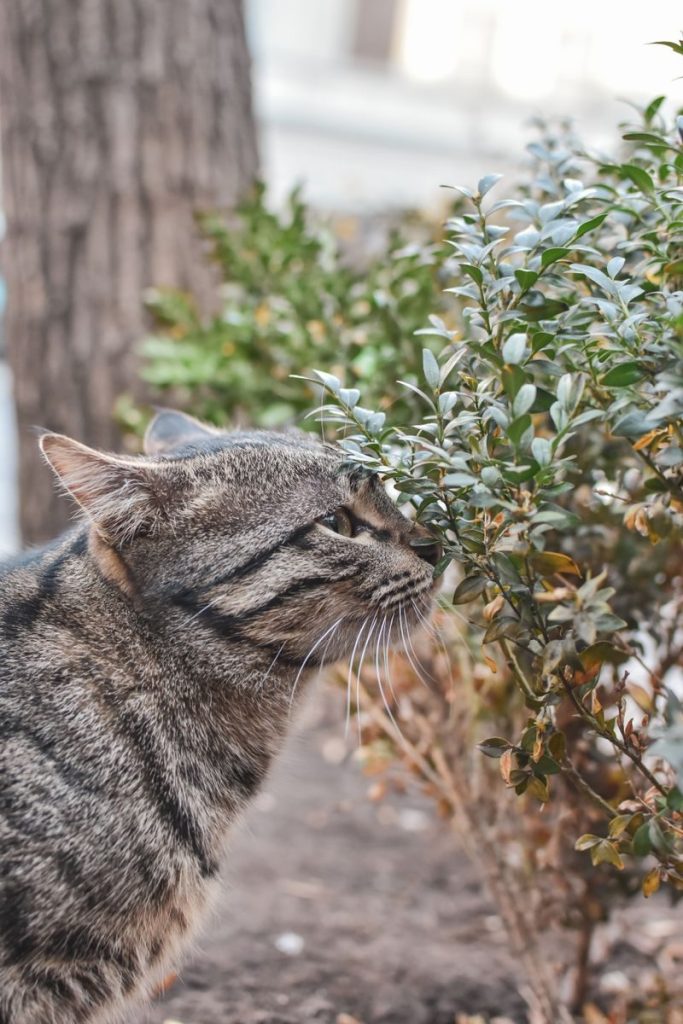
Cats and dogs gather important information through smell, so scent introduction can begin before visual contact. Bedding or clean cloths carrying each animal’s scent can be placed where the other pet can investigate them voluntarily without being forced closer.
Watch the response rather than assuming curiosity means readiness. Calm sniffing followed by disengagement is easier to work with than persistent agitation, barking, hiding, or avoidance. Repeating scent exposure over time can make the other animal less novel before a barrier or supervised meeting is introduced.
Use Barriers for First Looks
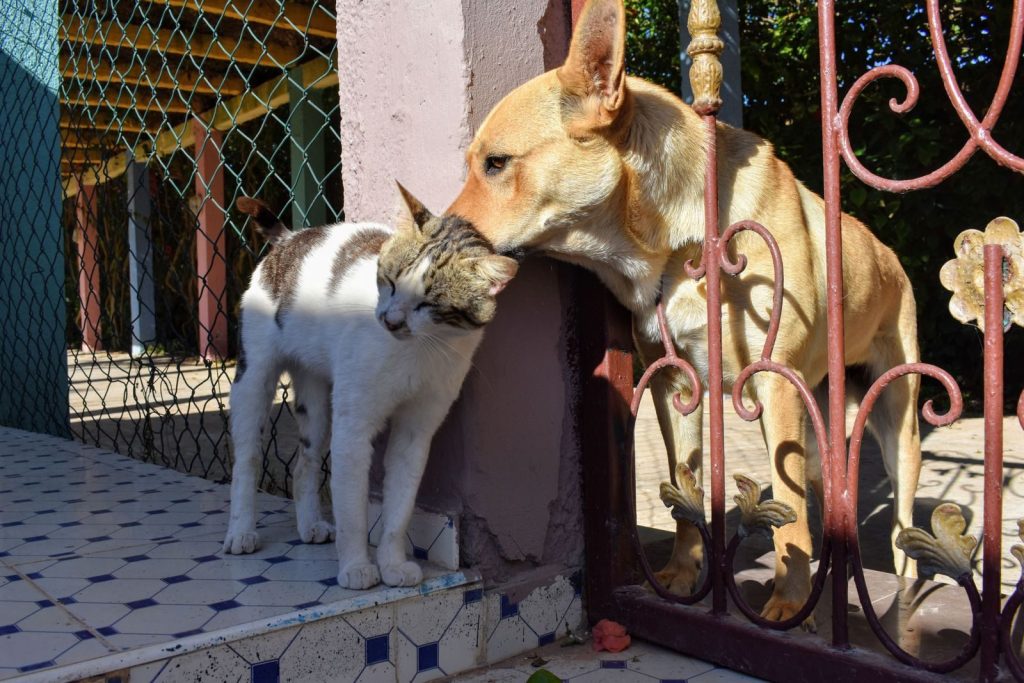
A baby gate, screen, or other secure barrier allows the kitten and German Shepherd to see one another without immediate physical access. The dog should remain controlled, and the kitten must be free to retreat instead of being held in place.
Keep these early sessions short and calm. If the dog fixates, lunges, barks repeatedly, or becomes difficult to redirect, increase distance and end the session. If the kitten hides, hisses continuously, or appears highly stressed, slow the process down rather than pushing for faster progress.
Keep the Dog on Leash
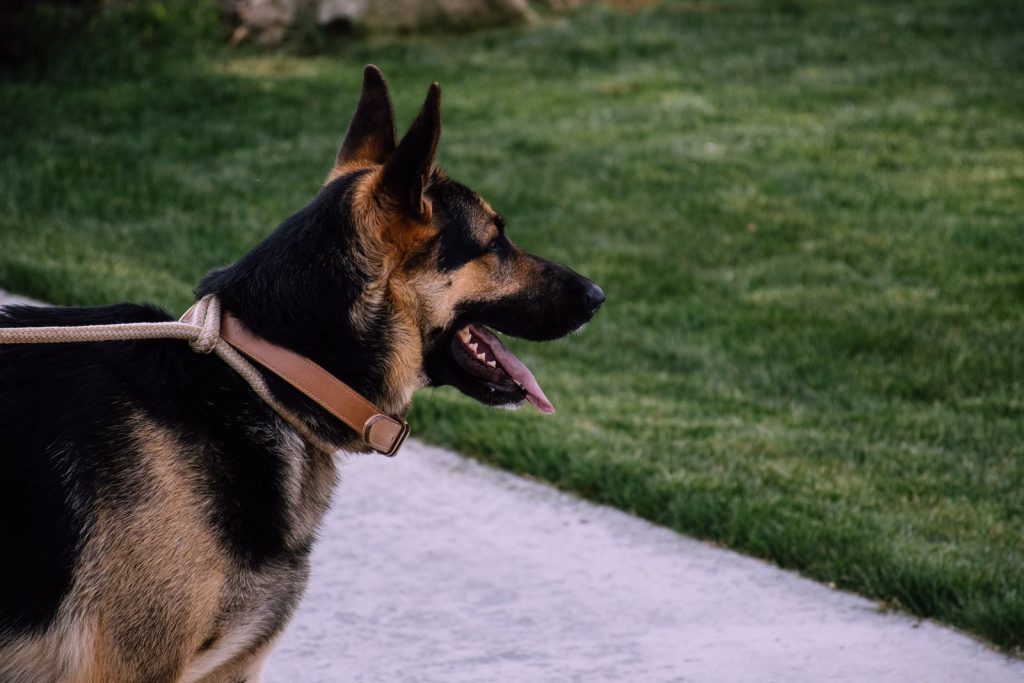
When direct meetings eventually begin, keeping the German Shepherd on a leash provides an added layer of control while the kitten remains free to move away. The leash should prevent chasing, not force the dog into a tense position beside the cat.
Reward calm behavior such as looking away, responding to cues, or relaxing near the kitten. Do not allow the dog to rehearse stalking or chasing because repeated practice can strengthen that behavior. Several uneventful meetings are far more useful than one dramatic interaction staged for a video.
Give the Kitten Escape Routes
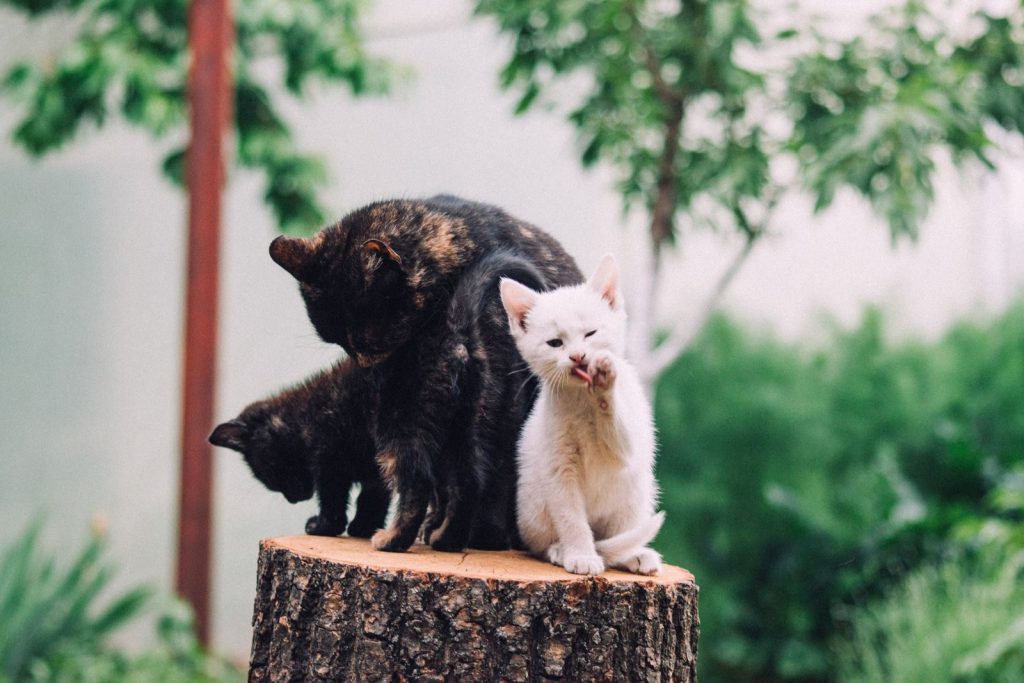
A kitten should always have somewhere the dog cannot follow, such as a tall cat tree, shelf, gated room, or other secure retreat. Vertical escape options are especially important because they let the cat observe from a distance and end an interaction without being cornered.
Never rely on the kitten simply outrunning a much larger dog. A frightened kitten may sprint, which can increase a dog’s urge to chase. Designing the environment so the kitten has control over distance makes safe coexistence more realistic and reduces pressure on both animals.
Read Both Animals Carefully
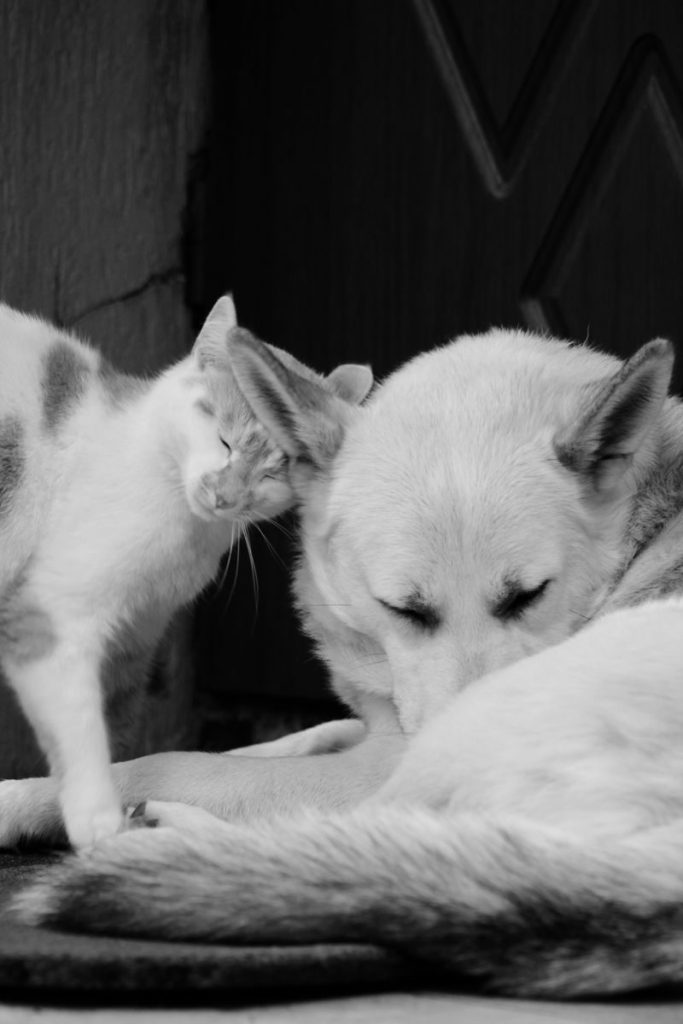
Friendly relationships are easier to build when caregivers watch both species instead of focusing only on whether they are physically close. Loose posture and the ability to disengage are more encouraging than rigid staring, repeated chasing, growling, flattened ears, or frantic escape attempts.
One animal can be comfortable while the other is not, so the meeting should proceed at the pace of the more cautious pet. If body language becomes difficult to interpret or interactions repeatedly escalate, a veterinarian or qualified behavior professional can help create a safer plan.
Friendship May Take Weeks
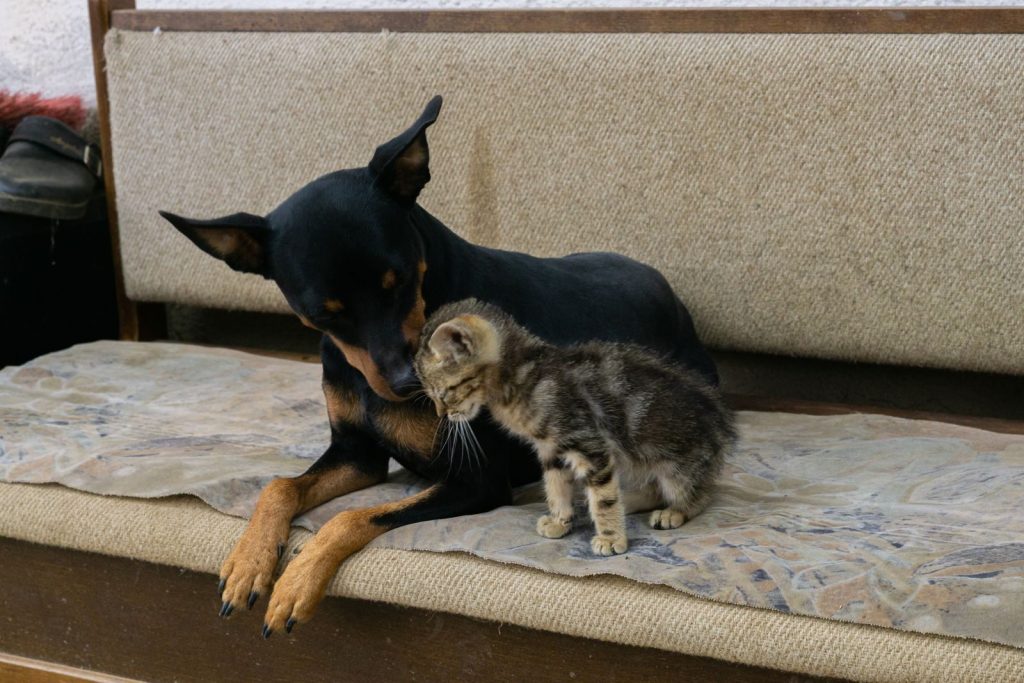
Some kittens and dogs relax around each other quickly, while others need many gradual sessions before they can share a room comfortably. There is no useful deadline for friendship, and rushing because an online video makes the process look instant can create unnecessary risk.
Progress may look boring at first: calm glances, eating with a barrier between them, or resting in the same room at a distance. Those quiet milestones matter. Even if the pair never cuddle or play, peaceful coexistence can still represent a successful and healthy relationship.
Supervision Still Matters
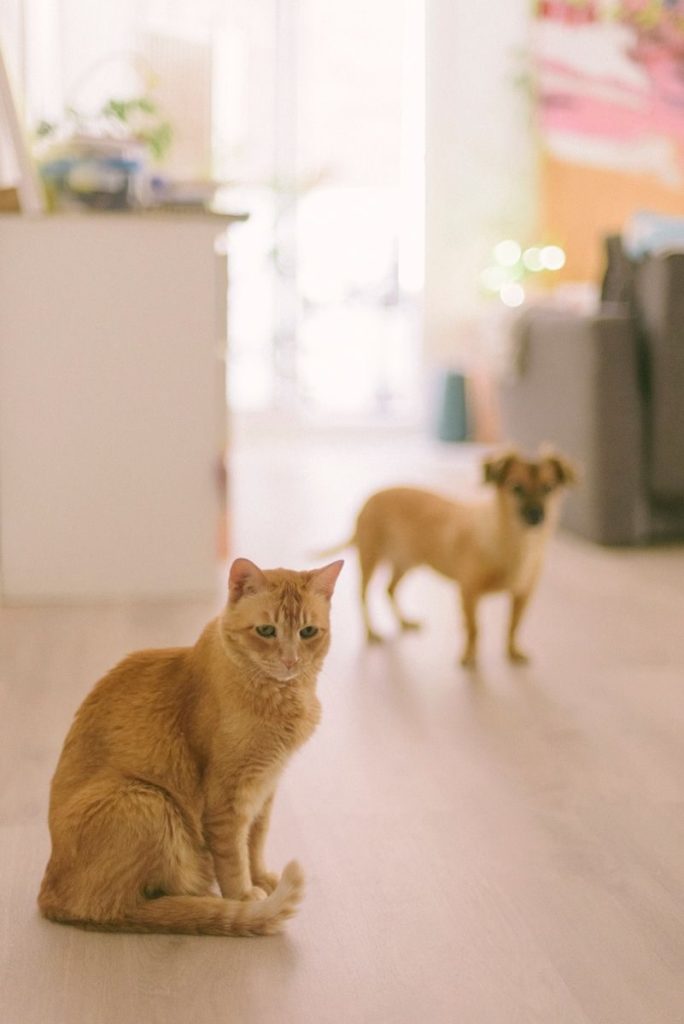
Even after a German Shepherd and kitten appear friendly, early unsupervised access should not be rushed. Size differences mean a playful collision, chase, or overly rough interaction could injure a kitten even when the dog shows no deliberate aggression.
Increase freedom gradually as both animals demonstrate predictable, relaxed behavior. Keep separate resources available and continue giving the cat dog-free resting areas. A genuinely good relationship is one in which both pets remain safe and can choose distance, not one measured by how photogenic their closeness looks.
Featured Image: Photo by Sudhir Sangwan on Pexels