

Eighteen-year-old Hamdan Shibli believed he had found ordinary kittens alone on an Israeli dirt road.
After moving the frightened youngsters away from traffic and sharing their photographs, he learned that they were jungle cats—a wild species closely related to domestic cats.
Three Kittens Appeared on the Road

Shibli reportedly encountered three very young cats while traveling to work. Their mother was nowhere in sight, so he moved them from the exposed dirt road into nearby vegetation.
Something Looked Different
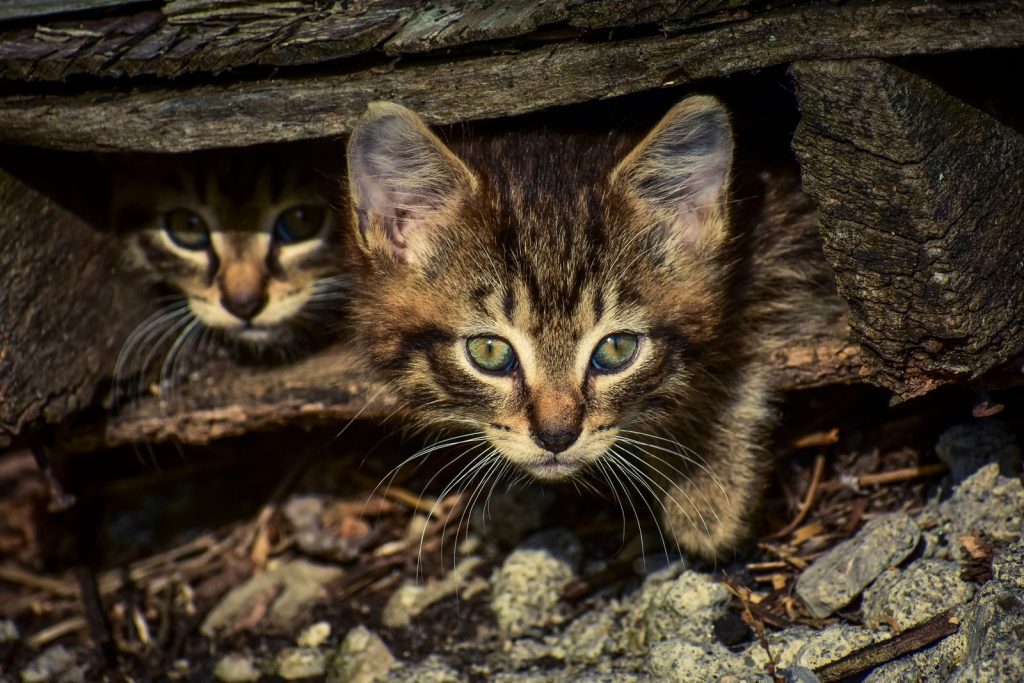
Once he looked closely at the kittens, their appearance seemed unusual. Photographs posted online eventually helped identify them as jungle cat kittens rather than ordinary domestic cats.
Jungle Cats Are Wild
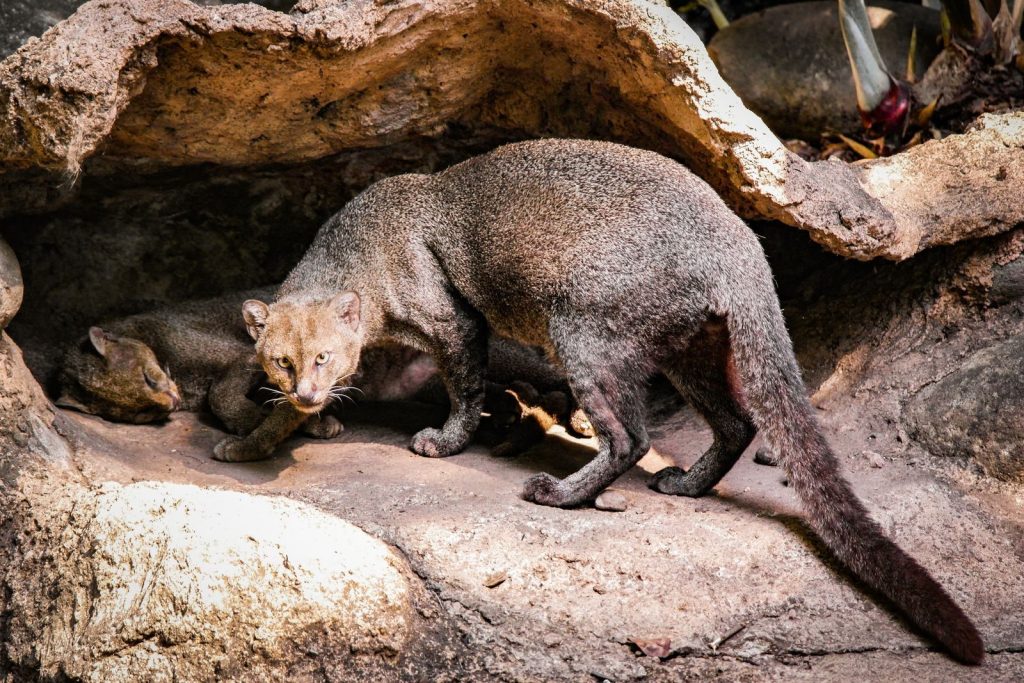
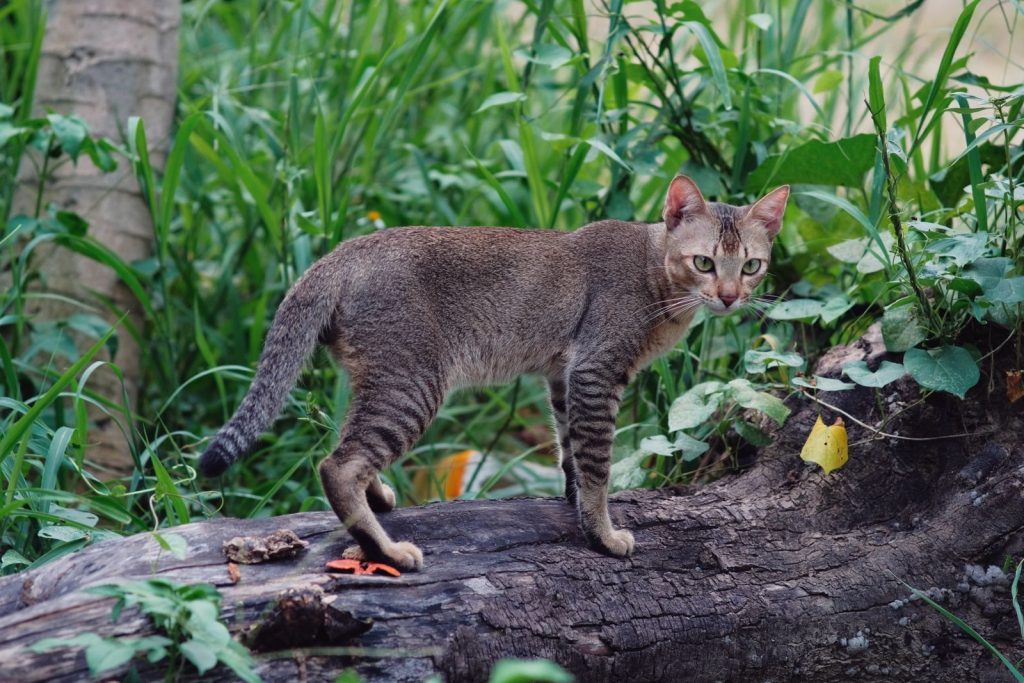
Despite their familiar appearance, jungle cats are a genuine wild species, Felis chaus. The IUCN Cat Specialist Group says they are closely related to domestic cats and occur across a broad range from the Middle East into Asia.
Shibli Returned to Check
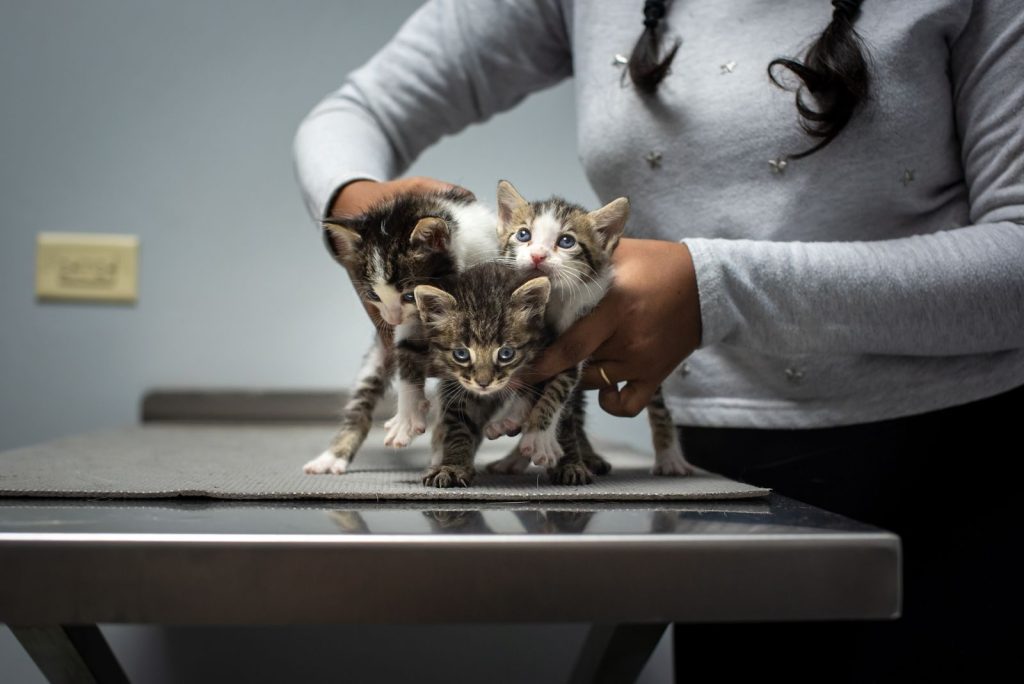
After learning what the kittens were, Shibli went back to the location. Their mother still had not appeared, and the youngsters were reportedly weak and covered with ticks.
One Kitten Did Not Survive
One of the three was already in such poor condition that it died. The remaining two were taken for specialized wildlife care rather than being treated as pets.
Jungle Cats Live in Israel
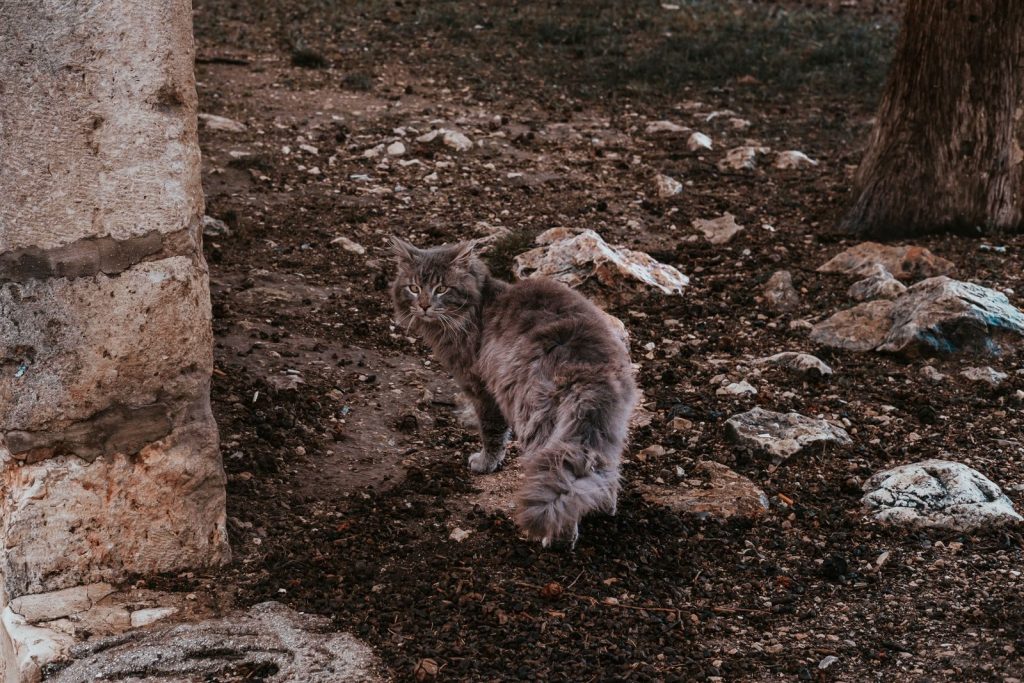
The species occurs naturally in Israel, where the IUCN Cat Specialist Group currently lists the national population as Vulnerable. Globally, however, the jungle cat is classified as Least Concern.
They Often Live Near Water

Jungle cats are associated with wetlands, reed beds and other habitats near water in many parts of their range. They can also use agricultural landscapes when sufficient vegetation and cover remain.
Wild Kittens Need Specialists

A wild kitten that resembles a house cat should not automatically be taken home. Correct identification and professional wildlife care are particularly important because rehabilitation should preserve the behaviors needed for eventual life in the wild.


