

It often feels like our cats are holding a real conversation with us. When you make a noise, they instantly reply with a loud, expressive meow.
This vocal back-and-forth is not just a random habit. Scientists have discovered that your chatty companion is actually trying to teach you their own language.
A language invented just for humans
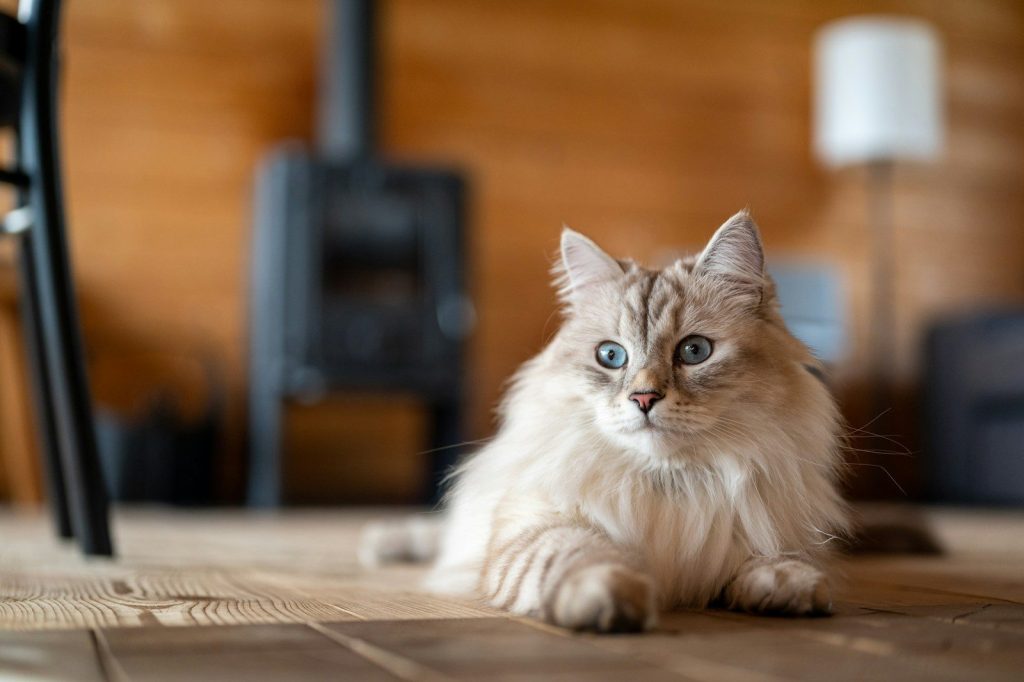
Adult cats rarely meow to communicate with other felines. In the wild, they rely almost entirely on scent, body language, and subtle touch. The classic meow is actually a behavior they developed specifically to get human attention. They realized we are oblivious to scent, so they turned up the volume. But how did they learn to mimic our conversational patterns?
Testing sounds until they get results.
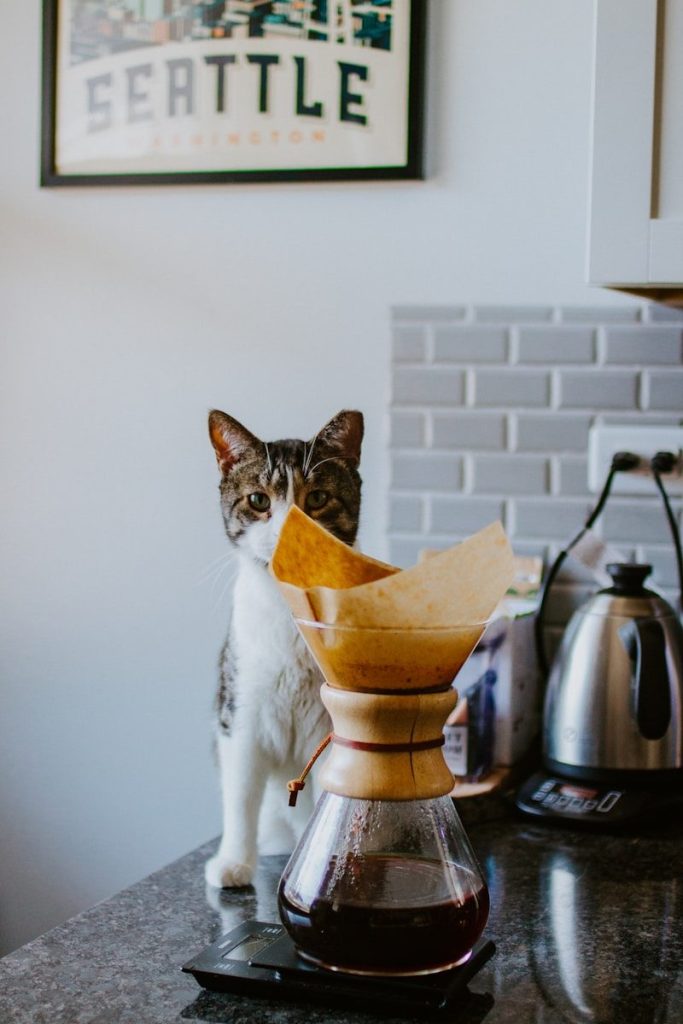
Kittens meow to let their mothers know they are cold or hungry. As they grow up, they quickly realize that humans respond to those same high-pitched sounds. Your cat experiments with different tones to see which ones get you to open the food cupboard. It is a highly effective training method. But why do some cats actually seem to sing?
Matching the rhythm of your voice
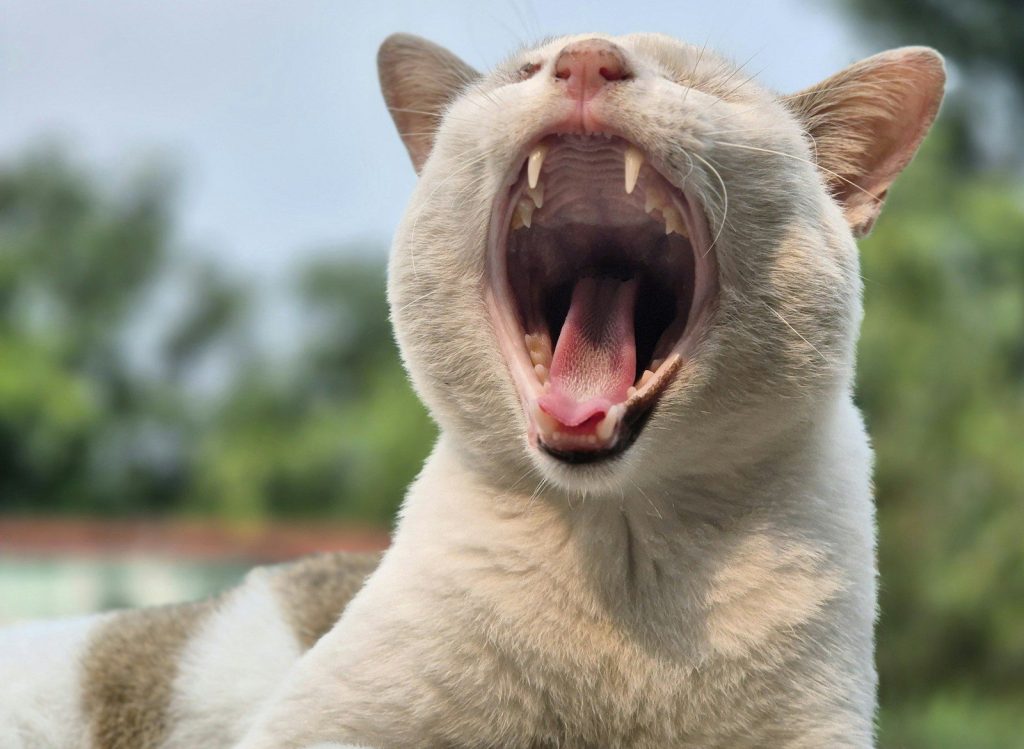
Highly vocal breeds like Siamese can actually mimic the cadence of human speech. When you speak to them, they match your rhythm and pitch with their replies. This vocal mimicry is their way of trying to fit into your human pack. It shows incredible intelligence. However, there is a dark side to sudden, excessive feline chatter.
When talking is a cry for help.
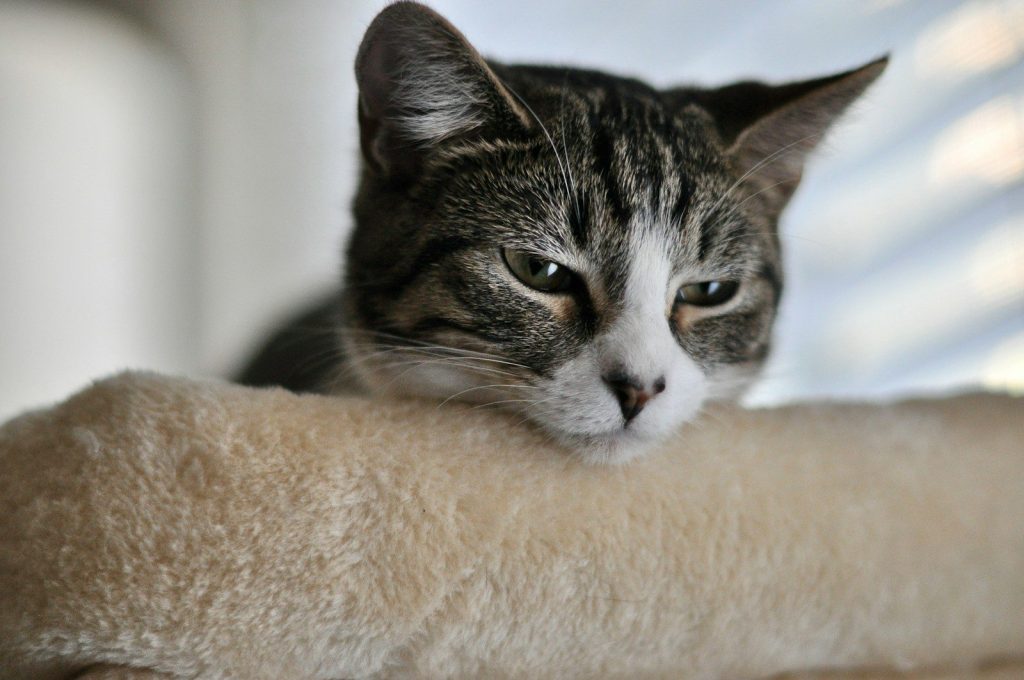
If your normally quiet cat suddenly starts crying constantly, pay close attention. Senior cats often develop high blood pressure or overactive thyroid glands, which trigger loud vocalizations. According to veterinary reports, this sudden noise can also indicate cognitive decline or physical pain. This article does not constitute medical advice. But how can you tell the difference between a happy chat and a cry for help?
Read their body language while they speak.
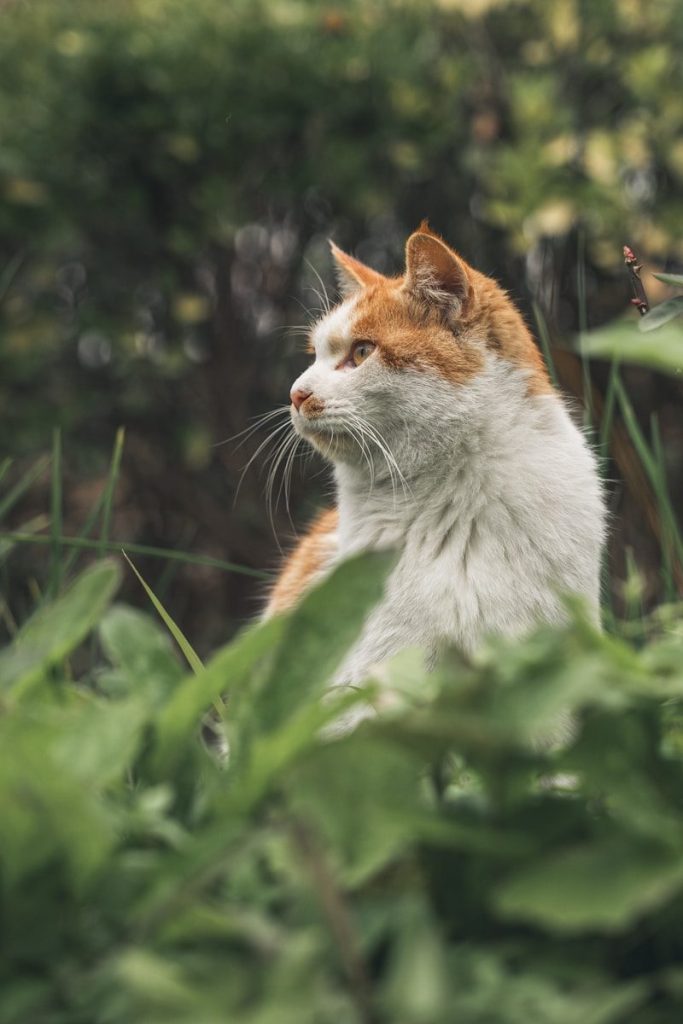
A happy, conversational meow is usually accompanied by a relaxed posture and upright tail. If your cat is in distress, their body will feel tense, and their ears may tilt sideways. They might also pace the room while crying out. Recognizing these physical cues helps you respond correctly. Yet, there is a simple way to encourage safe conversation.
Reward the sounds you want to hear.
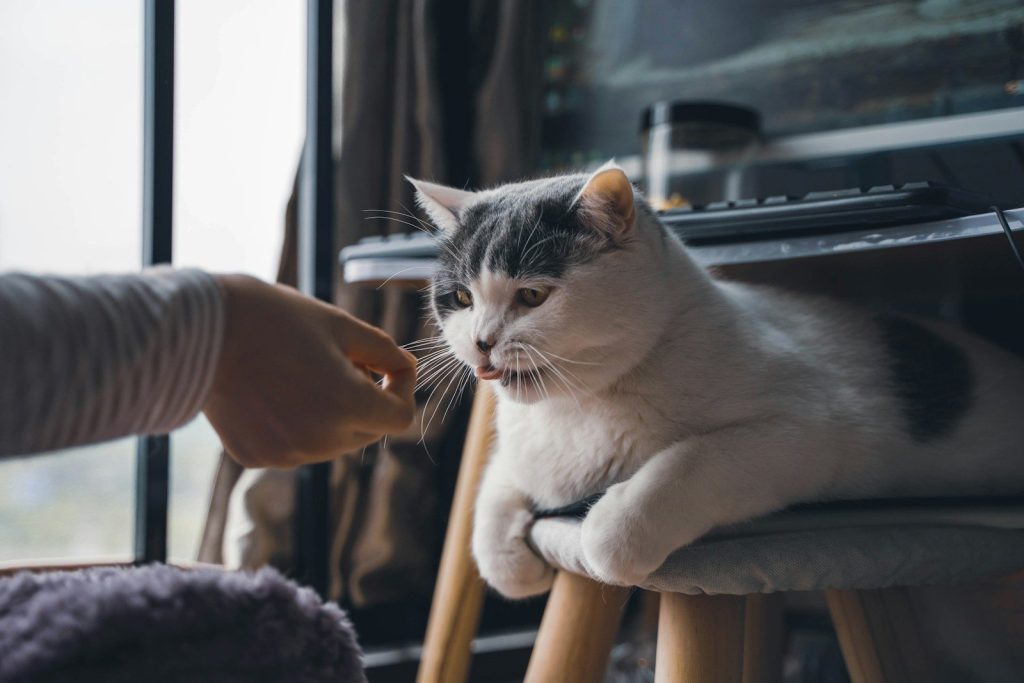
You can easily train your cat to communicate more calmly. Talk to them when they use soft, sweet chirps and ignore them when they yell loudly for food. This teaches them that polite conversation gets them the attention they crave. But what is the absolute best way to show them you are listening?
Talk back to your furry friend.
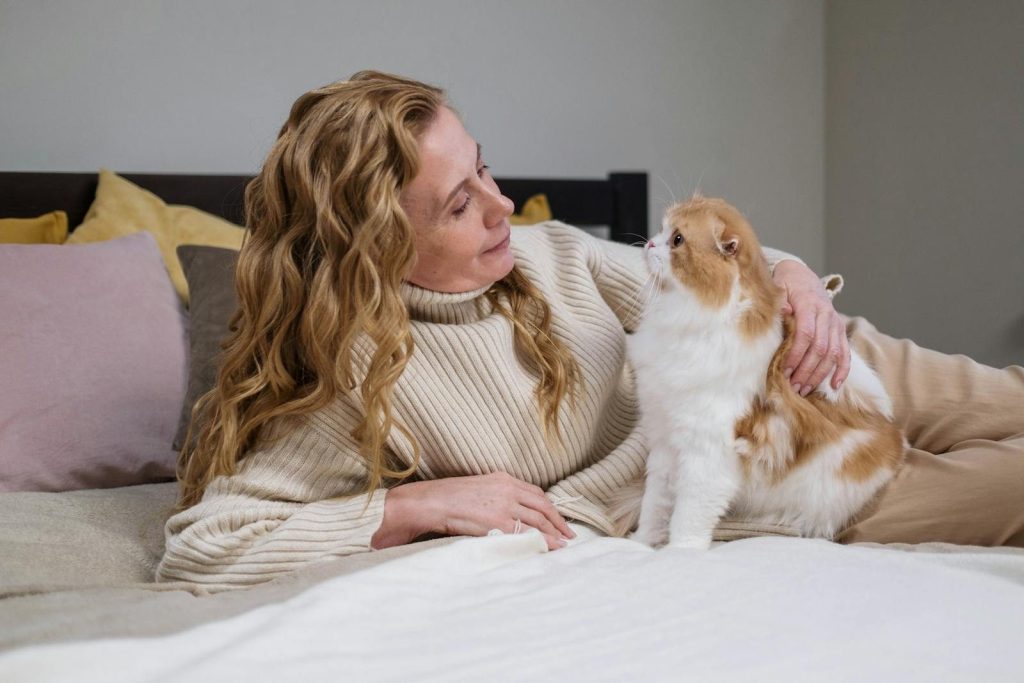
Responding to your cat with a warm, gentle tone strengthens your emotional bond. Even if you do not understand their exact words, the shared interaction makes them feel safe and valued. Engaging in these sweet daily chats keeps their brain active and happy. It is the ultimate proof of your unique, loving connection.
Featured Image: Photo by Rasmus Järborg on Unsplash