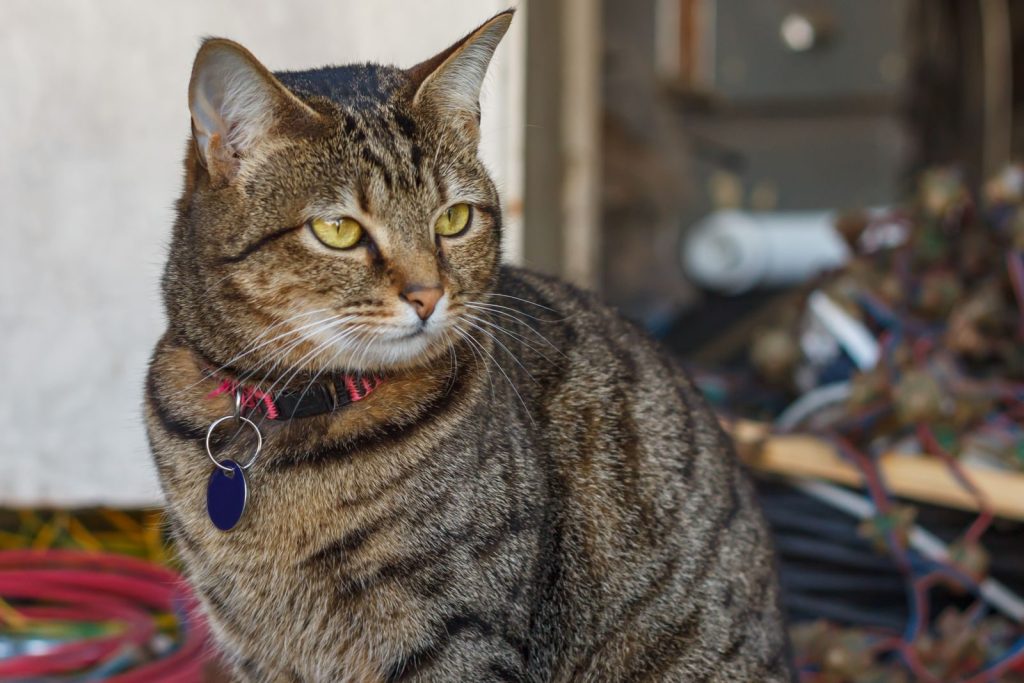

Cats have lived alongside humans for thousands of years, yet many misconceptions about them persist. While some myths are harmless, others can lead to poor care or misunderstanding of normal feline behavior.
Understanding what science and veterinarians say about cats helps owners make informed decisions. Here are some of the most common cat myths—and the facts that set the record straight.
Cats Always Land Safely
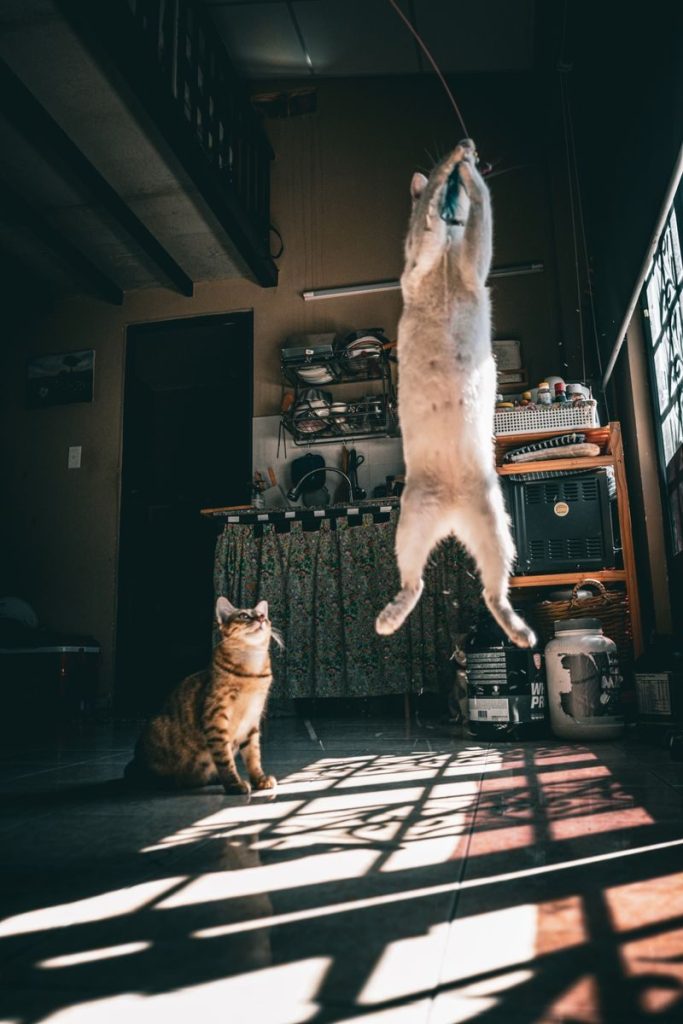
Cats have an impressive righting reflex that helps them twist mid-air, but it does not guarantee a safe landing. Falls from windows, balconies, or trees can cause broken bones and other serious injuries, which is why veterinarians recommend keeping cats protected from high places.
Cats Love Milk

The image of a cat happily drinking milk is popular, but most adult cats are lactose intolerant. Cow’s milk can upset their stomach and cause diarrhea or vomiting, making fresh water the safest everyday drink.
Purring Always Means Happiness

Purring often shows contentment, but cats also purr when they are anxious, frightened, injured, or in pain. Experts believe purring may help cats comfort themselves, so it should always be interpreted alongside their body language.
Black Cats Bring Bad Luck

There is no evidence that black cats are unlucky. This belief comes from centuries-old folklore, and in several countries black cats are actually considered symbols of good fortune and prosperity.
Indoor Cats Don’t Need Vets
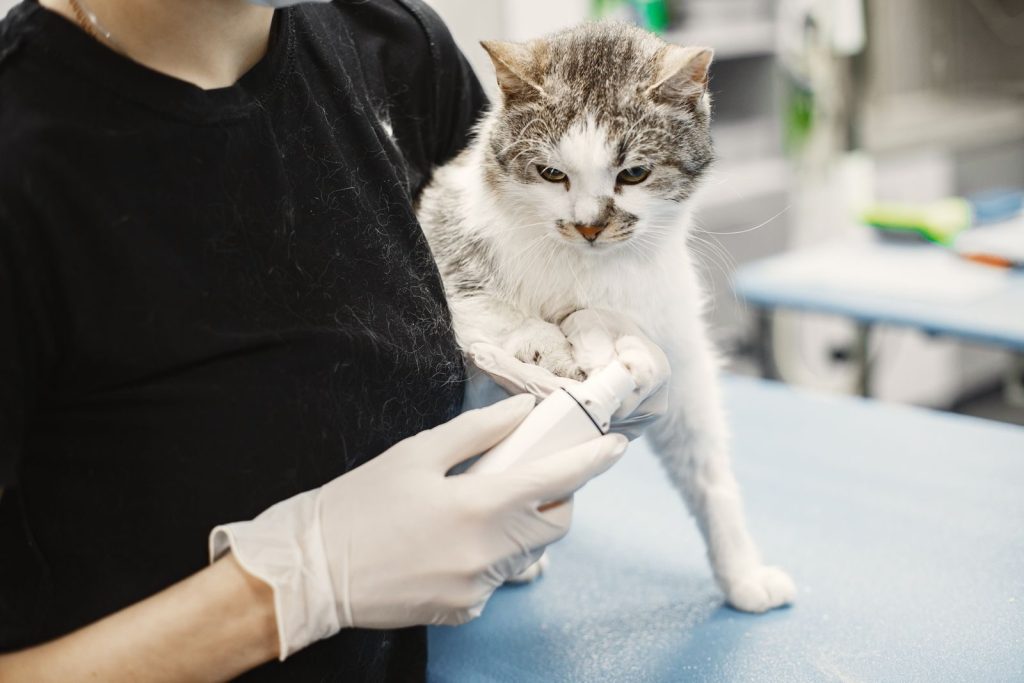
Living indoors protects cats from many dangers, but it doesn’t eliminate health risks. Indoor cats still need routine veterinary checkups, vaccinations, dental care, and parasite prevention to stay healthy throughout their lives.
Cats Are Antisocial

Cats may seem independent, but many enjoy companionship and form strong bonds with their families. Most cats benefit from daily interaction, play, and affection, even if they express it differently from dogs.
Cats Can See in Total Darkness
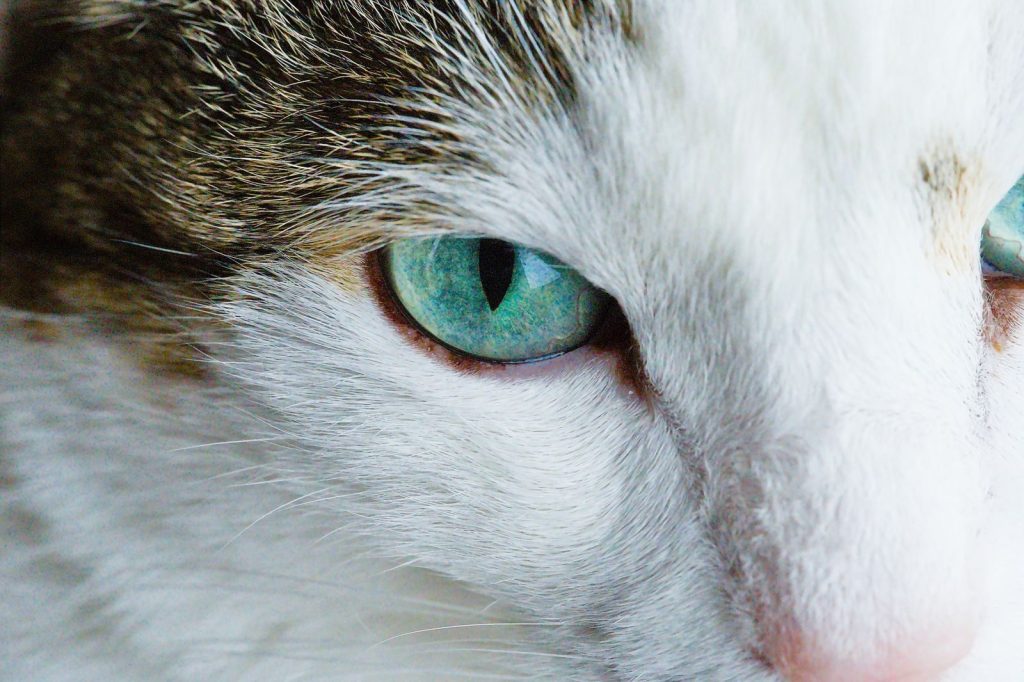
Cats have much better night vision than humans because their eyes capture more available light. However, they still need at least a small amount of light and cannot see in complete darkness.
Facts Make Better Cat Owners

Many long-standing myths have been disproven by veterinary research and modern feline science. Relying on trusted animal welfare organizations and your veterinarian instead of old beliefs is one of the best ways to keep your cat healthy, safe, and happy.
Featured Image: Photo by Justin Wearne on Pexels