

Most pet owners expect every feline to walk with smooth precision. We naturally assume an uneven stride points directly to a recent injury.
But specialized veterinary studies show certain unusual walking patterns stem from harmless neurological traits. Understanding these graceful wobbles helps caregivers support happy pets.
Observing An Unsteady Feline Stride
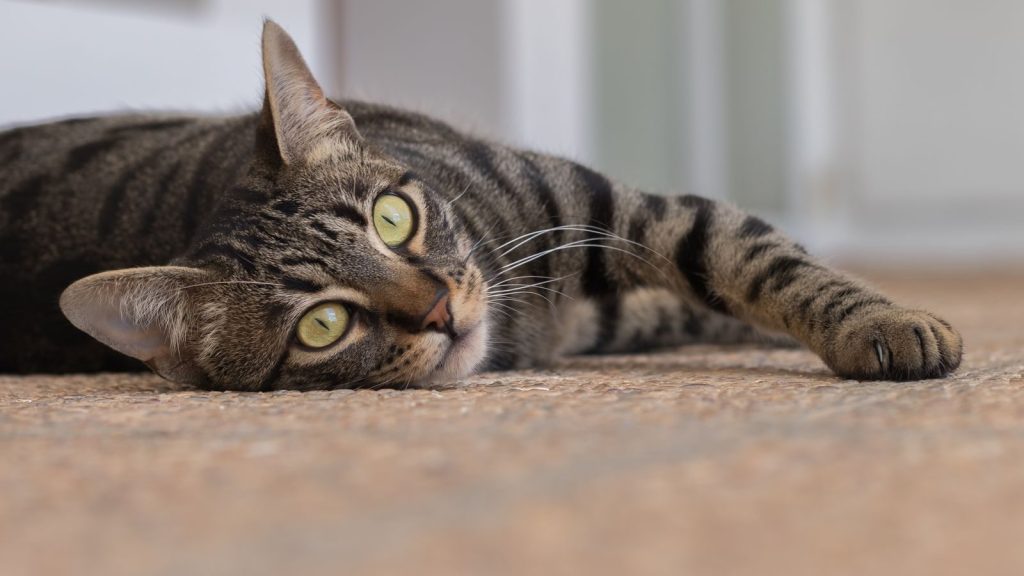
A rescue cat moves across the carpet with a distinct swaying motion. She was cheerful. Her back legs wobble gently while her front paws balance her weight during movement. According to clinical veterinary guidelines from the Cornell Feline Health Center, cerebellar hypoplasia occurs when the balance area of the brain remains underdeveloped from birth. Owners often wonder what causes this unique movement pattern.
Understanding Cerebellar Hypoplasia Conditions
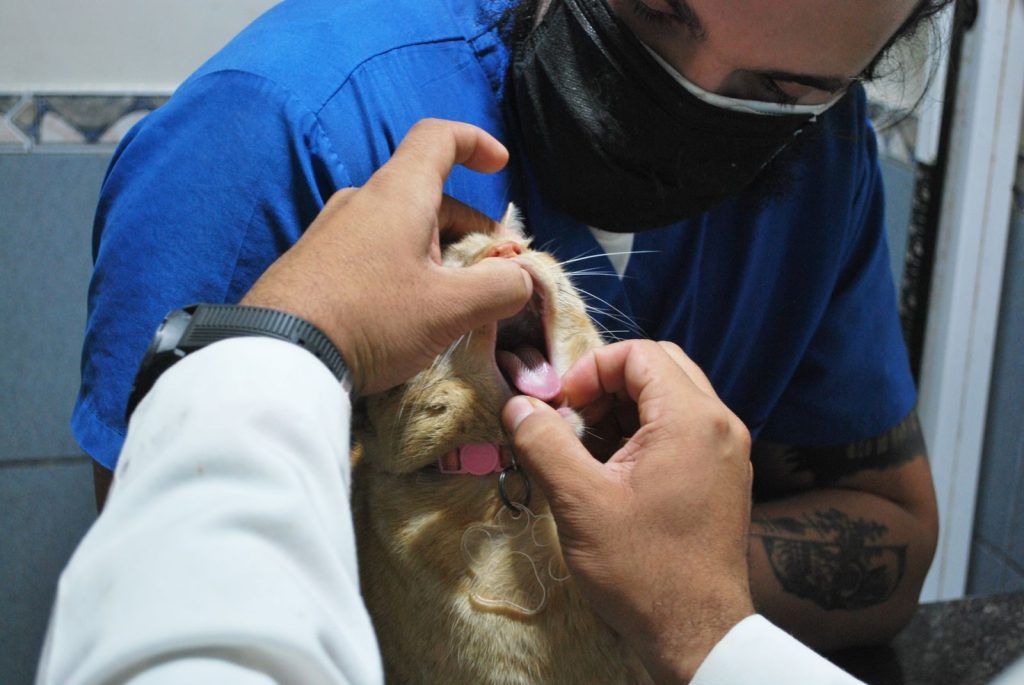
The condition develops during early pregnancy when a mother cat encounters a routine virus. Her health recovers. The kittens are born with mild balance motor impairments that never get worse over time. According to neurological research from the American Veterinary Medical Association, cats with this trait experience zero physical pain while walking. Veterinary specialists recommend specific home safety updates for affected animals.
Adapting Indoor Living Spaces

Caregivers can install soft foam mats beneath elevated perches and food bowls. Balance comes easier. Keeping food dishes at chest height prevents wobbling felines from straining during meals. According to pet environment standards published by the International Cat Association, carpeted surfaces provide essential traction for unsteady paws. These gentle adjustments encourage confident exploration around the house.
Encouraging Safe Daily Mobility
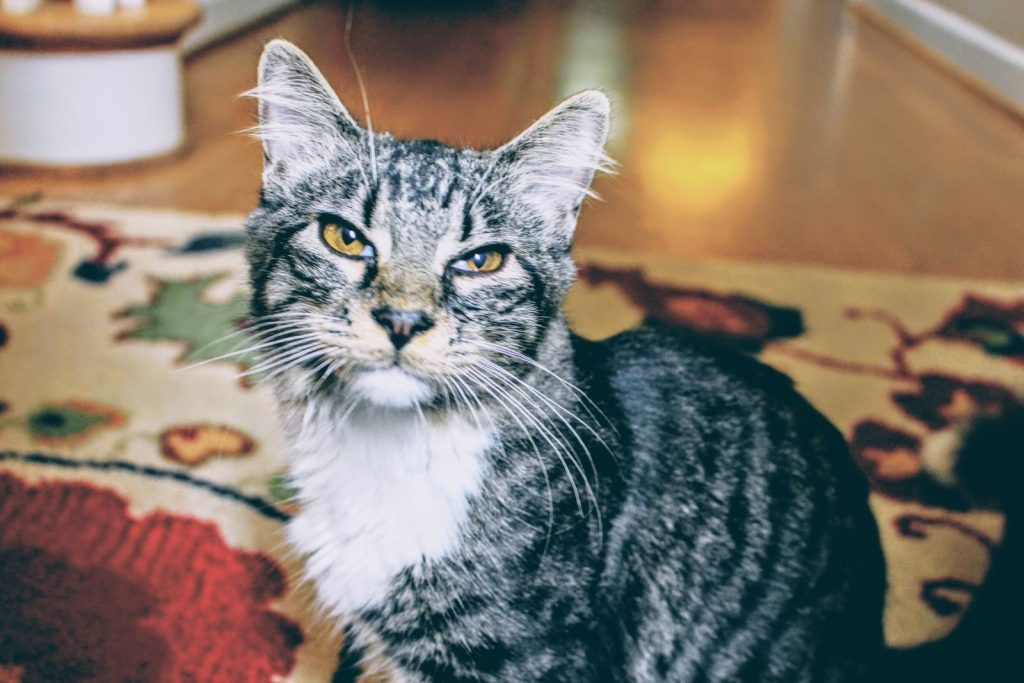
Special needs cats adapt quickly to indoor environments when given steady encouragement. Energy remains high. They run and jump with enthusiasm while learning to navigate carpeted hallways safely. According to behavior studies from the University of California, Davis, animals with movement differences maintain complete cognitive awareness. Owners frequently record these heartwarming playful routines.
Monitoring Long-Term Health
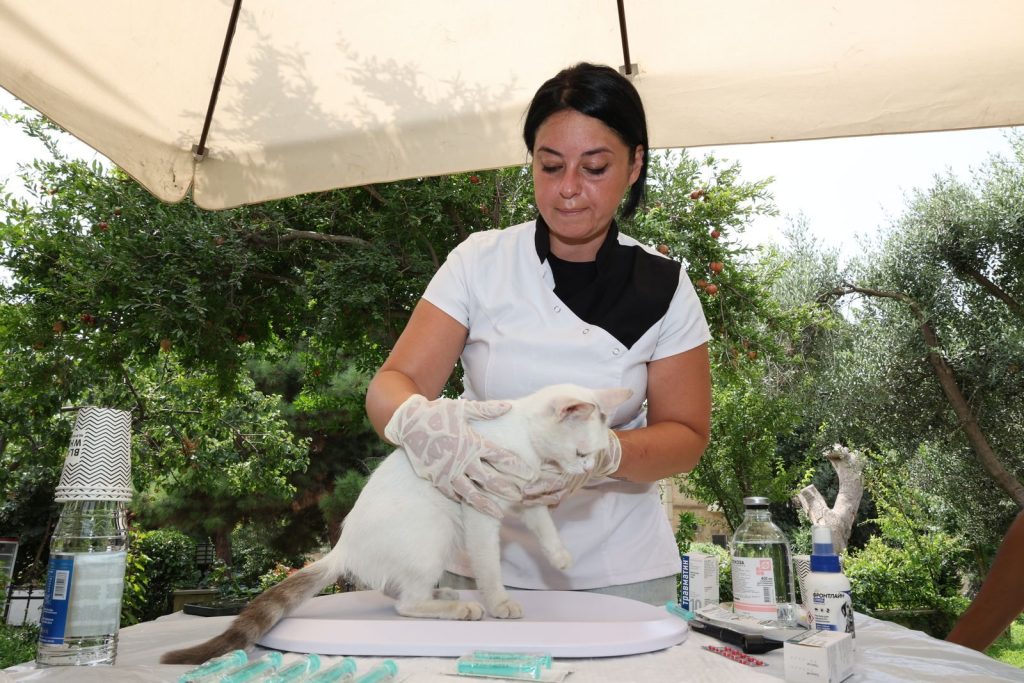
Regular checkups ensure special needs felines remain free from secondary joint stress. Wellness stays strong. Vets examine paw placement and muscle tone to keep mobility comfortable throughout adult life. According to medical consensus from the American Association of Feline Practitioners, cerebellar hypoplasia does not shorten a cat’s normal life expectancy. These findings offer great peace of mind to loving families.
Building Strong Human Bonds
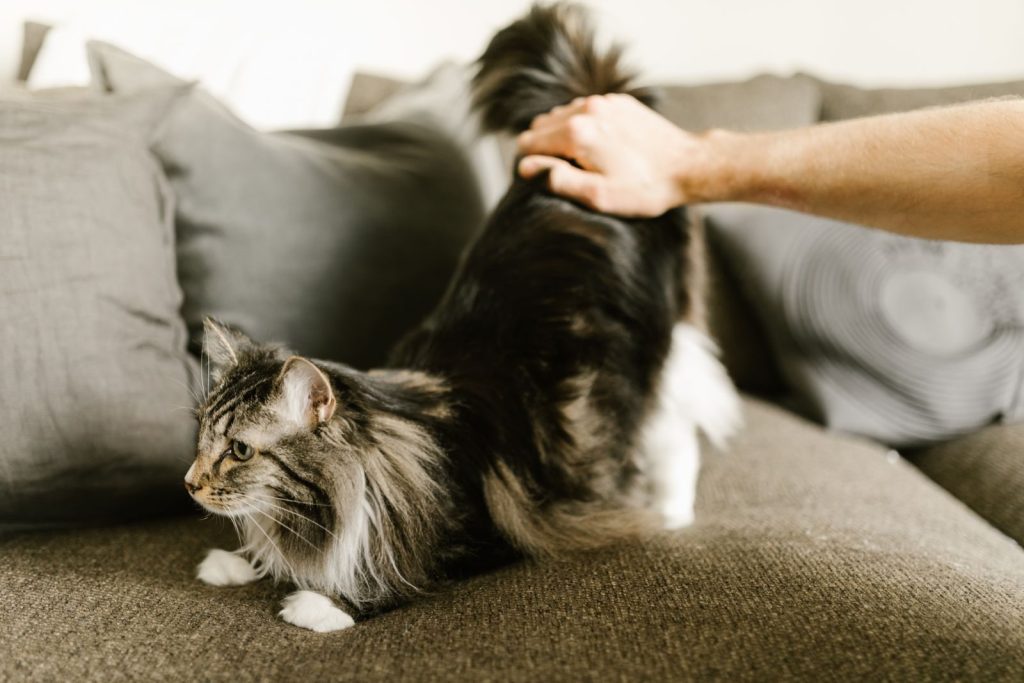
Living with a uniquely walking feline creates a deep bond between pets and humans. Connection grows daily. Pet parents learn to appreciate the inspiring resilience shown by these active animals every morning. According to human-animal interaction reports from Tufts University, caring for special pets increases overall empathy within households. The community impact of these pets continues to grow.
Celebrating Special Feline Mobility
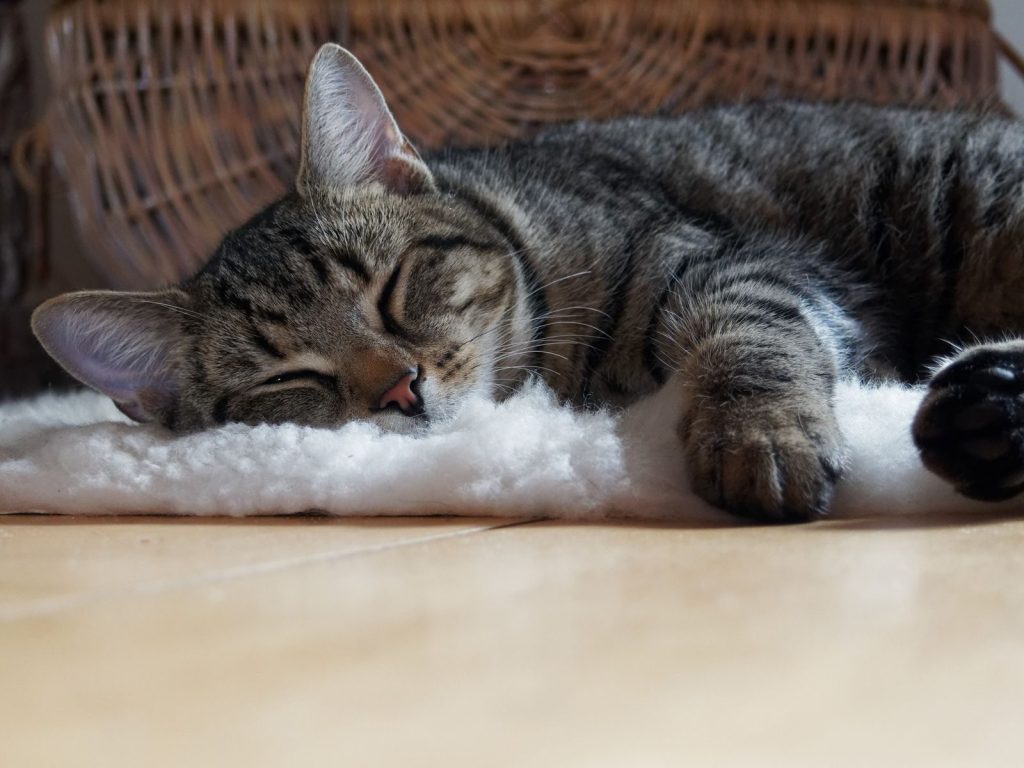
Unsteady walking cats live joyful lives filled with affection and endless indoor games. Their unique stride serves as a reminder of feline strength and adaptability. According to animal welfare experts, adopting pets with neurological differences enriches modern homes tremendously. This article is for informational purposes only and does not constitute veterinary advice.
Featured Image: Photo by Hải Nguyễn on Pexels


