
Your home might smell wonderful to human noses, but your pet likely feels completely different. A cat’s sense of smell is incredibly powerful.
Certain common fragrances can actively distress your feline companion or cause behavioral issues. Discovering these hidden triggers will transform your pet’s happiness.
The hidden danger of fresh citrus
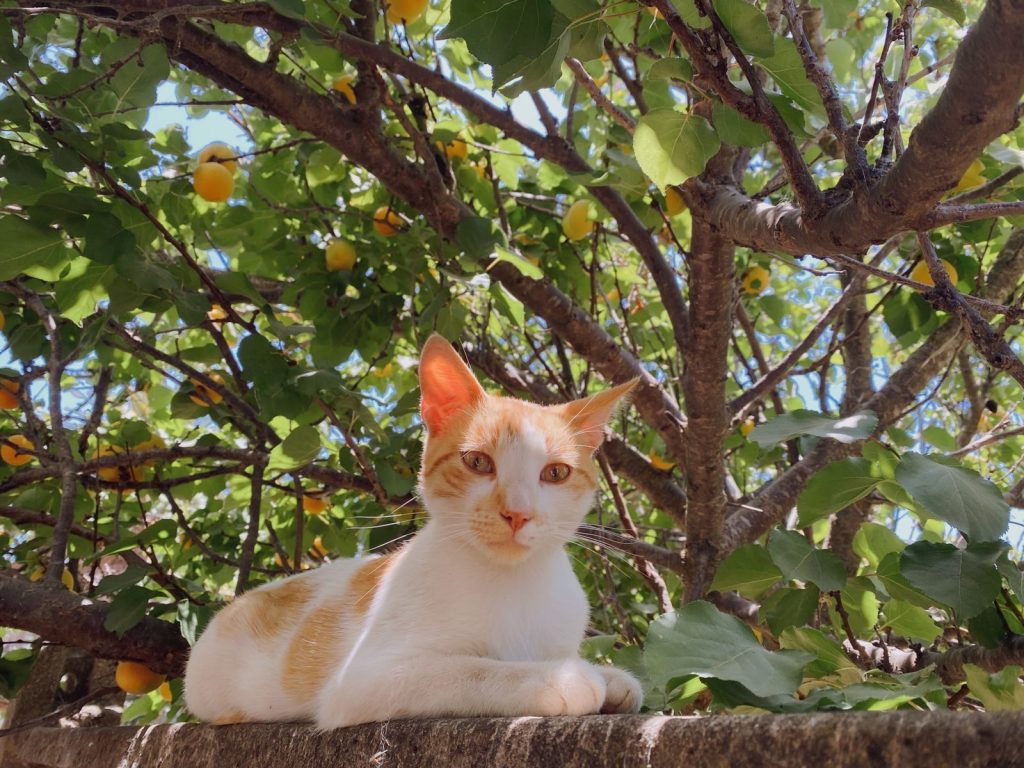
Many homeowners love the crisp scent of lemons. Felines find these acidic odors repulsive. According to the ASPCA, citrus oils can even be toxic. Your cat will actively avoid rooms containing these bright fragrances, creating an effective deterrent.
Why is mint not a friend to felines
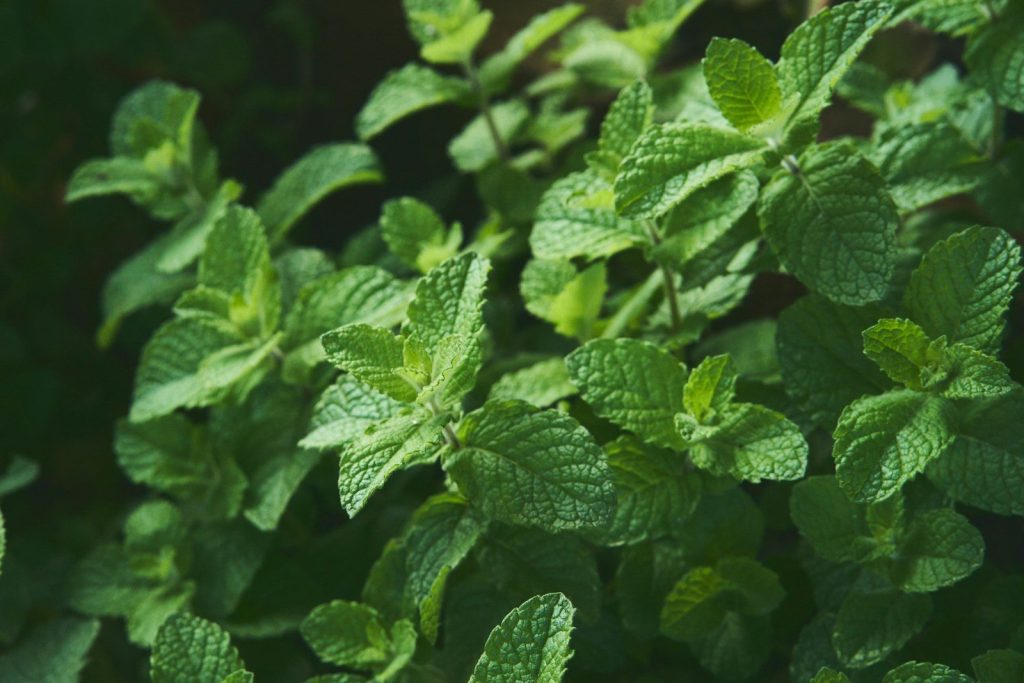
Humans associate mint with cleanliness and freshness. Cats view it as a major warning sign. The intense punch of peppermint or eucalyptus overwhelms their delicate nasal passages instantly. It can trigger immediate coughing or avoidance behavior. While humans enjoy the cooling sensation, your pet experiences a very different reaction that impacts their safety.
The surprising rejection of lavender
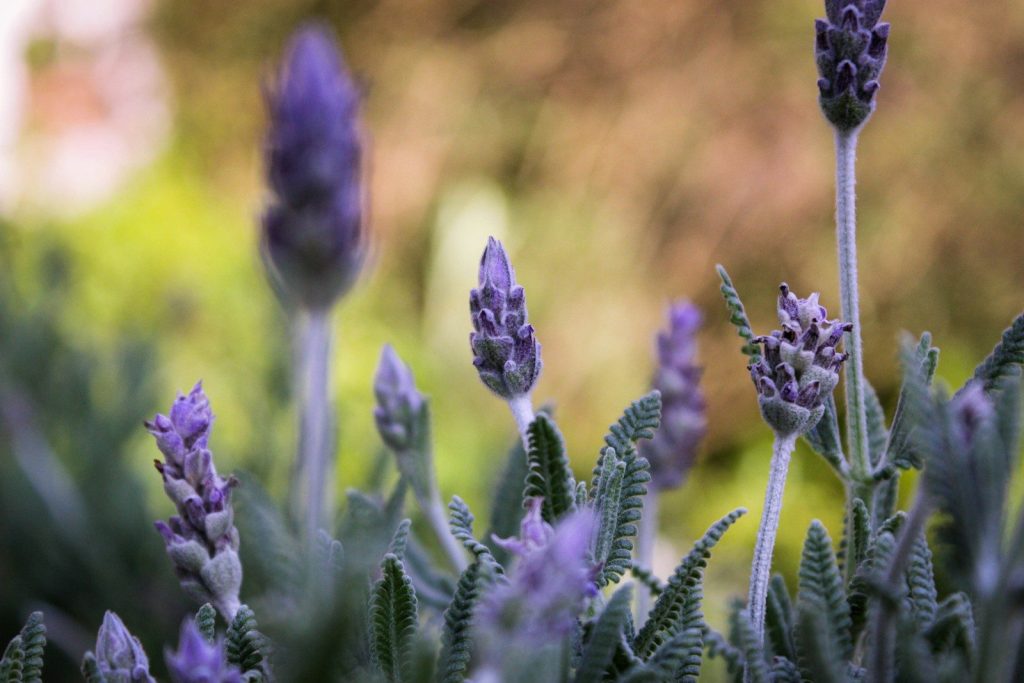
Lavender is praised for its soothing properties. For cats, this plant represents an irritant. Their scent receptors process the floral notes as an immediate threat. Exposure leads to stress rather than relaxation. This herb hides a dark side that owners overlook during cleanup.
Banishing spicy kitchen ingredients

Cooking with heavy spices fills the air with rich aromas. Ground pepper, mustard, and cinnamon cause burning sensations in a feline nose. They will steer clear of the kitchen whenever these items are active. Protecting your pet from these kitchen hazards requires a smart strategy that changes how you store groceries.
The chemical assault of household cleaners
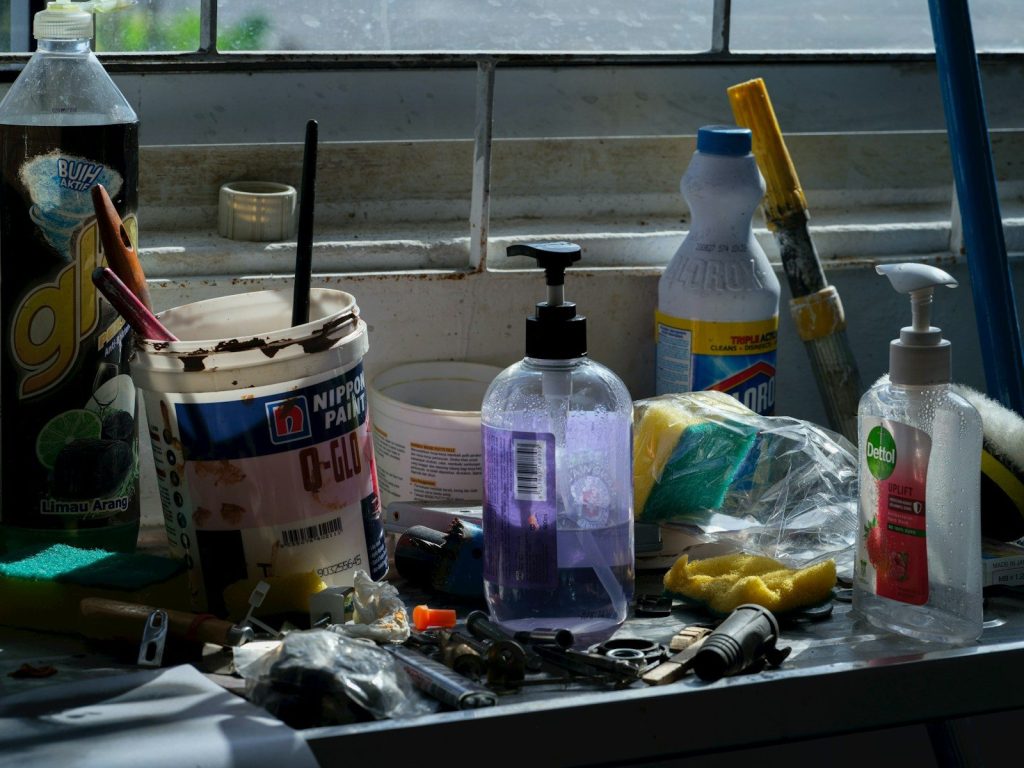
Bleach and ammonia keep surfaces spotless. They torture your pet’s nose. Because ammonia smells like rival urine, it triggers litter box defiance. The American Veterinary Medical Association warns against using harsh sprays. Swapping these products protects home harmony, though one final category remains.
Coffee grounds are a double threat.
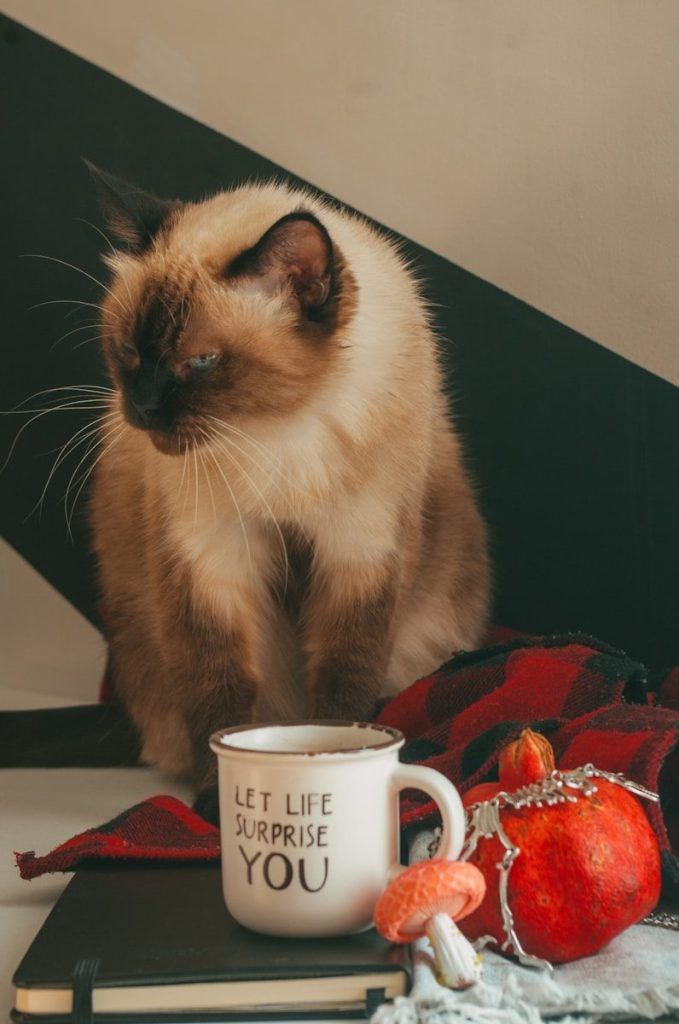
Your morning brew brings you life. It drives your cat away. The bitter aroma of coffee acts as a natural deterrent. Caffeine is highly dangerous if ingested. Keeping mugs secure ensures health, but managing the olfactory environment requires a complete shift.
Creating a scent safe haven
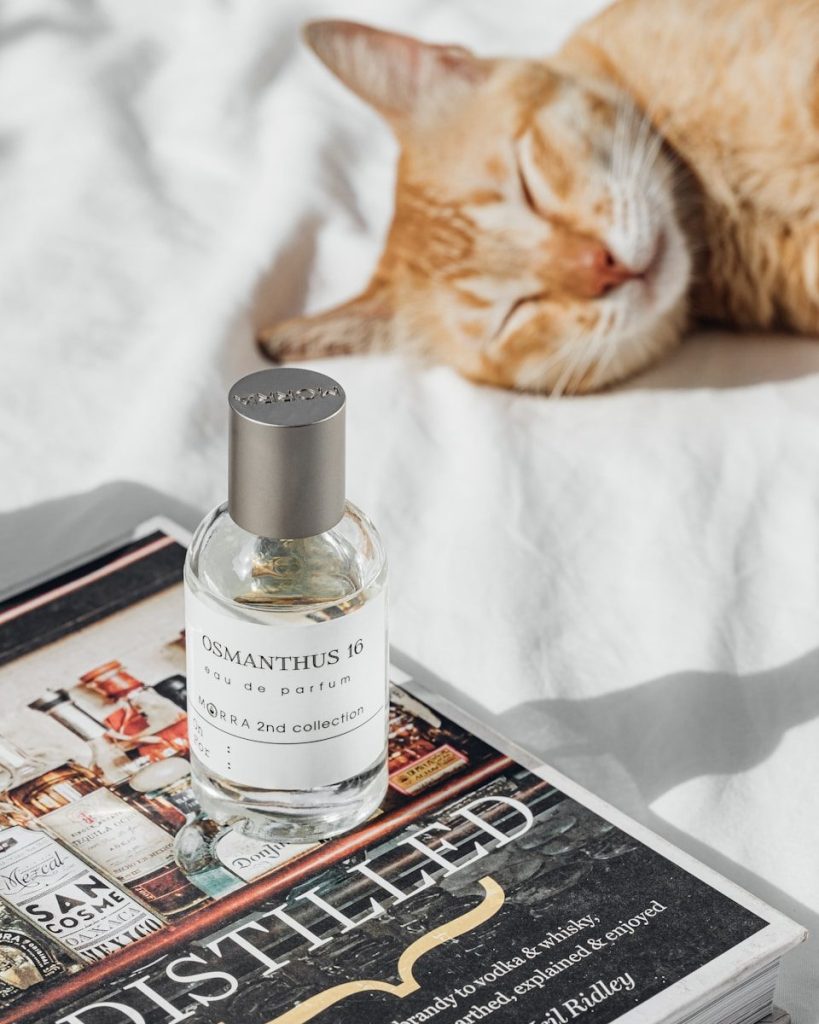
Designing a pet-friendly home means choosing neutral odors. Stick to unscented cleaners and avoid heavy perfumes in common areas. This article is for informational purposes only and does not constitute veterinary medical advice. Your reward will be a relaxed, happy companion who feels truly safe in every room.