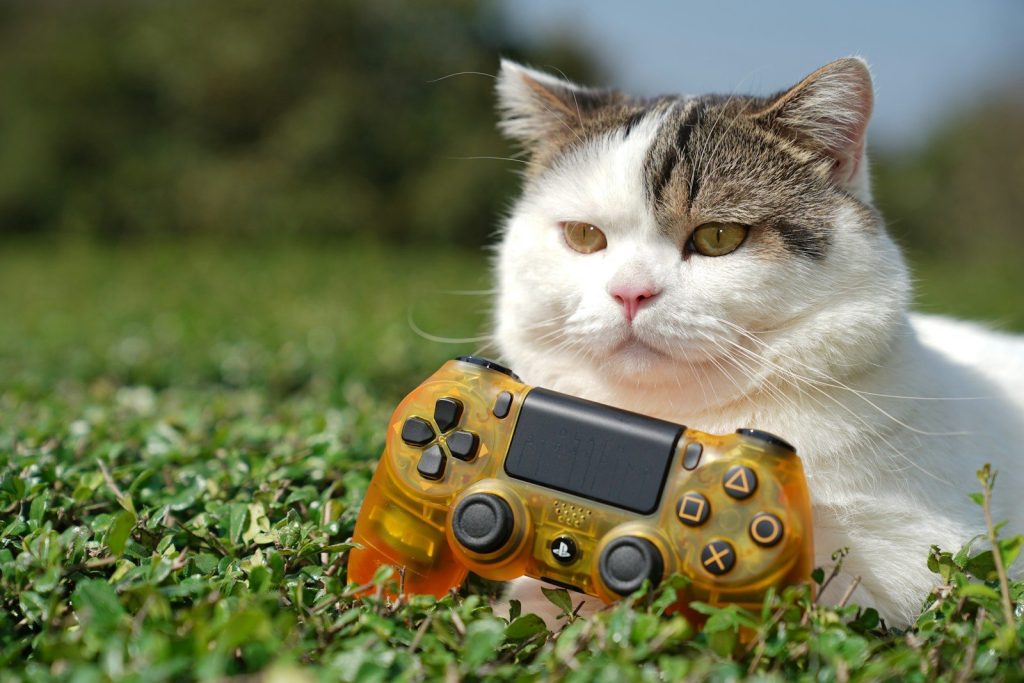

You have likely seen the viral videos of pets stamping on plastic buttons to request treats or outdoor play. It looks like magic.
Many owners wonder if this communication is real or just a trick. Scientists are finally studying this behavior to reveal if felines can master human words.
The viral trend of talking buttons
Millions of social media users watch clever pets press colored buttons to express complex thoughts. They seem to construct sentences. But behavioral experts urge caution before we assume felines understand human grammar. Scientists want to know if the animals truly comprehend the deeper meaning of these spoken sounds. This curiosity led researchers to design a groundbreaking study.
What science says about animal language
Researchers at the University of California San Diego studied how domestic animals interact with these soundboards. Their findings showed that pets can indeed understand certain words. They react fast. This simple action proves they associate the audio cue with a physical outcome. However, researchers also uncovered a massive limitation that changes how we view these talking pets.
The big difference between speaking and reacting
Pets do not use buttons to express complex emotions or tell stories. Instead, they learn through simple classical conditioning. Pushing a button labeled treat gets them a snack, so they repeat the action. They are training us. But this does not mean your cat is completely silent when they want to share a feeling.
How felines naturally communicate with humans
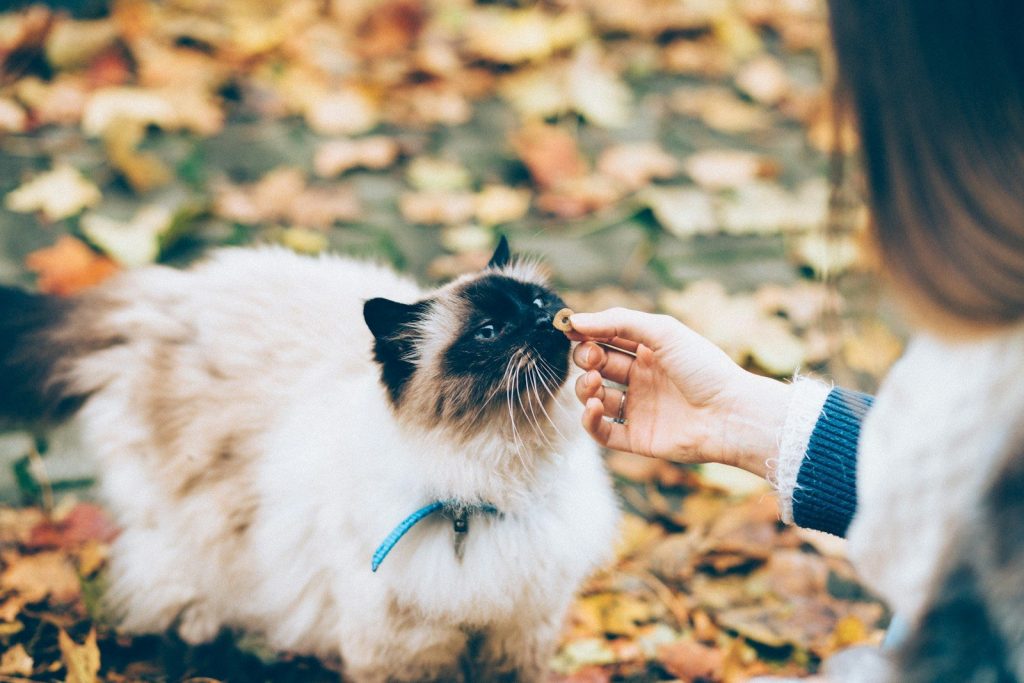
Cats already have a highly sophisticated language. They use a mix of tail positions, ear movements, and specific meows to tell us how they feel. Interestingly, adult cats only meow at humans, never at other felines. Your pet already speaks to you. Still, some dedicated owners want to try the button method.
How to start training your cat
You should start with just one button representing a highly desired activity, like food. Place the button near their bowl. Press the button every single time you feed them. Your cat will slowly connect the sound of the spoken word with the physical act of eating. But you must prepare for a very common behavioral setback.
The danger of constant button spamming

Once a cat learns that a button works, they might press it nonstop. This constant noise can drive any owner crazy. Felines are notoriously impatient. If you do not respond to their demands immediately, they will find other creative ways to grab your attention. This raises an important question about their mental health.
Does button training cause stress?
Frustration can lead to issues. According to pet behaviorists, animals can experience severe anxiety if their button pushes go ignored. If your cat gets too obsessed with the board, it might be time to take a break. This article is for informational purposes only and does not constitute veterinary medical advice. There is a much simpler way to build a bond.
The ultimate reward of silent understanding
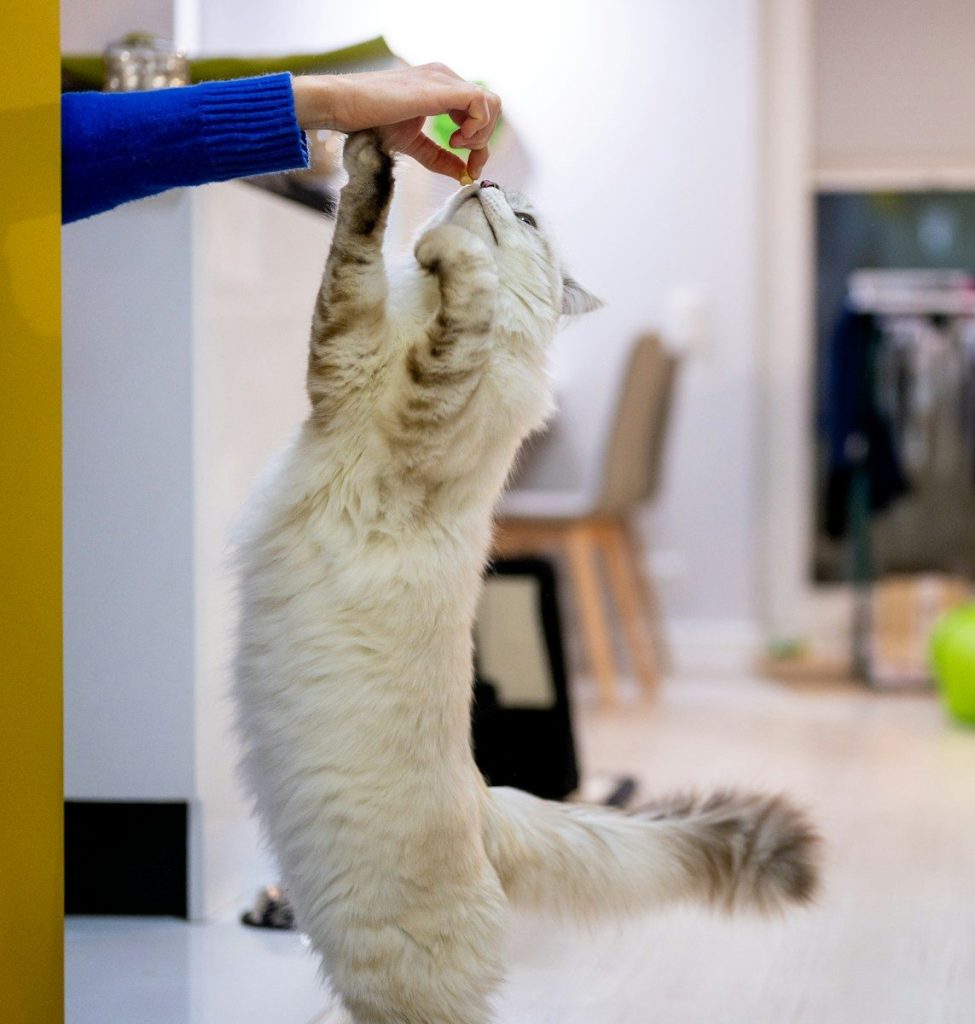
You do not need plastic gadgets to understand your favorite feline companion. Quiet time is better. Simply watching your pet will teach you their subtle signals. Over time, you will recognize every tail flick and soft purr without a single button. Enjoy this quiet connection. Your cat already knows exactly how to tell you they love you.