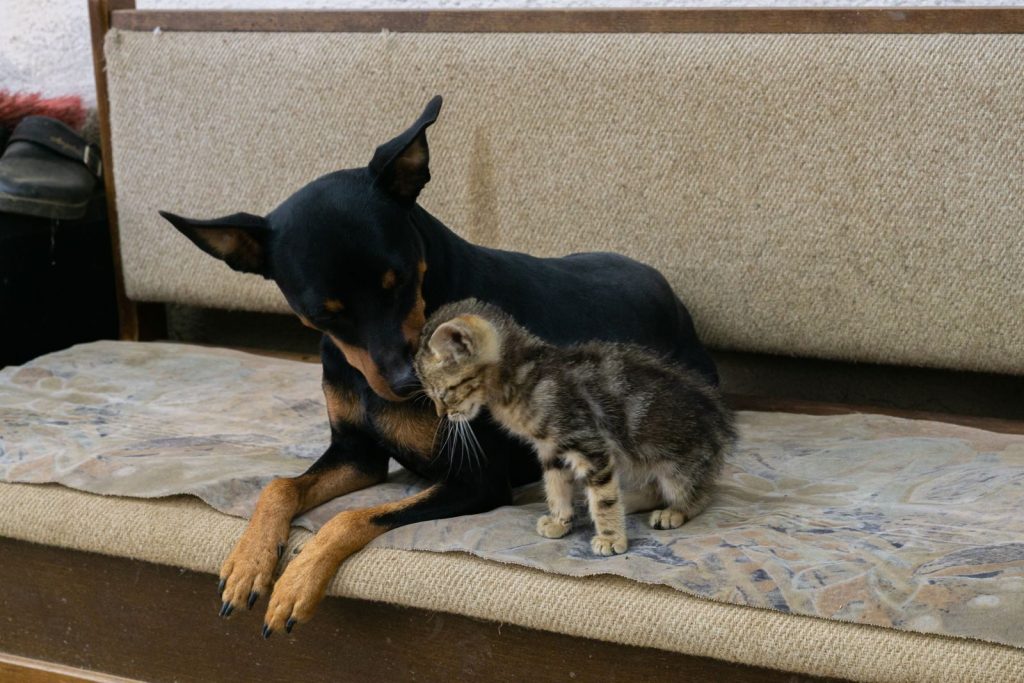

Most people assume kittens naturally pick up traditional feline vocalizations like soft meows and purrs. We expect young cats to learn behavior exclusively from their feline mothers.
But a tiny rescue kitten raised alongside big dogs surprised her owner by learning to howl. Her funny attempts to copy her canine brothers became a viral heartwarmer.
A Tiny Kitten Joins A Canine Family
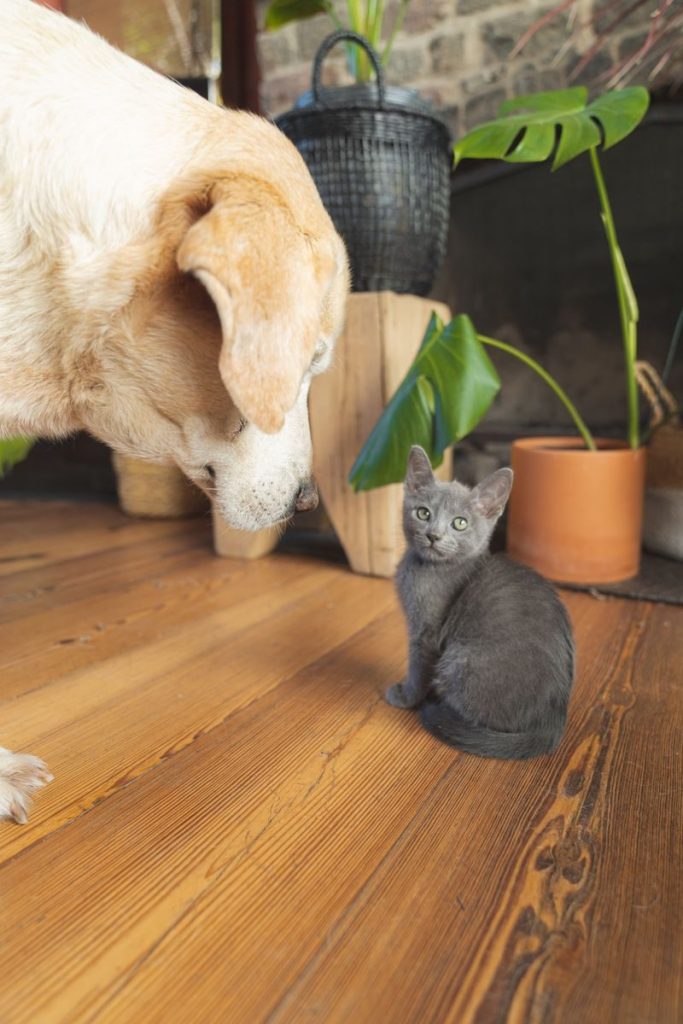
When a small rescue kitten named Dakota entered her new home, she met two large resident dogs. She was fearless. Instead of hiding, the tiny feline immediately followed her canine brothers everywhere around the house. According to pet owner reports, Dakota quickly viewed the big dogs as her primary role models. But her adoption of their habits surprised everyone.
Attempting To Howl Like Her Big Brothers
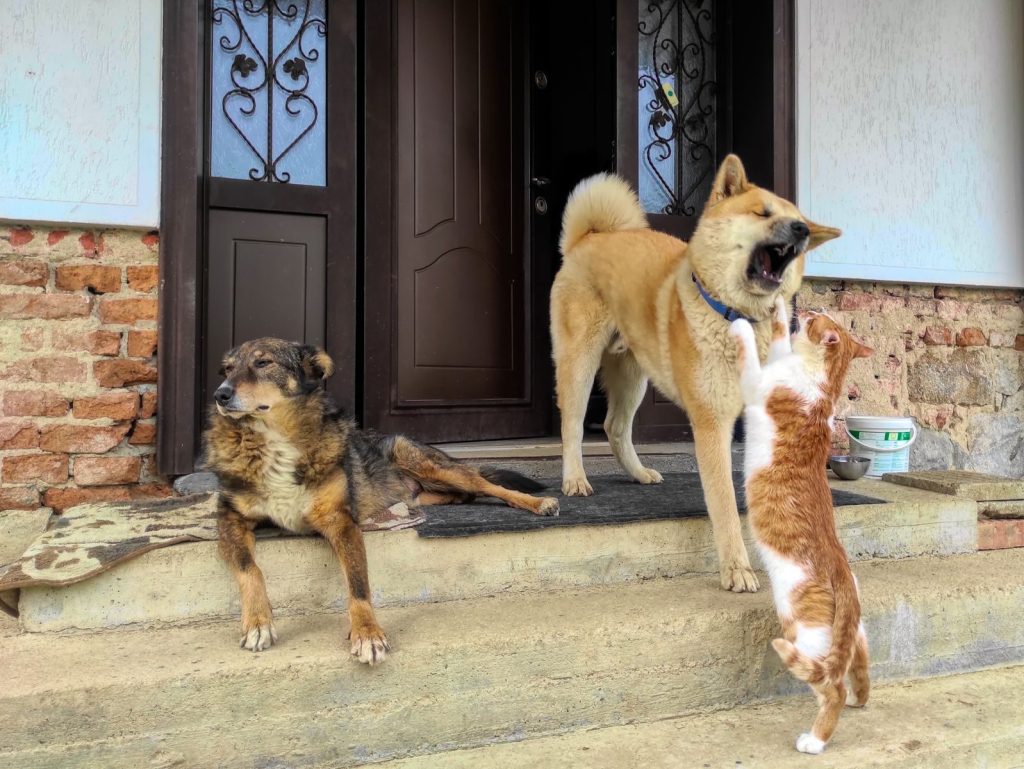
Whenever the dogs started howling together near the front door, Dakota joined in enthusiastically. She threw her head back. Her tiny lungs produced a funny combination of a meow and a high-pitched howl. According to viral video updates, the kitten matched her brother’s energy despite her small size. But how do young animals learn across species?
The Power Of Social Mirroring In Animals
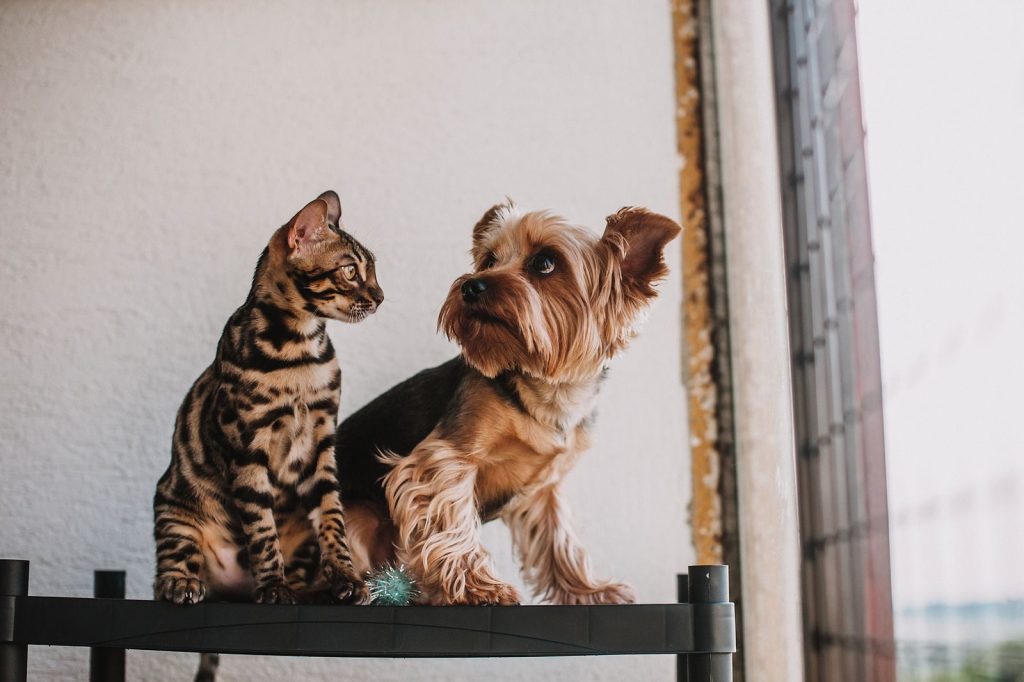
Young kittens are behavioral sponges that absorb actions from animals around them during early development. Social learning shapes habits. This process, known as behavioral mirroring, occurs when young pets copy trusted companions. According to animal behaviorists, kittens raised with dogs frequently adopt canine vocal habits and play styles. This raises questions about feline vocal flexibility.
How Feline Vocal Cords Adapt To Imitation
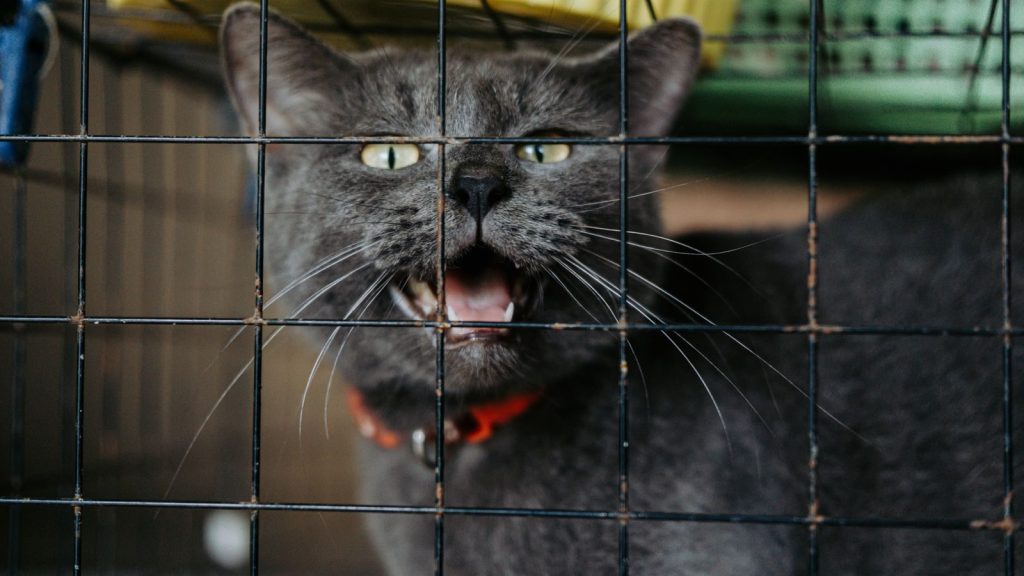
Cats possess versatile vocal mechanisms capable of producing dozens of distinct sounds and pitches. Flexibility enables unique vocalizations. While cats cannot truly howl like wolves, they modify their meows to mimic pitch variations they hear daily. According to veterinary specialists, early acoustic exposure strongly influences how a kitten communicates with household members. But vocal tricks were not her only habit.
Adopting Dog Habits In Daily Routines
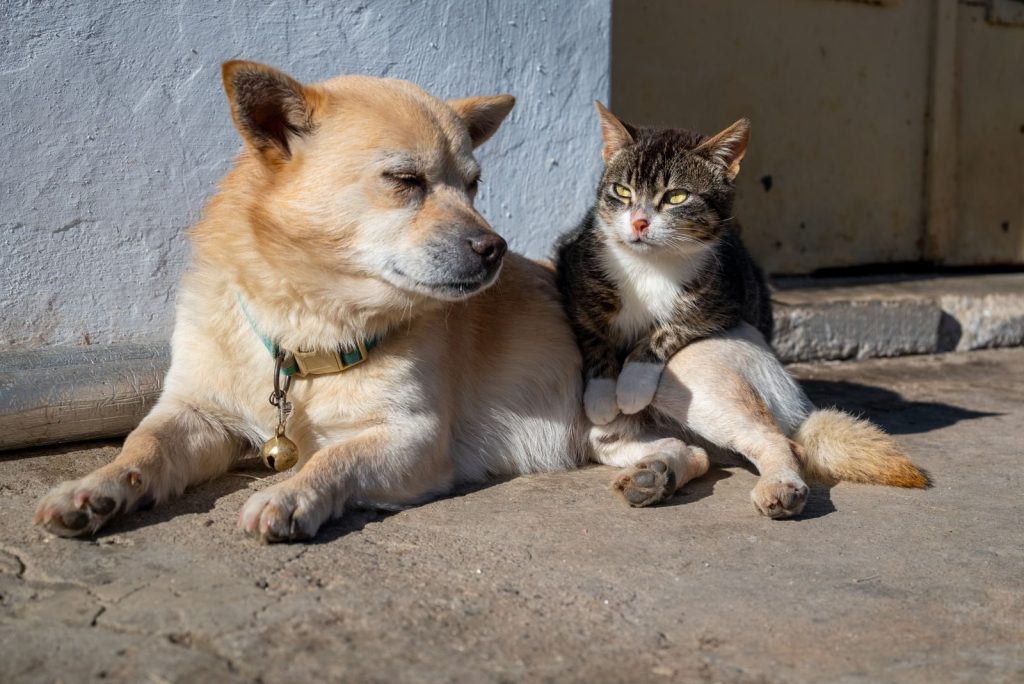
Beyond howling, Dakota began copying how her canine brothers greeted family members at the door. Routine builds strong bonds. She walked alongside them, wagging her tail and requesting belly rubs on the floor. According to pet trainers, cross-species socialization creates confident pets that adapt easily to busy households. But proper introduction techniques remain essential.
Tips For Socializing Kittens With Resident Dogs
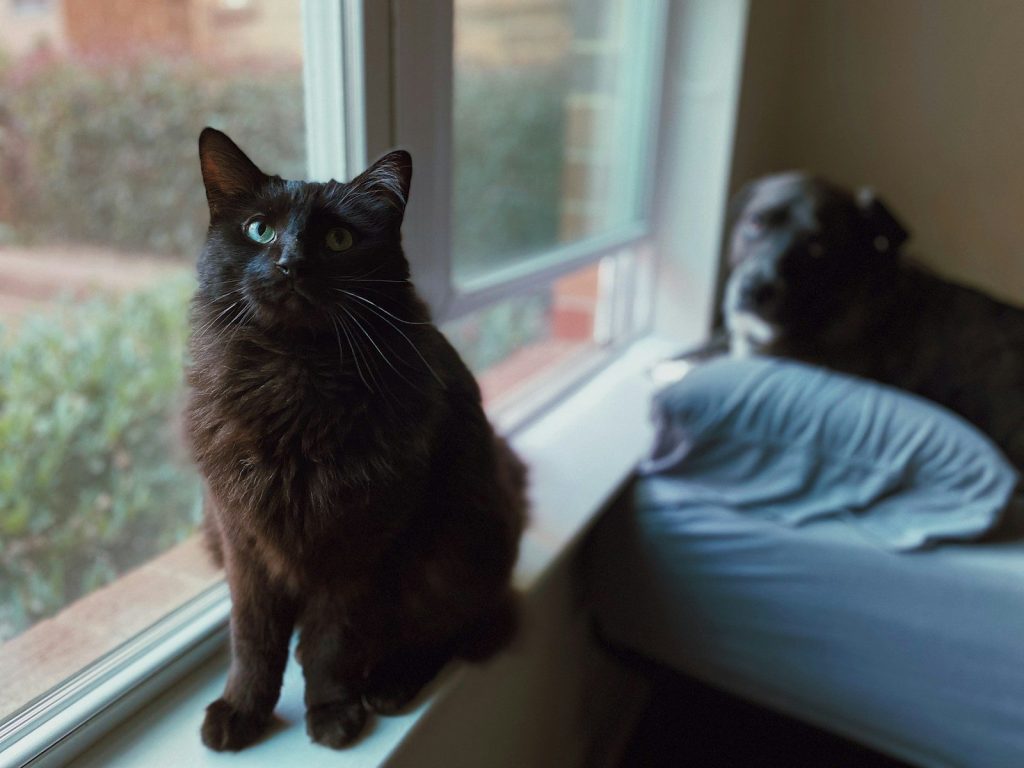
Introducing a kitten to large dogs requires patience, supervision, and controlled initial meetings. Safety is critical always. Allowing animals to adjust at their own pace prevents stress and fosters positive relationships over time. According to animal welfare experts, rewarding calm behavior helps cats and dogs form lasting friendships. That brings us to Dakota’s future.
Happy Future For A Loud Rescue Kitten
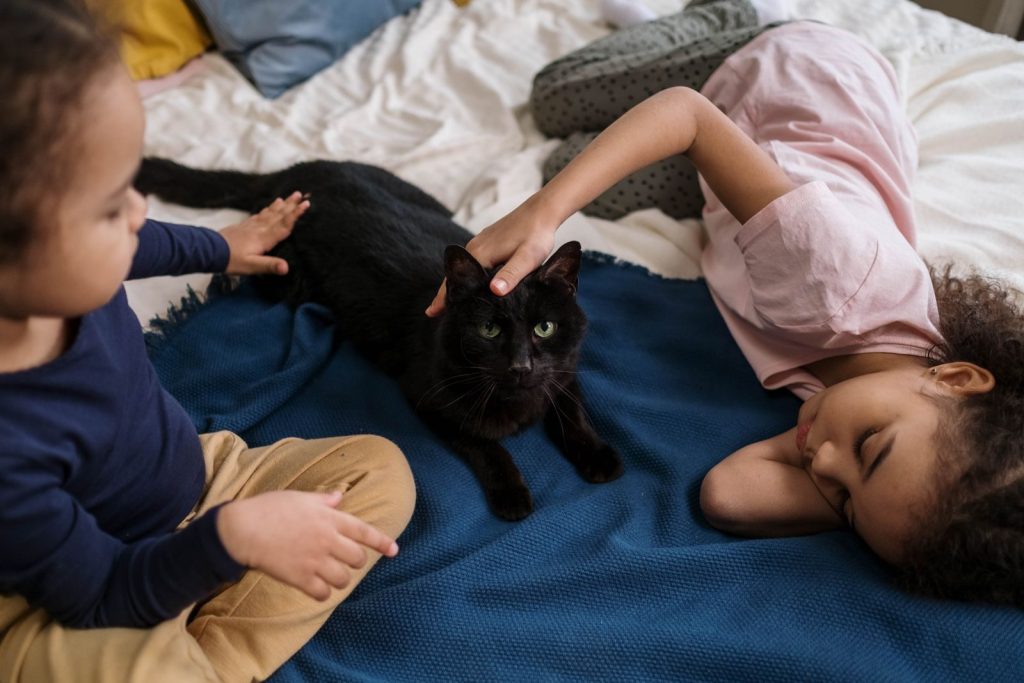
Dakota’s unique vocalization remains a testament to the special bond she shares with her dog brothers. Loving homes foster joy. She continues to charm her family daily with her loud howls and playful canine personality. According to animal behavior specialists, growing up in a multi-species household enriches pet lives immeasurably. This article is for informational purposes only.
Featured Image: Photo by Valentin Cvetanoski on Pexels