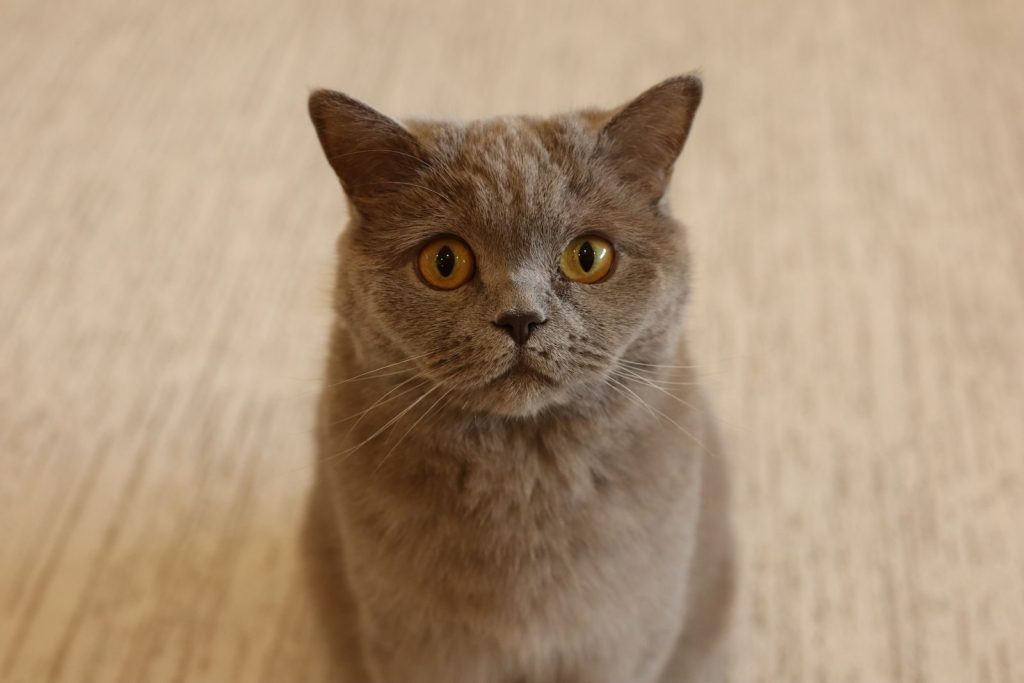

Pet owners often buy expensive plush toys and elaborate scratching posts for their feline companions. We expect cats to prefer toys designed specifically for animal entertainment.
But a curious domestic cat went viral after ignoring her toys to play with a single dry almond. Her unusual fixation raised interesting questions about feline behavior and pet safety.
Unexpected Fixation On A Single Nut
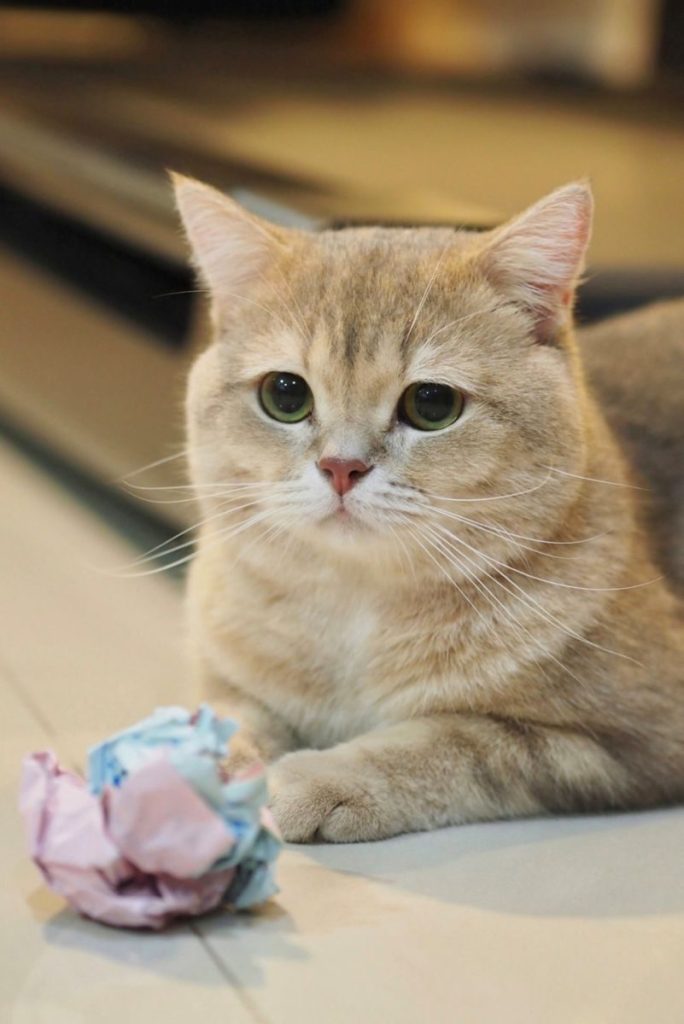
The playful cat spent hours batting the dry almond across the kitchen floor. She was fascinated. She carried the nut from room to room, guarding it closely like a prized trophy. According to viral video clips, her owner found the behavior hilarious yet baffling. But why do small hard objects attract feline attention so easily?
Why Cats Love Skittering Household Objects
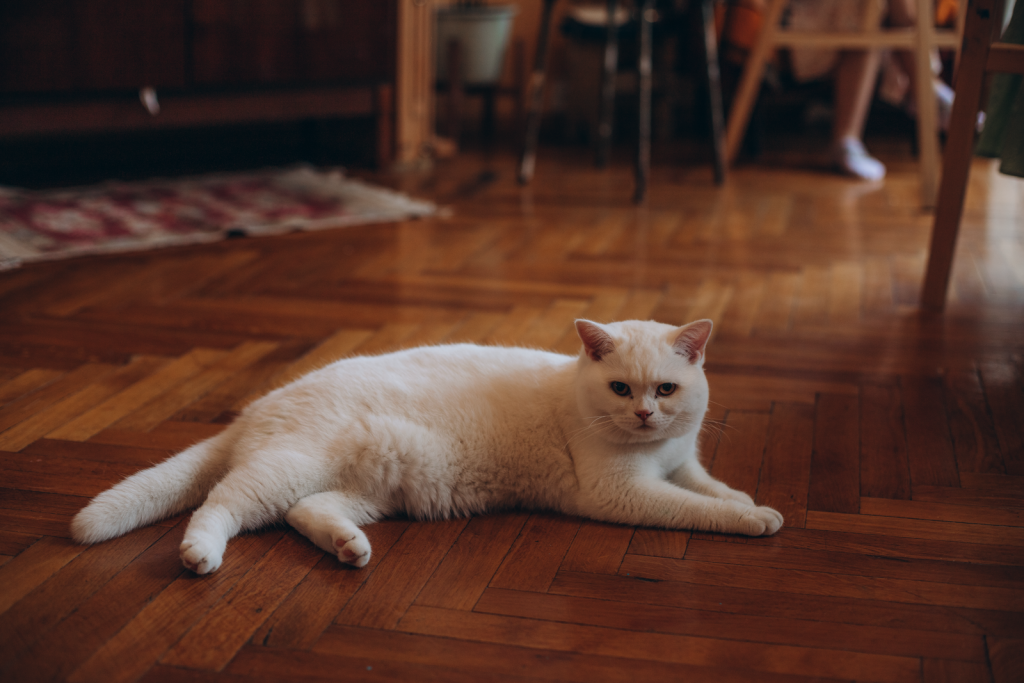
Small hard objects produce satisfying skittering sounds when batted across smooth hardwood or tile floors. Sound triggers interest. Felines view fast sliding items as moving prey during solo play routines. According to animal behavior specialists, the texture and light weight of an almond make it easy for cats to flick around. But this fun habit carries hidden safety risks.
Evaluating The Safety Of Almonds For Cats

While sweet almonds sold in grocery stores are non-toxic to cats, they are not ideal pet snacks. Caution is necessary. Cats are obligate carnivores and cannot digest plant nuts efficiently. According to the ASPCA Animal Poison Control Center, ingestion of whole nuts can cause stomach upset or digestive blockage. That leads to an even more serious physical danger.
Understanding Choking Hazards In Feline Play
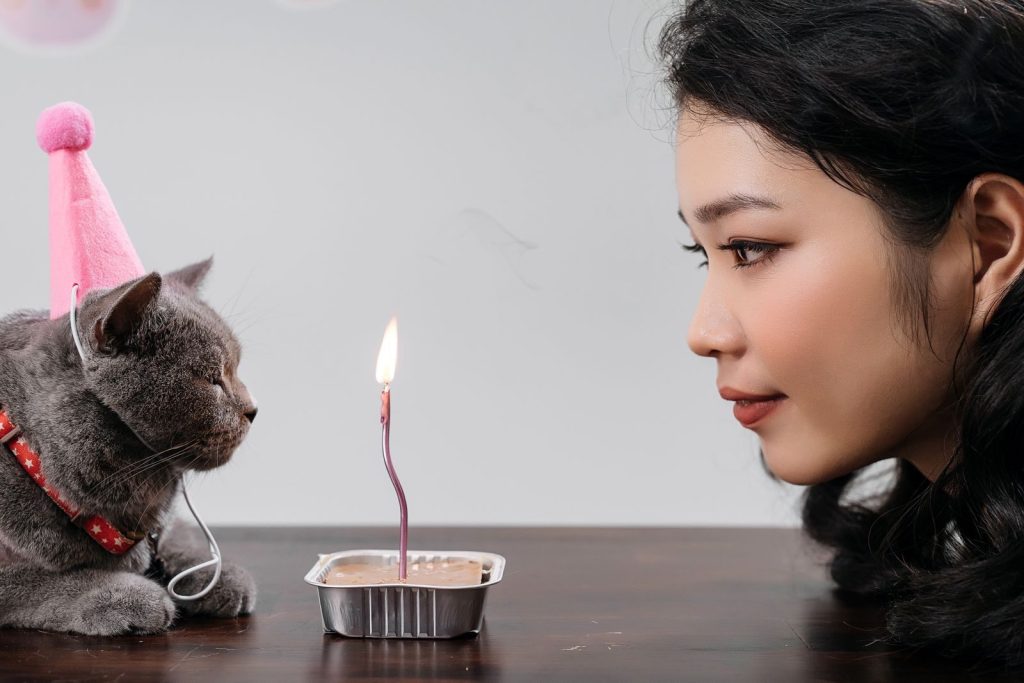
Hard nuts pose a severe choking hazard if a cat attempts to swallow them whole during play. Safety requires vigilance. Small objects can easily become lodged in a feline throat or airway. According to veterinary emergency doctors, owners should immediately remove small hard items if a cat starts chewing on them. But what about toxic nut varieties?
The Danger Of Bitter Almond Toxins
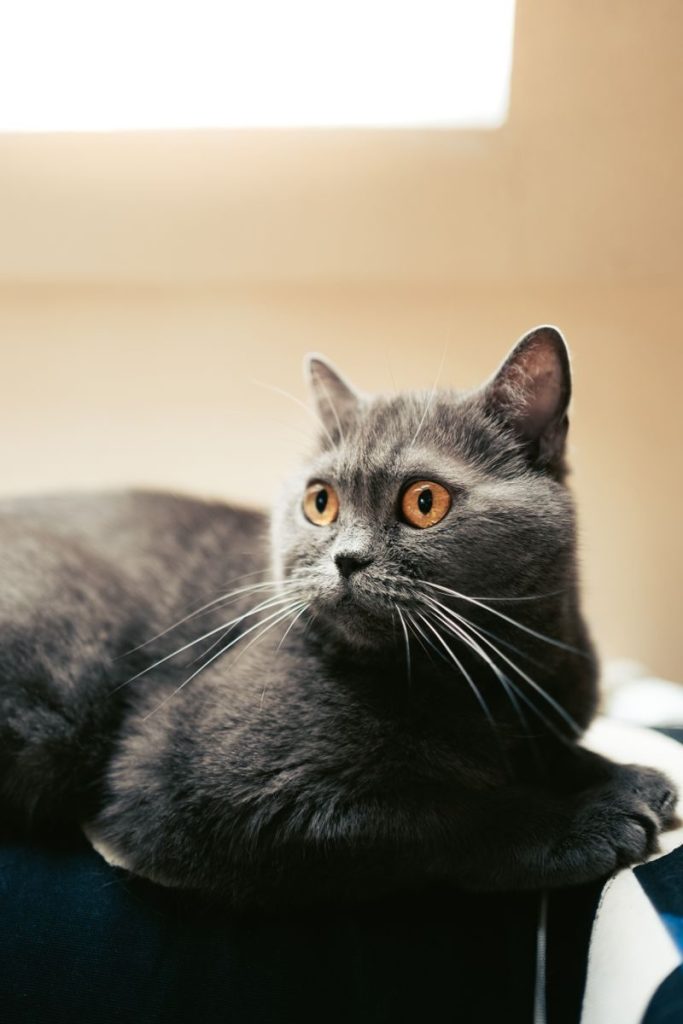
While sweet almonds are non-toxic, bitter almonds contain cyanogenic glycosides that release dangerous cyanide. Toxicity poses real threats. Bitter almonds are rare in retail markets but remain extremely hazardous to pets. According to veterinary toxicologists, even tiny amounts of bitter almonds require urgent medical intervention. That brings up how owners can redirect unsafe play.
Replacing Small Items With Safe Toys
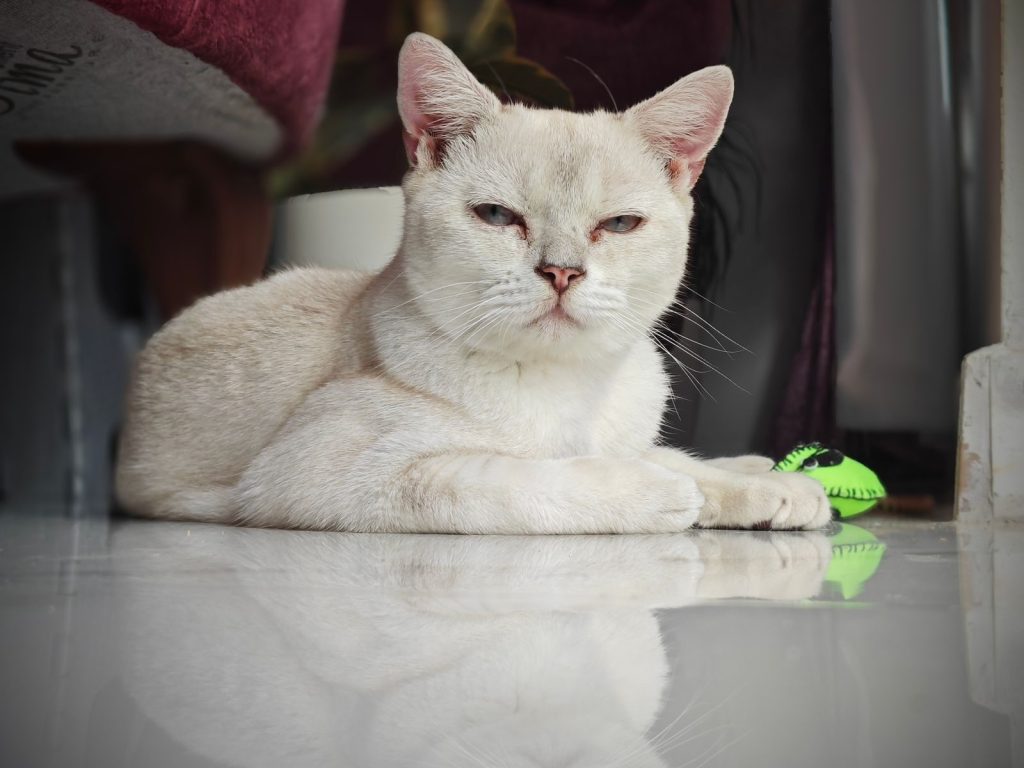
Owners can replace hazardous household items with lightweight pet toys that mimic the same sliding motion. Simple swaps protect pets. Firm felt balls and lightweight catnip mice provide similar interactive fun safely. According to pet training specialists, introducing safe alternatives keeps cats entertained without risking accidental swallowing. That leaves one key takeaway for pet parents.
Monitoring Curiosity To Keep Cats Healthy
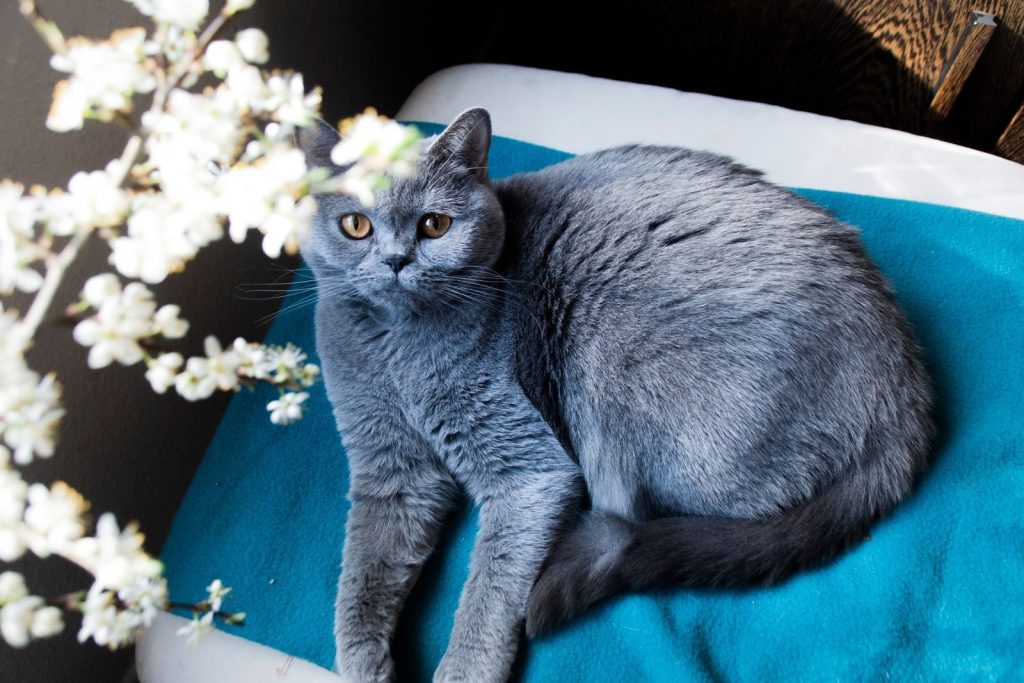
Feline curiosity makes daily life entertaining, but monitoring play objects preserves long-term safety. Proper care prevents injuries. Enjoying funny pet quirks while removing potential hazards ensures a happy home environment. According to veterinary health experts, supervising your cat’s play habits protects them from unexpected medical emergencies. This article is for informational purposes only and does not constitute veterinary advice.
Featured Image: Photo by Zeynep Gül Ceylan on Pexels